
Tick season is here, and being unprepared can put your health—and your loved ones—at risk. If you’re searching for the essentials you need to know about tick season in 2025, you’re in the right place. This guide delivers up-to-date, actionable information so you can confidently enjoy the outdoors while minimizing your risk of tick bites and tick-borne diseases.
Drawing from the latest Canadian public health data and proven prevention strategies, this article will break down where ticks are most active, how to spot and remove them safely, and the best ways to protect your home, pets, and family. You’ll also learn about the symptoms of tick-borne illnesses and what to do if you’re bitten. Get ready to take control of tick season with practical steps and expert-backed advice.
Understanding Tick Risks and Tick-Borne Diseases in Canada
Where are tick populations and tick-borne disease risks highest in Canada?
Tick populations and disease risk are highest in southern Manitoba, Ontario, Québec, British Columbia, New Brunswick, and Nova Scotia, with blacklegged ticks expanding into new regions due to climate change and migratory animals.
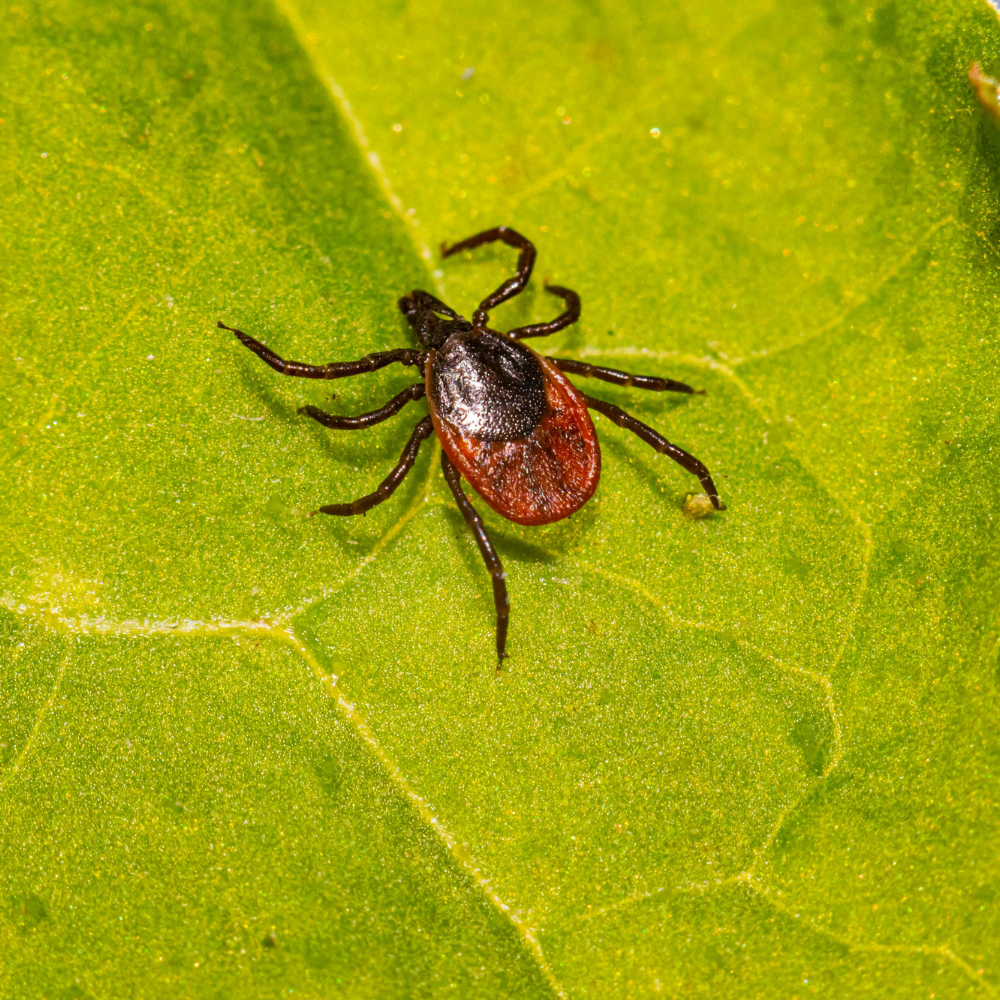
Canada’s tick landscape is rapidly evolving. The blacklegged tick (Ixodes scapularis)—the main vector for Lyme disease—has established populations in parts of southern Manitoba, Ontario, Québec, British Columbia, New Brunswick, and Nova Scotia. These ticks thrive in humid environments such as forests, tall grass, gardens, and piles of dead leaves. However, their range is not static. Blacklegged ticks are spreading into new areas, propelled by warming temperatures and migratory birds and deer, which can introduce ticks far beyond their traditional habitats.
Risk is not uniform, even within provinces. In Québec, for example, Ixodes scapularis ticks are now established in all regions except Côte-Nord, Nord-du-Québec, Nunavik, and Terres-Cries-de-la-Baie-James. The risk of Lyme disease exposure varies by local tick population density and environmental conditions. For up-to-date, region-specific risk, consult the latest distribution maps from provincial health authorities.
Climate change is a key driver. Ticks become active at temperatures above 4°C and reach peak activity around 25°C. As Canadian winters become milder, ticks survive longer and expand their range, increasing the window of risk. In Québec, reported Lyme disease cases have surged—from 50% locally acquired in 2013 to nearly 86% in 2023, with 652 cases in 2023 alone.
You might wonder if ticks are only a rural problem. In reality, ticks can be found in urban parks, gardens, and landscaping. Pets can also bring ticks into your home, raising the risk even in city settings. For those managing properties, sealing with rodent-proof metal mesh can help reduce tick hosts like mice.
For more on identifying tick habitats and reducing exposure, see how to prevent tick bites.
What tick-borne diseases should you be aware of in Canada, and how are they changing?
Lyme disease is the most common tick-borne illness in Canada, but anaplasmosis and other diseases are emerging as tick ranges expand due to climate and ecological shifts.
Lyme disease, caused by Borrelia burgdorferi and transmitted by blacklegged ticks, remains the primary tick-borne threat in Canada. Symptoms can range from rash and fever to severe neurological and cardiac complications if untreated. The disease is now found in all provinces where blacklegged ticks are established, and its incidence is rising sharply—Canada recorded 4,785 cases in 2023, with preliminary 2024 data already exceeding 5,200.
But Lyme is not the only concern. Anaplasmosis, caused by Anaplasma phagocytophilum, is also transmitted by blacklegged ticks. In Québec, anaplasmosis became a notifiable disease in 2019. The Estrie and Montérégie regions have seen the most cases—31 and 7 respectively in 2023—demonstrating how new tick-borne threats can emerge quickly in specific areas. Symptoms include fever, chills, muscle pain, and in rare cases, severe complications like respiratory distress or blood clotting disorders.
Tick-borne illnesses are not limited to Lyme and anaplasmosis. Other diseases, such as babesiosis and Powassan virus, are rare but possible as ticks and their pathogens adapt to new environments. The expansion of tick habitats is fueled by climate change, which increases the number of ticks, the length of their active season, and the diversity of pathogens they can carry.
A common misconception is that you can always spot a tick bite or that only certain outdoor activities pose a risk. In fact, tick bites are often painless and go unnoticed. Activities like gardening, hiking, or even relaxing in your backyard can expose you to ticks. Pets can carry infected ticks indoors, so regular tick checks are essential for both humans and animals.
For practical advice on keeping your property tick-safe, see residential pest control.
Essential Prevention and Protection Strategies for Tick Season
What are the most effective personal protection measures to prevent tick bites during peak season?
To prevent tick bites, wear light-coloured, long-sleeved clothing, use approved insect repellent, stick to cleared trails, and perform daily full-body tick checks.
Personal protection is your first line of defense against tick-borne diseases like Lyme disease and anaplasmosis. Ticks are most active from April to November, especially when temperatures are above 4°C. Begin by wearing light-coloured, tightly woven clothing—this makes ticks easier to spot and harder to penetrate. Long sleeves, long pants tucked into socks, and closed-toe shoes create a physical barrier that greatly reduces tick access to your skin.
Apply an approved insect repellent containing DEET or Icaridin to exposed skin and clothing, always following label instructions. For added protection, adults can use permethrin-treated clothing, which repels and kills ticks on contact. These measures are recommended by both Quebec public health authorities and the Public Health Agency of Canada.
When outdoors, always walk on cleared paths or trails and avoid tall grass, brush, or piles of leaves, where ticks thrive. Keep children and pets from wandering off trails. After outdoor activities, shower as soon as possible to wash off unattached ticks and change into clean clothes. Place worn clothing in a dryer on high heat for at least 10 minutes, as ticks can survive a cold wash cycle.
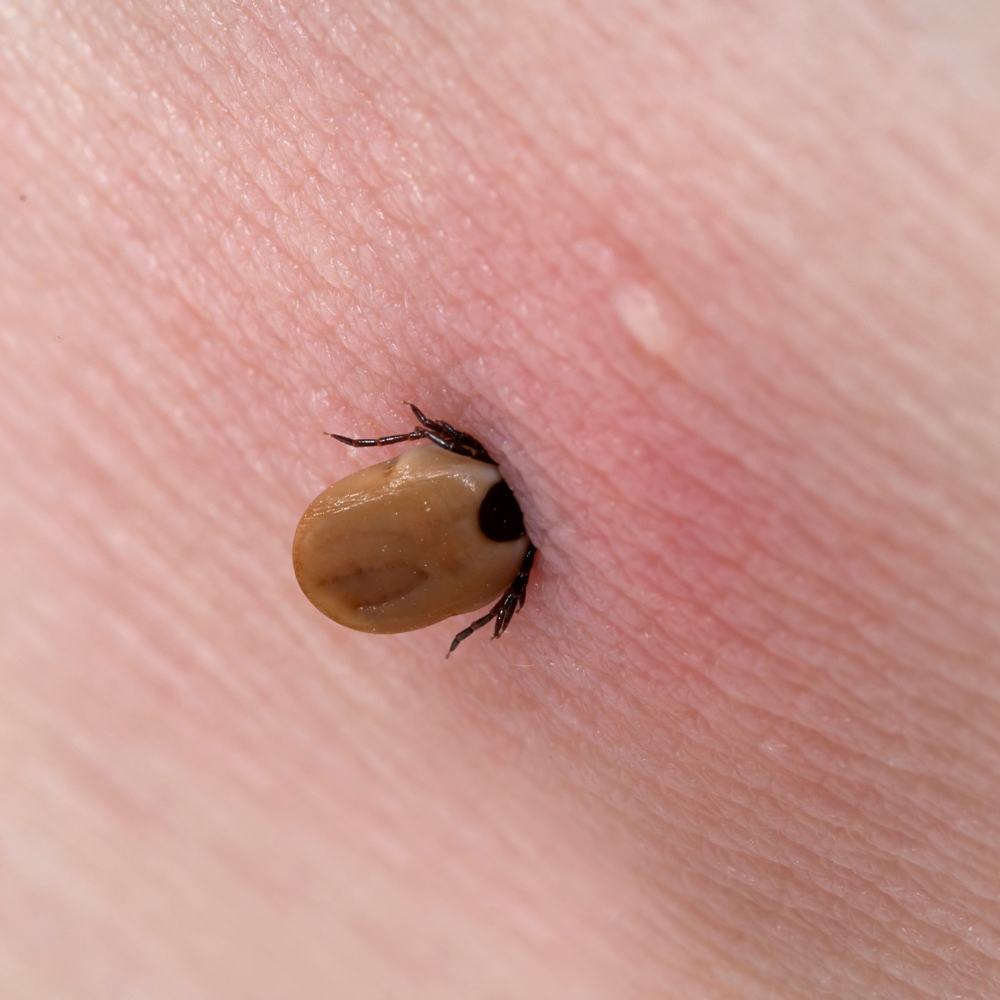
Perform a daily full-body tick check on yourself, your children, and your pets. Pay special attention to hidden areas like the scalp, behind the knees, and underarms. If you find a tick, remove it promptly with fine-tipped tweezers, grasping as close to the skin as possible, and pulling straight out.
Pregnant individuals and young children should also use these strategies, as DEET and Icaridin are considered safe when used as directed.
Common questions include whether ticks are only a rural problem (they are not—urban parks and gardens are also risk zones) and if you can feel a tick bite (usually not, as bites are painless). Consistent, proactive protection is essential, regardless of your location or activity.
How can you make your home and yard less attractive to ticks and reduce your risk of tick encounters?
Maintain short grass, remove leaf litter, create barriers with mulch or gravel, and keep patios and play areas away from yard edges to deter ticks around your home.
Ticks thrive in humid, shaded environments with tall grass, dense shrubs, and piles of leaves. Regularly mow your lawn and trim shrubs to allow sunlight to reach the ground—ticks avoid dry, sunny areas. Remove leaf litter, weeds, and brush, especially at the edge of your lawn and around stone walls or woodpiles. These practices are proven to reduce tick habitats.
Install a 1-metre-wide border of wood chips, mulch, or gravel between your lawn and wooded or shrubby areas. This physical barrier makes it harder for ticks to migrate into recreational spaces. Seal stone walls and other openings to prevent rodents—key tick hosts—from entering your yard.
Place patios, decks, and children’s play sets in sunny areas, away from yard edges and trees, and if possible, on a wood chip or mulch foundation. This further reduces tick presence in high-use areas. Consult your veterinarian about tick prevention for pets, as they can carry ticks indoors.
After outdoor activities, check your clothing, gear, and pets for ticks before entering your home. For those traveling or returning from tick-prone areas, shower and wash clothing promptly.
A frequent misconception is that ticks only pose a risk in rural or forested regions. In reality, ticks are increasingly found in urban and suburban environments, including gardens and playgrounds. Climate change is expanding tick habitats, making these prevention steps vital across Quebec and Canada.
Conclusion
Tick season in Canada is becoming longer and more unpredictable, with blacklegged ticks—primary vectors for Lyme disease—expanding their territory across southern Manitoba, Ontario, Québec, British Columbia, New Brunswick, and Nova Scotia. Climate change, milder winters, and migratory wildlife are driving this spread, increasing the risk of tick-borne diseases not just in rural woodlands but also in urban parks and backyards. Alongside Lyme disease, emerging threats like anaplasmosis, babesiosis, and Powassan virus are appearing in new regions, underscoring the need for heightened awareness and proactive prevention.
The most significant findings highlight that tick exposure is no longer confined to remote or forested areas—urban dwellers, pet owners, and anyone enjoying the outdoors are at risk. Effective prevention hinges on personal protection (like wearing light-coloured clothing, using DEET or Icaridin repellents, and performing daily tick checks) and environmental management (such as maintaining short grass, removing leaf litter, and creating barriers with mulch or gravel). Regular tick checks for both people and pets, prompt tick removal, and property modifications are essential strategies to reduce the risk of tick-borne illnesses.
Given the evolving landscape of tick-borne disease in Canada, staying informed and vigilant is crucial. Consult local health authorities for up-to-date risk maps, educate your family about tick prevention, and implement recommended protective measures at home and outdoors. As tick populations and the diseases they carry continue to adapt, ongoing awareness and proactive action are your best defenses for a safe and healthy tick season.
Frequently Asked Questions (FAQ)
What are the main tick-borne diseases to watch for in Canada, and how are they changing?
The primary tick-borne disease in Canada is Lyme disease, caused by the bacterium Borrelia burgdorferi and transmitted by blacklegged ticks. Its incidence has risen sharply, with thousands of cases reported annually. Anaplasmosis is also emerging, particularly in Québec, and can cause fever, muscle pain, and, in rare cases, severe complications. Other diseases like babesiosis and Powassan virus are rare but possible as ticks expand into new areas due to climate change. The range and diversity of tick-borne diseases are increasing, making awareness and prevention more important than ever.
Where in Canada is the risk of encountering ticks and tick-borne diseases the highest?
Tick populations and disease risk are highest in southern Manitoba, Ontario, Québec, British Columbia, New Brunswick, and Nova Scotia. However, blacklegged ticks are expanding into new regions, including urban parks and gardens, due to warming temperatures and migratory animals. Even within provinces, risk can vary by local environment—forests, tall grass, and leaf litter are prime tick habitats. Always check provincial health authority maps for the latest risk information.
What are the most effective ways to prevent tick bites during peak season?
To prevent tick bites, wear light-coloured, tightly woven clothing with long sleeves and pants tucked into socks. Use insect repellents containing DEET or Icaridin on exposed skin and clothing, and consider permethrin-treated clothing for added protection. Stick to cleared trails, avoid tall grass and brush, and perform daily full-body tick checks after outdoor activities. Showering soon after being outdoors and drying clothes on high heat can also help remove unattached ticks.
How can I make my yard and home less attractive to ticks?
Maintain your yard by keeping grass short, trimming shrubs, and removing leaf litter, weeds, and brush. Create a 1-metre-wide barrier of mulch, wood chips, or gravel between your lawn and wooded areas to deter tick migration. Place patios and play areas in sunny spots away from yard edges, and seal stone walls or openings to keep out rodents, which are common tick hosts. Regularly check pets for ticks and consult your veterinarian about tick prevention products.
Can ticks be found in urban areas, or are they only a rural problem?
Ticks are increasingly found in urban and suburban environments, including city parks, gardens, and landscaped areas. Pets can bring ticks indoors, and climate change is making more regions suitable for tick populations. This means that everyone, regardless of where they live, should be vigilant about tick prevention and regular tick checks, especially during the active season from April to November.
What should I do if I find a tick on myself, my child, or my pet?
If you find a tick, remove it as soon as possible using fine-tipped tweezers. Grasp the tick close to the skin and pull straight out without twisting. Clean the bite area with soap and water or an antiseptic. Save the tick in a sealed container for possible identification, and monitor for symptoms such as rash, fever, or flu-like illness. If symptoms develop or if you are in a high-risk area, consult a healthcare provider promptly. For pets, consult your veterinarian for further advice and ongoing tick prevention.
Stay proactive, stay protected, and make tick awareness a part of your seasonal health routine.