
Introduction
Bed bugs are persistent pests. Even after a successful professional treatment, it’s entirely possible for a reinfestation to occur. Why? Because the treatment eliminates the bugs present at that moment but doesn’t necessarily protect against future introductions.
In Quebec—especially in Montreal—bed bug cases are common in high-density housing, rental buildings, lodging facilities, and transportation. Knowing what behaviours to adopt after a treatment is essential to prevent the infestation from returning.
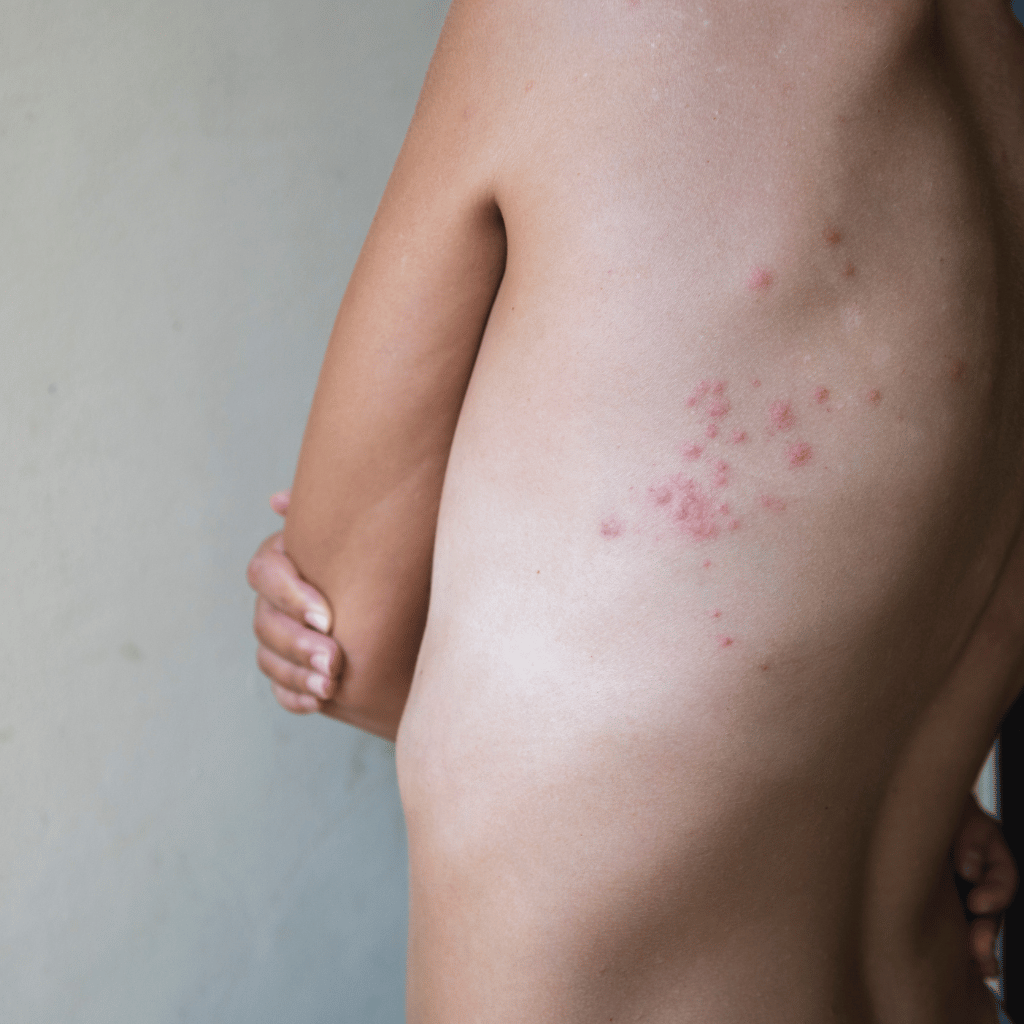
Understanding the Risk of Reinfestation
Even after bed bugs have been eliminated, there’s a high risk of unintentionally bringing them back:
- By buying a second-hand piece of furniture that’s infested;
- By hosting someone coming from an infested location;
- After travelling or staying in a hotel with bed bugs;
- By living in a multi-unit building where other units are infested;
- By frequenting high-risk public places (waiting rooms, intercity transport, etc.).
Prevention is just as important after a treatment as during the actual intervention.
Immediate Best Practices After Treatment
1. Don’t put furniture or clothes back too soon
A heat or chemical treatment often requires several days for residues to fully take effect. Avoid bringing back objects or textiles that were removed unless they were properly decontaminated (high-heat drying, prolonged freezing, or airtight storage).
2. Wash and dry all fabrics on high heat
Heat is the best way to kill bed bugs at all life stages. Sheets, pillows, blankets, curtains, stuffed toys, and clothes should all be washed in hot water and dried on high heat for at least 30 to 45 minutes. This also applies to clothes that weren’t directly in the infested room.
3. Use certified bed bug-proof covers
Mattresses and box springs must be covered with bed bug-proof encasements. These special covers prevent bugs from getting in or out. They must remain in place for at least 12 months.
4. Install interceptors under bed legs
Interceptors are small, double-walled cups placed under each bed leg. They trap any bug trying to climb up and serve as passive monitoring tools.
5. Keep the bed clear and away from the wall
The bed must not touch walls or other furniture. Sheets and blankets should not drape onto the floor. This limits access routes for any bugs that may remain or return later.
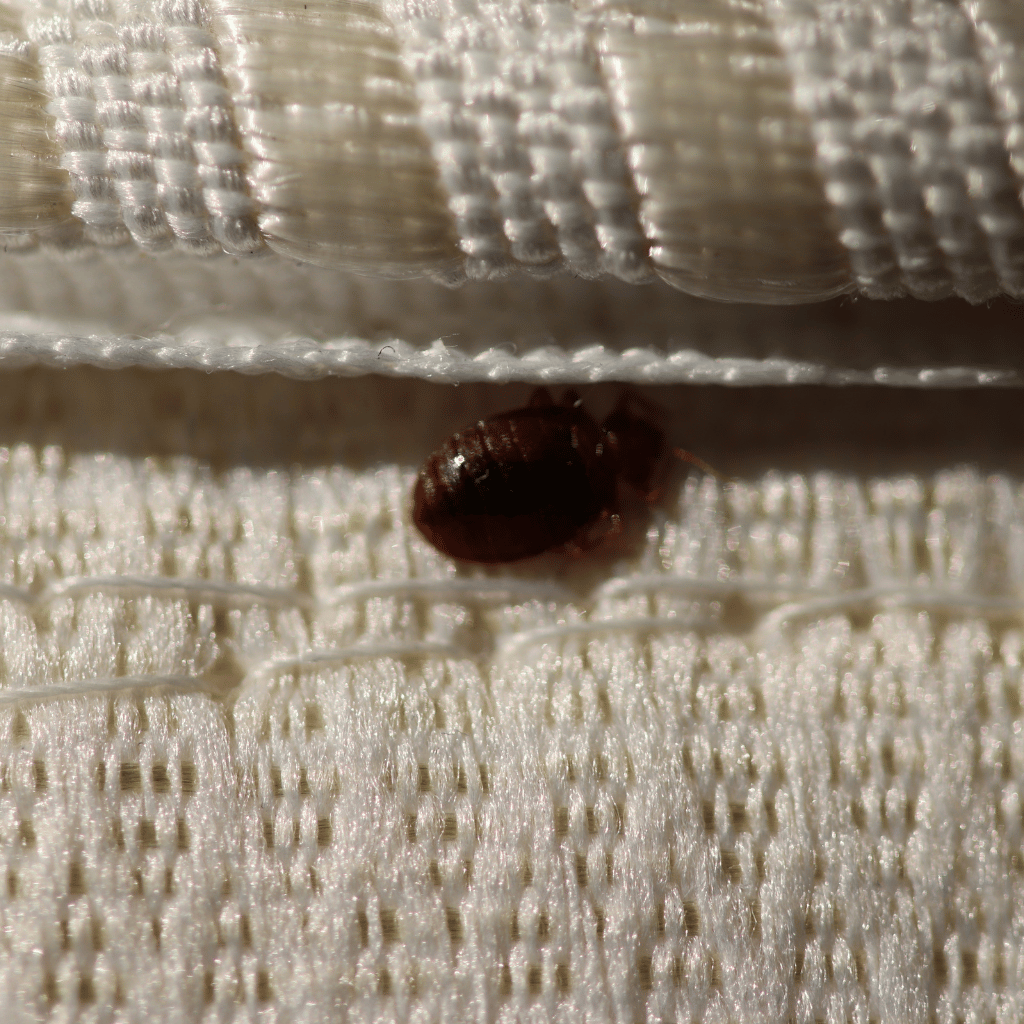
Long-Term Habits to Adopt
1. Reduce clutter
Piles of clothes, boxes under the bed, or books on the floor create ideal hiding spots. A tidy space is easier to inspect and exposes bugs if they return.
2. Vacuum regularly
Vacuum weekly around the bed, under furniture, along baseboards, and near outlets. Use the nozzle in mattress seams, floor cracks, and furniture joints. Empty the vacuum bag or canister right away—outdoors.
3. Periodically inspect critical areas
Check mattress seams, box spring corners, bed frame joints, wall sockets, and mouldings. Look for tiny black dots (droppings), dried blood stains, or white eggshells—early signs of return.
4. Inform other residents
In rental buildings or shared housing, it’s essential that everyone is aware and cooperative. One careless person can accidentally bring bugs back into a treated unit.
5. Avoid uninspected second-hand items
Second-hand furniture, mattresses, sofas, and nightstands from classifieds are common reinfestation sources. If you must buy used, inspect thoroughly, favour plastic or metal items, and treat questionable pieces before bringing them in.
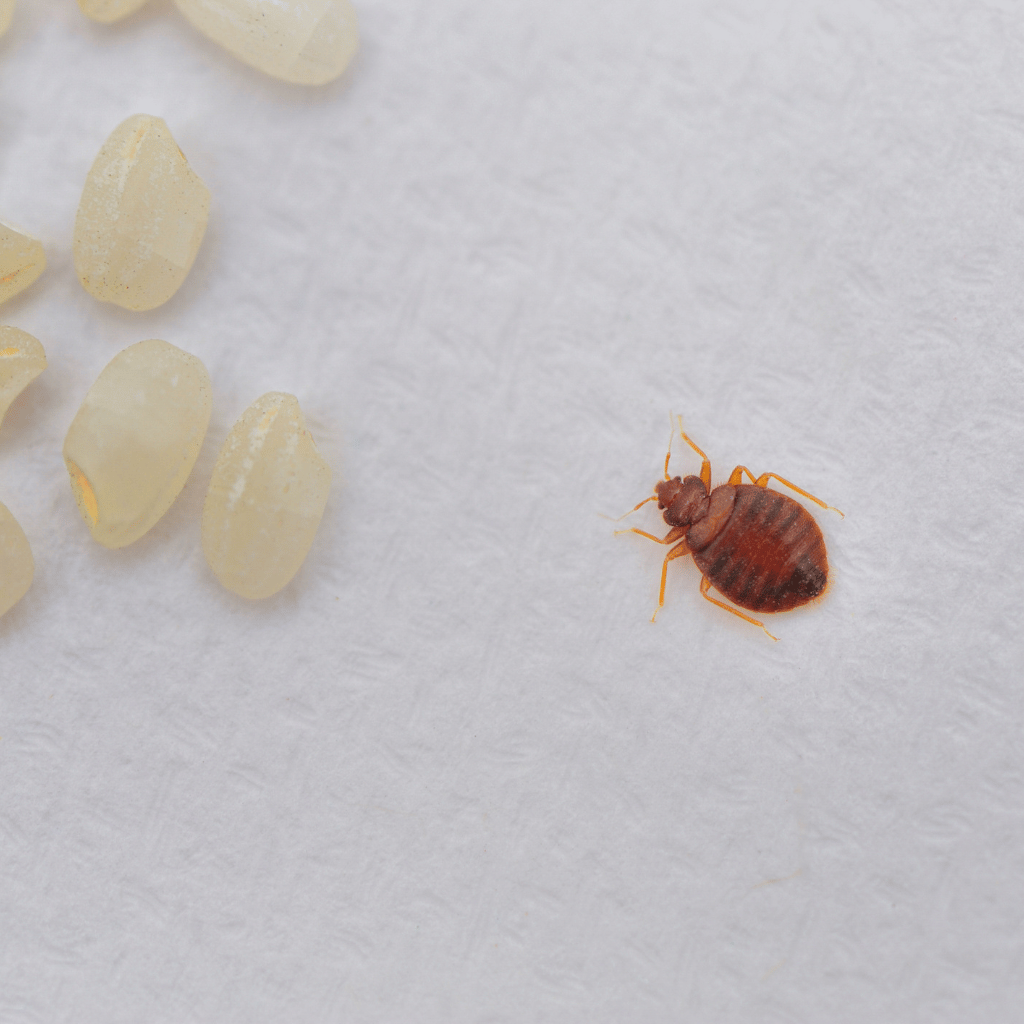
Prevention in High-Risk Contexts
1. When travelling
- Inspect the hotel mattress (seams, headboard, base) upon arrival;
- Never place luggage on the bed: use the luggage rack instead;
- Keep clothes in sealed bags during your stay;
- Upon return, dry all clothes immediately at high heat;
- Store suitcases in plastic bags or sealed bins for a few days.
2. In intercity transport
Buses, taxis, night trains, or airplanes can sometimes carry bed bugs. Use a sealed bag for personal items and avoid placing luggage on upholstered seats.
3. In multi-unit buildings
Risk is higher if neighbours have infestations. You can:
- Install door sweeps;
- Seal gaps around outlets and pipes;
- Monitor shared spaces like laundry rooms;
- Immediately notify your landlord if you see signs of reinfestation.
What to Do If You Think Bed Bugs Are Back?
Follow these steps if you notice suspicious bites or stains on sheets:
- Confirm with a professional: not all bites are from bed bugs.
- Place traps under bed legs or use sticky tape around the bed frame.
- Document: take photos of stains, bugs, or eggshells.
- Avoid moving items between rooms.
- Contact your exterminator as soon as possible.
At Integral XT, our bed bug treatment service includes thorough follow-up, customized post-treatment advice, and visual or canine inspection if needed.
Conclusion
Preventing the return of bed bugs requires diligence, awareness, and collaboration. A professional treatment is only the first step: you must maintain good habits, educate household members, and act quickly at the first sign of recurrence.
Have you experienced an infestation and want to make sure it doesn’t come back? Contact our team of experts for post-treatment support and personalized prevention solutions for your situation.