
Waking up with mysterious red bumps and itching can be unsettling—especially when you’re unsure if you’re dealing with bedbug bites or mosquito bites. If you’re searching for clear, medically-informed answers on how to tell them apart, you’re in the right place.
This article cuts through the confusion by comparing bedbug bites and mosquito bites side by side, using the latest clinical evidence and real-world findings. You’ll learn the distinct signs, patterns, and symptoms of each type of bite, plus get practical advice on what to do next and how to prevent future problems. By the end, you’ll be equipped to identify the culprit behind your bites and take effective action for relief and prevention.
Key Differences Between Bedbug Bites and Mosquito Bites
How can you visually and symptomatically distinguish bedbug bites from mosquito bites?
Bedbug bites usually appear in clusters or lines on exposed skin, often with a central punctum and delayed reaction, while mosquito bites are isolated, round, and appear quickly after the bite.
When you wake up with unexplained red bumps, you want to know: was it a bedbug or a mosquito? The answer lies in the bite’s pattern, timing, and your body’s reaction. Bedbug bites typically show up in clusters or straight lines, especially on skin exposed while sleeping—think arms, shoulders, back, or legs. These bites often feature a central punctum, the tiny spot where the bed bug’s needle-like mouthparts pierced your skin. In contrast, mosquito bites are usually isolated, round, and intensely itchy, with swelling that appears within minutes to an hour after the bite.
Bedbug bites may take up to 14 days to appear, and the reaction varies widely. Some people have no visible marks at all, while others develop small red bumps, bullae, or even hives. This variability is well-documented: up to 30% to 90% of people may not react, especially the elderly. Mosquito bites, on the other hand, almost always provoke an immediate, uniform reaction—red, raised, and extremely itchy.
Bedbugs feed at night, targeting people while they sleep and rarely biting pets. Their bites are often numerous and found on areas not covered by clothing. In Quebec, it’s noted that bed bugs can bite only one person in a group, and their bites can have significant impacts on quality of life, including anxiety and insomnia.
Mosquitoes are opportunistic, biting any exposed skin, day or night, and are attracted by body heat and carbon dioxide. Their bites are more random and less likely to follow a pattern.
A common misconception is that “bites in threes” mean bedbugs. The reality: while bedbugs may bite in lines, this is due to multiple bugs feeding or a single bug probing for a blood vessel—not a strict rule. Mosquito bites rarely form lines or clusters unless multiple mosquitoes bite the same area.
If you’re still unsure, look for other signs: bedbug infestations leave behind fecal spots, eggs, and shed skins near sleeping areas. Mosquitoes don’t leave such evidence. For persistent or unexplained bites, consider a professional bed bug inspection to rule out an infestation.
| Feature | Bedbug Bites | Mosquito Bites |
|---|---|---|
| Appearance | Clusters/lines, central punctum, delayed | Isolated, round, immediate swelling |
| Timing | Up to 14 days to appear | Minutes to 1 hour after bite |
| Location | Exposed skin while sleeping | Any exposed skin, any time |
| Itchiness | Variable, sometimes severe | Intense, almost always present |
| Reaction Variability | High (many show no reaction) | Low (most react similarly) |
| Pattern | Often linear or grouped | Random, scattered |
| Additional Clues | Fecal spots, eggs, shed skins nearby | None |
For more on distinguishing between biting pests, see how to differentiate between fleas and bed bugs.
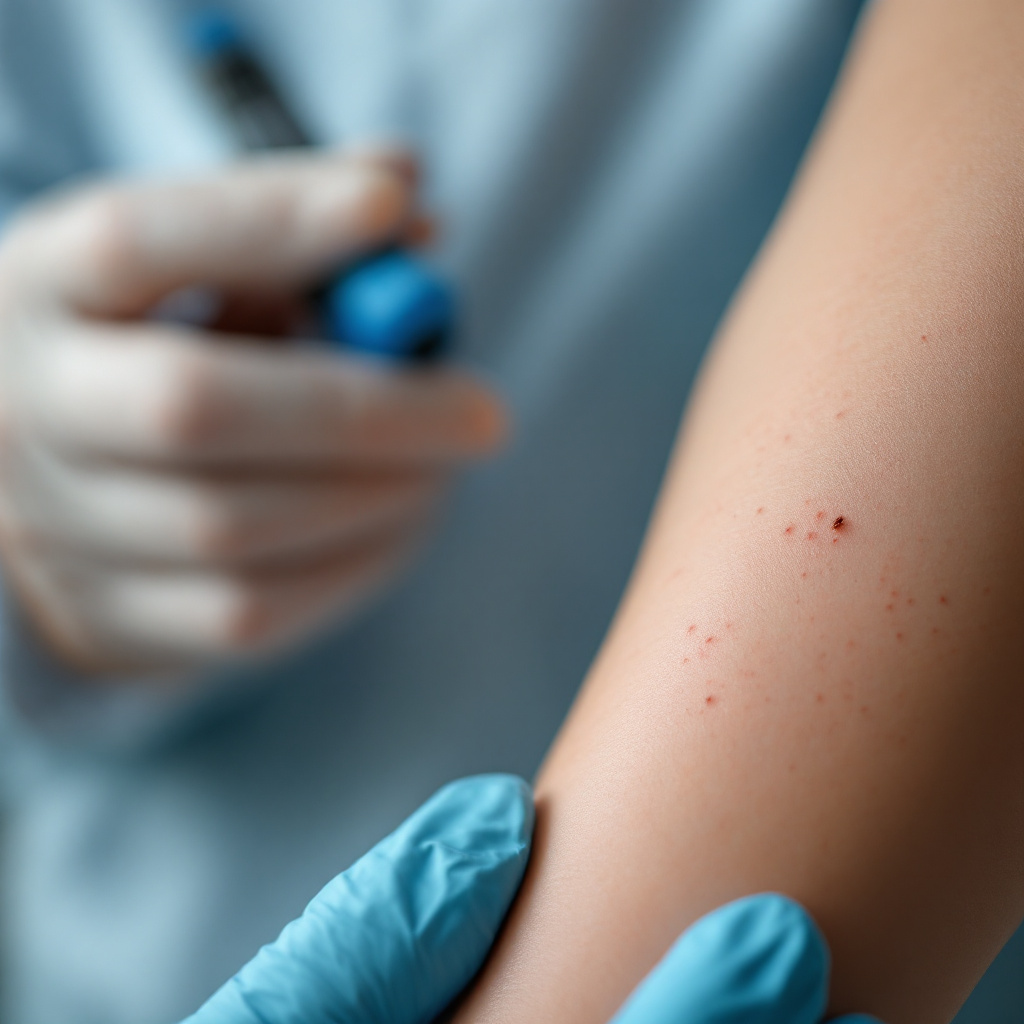
How to Identify Each Type of Bite
What are the hallmark features that let you tell bedbug bites from mosquito bites on your skin?
Bedbug bites usually appear as small, hard, swollen welts with severe itching, often in clusters or lines, while mosquito bites are isolated, soft, puffy bumps with immediate itching.
Knowing how to spot the difference between bedbug and mosquito bites is crucial for effective pest control and peace of mind. Bedbug bites are typically painless at first. Hours later, you may notice small, hard, white welts that become intensely itchy and inflamed, sometimes lasting for days. These welts often show up in clusters or straight lines, especially on areas exposed while sleeping—think arms, shoulders, back, or legs. In contrast, mosquito bites are soft, puffy, and appear as single, scattered bumps. The itching from a mosquito bite is almost immediate and usually less persistent.
A key clue: bedbug bites may leave behind faint blood stains or dark fecal spots on bedding, as well as shed skins or eggshells near hiding spots. You won’t see these environmental signs with mosquitoes. Mosquito bites, by contrast, rarely last more than a day or two unless scratched.
Sensitivity varies widely. Some people bitten by bedbugs show no reaction at all, while others develop intense itching and swelling. Mosquito bites, however, tend to cause similar reactions in most people. This means that if only one person in a shared bed is affected, bedbugs are more likely the culprit.
If you’re unsure, look for additional evidence. Bedbugs leave behind fecal spots, eggshells, and shed skins around mattresses, box springs, and headboards. Mosquitoes do not. In Quebec, bedbug bites are “often numerous on the skin” and found mostly on “parts of the body not covered when sleeping,” while mosquito bites can occur anywhere, anytime.
For persistent or severe reactions, or if you suspect an infestation, consult a bed bug exterminator for inspection.
Table: Bedbug vs Mosquito Bite Features
| Feature | Bedbug Bite | Mosquito Bite |
|---|---|---|
| Initial Sensation | Painless, delayed reaction | Immediate itching, mild pain |
| Appearance | Hard, white, swollen welt; clusters/lines | Soft, puffy, red bump; random distribution |
| Itchiness | Severe, lasts hours to days | Intense, usually short-lived |
| Pattern | Often grouped or linear | Scattered, isolated |
| Location | Exposed skin during sleep | Any exposed skin, any time |
| Environmental Clues | Fecal spots, eggshells, shed skins nearby | None |
| Reaction Variability | High (many show no reaction) | Low (most react similarly) |
| Lasting Marks | May persist for days | Usually resolves quickly |
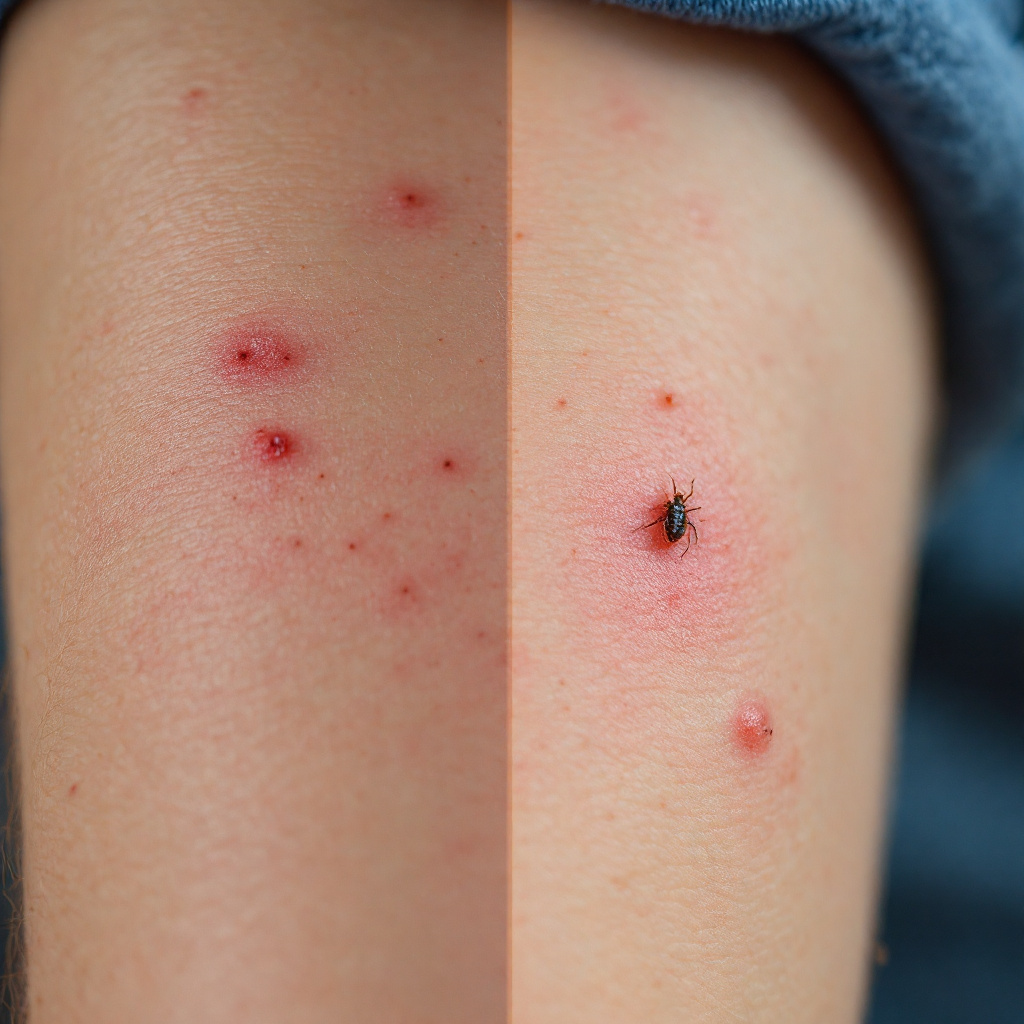
When to Seek Professional Help or Medical Attention
What symptoms or situations after a bite require medical or professional intervention?
Seek medical help if you have severe allergic reactions, persistent or worsening skin symptoms, signs of infection, or significant mental health impacts following bedbug or mosquito bites.
Recognizing when a bite warrants more than home care is crucial. Most bedbug and mosquito bites cause mild, self-limited symptoms. However, certain warning signs demand prompt attention. Severe allergic reactions—such as widespread hives, difficulty breathing, or facial swelling—require immediate medical evaluation. While rare, these reactions can occur with both bedbug and mosquito bites, especially in sensitized individuals.
If your skin reaction is extremely uncomfortable, develops into large blisters, or shows signs of infection (increasing redness, warmth, pus, or fever), consult your healthcare provider. According to official Canadian health guidance, “in rare cases, some people may have severe allergic reactions” to bedbug bites, and persistent itching or significant skin changes are valid reasons to seek help. Similarly, Gouvernement du Québec recommends medical attention for “significant skin reactions” or if itching becomes “extremely uncomfortable.”
Mental health impacts are another overlooked but important reason to seek professional support. Bedbug infestations can trigger anxiety, insomnia, and emotional distress. If you notice sleep loss, persistent worry, or declining mental well-being, reach out to a healthcare provider.
For persistent or unclear skin reactions, especially if you’re unsure whether the bites are from bedbugs, mosquitoes, or another cause, a medical professional can help differentiate and guide next steps. Misdiagnosis is common; for example, carpet beetle dermatitis can mimic bedbug bites, and only a thorough inspection can confirm the true source.
Table: When to Seek Medical or Professional Help
| Symptom/Scenario | Action Needed | Source/Evidence |
|---|---|---|
| Severe allergic reaction | Immediate medical attention | Severe allergic reactions |
| Signs of infection (pus, fever) | See healthcare provider | Infection risk |
| Persistent/worsening skin lesions | Medical evaluation | Persistent symptoms |
| Severe itching or discomfort | Medical advice | Extreme discomfort |
| Mental health impacts | Mental health professional support | Anxiety/insomnia |
| Unsure of bite origin | Medical or pest control assessment | Misidentification issues |
Most people experience only mild, itchy welts—72% in a large North American survey—but up to 30% show no reaction at all. Elderly individuals are less likely to react, so lack of visible bites does not rule out infestation or exposure.
It’s a misconception that all bites need urgent treatment or that you can always tell the cause by appearance alone. Expert pest control professionals and entomologists stress that “we never want to use bites to definitively identify a problem”. If you’re unsure, err on the side of caution and consult a medical professional.
Conclusion
Distinguishing between bedbug bites and mosquito bites is crucial for effective management and peace of mind. Bedbug bites typically present as clusters or lines of small, hard, swollen welts—often with a central punctum—on skin exposed during sleep. These bites may take several days to appear and can vary widely in how individuals react, with some people showing no visible marks at all. In contrast, mosquito bites are usually isolated, round, and puffy, with immediate itching and swelling that develops within minutes to an hour after the bite. Mosquito bites can occur on any exposed skin at any time of day, while bedbug bites are more likely to occur at night and are often accompanied by environmental clues such as fecal spots or shed skins near sleeping areas.
The most significant findings highlight that the pattern, timing, and associated evidence are key to telling these bites apart. Bedbug bites often appear in grouped or linear patterns and may be accompanied by signs of infestation in the environment, whereas mosquito bites are random and rarely leave behind such clues. Importantly, up to 30–90% of people may not react to bedbug bites, especially the elderly, making environmental evidence and professional inspection critical in cases of uncertainty. Severe allergic reactions, persistent skin symptoms, or mental health impacts warrant prompt medical attention.
For readers, the implications are clear: closely observe the pattern and timing of bites, check for environmental signs, and consider professional pest control if bedbugs are suspected. Remember, not all bites can be definitively identified by appearance alone, and misdiagnosis is common. When in doubt, consult a healthcare provider or pest control professional for accurate diagnosis and guidance. Ongoing vigilance and prompt action are key to minimizing health impacts and preventing further infestations.
Frequently Asked Questions (FAQ)
How can I tell if my bites are from bedbugs or mosquitoes?
The most reliable way to differentiate is by examining the pattern, timing, and associated signs. Bedbug bites usually appear in clusters or straight lines, often on skin exposed while sleeping, and may take several days to show up. They can be intensely itchy and sometimes have a central punctum. Mosquito bites, on the other hand, are typically isolated, round, and puffy, with immediate itching and swelling that develops within minutes to an hour after the bite. Also, check your sleeping area for bedbug evidence like fecal spots, eggs, or shed skins—mosquitoes do not leave these clues.
Why do some people not react to bedbug bites at all?
Sensitivity to bedbug bites varies greatly. Studies show that 30–90% of people, especially older adults, may not develop any visible reaction to bedbug bites. This means you could be bitten and not notice any marks or symptoms, making environmental clues and professional inspection even more important if you suspect bedbugs.
Can bedbug bites and mosquito bites look the same?
Yes, there can be overlap in appearance, especially if the bites are scratched or if the person has a strong allergic reaction. Both can cause red, itchy bumps. However, bedbug bites are more likely to appear in clusters or lines and may be accompanied by environmental evidence. Mosquito bites are usually random and isolated. If you’re unsure, consider the timing, location, and look for other signs of infestation.
What should I do if I’m unsure whether my bites are from bedbugs or mosquitoes?
If you’re uncertain, start by checking your sleeping area for signs of bedbugs—look for dark fecal spots, eggs, or shed skins near your mattress and headboard. If these are present, bedbugs are likely the culprit. If no evidence is found and the bites are isolated and appear quickly after being outdoors, mosquitoes are more probable. For persistent or unclear cases, consult a healthcare provider or a pest control professional for a thorough assessment.
When should I seek medical attention for insect bites?
Seek immediate medical care if you experience severe allergic reactions such as difficulty breathing, facial swelling, or widespread hives. You should also consult a healthcare provider if you develop signs of infection (increasing redness, warmth, pus, or fever), if skin lesions persist or worsen, or if the itching becomes extremely uncomfortable. Mental health impacts, such as anxiety or insomnia due to bedbug infestations, also warrant professional support.
Are there any misconceptions about identifying bedbug or mosquito bites?
Absolutely. A common myth is that “bites in threes” always mean bedbugs, but this is not a strict rule—bedbugs may bite in lines due to their feeding behavior, but patterns can vary. Another misconception is that you can always tell the cause of a bite by its appearance alone. In reality, misdiagnosis is common, and environmental evidence or professional inspection is often needed for confirmation. Always err on the side of caution and seek expert advice if you’re unsure.