
Introduction
For restaurant or food business owners in Quebec, few things are more stressful than an upcoming MAPAQ inspection. The presence of cockroaches—especially German cockroaches (commonly referred to as kitchen cockroaches)—can lead to temporary or permanent closure, hefty fines, and most critically, a loss of customer trust. In this context, knowing how to protect your food business from cockroach infestations before an inspection is both a regulatory requirement and a matter of business survival.
Here’s a detailed guide to understanding cockroach behaviour, spotting signs of their presence, and taking action before a MAPAQ inspector walks through your door.
Understanding the Risk: Cockroaches in the Food Industry
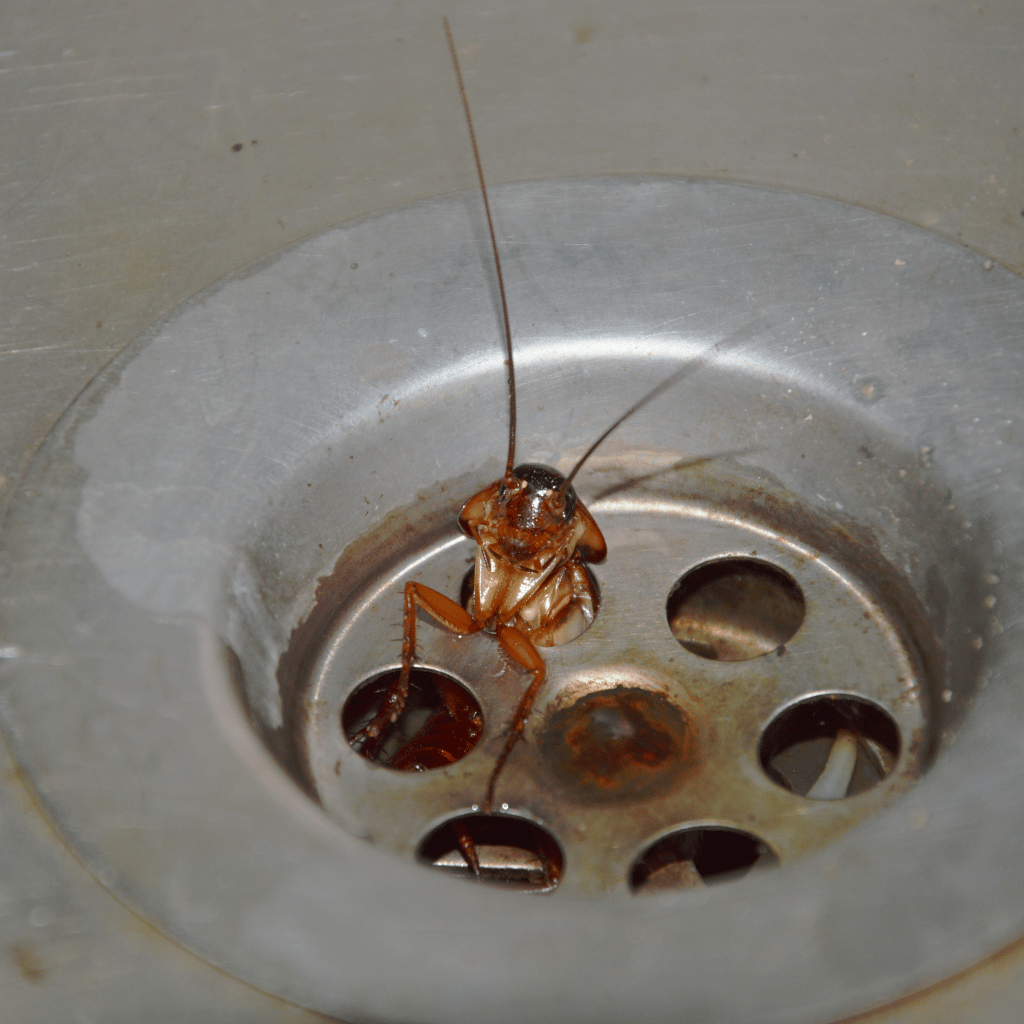
The German cockroach (Blattella germanica) is the most common species found in restaurants, commercial kitchens, grocery stores, and convenience stores across Quebec. They reproduce rapidly, hide in warm, humid areas, and can contaminate food through droppings, saliva, or even their decaying bodies.
Why are they so problematic in food settings?
- They carry bacteria like Salmonella and E. coli.
- Their presence alone constitutes a health code violation during an inspection.
- Infestations grow rapidly: a single female can produce up to 300 offspring in a few months.
- Word of mouth, online complaints, and public reports can severely damage your reputation.
How Cockroaches Get into a Business
Cockroaches are opportunistic and can enter a facility in multiple ways:
- Through food delivery boxes (especially corrugated cardboard).
- Inside used equipment (fridges, coffee machines, microwaves, etc.).
- From adjacent infested units (neighbouring stores, apartments).
- Via cracks in walls, plumbing gaps, or air vents.
Once inside, they hide in hard-to-reach places: appliance motors, wall crevices, under sinks, hollow floors, etc.
Signs of Activity in Your Establishment
Watch for these signs—especially at night:
- Small black droppings that look like coffee grounds near walls or equipment.
- Egg capsules (oothecae) in corners, cracks, or behind appliances.
- Adult cockroaches visible when lights are turned on suddenly.
- Persistent, oily, unpleasant odour in infested areas.
Even one sign warrants immediate action.
Preventive Measures Before the Inspection
1. Thorough Sanitation
- Clean behind all appliances (fridges, ovens, ice machines).
- Sanitize floor drains using specialized enzymatic products.
- Eliminate crumbs, grease residues, and sugary splashes—even invisible ones.
- Never store open bags of flour, rice, or sugar directly on the floor.
2. Sealing Entry Points
- Seal gaps around plumbing, gas lines, and electrical outlets.
- Install door sweeps and weather stripping wherever air passes through.
- Use metal mesh screens to cover air vents.
3. Strict Waste Management
- Use sealed containers for indoor trash.
- Empty bins several times a day and clean them regularly.
- Restrict access to garbage bags and avoid piling them in the kitchen or storage area.
4. Eliminate Hiding Spots
- Repair damaged flooring, loose joints, and broken baseboards.
- Declutter under sinks, in storage areas, and service cupboards.
5. Proper Storage
- Avoid using corrugated cardboard boxes—they’re ideal for egg-laying.
- Store all goods at least 15 cm (6 inches) off the floor, per MAPAQ standards.
Corrective Actions if Infested
1. Call a Certified Exterminator Immediately
A pest control expert can identify active zones and apply safe treatments suited to your facility type (food areas, storage, service zones).
2. Targeted Gel Treatment
Professionals often use insecticidal gel (like hydramethylnon or fipronil), which is safe in food areas when applied properly in cracks and crevices.
3. Post-Treatment Follow-up
A second visit is usually recommended 2 to 3 weeks after the initial treatment to disrupt the reproductive cycle.
4. Treatment Log
Maintain a logbook documenting all interventions, treatments, findings, and corrective measures. This is highly valuable during inspections.
The Inspection and Its Consequences
During a MAPAQ inspection, even a minor presence of cockroaches is considered a major violation. Potential consequences include:
- Warning or non-compliance notice with required corrective deadlines.
- Immediate temporary closure if the infestation is severe.
- Public posting on the MAPAQ website if closure is ordered (with business name and address).
- Fines and possible suspension of the food license.
A documented prevention plan, top-tier hygiene, and a pest control contract with a licensed firm can go a long way in protecting your business.
Long-Term Best Practices
- Set up a monthly maintenance plan with a certified pest control company.
- Train staff to recognize signs of infestation and act promptly.
- Integrate MAPAQ requirements into your internal procedures (checklists, control sheets, logs).
- Conduct internal audits simulating inspections to test compliance regularly.
Conclusion
Preventing cockroach infestations in a food business is more than a formality—it’s a core responsibility to your customers, employees, and your license. The earlier and more structured your response, the lower the risk.
During inspections, a clean, sealed, and well-documented facility stands the best chance of passing—even if an issue had previously arisen. Never take a cockroach presence lightly—it’s often just the tip of the iceberg.