
Fly stickers, a seemingly simple yet surprisingly effective solution, are a favorite tool in the fight against flies. These inexpensive and easy-to-use devices attract and trap flies, thereby helping to control their population in various environments. This article explores the effectiveness of fly stickers, offers tips on their optimal use, and examines the contexts in which they are most beneficial.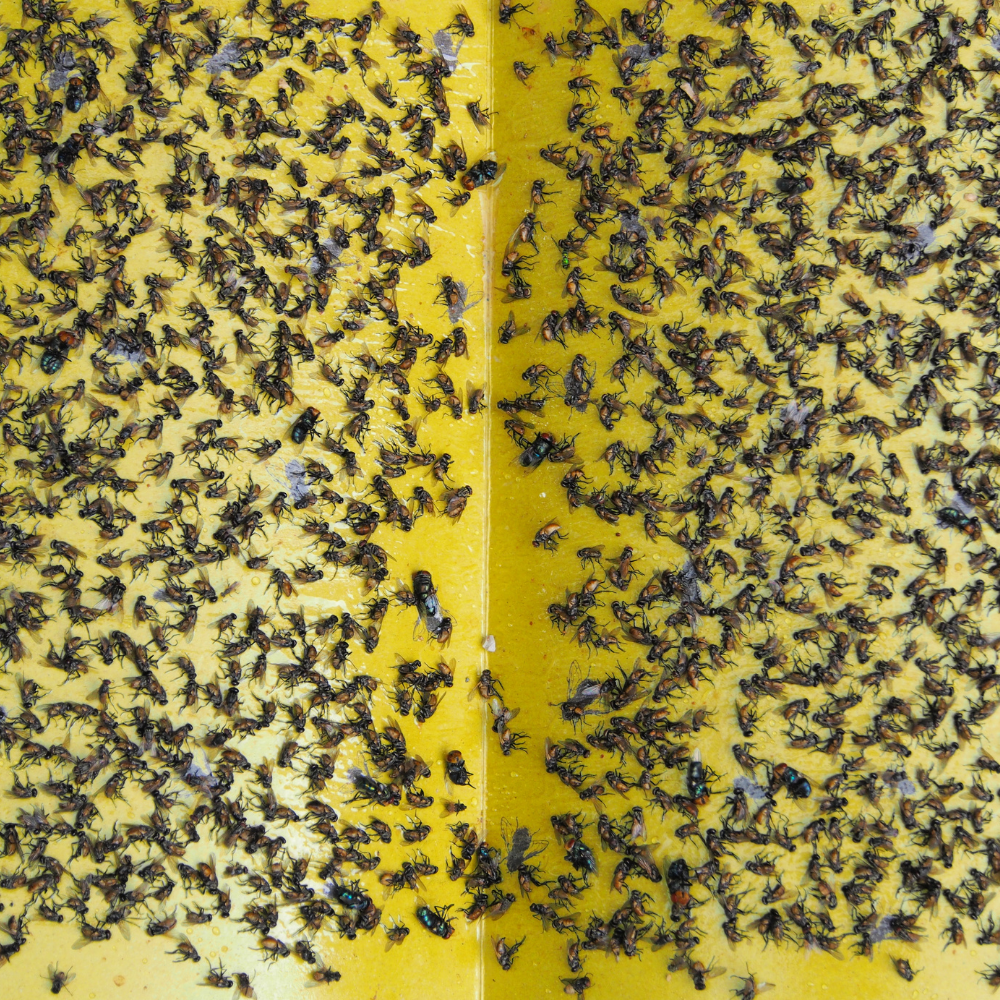
What is a fly sticker?
A fly sticker is essentially a strip of paper or plastic coated with an attractive adhesive and often impregnated with bait. When a fly lands on the sticky surface, it remains trapped, unable to fly away. Available in various shapes and sizes, fly stickers are designed to be hung or placed in areas where fly activity is frequent. For other prevention methods, feel free to visit the Government of Canada page.
Evaluating the effectiveness of fly stickers
Fly stickers are known for their great ability to attract and capture flies. These devices are particularly effective in areas where flies are numerous but the use of pesticides is undesirable or impractical. Compared to other fly control methods, stickers are non-toxic, economical, and easy to use, although they require regular replacement to maintain their effectiveness.
Tips for properly using fly stickers
To maximize the effectiveness of fly stickers, follow these tips:
– Strategic placement: Install the stickers in places where flies are frequently observed, such as windows, doors, near garbage cans, and other areas of high activity.
– Optimal height: Stickers should be placed at a height where flies tend to fly, generally between 1.5 and 2.5 meters off the ground.
– Avoid air currents: Areas exposed to strong air currents can divert flies away from the stickers. Choose protected locations for increased effectiveness.
– Regular replacement: Replace the stickers as soon as they are covered with flies or dust, which can reduce their effectiveness.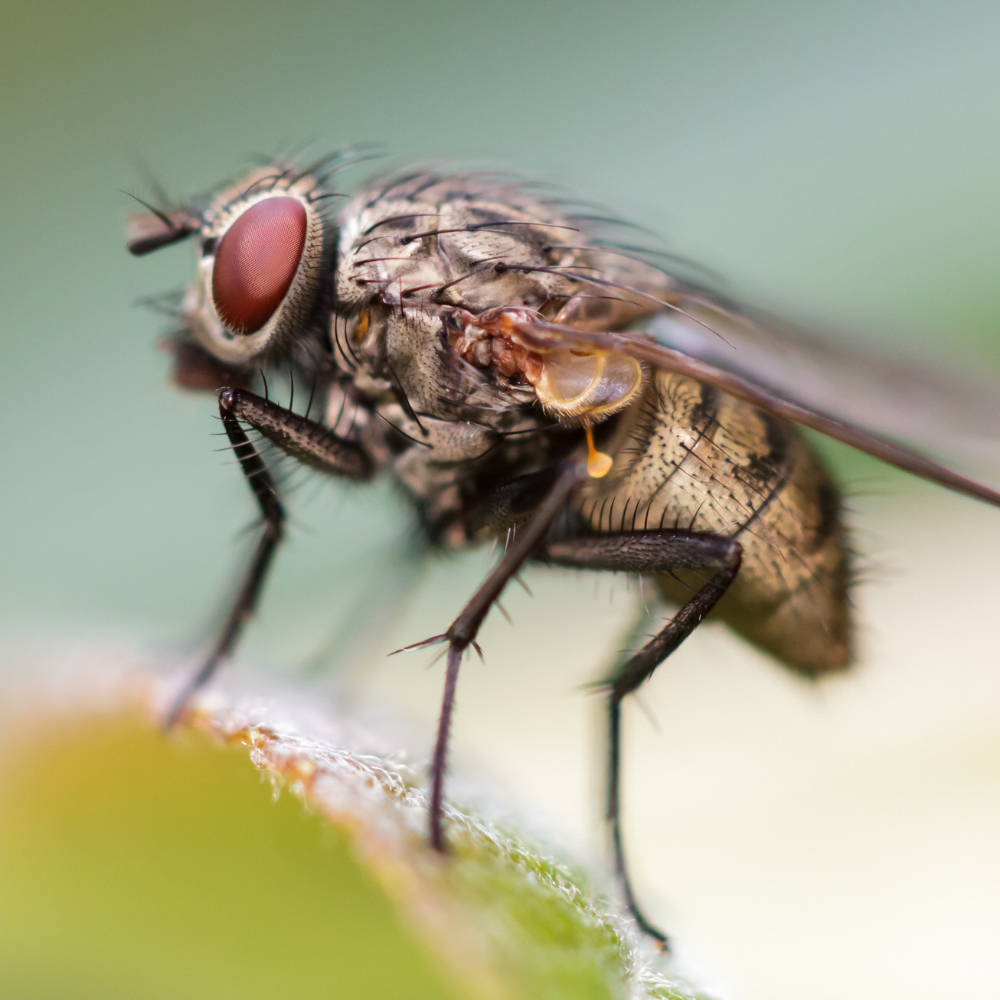
Contexts where fly stickers are most useful
Fly stickers are particularly effective in several specific environments:
– Residences: In homes, stickers can be placed in kitchens, dining rooms, and near garbage areas where flies tend to gather.
– Commercial establishments: In restaurants, cafes, and food stores, stickers are useful for keeping food preparation and storage areas free of flies without the use of chemical pesticides.
– Agricultural operations: In barns and stables, where the use of pesticides can be problematic near animals or animal feed, stickers offer a safe and effective alternative.
– Waste management areas: Composting sites and waste storage areas can greatly benefit from the use of stickers to control fly populations without disturbing the environment.
Advantages and Limitations
Advantages
- Safety: Fly stickers do not contain toxic chemicals, making them safe for use in homes with children and pets.
- Ease of use: They are simple to install and maintain, requiring little technical knowledge or active maintenance.
- Cost-effectiveness: They are generally less expensive than other fly control methods, such as electric insecticides or fogging systems.
Limitations
- Aesthetics: Fly stickers can be visually unappealing, especially when they are full of captured insects.
- Limited application: They do not address the underlying causes of the infestation, such as sources of food and breeding for flies.
- Need for frequent replacement: They must be replaced regularly to remain effective, which can increase the cost and effort in the long term in areas with high infestations.
When to call professionals
Although fly stickers are effective for daily fly control, more severe infestations may require a professional approach. If flies continue to be a problem despite regular use of stickers, it may be necessary to consult a pest management expert. Professionals can offer more robust and lasting solutions, such as specialized insecticide treatments or structural modifications to eliminate infestation sources.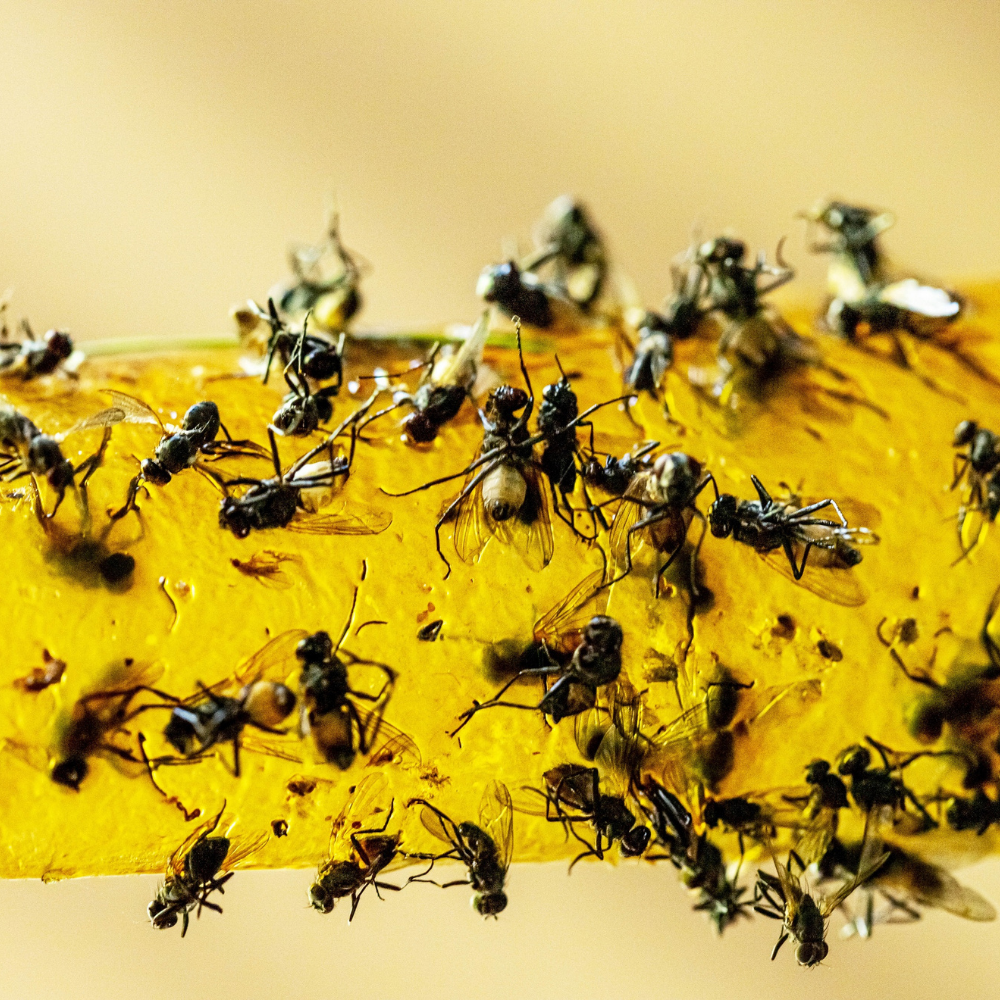
When to call professionals
Although fly stickers are effective for daily fly control, more severe infestations may require a professional approach. If flies continue to be a problem despite regular use of stickers, it may be necessary to consult a pest management expert. Professionals can offer more robust and lasting solutions, such as specialized insecticide treatments or structural modifications to eliminate infestation sources.
Conclusion
Fly stickers are a useful tool in the fight against flies, offering a simple and economical method to reduce their presence. However, for more extensive or persistent infestations, more comprehensive solutions may be necessary. By adopting a proactive approach and using fly stickers wisely, you can maintain a more comfortable and hygienic environment. For personalized advice or professional assistance, do not hesitate to contact us and check out our services.