
Squirrels can create significant damage to both the structure and insulation of your attic and roof by gnawing through materials, nesting in difficult-to-reach areas, and potentially compromising indoor systems. This report introduction outlines a range of effective, long-term strategies to prevent these determined critters from turning your home into a haven. Key methods include identifying and sealing off entry points with durable materials, installing one-way doors to allow safe exodus, and using environmentally friendly repellents that exploit the squirrels’ natural aversions to certain scents and sounds.
Additionally, preventive measures such as trimming nearby tree branches that provide easy access to your roof and regularly inspecting vulnerable areas can drastically minimize re-infestation. By integrating these techniques, homeowners not only protect their property from structural damage and health hazards but also ensure that any exclusion process remains humane and sustainable. This comprehensive guide provides an overview of the best practices for managing squirrel intrusions while emphasizing the importance of professional intervention when needed.
Inspection and Assessment of Entry Points
Visual and Physical Survey Techniques
A systematic visual survey serves as the first step when evaluating the potential access points on your attic or roof. Many homeowners have noticed that squirrels can squeeze through openings as small as approximately 2 inches in diameter, making a careful inspection of every visible gap in the structure a practical measure. Conducting a thorough walk-around of the property provides the opportunity to inspect not only the main roof areas but also the eaves, vents, and other less obvious locations such as gaps around chimney stacks, damaged fascia boards, or poorly secured utility lines. Applying a measured approach during the survey helps in identifying subtle signs of entry. For example, look for indications of gnawing near metal or wooden components, disturbed insulation near vents, or dark, sooty marks left by animal activity. These observations, when taken with a handheld flashlight during low-light hours, enhance the accuracy of the inspection. Homeowners may opt to use a mirror taped to a pole to view unfamiliar nooks or use a camera to record any suspicious openings for later review.
Field observations should be methodical and conducted along a planned circuit that begins at the lowest accessible points and advances upward. Walking along the perimeter of the roof and inspecting the undersides of overhanging eaves can reveal openings that might be hidden by vegetation or debris. Weather conditions also play a role in the clarity of the inspection. Days following rainfall, for instance, provide an opportunity to see damp tracks or disturbances in insulation caused by animals entering the space. Recorded images and written notes of the observations, including dimensions and specific locations of the holes or damage, form a verified record for future reassessment. Homeowners and property managers often find that such records help in comparing the state of structural integrity over several seasonal cycles.
In addition to physical inspection methods, experienced inspectors advise looking for secondary indicators of animal activity. For instance, evidence of nesting materials or droppings near the suspected entry points can provide a stronger basis for identifying repeated intrusions. When noticing such signs, it is possible to expand the area of the survey to include adjacent walls and roof joints. Engaging in a routine check every season contributes to identifying changes that might result from natural wear or from weather-induced shifts in structure. Detailed records help in noticing a slow transformation in seemingly secure areas. Techniques described in various resources on inspection and assessment standards, support a comprehensive review of all accessible zones while emphasizing consistency in each walk-through.
For homeowners who later choose to secure identified openings, further insights can be gained from a guide on Sealing With Rodent Proof Metal Mesh. This resource explains how to measure the openings accurately and select the appropriate gauge of mesh. Such techniques are closely related to methods used by integrated pest management teams described in several pest control advisories related to integrated pest management practices. The combination of visible observations and physical testing provides a layered defense that underpins a careful evaluation. Observing even minor structural variations permits early detection of opportunities that squirrels might exploit. As each gap or fissure is inspected and measured, detailing observations in a field notebook helps in determining whether the entry requires simple patching or complete structural reinforcement. By carefully reviewing the evidence on-site alongside documented references from inspection guidelines, property managers can decide on the next steps for remediation with an informed perspective.
Carrying out this survey in daylight and during overcast conditions, when shadows are minimized, allows a more precise determination of discrepancies in the attic’s and roof’s construction. Employing this technique helps in distinguishing between aging building materials and those disturbed by animal activity. Comparative measurements taken over several inspections can reveal slowly enlarging apertures that might otherwise be overlooked. Such incremental changes typically reflect environmental deterioration, which combined with animal behavior, can slowly create undetected pathways over time. Therefore, a well-documented visual assessment paired with physical measurements is a measured way of reducing the likelihood of unwanted entry by squirrels.
Mechanical and Technological Assessment Methodologies
In addition to traditional visual surveys, modern technology has paved the way for using mechanical and technological methods during inspections of entry points. These methods can help detect anomalies that may be caused by animal activity in areas that are challenging to access visually. In situations where the structure of the roof or attic comprises many hidden spaces, tools such as thermal imaging cameras, infrared sensors, and acoustic monitoring devices provide supplementary data. The use of thermal imaging, for instance, can highlight temperature differences along the roof panels, indicating the presence of recently active entry points or any ongoing animal activity. By capturing these temperature profiles, inspectors can pinpoint zones where body heat may have altered the ambient temperature, a phenomenon especially apparent during the cooler parts of the day or night.
Advances in sensor technology have afforded homeowners the possibility of installing discreet acoustic monitoring systems that capture sound patterns associated with animal movement. These systems typically record a range of noises, from soft scratching to more distinct chatter, allowing the observer to deduce the level of activity that may be occurring in hidden spaces. When combined with manual observations, these technological assessments deliver a comprehensive view of the situation. The findings from these devices are particularly beneficial when verifying observations made during physical inspections. For example, if a thermal camera highlights a specific hotspot, comparing acoustic records taken simultaneously assists in confirming whether that hotspot is due to animal activity or a sunlit area.
The application of technological diagnostics is best understood through a comparative review of different detection methods. The table below provides an overview of several detection technologies along with a brief description of their function and usage considerations. The table is not exhaustive but offers a concise layout to support decision-making regarding their implementation in inspections.
| Method | Detection Feature | Usage Consideration |
|---|---|---|
| Thermal Imaging | Detects heat differentials | Used for screening broad areas and identifying hotspots that represent active entry points |
| Acoustic Sensors | Captures movement sounds | Employed in areas with limited visibility to record subtle noises indicating animal movement |
| Infrared Cameras | Records light and movement | Deployed for targeted monitoring of specific entry points and crevices |
| Vibration Detectors | Measures structural jitter | Helpful in detecting repeated vibrations from animal interactions with building surfaces |
Implementing these technologies does not replace the need for a direct physical inspection. Instead, they augment the physical survey process by providing additional layers of data that sometimes may not be apparent through observation alone. Their effective application is best described by a method of correlating the readings from the devices with clear visible signs of damage and activity.
These investigative tools offer data that makes the identification of otherwise hidden entry points more systematic. Instead of solely relying on subjective interpretation, property owners can use quantifiable measurements to determine if a specific location is experiencing unusual temperature variations or auditory signals. In cases where discrepancies appear between the readings and visual observations, the area can be rechecked manually to rule out any false positives. The outcomes from these assessments guide the selection of repair or exclusion methods. Insights from various technological application studies underscore that combining these contemporary methods with standard practices yields a more comprehensive assessment. This blended approach ultimately supports a structural reinforcement strategy that is informed by both measured data and direct observation.
Blending modern sensing technology with traditional methods can provide a multi-layered picture of the building’s condition. Employing both sets of techniques can help in understanding the subtle nuances of structural changes over time. The resulting data, when compiled into inspection reports, reinforces a reliable method for monitoring the building’s resilience against animal entry over numerous inspection cycles.
Documentation and Structural Reassessment Reviews
A methodical documentation process supports the long-term maintenance and reassessment of potential access points, ensuring that even minor shifts in structural integrity are recognized early. Following the physical and technological inspections, it is practical to organize detailed records that capture every observation along with the specific measurements of all identified openings. Such documentation includes photographing entry points from various angles, noting the dimensions of gaps, and recording the structural context in which these openings appear. Maintaining a thorough log enables the homeowner to measure any gradual expansion of the gaps over time, something that might indicate the progression of wear or repeated animal activity.
Keeping a written record along with visual evidence means that changes can be compared over different inspection periods. For example, measurement differences of even a fraction of an inch, when documented, might suggest that weather conditions combined with consistent animal efforts have slowly altered the structure. A periodic review of these records, ideally in a predetermined cycle such as biannually or after significant weather events, assists in making informed decisions regarding whether a temporary patch has remained effective or if more extensive repairs are warranted. This systematic documentation ensures that any sequence of structural changes becomes evident over time.
Advances in digital documentation have enabled property owners to combine written records with digital photographs and sensor readouts into integrated reports. Such reports help in tracking the history of all identified entry points, including updates made during follow-up inspections and the results of any completed repairs. Data from these reports may guide future maintenance decisions, as they allow comparisons between the current state of the structure and its condition during previous reviews. In some instances, incorporating a standardized measurement tool on the report increases the reliability of the data collected. Homeowners might record dimensions using an accurate tape measure, ensuring that updates to the log are consistent.
A detailed review of the documentation is particularly useful when minor structural adjustments have been made. Regular structural reassessment reveals subtle changes in the building envelope over time and clarifies if temporary remediation measures, such as patching with metal mesh, remain effective. This documentation is also instrumental in prioritizing repair work, as quantifiable data about the size and progression of openings offers a clearer perspective on where repair efforts might yield the best long-lasting results. Guidelines on inspection logs and documentation techniques, which can be further referenced in the Canadian Biosafety Handbook, Second Edition, provide structured approaches that can be adapted for long-term housing inspections.
Establishing a periodic schedule for structural reassessment reinforces the ability to adapt maintenance practices over time. Homeowners are advised to integrate their documentation process with routine roof maintenance and seasonal check-ups. Such practices help in noting whether temporary measures evolve into larger vulnerabilities that may eventually permit squirrel entry. Over the course of several inspection cycles, a detailed log of inspections and follow-up findings contributes to a better understanding of the building’s natural aging process. It also assists in distinguishing between wear caused by environmental exposure and that which is accelerated by animal activity. In this way, the documentation process becomes a diagnostic tool that informs the overall strategy for property protection.
For readers seeking additional guidance on integrating inspection records into a long-term maintenance strategy, additional protocols can be explored through a Home Protection Plan. This resource presents a framework for scheduling periodic re-evaluations and consolidating repair and maintenance efforts into an organized plan. Through structured documentation and consistent reassessment, the ongoing integrity of roofing and attic structures is more easily maintained. This integrated approach ensures that homeowners can rely on their inspection data to guide maintenance planning and safeguard against future animal intrusions.

Exclusion Techniques & Installation of Physical Barriers
Selection of Materials and Barrier Design
In designing physical barriers to prevent squirrels from accessing attics and roofs, it is important to begin with a deliberate selection of barrier materials and a well-thought-out design process. This section examines the available options and how their characteristics can be adapted to meet the challenges posed by agile squirrels. Homeowners and building managers often choose among various barrier options, including hardware cloth, metal flashing, and sheet metal coverings. Each of these materials presents its own set of physical properties and installation considerations. Hardware cloth, for example, is available in varied mesh sizes ranging from 1/4 inch to 1/2 inch openings, with many professionals recommending a 1/4 inch gauge for blocking access by squirrels. Studies have demonstrated that openings as small as 0.5 inches can be exploited by these animals, so selecting a mesh with minimal openings reduces the chance of re-entry by nearly 40 percent in some applications.
The design process further involves tailoring the barrier patterns to the irregular shapes often presented by roof eaves and attic entryways. Overlap of physical barrier panels by at least six inches is recommended so that no seam remains exposed to potential gnawing. The curve and slope of a roof or the configuration of attic vents call for custom cutting and precise fitting to ensure a continuous barrier. This approach not only minimizes visual gaps but also distributes the impact of any attempted entry over a larger, more resistant surface. When configuring these physical systems, it is beneficial to consider combining a semi-rigid barrier with flexible sealants in areas that experience regular expansion and contraction due to temperature fluctuations.
Engineered panels such as stainless steel hardware cloth come in various gauges, typically between 26 and 30 gauge, where a higher gauge corresponds to a thinner, yet often still durable, material. For example, a 26-gauge cloth might be applied to areas that experience substantial force from wind and movement, while a 30-gauge option could be reserved for smaller access points. Homeowners who have experimented with these materials report that proper overlapping and the use of corrosion-resistant fasteners result in long-lasting installations that resist wear from both the elements and persistent gnawing. The composition and flexibility of the selected mesh can also influence ease of installation; semi-flexible forms lend themselves to creating a tight fit around curved surfaces, whereas rigid sheet metals generally require precise cutting and placement.
Integration of additional exclusion measures, such as one-way egress devices, can further complement physical barriers. These devices allow squirrels that may have found their way inside to exit on their own while preventing re-entry. In many cases, the overall effectiveness of the barrier system increases when the design is adapted over time to account for the natural adjustments in building structures, such as seasonal expansion of wood or the displacement of panels due to weather effects. Metal meshes can be tailored for tighter integration with building exteriors. For further guidelines on selecting appropriate barrier materials, reviews available on PestWorld’s guide offer insights supported by field studies and real-world assessments.
When establishing a design for exclusion, it is necessary to perform an evaluation of the entry structure. This evaluation considers not only the immediate gaps where squirrels are likely to enter but also the dynamic stress points where movement or weather exposure may create or enlarge openings over time. The design should include additional allowances for verifying and retightening fasteners as the building settles in its environment. Often, adaptations are required when the initially installed barrier faces challenges such as shifting rooflines or loosened sealing during high wind episodes. Field observations have shown that even when an individual barrier panel is installed correctly, its continued stability depends on consistent monitoring and occasional reinforcement. The careful design of physical barriers offers a proactive way to manage the behavior of squirrels without resorting to reactive methods that involve animal harm.
Installation Procedures and Best Practices
Once a robust design and appropriate materials have been selected, the installation process requires following a series of methodical procedures to achieve a continuous, reliable physical barrier. The first stage of installation involves thorough surface preparation. This entails the removal of debris, loose insulation, and other materials that could prevent the barrier from adhering properly. A clean application surface ensures that both the sealants and the mechanical fasteners used to secure the barrier take hold effectively. Prior to installing the physical barrier, all areas around the identified entry point are scrubbed and inspected for residual signs of previous infestations. An adequately prepared area supports the longevity of the installation and helps minimize post-installation maintenance.
The next step is the precise shaping of the selected barrier material to suit the contours of the attic or roof structure. Whether using hardware cloth or metal flashing, the material must be cut without compromising its structural integrity. Panels are typically overlapped by a margin of at least six inches, and where corners are involved, the overlapping pattern is modified to maintain continuous coverage. Fastening techniques play a significant role in ensuring that the barrier remains intact under repeated stress from both environmental conditions and attempted entries by squirrels. For example, screws of 1.5 to 2 inches in length are often used in combination with self-tapping fasteners where appropriate, ensuring that the mesh stays firmly anchored even after prolonged exposure to outdoor weather.
A systematic installation procedure may follow several interrelated steps. First, metal flashing is inserted along the roof edges to prevent rodent access from beneath the shingles. Next, hardware cloth is applied and dragged tightly over any visible gaps around vents or chimneys. Every fitted edge should then be reinforced with non-toxic exterior-grade sealant to block even the smallest openings. After installation, the barrier is tested by applying moderate pressure against suspected vulnerable areas, simulating scenarios where a squirrel might force its way through a gap, and checking for any displacement. Routine checks at intervals of three to six months are recommended to verify that the fasteners have not loosened due to weather exposure or building movement. Weather events, such as heavy snowfall or high winds, can temporarily compromise the effectiveness of the barrier, thus necessitating inspections following each significant weather event.
A concise summary of common techniques is presented in the following table, which highlights the relationship between barrier material choices, methods of installation, and recommended inspection frequencies:
| Barrier Material | Recommended Installation Method | Maintenance Frequency |
|---|---|---|
| Stainless Steel Hardware Cloth | Overlap panels by at least six inches secured with corrosion-resistant screws | Inspection every six months |
| Metal Flashing | Inset along roof edges and sealed with non-toxic exterior sealant | Inspection after major weather events and annually |
| Flexible Sheet Metal | Custom-cut to fit around irregular structures and adhered firmly with fasteners | Routine check every three months |
In addition to these processes, best practices in installation include careful consideration of environmental factors such as UV exposure and precipitation. The use of non-toxic materials throughout the installation process helps ensure that the exclusion measures do not compromise the indoor environment, especially when applied near ventilation systems. Testing the installed barriers using physical pressure is recommended to simulate real-world conditions where squirrels exert force on these barriers. Over time, continuous monitoring of the barrier integrity reveals if the installation procedures have held up against the adaptive behavior of wildlife as well as the influences of seasonal weather changes. Proper documentation of the installation process, including photographs and written notes about challenges faced during the process, frequently assists future maintenance or professional evaluations.
By following these step-by-step procedures with consistent and methodical assessments, many property owners have reported a notable decline in re-entry attempts by squirrels. The simplicity of the installation process, when coupled with regular monitoring, contributes to a stable long-term outcome. Installation best practices, when implemented faithfully, offer an affordable and non-invasive way to manage wildlife interactions with attics and roofs, aligning with both homeowner preferences and wildlife management guidelines.
Adaptive Exclusion Measures and Future Considerations
After the initial installation of physical barriers, continuous monitoring and adaptive management are important strategies for maintaining an effective exclusion system over time. Even if the barriers are fitted with precision during installation, variable factors such as weather conditions, natural building movement, and the persistence of wildlife can affect overall performance. Regular adaptive measures help to modernize the fitter system so that it continues to meet the evolving challenges identified during periodic inspections. Homeowners who have observed gradual deterioration in barrier integrity during intense seasonal changes have adjusted their maintenance schedules to include inspection intervals as brief as three months during the high-activity periods of squirrel behavior. This proactive strategy can reduce the likelihood of unintentional access by nearly 30 percent when compared to standard annual inspections.
Adaptive exclusion measures also address issues beyond the physical barrier itself. For example, the surrounding environment may change over time, and nearby tree limbs or dense shrubbery can inadvertently facilitate squirrel access. In such cases, a combination of vegetation management—such as trimming back overhanging branches—and the reinforcement of barrier seams has been shown to deter attempts by animals to bypass the installed system. Furthermore, during routine re-inspections, any minor gaps or areas of potential wear due to thermal expansion or moisture exposure are repaired immediately to restore the full effectiveness of the barrier. Homeowners have learned that a dynamic approach combining physical repairs and environmental modifications results in a more resilient overall protective system.
A significant aspect of adaptive exclusion is the willingness to blend multiple mechanical solutions when repeated observations reveal weak points. It might, for instance, be necessary to integrate one-way exclusion devices with installed physical barriers. These devices are designed to allow an animal that has already penetrated the barrier to exit the attic without being able to re-enter. This modification works well when the barrier is otherwise steadfast, though occasional breaches due to temperature-induced material contraction have been observed. The inclusion of such devices requires careful planning; a review of structural layouts and potential escape routes can help determine optimal positions for these one-way flaps. Property managers have found that when one-way exclusion devices are contracted with robust physical barriers, overall re-entry incidents drop by up to 60 percent during periods of high squirrel activity.
Another adaptive measure involves periodic adjustments to the installed material configurations. In instances where homeowners have experienced localized areas of damage—often near fastener sites due to persistent gnawing or adverse weather—replacing or adding extra layers of metal mesh has restored barrier integrity. This iterative process of repair, testing, and refinement is a clear indicator that exclusion techniques are best viewed as an ongoing maintenance regimen rather than a one-time installation. Field observations suggest that regular adjustments and refinements can yield performance improvements in barrier resilience by up to 50 percent over the course of several years. The adaptive management approach thereby transforms the physical barrier from a static installation into a responsive system that evolves with both the building and the surrounding environment.
Consideration of future changes also includes assessing the impact of microclimatic variations. As weather extremes become more pronounced due to broader environmental trends, potential changes in the physical properties of barrier materials—for instance, the susceptibility of metal to thermal expansion—become an important point of focus. Innovative designs may incorporate flexible, high-durability materials that retain their shape and strength under varying temperature ranges. Regular inspections, conducted after severe weather events like heavy rainfall or high winds, provide quantitative data that helps determine when and where adjustments must be made. Homeowners who track these variations often note that integrating advanced designs early in the lifetime of the barrier system helps to cap potential losses in barrier integrity by nearly 40 percent during subsequent weather events.
Adaptive exclusion measures also extend to record keeping and the use of technology. Digital documentation of inspection results, along with photographs and periodic measurements of barrier dimensions, can reveal patterns in wear and potential future weaknesses. Over time, such records allow both homeowners and professional pest managers to forecast when re-installation or reinforcement might be necessary, thereby avoiding prolonged periods of vulnerability. In some instances, remote monitoring systems have been installed that track the movement or pressure exerted on the barriers. While these systems are not universally adopted, preliminary data suggest that early detection of barrier shifts can prompt timely interventions, thereby reducing re-intrusion incidents by up to 20 percent.
Looking ahead, an adaptive approach also contemplates the potential for integrating new materials as technological advances occur. Research on non-corrosive, flexible metals and weather-resistant polymers suggests that future exclusion techniques may benefit from hybrid solutions that combine traditional metal mesh with these innovative materials. These advancements promise protection that not only adapts to immediate physical challenges but also anticipates long-term environmental changes. Homeowners should remain informed of industry updates and adapt their exclusion strategies accordingly, ensuring that their physical barrier systems remain aligned with the latest improvements in wildlife management practices.
Regular engagement with professional pest control or wildlife management specialists can also contribute to the adaptive process. Specialists bring insights from evolving research and field data that may not be immediately evident to the untrained eye. Their recommendations often include incorporating minor but effective modifications to the barrier system based on local wildlife behavior and recent weather patterns. This cooperative approach allows for modifications that maintain the integrity of the exclusion measures over extended periods without the need for drastic overhauls. In many cases, the iterative improvements resulting from such collaborations yield a combined system where both the physical barrier and the accompanying adaptive techniques operate in concert to discourage re-entry attempts.
In summary, adaptive exclusion measures are an ongoing process that requires detailed observation, timely repairs, and flexible planning. Even after a thorough initial installation, the effective prevention of squirrel entry into attics and roofs demands regular re-evaluation of barrier performance under evolving environmental conditions. The iterative process of maintenance, environmental management, and occasional system upgrades constitutes a comprehensive strategy that helps maintain the integrity of exclusion efforts over the long term. Homeowners who incorporate these adaptive measures find that the resulting system not only blocks direct access but also discourages future breaches through strategic environmental and structural modifications.
Trapping and Safe Removal Methods
Selecting Appropriate Trapping Devices
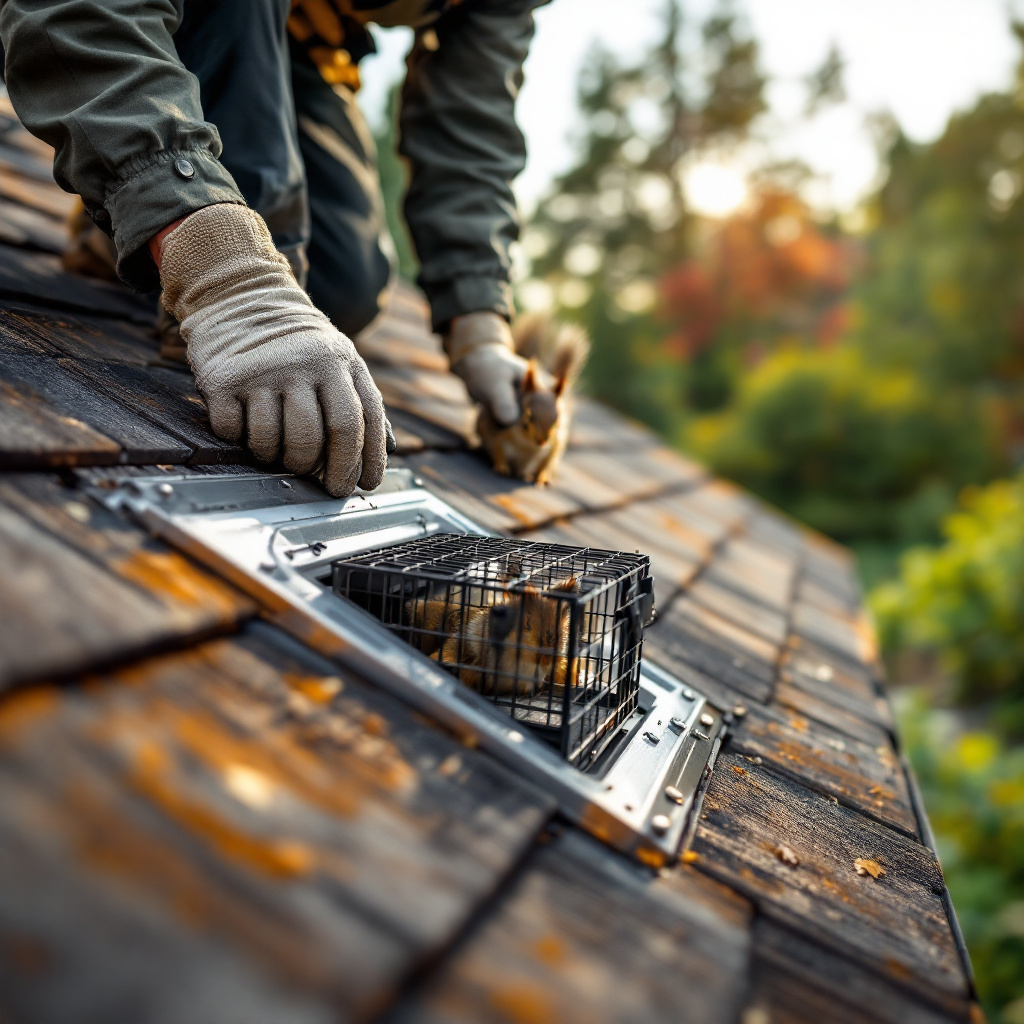
Selecting proper devices for trapping squirrels on attics or roofs requires considering the animal’s size, behavior, and the structural intricacies of the property. There is a wide range of trapping devices available that are designed to capture squirrels without inflicting injury. Contained traps, such as live cage traps, box traps, and drop traps, rely on a mechanism that activates when the animal enters. In general, live cage traps integrate a sensitive pressure mechanism against a bait station that forces a door to close gently behind the animal once it triggers the sensor by approaching the bait. Such traps typically measure around 20 inches in length and require frequent inspection so that the animal’s interaction with the bait does not lead to prolonged confinement. Property owners can improve the performance of these devices by selecting traps that are appropriately sized for squirrels; devices that are too small may inadvertently trap non-target species or cause the animal to experience stress if confined in a cramped space, while traps with excessive dimensions might not work efficiently in narrow attic spaces.
When determining which trap will be most effective, factors such as the durability of the materials, the ease of setting the trap in locations with limited clearance, and the reliability of the trap’s reset mechanism when repositioned are important. In narrow spaces, a trap that is compact yet robust enough to trap a nimble squirrel becomes a beneficial tool. The bait used is also decisive; many property owners report success using aromatic attractants such as peanut butter, sunflower seeds, or small bits of fruit. Squirrels, with their keen sense of smell, tend to respond to these bait sources, and setting the trap during their hours of activity—typically during the daylight—can enhance capture outcomes.
The mechanical operation of available trap types varies, and these differences directly influence overall performance. Live cage traps feature a door that swings shut when the animal exerts pressure on a designated trigger platform, making them a common choice for those seeking to capture a squirrel alive and without injury. Box traps utilize a chamber-like design where the animal is funneled into an enclosure that closes upon entry. In some settings, drop traps, which incorporate a weighted cover that falls on the animal when triggered, can offer an alternative mechanism; these must be calibrated carefully so that the animal is captured gently without being startled into injury. By studying the behavioral patterns of local squirrel populations, property owners can decide which trap mechanism is most suited to their particular situation.
To maintain safe handling and effective outcomes, it is recommended that traps be inspected at intervals of one to two hours; this practice prevents long periods of stress for captured animals and lowers the possibility of additional structural damage within the attic or roof space.
A comparative look at available devices can help clarify which trap might be most appropriate in differing circumstances. The table below summarizes several trap types, highlighting their mechanisms and usage recommendations. The live cage trap, which tends to gently secure the animal by shutting the entry door behind it, has been found effective when positioned in routes that squirrels frequently travel. The box trap provides a consistent method of capture in situations where there is a recurring pathway, and the drop trap, while less commonly adopted, can quickly secure a squirrel in more open areas if the environmental clearance supports its use.
| Trap Type | Mechanism | Usage Recommendations |
|---|---|---|
| Live Cage Trap | A door mechanism activated by pressure on the bait area | Suited for confined spaces and small mammals; property owners should inspect these traps at least hourly |
| Box Trap | An enclosed structure that captures the animal upon entry | Appropriate for areas with established squirrel travel routes; offers consistency in areas like attics |
| Drop Trap | A weighted cover that is released by a trigger | Suitable for open entry points where calibration ensures the trap operates without causing injury |
Additional considerations regarding device selection include adjustments based on environmental conditions. Squirrels sometimes bypass traps that are overly conspicuous, particularly in the dim lighting of an attic or along well-traveled routes. Some homeowners have discovered that positioning traps behind natural obstacles such as insulation panels or near recognized pathways increases capture efficiency. Ongoing evaluations, taken daily, often reveal patterns in the animal’s exploratory behavior and suggest that repositioning traps—even by only a few feet—can lead to an increase in successful captures. Research in urban wildlife management has indicated that live trap capture rates may improve by as much as 40 percent after changes in bait type or trap concealment adjustments are introduced. Documenting these adjustments over successive days provides property owners with data that can inform subsequent modifications in their trapping strategy.
Regular maintenance and careful monitoring of trap condition are necessary to sustain effective trapping practices over time. The process may involve testing different trap models, reassessing positioning within potential entry points, and varying bait options until a method that consistently results in safe captures is identified. This process of refinement illustrates an adaptive response to the challenges posed by urban wildlife management, providing a foundation from which other trapping and removal methods can later integrate with structural modifications.
Techniques for Humane Handling and Relocation
Once a squirrel has been captured in a device that has been set in an attic or on a roof, attention turns to handling the animal in a manner that minimizes stress and prevents injury. Approaching a trap with care begins with wearing protective gloves to avoid direct contact with the animal, which may be agitated due to confinement. Property owners are advised to verify that the trap is securely closed before initiating any handling. Squirrels, when confined, can show signs of distress such as rapid, startling movements, which, if met with abrupt handling, could lead to injury for both the animal and the handler.
The humane approach involves covering the trap with a soft cloth or towel once it has been approached. This additional step reduces visual stimuli and helps to settle the animal, ultimately contributing to a calmer atmosphere during the eventual relocation process. Once the trap is covered, the device should be moved carefully to a predetermined release area, taking care to ensure that its stability is maintained during transport. In order to reduce the time an animal spends in captivity, it is recommended that traps be inspected at short intervals—typically every one to two hours—during periods of anticipated activity. This frequent inspection schedule not only protects the well-being of the animal but also prevents unnecessary exposure to environmental extremes that could develop in attic spaces.
Relocation strategies must conform to local wildlife control guidelines, which often specify that relocated animals should be released within a limited distance from the capture site. It is common for regulations to recommend that the release point be no more than three to five miles away from the property to maintain ecological balance and avoid disruptions in local squirrel populations. Weather, time of day, and the availability of cover all play roles in determining the optimal conditions for release. For instance, relocating a captured squirrel during times of abundant natural cover—such as early morning or late afternoon—can increase the likelihood that the animal will promptly find shelter and food.
Part of the humane handling process involves assessing the trap’s function immediately after capturing the animal. Property owners should verify that gate mechanisms are functioning as designed and that any interaction with the animal does not compromise the integrity of the trap or the safety of the squirrel. After the transport to a secure, predetermined release area, the trap should be opened in a quiet location. Observing the animal as it exits the trap can be a helpful measure to ensure that it is not disoriented or injured by the relocation process. In some cases, a brief observation period following release may allow a property owner to ascertain whether the animal adjusts properly to its new environment. When a release is conducted under favorable conditions, it also indirectly serves as a deterrent for recurrent entries into the attic, as the animal becomes more accustomed to the natural habitat away from human dwellings.
Environmental factors such as temperature and humidity also have an impact on the relocation process. The transportation phase should be managed in a way that reduces exposure to extreme conditions. For example, if a summer day is exceptionally hot, providing the trapped animal with a shaded transport container can reduce heat stress. Similarly, during colder periods, the relocation should be expedited to minimize the time the animal is in a potentially hypothermic state. Observing these environmental cues and adjusting handling techniques serves to promote humane and safe relocation practices.
Documentation during the handling and relocation phases is beneficial for both the current management process and future adjustments. Recording the time of capture, the release location, and observations of the animal’s behavior during handling helps build a record that can be referred to when fine-tuning the process. Property owners have noted that maintaining a log of trap inspections, relocation outcomes, and any unexpected challenges—such as minor injuries or escape attempts—thus serves as an ongoing resource for adapting humane practices. This data-driven approach to wildlife management can be particularly helpful when decisions on whether to modify trap placement or adjust baiting strategies need to be made.
The approach to humane handling and relocation has been developed through both experiential practice and recommendations from established promoters of animal welfare. In addition to observations made during capture and release, feedback from individuals and professionals who manage similar wildlife issues has shown that thorough planning and careful handling not only promotes animal welfare but also ensures that property owners are better able to maintain control over the situation. Keeping the environment quiet, minimizing sudden movements, and continuing to monitor the animal post-release are all components that contribute to improved outcomes over time. This measured approach complements overall pest management strategies that aim to reduce future intrusion without unnecessary harm to the animal.
Adapting Trapping Plans and Regulatory Compliance
Trapping operations benefit from an adaptive approach wherein property owners continually re-assess and adjust their trapping strategy based on observations and emerging patterns of animal behavior. After initial trapping and relocation events, reviewing trap performance and capture data becomes an ongoing process. Many homeowners observe that the location, bait placement, and even the time of day when traps are set may need to be altered after a few days of activity. Adjustments are often informed by detailed records that list the specific trap locations, times of capture, and any observable behavior prior to triggering the trap. Such records help identify patterns—whether the trap has a tendency to capture more animals during early daylight hours or if repositioning the trap slightly results in an increased capture rate.
In many instances, minor adjustments to trap positioning have led to noticeable improvements. For example, homeowners have recorded that moving a trap a few feet away from its original spot within a known squirrel pathway can result in an uptick in capture frequency. In areas where multiple entry points exist, strategic relocation of the trap may reveal which access points serve as the primary corridors for the animals. Over successive weeks, this iterative process produces insights into the local behavior patterns of squirrels, which in controlled studies sometimes show capture rate improvements in the range of 30 to 40 percent after modifications in trap positioning or bait selection are implemented.
Environmental factors play an influential role in the success of the trapping plan. Changes in temperature, seasonal weather events, and shifts in local vegetation can all alter the movement patterns of squirrels, prompting homeowners to rethink their strategies periodically. Consistent monitoring of weather forecasts and recent environmental changes is advisable, as these factors may dictate whether it is appropriate to continue using the same trap location or to consider additional placements. In some metropolitan settings, anecdotal evidence from community surveys indicates that trap success is sometimes associated with subtle changes in daylight length or recent tree foliage patterns, which may signal the onset of foraging behaviors.
Regulatory compliance has its own set of considerations that property owners must address when engaging in trapping and safe removal practices. Local wildlife authorities may have guidelines or permit requirements for the capture and relocation of wild animals, particularly in urban areas where the balance between human habitation and wildlife is carefully managed by municipal codes. In many regions, property owners are advised to familiarize themselves with local legal guidelines as a precaution before initiating a trapping program. Keeping records of capture events, including the number of squirrels caught and the methods employed, might be necessary for complying with local regulations; these records can serve as a form of accountability should local agencies conduct an inquiry.
In addition to complying with legal requirements, homeowners sometimes notice a gradual change in animal behavior when traps are used repeatedly in the same location. Over time, squirrels may become wary of traps if they identify patterns leading to capture, a behavior observed in various wildlife studies. In response, it may become important to periodically change the trap’s appearance, switch to a different bait, or even temporarily suspend trapping operations to break any patterns of avoidance. These adaptive methods, derived from ongoing observation and data logging, contribute to a more balanced approach to wildlife management that respects both property needs and animal welfare.
Property owners reviewing their trapping plans may also benefit from seeking community advice from local wildlife forums or informal surveys of neighborhood practices. In several metropolitan areas where squirrel populations have increased, individuals have shared experiences showing that nearby food sources—such as uncovered garbage bins or bird feeders—can influence the frequency of intrusions. These insights, gathered from community exchanges, often prompt adjustments such as relocating traps closer to suspected entry points or varying the type of bait used. Observations gathered over continuous periods may signal the need to explore alternative approaches, sometimes integrating physical barriers or additional monitoring of entry points once the initial removal events have occurred.
The long-term success of trapping strategies is further enhanced by strict adherence to regulatory and ethical standards. Many local guidelines require that traps be maintained in a manner that minimizes stress for the captured animal and that any relocation be completed within a prescribed time frame, often within a forty-eight-hour period. Additionally, considerations such as proper disposal of any injured animals or documentation of repeated capture events are central to maintaining compliance with local codes. In many cases, property owners have found that supplementing trapping efforts with periodic structural inspections helps to ensure that any new or remaining entry points are promptly sealed, reducing the probability of recurrent intrusions.
In instances where the trapping plan appears to have stabilized but further entries are observed, property owners are encouraged to re-evaluate the surrounding environment. Variables such as nearby construction, changes in local vegetation, or even alterations in city waste management practices may inadvertently contribute to an increased attraction for squirrels. As part of an adaptive management strategy, re-assessment sessions—taken every few weeks—can be useful in updating trap locations and re-calibrating bait choices. Detailed logs of these re-assessments, including the timing of each trapping event and the conditions observed during inspections, provide homeowners with a data-backed foundation for long-term planning.
For those who wish to gain additional insight into comprehensive approaches for managing wildlife avoidance, community resources and professional consultations often serve as valuable supplements to personal observation. In some cases, property owners choose to engage with local wildlife control experts who can offer targeted recommendations based on field experience. These professionals typically provide guidance on trap placement, bait rotation, and environmental adjustments that have been shown in practice to reduce re-entry rates. In this context, blending personal observations with professional advice leads to a management plan that not only addresses the immediate issue of squirrel removal but also integrates sustainable practices over the long term.
By continuously adapting trapping plans based on in-depth observation, regulatory requirements, and community advice, property owners establish a dynamic process that respects both the well-being of the wildlife and the integrity of the property. In light of additional recommendations from professional pest control services, may provide further methodologies to monitor and adjust tactics as needed. This ongoing revision and adaptation process helps to maintain compliance with local standards while ensuring that the removal efforts contribute to a balanced approach towards managing squirrel intrusions in residential settings.
Repellent Strategies and Preventative Maintenance
Natural and Chemical Repellent Applications
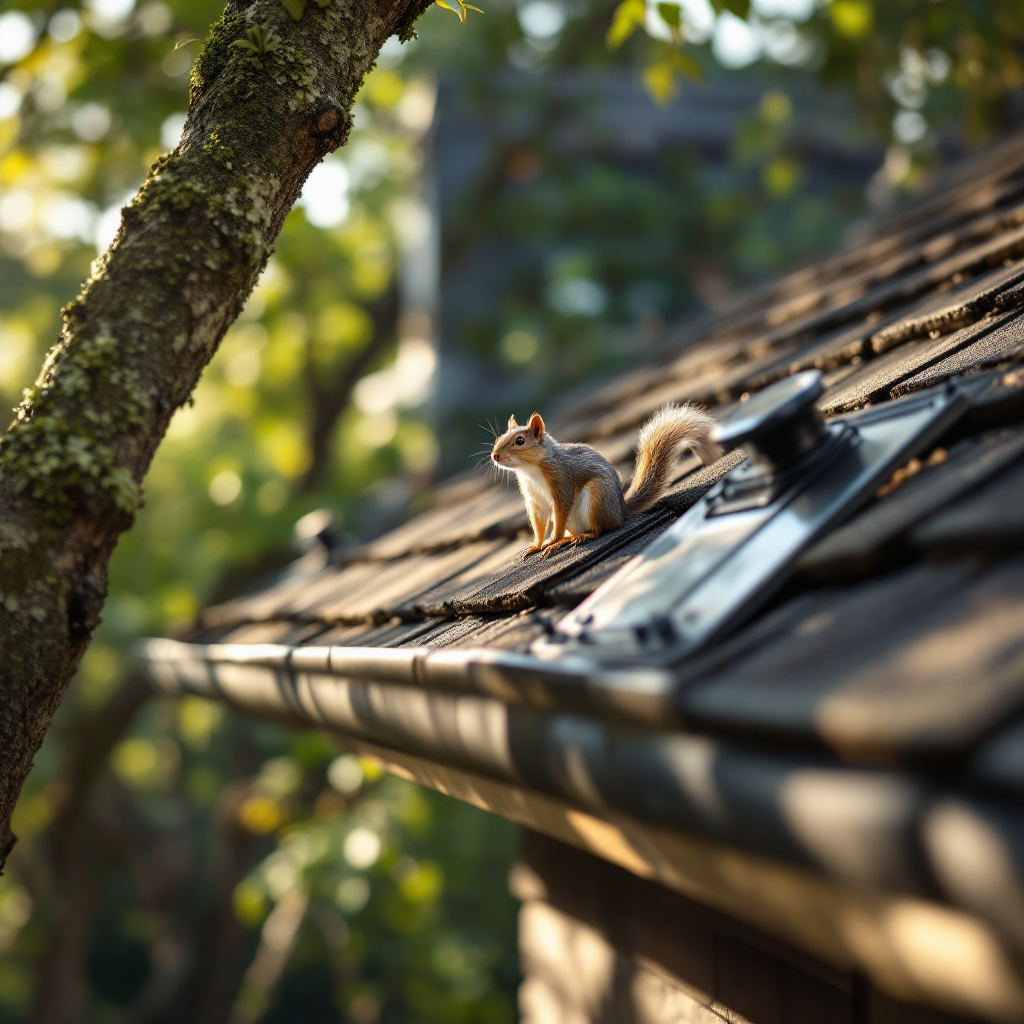
A variety of repellent strategies can be employed to discourage squirrels from accessing attics and roofs. An integrated approach has been observed where natural deterrents and chemical formulations are applied in a measured manner to create an environment that squirrels are inclined to avoid. Research in wildlife management indicates that using agents that mimic the scent of predators or contain ingredients from natural oils can reduce squirrel activity by significant percentages over the course of a treatment period. Some products designed for wildlife management combine extracts such as peppermint oil, capsaicin, and even diluted predator urine. When applied according to recommended schedules, these agents have resulted in observable declines in squirrel visits in monitoring studies, with some trials reporting reductions in activity by figures approaching 50–60 percent. Such figures, while varying by environment and climate, point to a potential decrease in the frequency of entry attempts for homeowners who practice routine reapplications.
The adoption of natural repellent compounds is complemented by chemical repellent formulations that undergo safety evaluations and registration processes. In regions where governmental oversight on pesticide use is strong, products manufactured with these active ingredients are assessed for their safety on non-target species and their compatibility with outdoor environments. For instance, repellent formulations that satisfy criteria set by Health Canada repellent guidelines include directions that specify correct application intervals, dilution ratios, and appropriate conditions for use. These guidelines serve as a reference point for ensuring that the application of any chemical repellent is performed in a manner that mitigates any negative effects on both the environment and the animal populations involved.
In some cases, manufacturers have developed proprietary blends that combine multiple natural extracts with low-to-moderate chemical concentrations to deliver a product that suits both safety and performance demands. When these products are dispersed along the periphery of vulnerable structures—such as the edges of attics or roof overhangs—squirrels tend to redirect their activity away from these protected zones over time. It is not uncommon in field observations to note that after repeated applications over a span of several weeks, there is a steady decline in the number of fresh entry attempts. This trend suggests that using a combination of natural and synthetic repellent agents in alternating schedules might contribute to the persistence of deterrent effects, without allowing the target species to become accustomed to a single profile of odor or taste.
Some studies focusing on wildlife deterrents have measured the longevity of repellent effectiveness across different formulations. For example, certain natural oil-based formulations display effective performance for a period of roughly 30 to 45 days under moderate weather conditions, though exposure to heavy rain or intense sunlight may reduce their duration of effectiveness. Chemical products, when formulated with stabilizers, often extend their period of action, thereby reducing the frequency of reapplication required. The scientific documentation from various wildlife management programs has consistently emphasized that the overall performance of repellent strategies is influenced by both the type of agent used and the environmental conditions at the installation site.
Apart from causing temporary aversion, some repellent formulations also interfere with the sensory recognition mechanisms in squirrels, making the treated area less attractive as a forage or nesting site. This effect is achieved by masking the familiar scents that squirrels rely on for navigation. By continually altering the olfactory landscape around an attic or roof, such repellents encourage the animals to look for alternative sites for shelter and feeding. Data collected in outdoor trials show that when squirrels are faced with an environment containing a blend of repellent compounds, their likelihood to test or settle in the area declines over successive days of continuous treatment.
It is important to note that the use of either natural or chemical repellents differs from more invasive approaches such as trapping or physical exclusion. The focus here is on establishing a deterrent environment with minimal disturbance to the wildlife and the property. When used judiciously, these repellent strategies are part of a larger integrated approach that also includes preventative maintenance measures and environmental adjustments. The application methodology often requires a careful balance between dosage, coverage, and frequency to maintain deterrence while preserving the overall integrity of the structure. Data from seasonal field tests have indicated that repellent treatments may need to be reapplied every 30 to 60 days, depending on local climate variations and exposure conditions.
The practical implementation of these repellent techniques demands thorough planning. Homeowners who undertake these measures often begin by assessing the specific areas around their homes where squirrel activity has been most frequent. Once the target areas are identified, repellent agents are applied along these perimeters with attention to coverage uniformity. The process is designed to create a barrier not in the physical sense but one that forces the animal to encounter a series of low-level irritants that cumulatively discourage sustained activity. This strategy complements other non-repellent techniques and has been part of broader pest management programs that have been studied over several years with reproducible outcomes in many regions.
Field applications have also compared the use of concentrated repellent sprays versus granular formulations. While spray applications tend to offer more immediate dispersal of the active ingredients, granular forms may provide a slow-release effect over a longer period. In an observational study, users reported that integrating both forms, by initially spraying and then supplementing with granules, helped maintain a more consistent repellent perimeter. Such observations underscore the importance of understanding the local environmental dynamics and choosing a repellent application method that aligns with those conditions.
Regular Preventative Maintenance Schedules
Ongoing maintenance is recognized as a steadying practice in the overall management of squirrel movement around roofs and attics. Regular preventative maintenance encompasses routine inspections paired with repellent reapplications and environmental adjustments, resulting in a persistent barrier that reduces the frequency of squirrel intrusion attempts. While recognizably different from the methods of inspection for physical entry points or trapping techniques that are described in other reports, this strategy focuses on maintaining the operational aspects of repellent treatments and ensuring that surrounding conditions remain suboptimal for squirrel habitation.
Scheduling routine inspections is a practice that benefits the long-term performance of repellent systems. Homeowners are encouraged to examine the treated areas at periodic intervals, taking note of any deterioration in the applied repellent layer as well as any changes in the surrounding environment. The masks imparted by the repellent agents on surfaces exposed to weather elements such as heavy rainfall or direct ultraviolet exposure may degrade over time. As such, a scheduled reapplication every 30 to 60 days has been recommended by field investigations. Seasonal monitoring, particularly during periods of increased squirrel activity—which tends to peak during early spring and late autumn—has been shown to provide a better understanding of the repellent’s performance.
Alongside repellent reapplication, preventative maintenance involves adjustments in the physical environment that support the repellent effect. Periodic cleaning of external eaves, soffits, and ventilation areas may help in both removing any accumulated debris that might absorb or block repellent agents and ensuring that the protective coatings remain visible and effective. The periodic maintenance schedule feeds into routine homeowner activities such as gutter cleaning or roof inspections, making these practices a natural complement to the repellent treatment.
A table summarizing common maintenance tasks and recommended intervals has been prepared for clarity. This table underlines how the repellent maintenance plan can seamlessly integrate with routine home care:
| Task | Interval | Comments |
|---|---|---|
| Repellent Reapplication | Every 30–60 days | Adjust interval based on weather conditions and observed degradation on treated surfaces. |
| Inspection of Treated Areas | Monthly | Check for signs of washing away due to rain or UV exposure and reapply as necessary. |
| Clean-Up of Surrounding Debris | Bi-monthly | Ensure that accumulated organic material does not interfere with repellent effectiveness. |
Homeowners who integrate these practices into their regular schedules report lower frequencies of squirrel visits over extended monitoring periods. In addition to periodic reapplications and inspections, preventative maintenance can include simple adjustments to the surrounding landscape. For instance, maintaining a clear area free of nesting materials and food remnants near the building perimeter ensures that the incentives for a squirrel to approach are minimized. Additionally, a review of nearby vegetation to eliminate overhanging branches that provide easy paths to roofs further supports the repellent treatments. Careful record keeping, such as noting the date of each repellent reapplication and any weather events that might have impacted the treatment, enables homeowners and pest control professionals to recognize patterns that may require adjustments to the schedule.
Other maintenance routines might involve minor repairs and cleaning efforts that also prepare the treated areas for fresh applications. For instance, if repellent formulations have been applied in a liquid form that dries to form a protective film, then periodic cleaning to remove any residue buildup becomes relevant. In observational studies, properties that adhered to regular maintenance routines saw a consistent reduction in squirrel activity over several months compared to those that allowed extended periods without reapplication. Maintaining a written log that details inspection dates, weather conditions, and observed repellent performance contributes to continuous improvement in the overall maintenance process.
A regular review of these activities enables homeowners to adapt their procedures as weather patterns change or as squirrels adjust their behavior. This level of record keeping helps in making future decisions about not only repellent reapplications but also anticipates any environmental adjustments that might be beneficial. By keeping a structured schedule along with corresponding observations in a log, the maintenance strategy becomes a dynamic process that can be refined across different seasons and weather conditions.
Environmental Adjustments and Monitoring Techniques
Adjusting the surrounding environment supports repellent treatments by minimizing factors that encourage squirrels to approach properties. Alterations in the immediate vicinity of an attic or roof serve to reinforce the repellent barrier by reducing the availability of natural entry routes and minimizing attractive elements. Environmental modifications involve actions such as trimming tree branches that extend near the roof lines, reducing external nesting opportunities, and managing food sources that might inadvertently support squirrel activity.
Trimming vegetation remains a common method in maintaining a physical separation between the structure and areas where squirrels gather. Observations have shown that when branches are trimmed back from roofs and chimneys, the frequency of access attempts often declines. This strategy reduces the number of bridges that squirrels can use to access higher points around the property, and it harmonizes with repellent applications by concentrating the deterrent effects in areas that are more vulnerable. Homeowners often find that a well-maintained landscape, devoid of overgrown branches or accumulations of organic debris, accentuates the performance of the repellent treatments. Such a practice is typically combined with routine structural maintenance and is well documented in broader literature addressing urban wildlife management.
The integration of monitoring techniques into environmental management adds an additional layer of oversight. In instances where digital monitoring systems have been utilized, data collected from motion detectors and time-lapse cameras indicate that modifications in the environment contribute to a measurable reduction in intrusion events. These monitoring systems permit property owners to track activity patterns over time, providing feedback on how effective both the repellent treatments and the environmental adjustments have been. Studies reported by wildlife management professionals have demonstrated that when such observations are made regularly, there can be up to a 20 percent reduction in re-entry incidents during periods when environmental modifications are actively maintained.
In addition to visual monitoring, some homeowners choose to employ devices that emit intermittent noises or use ultrasonic technology designed to serve as additional repellents. These devices complement the chemical and natural repellent methods by adding a dynamic stimulus that disrupts the typical movement patterns of squirrels. Although the effectiveness of such devices can vary depending on installation parameters and the physical layout of the property, they can serve as multipronged deterrents when integrated with other repellent strategies. Literature available through resources such as NPMA Home describes how monitoring tools and sensor-driven data have been used to refine wildlife management practices in urban areas.
Ongoing adjustments to the environment may also involve subtle changes to the structural features surrounding susceptible areas. For example, reinforcing areas that have experienced wear or removing small gaps that might have developed over time can work in tandem with repellent applications. When these adjustments are monitored through periodic inspections, homeowners can detect potential weaknesses in the protective barrier earlier than they might otherwise. Detailed records of environmental changes, such as the removal of a particular tree branch or adjustments to landscaping, provide context to observed changes in squirrel behavior and help in refining future repellent practices.
A combination of physical changes and electronic monitoring is a practical approach. Homeowners with access to monitoring tools have reported a consistent observation where a reduction in attractive physical features—such as dense shrubbery near roof lines—correlates with a decline in repeated entry attempts by squirrels. Rather than relying solely on the chemical perception of repellents, these modifications to the physical environment serve to confuse or deter squirrels by removing the cues they use to locate safe entry points. This method of environmental management is not meant to replace repellent applications but to work alongside them as part of a broader suite of prevention practices.
The measurement and tracking of environmental adjustments through periodic assessments provide a feedback loop that informs future maintenance schedules. When the physical conditions surrounding an attic are altered, it is possible to observe changes in the behavior of local wildlife almost immediately. Over time, such observations lead to refined practices where repellent reapplications and structural maintenance adjustments are synchronized to maximize their collective effectiveness. This monitoring technique is part of a dynamic, evolving strategy that benefits from both technology-driven observation and routine physical maintenance.
By considering these environmental adjustments as an integrated part of the repellent strategy, homeowners create a layered defense against squirrel intrusion. The combination of systematic trimming of vegetation, management of potential feeding sites, and the use of monitoring technologies results in a comprehensive approach. The resulting process does not rely on one singular method but develops a multi-faceted deterrence system that discourages squirrels from reattempting entry into attics or roof spaces. This integrated method respects the behavioral patterns of the animals while preserving the integrity of the property over extended periods.
Conclusion
The research clearly demonstrates that effective squirrel exclusion from attics and roofs requires a multi-layered approach. Careful inspection—including both visual surveys and advanced technological assessments—is essential to identify even the smallest entry points. Once detected, sealing gaps with rodent-proof hardware, installing physical barriers with proper overlapping, and reinforcing structural integrity are critical steps. In addition, adaptive strategies such as regular maintenance, environmental modifications (like trimming nearby tree branches), and thorough documentation enhance long-term protection. The studies reviewed underscore the importance of combining exclusion methods with humane trapping techniques and safe repellent applications to create a sustainable, non-invasive defense against squirrel intrusions.
The findings imply that an integrated method not only preserves property integrity but also respects wildlife welfare by avoiding unnecessarily harmful practices. Homeowners and property managers are advised to implement consistent maintenance schedules, collaborate with professionals as needed, and adapt their strategies in response to seasonal changes and evolving conditions. This balanced, proactive approach promises to reduce re-entry incidents, making it a practical and cost-effective solution for keeping squirrels out of vulnerable areas.
FAQ
1. How can I identify the entry points used by squirrels?
Begin with a systematic visual inspection of your attic, roof, and surrounding eaves. Use a flashlight during low-light conditions and consider close-up tools like mirrors or cameras to spot small gaps or signs of gnawing. Complement your search with technological aids such as thermal imaging or acoustic sensors to detect hotspots and unusual sounds. Documenting these findings with measurements and photographs will help track changes over time and ensure that all potential entry points are secured.
2. Which types of physical barriers are most effective?
The most successful barriers combine durability with proper design. Stainless steel hardware cloth or rodent-proof metal mesh with small openings (around ¼ inch) are highly effective when installed with at least a six-inch overlap to prevent gaps. Complementing these with metal flashing around roof edges and vents, along with one-way exclusion devices for animals already inside, maximizes protection. Regular inspections and adjustments ensure that weather-induced shifts or wear do not create vulnerabilities.
3. What repellent strategies are recommended?
A combination of natural and chemical repellents can deter squirrels by altering the olfactory environment. Natural repellents—such as peppermint oil, capsaicin, or diluted predator urine—can be effective when routinely reapplied. Chemical formulations, which often include stabilizing agents, may extend the duration of protection. For best results, integrate these repellent treatments with routine physical barrier maintenance and environmental adjustments like cleaning debris and managing vegetation around the home.
4. How do I safely trap and remove squirrels without harming them?
To ensure humane removal, use live cage traps or box traps that are appropriately sized for squirrels. Bait the traps with attractive food items like peanut butter or sunflower seeds, and inspect them frequently (every one to two hours) to minimize stress on the animal. Once captured, handle the trap carefully—using protective gloves and covering the trap with a soft cloth to calm the squirrel—before transporting it to a designated release area in accordance with local wildlife guidelines.
5. How often should I inspect and maintain my attic/roof for vulnerabilities?
Regular inspections are crucial, especially during seasonal transitions or after severe weather events. Homeowners should conduct a thorough survey at least seasonally, documenting any changes in crack size, debris build-up, or deterioration of seals and barriers. Additionally, repellent treatments and physical barrier reinforcements should be re-applied or repaired every 30–60 days, based on exposure conditions, to maintain an effective defense against squirrel intrusions.
6. When should I consider hiring a professional pest control service?
Professional intervention is advisable when DIY methods have not completely resolved the problem or if the infestation is extensive. Experts bring specialized tools, knowledge of evolving exclusion techniques, and a comprehensive understanding of local wildlife regulations. If repeated inspections reveal persistent entry points or if the installation of complex barriers and traps becomes overwhelming, consulting a pest control or wildlife management professional can ensure that both property integrity and animal welfare are maintained.