
Fumigation is a specialized pest control method that utilizes gaseous pesticides to eradicate infestations from enclosed environments. Unlike conventional surface treatments, fumigation ensures deep penetration into building materials and hard-to-reach spaces, making it a highly effective solution against pests that reside in structural crevices or have advanced to resistant stages.
This technique is generally reserved for cases where other pest control measures have proven insufficient. When infestations become severe or widespread—and pests such as termites, bed bugs, and other elusive organisms thrive in concealed areas—fumigation offers a comprehensive approach to eliminate every life stage of the pest. The process typically involves sealing a property (often through tenting) to trap the fumigant, carefully introducing chemical vapors, and then allowing the gas to permeate all areas before safely ventilating the structure for re-entry.
Given that the chemicals used in fumigation are hazardous to both humans and animals, strict regulatory and safety protocols are essential. Only licensed professionals should perform fumigation, ensuring that appropriate precautions are in place during evacuation, application, and post-treatment ventilation. This not only safeguards occupants and the environment but also guarantees compliance with established industry standards and legal requirements.
As we explore fumigation further in this report, understanding its process, applications, and the circumstances under which it becomes necessary will provide critical insights for effective and responsible pest management.
Overview of Fumigation: Definition and Applications in Pest Control
Fumigation Process and Mechanisms
Fumigation is a method of pest control that involves introducing a gaseous pesticide into an enclosed area where the chemical diffuses through air spaces to reach pests in concealed or inaccessible locations. This process relies on converting a liquid or solid chemical into a gas by adjusting temperature or pressure. In many settings, the treatment area is sealed to trap the gas and allow it to permeate every nook and cranny, thereby neutralizing pest organisms that may be hidden behind walls, under floors, or within soil aggregates. The process requires careful calibration of the amount of chemical used, the conditions under which the gas is formed, and the duration for which the area remains sealed. When the treatment period concludes, the area is aerated gradually under controlled conditions until residual gas levels fall below prescribed limits.
The fundamental mechanism of fumigation revolves around the molecular penetration of the gaseous pesticide. Unlike surface treatments or spot applications, fumigants are able to reach pests in tight crevices and porous materials, which makes this method particularly effective in situations where residents, stored products, crops, or structural components have concealed infestations. Typically, the pesticide used must have the property of existing in a volatile state at ambient or slightly elevated temperatures. Some chemicals, once in the gaseous phase, diffuse along concentration gradients and may even traverse fine soil particles. This is why fumigation is deployed in both soil treatments before planting and in closed environments such as warehouses, ships, and buildings.
In practice, the procedure starts with sealing the target area; sealed tents or vapor barriers are installed if the treatment is applied to a structure. Once the enclosure is secured, the fumigant is introduced using specialized equipment that may range from field sprayers for soil treatments to fogging systems for buildings. The process may involve a pre-treatment assessment that estimates the required gas concentration and duration needed to ensure a sufficient “lethal” dose for the pest species. During the fumigation period, it is crucial that air exchange is minimized so that the gas concentration maintains an adequate level. The methodology often includes preliminary safety measures, such as continuous monitoring of temperature and humidity, as well as ensuring that sensitive items are removed or protected.
The successful operation of a fumigation process demands both a clear understanding of the chemical properties of the fumigant and strict adherence to standard operational practices. For example, many fumigants are applied in amounts that require professional handling and thorough training. In some cases, compounds like phosphine or sulfuryl fluoride are used because of their capacity to reach lethal concentrations even in deep structural crevices. Studies conducted by regulatory agencies have outlined specific procedures that detail the dosing, sealing, and aeration phases, ensuring that operators follow standards established by government frameworks. Professionals refer to guidelines provided for pesticide application methods, which explain that a safe fumigation operation must consider both the distribution of the gas and the controlled reduction of its level prior to re-entry. More detailed technical information regarding these methods is available in the pesticide application methods documentation provided by Health Canada as well as on websites outlining pest control standards from the Canadian Food Inspection Agency.
The precision of fumigation is also tied to its integration with other pest control strategies to form a comprehensive management program. For instance, while certain structural infestation scenarios may initially be addressed through baiting or localized insecticide sprays, the pervasive nature of an infestation may eventually require fumigant treatment to reach residual pest populations. In residential settings, professionals often combine fumigation with other integrated pest management practices to ensure that re-infestation risks are minimized. Overall, the process of fumigation, based on its ability to distribute a vaporized pesticide uniformly throughout an enclosed environment, stands as a distinctive approach compared to more localized treatment techniques. Its mechanism, relying on molecular diffusion and controlled aeration, underlines the technical and procedural precision that operators must adhere to in order to reduce fallout to non-target organisms and the surrounding environment.
Safety precautions and monitoring are critical during the fumigation process as the gaseous pesticides involved can be hazardous not only to the targeted pest organisms but also to humans and animals if exposure occurs. Professional operators follow protocols that ensure the area remains evacuated during treatment. Modern fumigation methods incorporate monitoring devices that continuously measure gas levels so that corrective actions can be taken if the readings exceed recommended thresholds. Such operational details are integrated into standard operating practices and regulatory guidelines to manage the risk associated with using these chemicals in enclosed environments. This scientific and methodical approach underpins the overall design of fumigation systems and establishes their role within broader pest management strategies.
Deployment Scenarios and Practical Applications
Fumigation is deployed in situations where conventional pest control methods such as barrier treatments, localized spraying, and baiting have not achieved the desired outcome. Its application is indicated when the infestation is found to be extensive, hidden, or embedded in areas that are difficult to access with standard equipment. In large storage facilities or during agricultural production, fumigation is applied to the soil or stored products as a pre-emptive action against pests such as insects, nematodes, and fungi that might compromise crop yields. Similarly, in structural treatments, fumigation is used to eliminate infestations of pests including bed bugs, cockroaches, or wood-destroying organisms that have nested within the framework of buildings.
One area where fumigation sees deployment is in enclosed commercial buildings and warehouses. When infestations are suspected to be present behind walls or inside wall voids, fumigation offers a way to permeate dense structures, providing coverage that traditional spray techniques might miss. Structural fumigation, where a building may be tented and treated with gaseous pesticides, is conducted when a rapid reduction in pest populations is necessary. For instance, when dealing with bed bug outbreaks in hotel rooms or office buildings, operators may decide to fumigate the entire structure rather than rely on localized treatments that may leave residual populations. The decision to use fumigation over more conventional techniques tends to be made when evaluations by professional pest control operators indicate that other methods have been insufficient to reach hidden infestation sites.
Agricultural applications of fumigation have been in practice for several decades. Before the planting of certain crops, soil fumigation is used to reduce populations of pests that could damage seedlings. Farmers have used fumigants to treat soils that may harbor harmful nematodes, fungi, or bacteria, thereby creating a more favorable environment for crop growth. The process involves applying a liquid fumigant to the soil surface and then using equipment that injects the chemical into the soil where it vaporizes. Following the application, the treated soil is typically sealed with a plastic barrier to trap the gas. Once the treatment has run its course, the soil is aerated for a set period before planting. The technique is widely documented in agricultural guidelines and has been further detailed by ship fumigation protocols available through Transport Canada as well as in reports that describe the procedures when fumigation is employed in other contexts such as container treatments detailed by industry publications like Fumigation Under Fire.
To provide clarity on the variety of application settings for fumigation, the table below outlines different fumigation types, the environments in which they are applied, the primary target pests, and the conditions under which these treatments are typically scheduled:
| Fumigation Type | Application Environment | Target Pests | Typical Treatment Conditions |
|---|---|---|---|
| Structural Fumigation | Residential or commercial buildings | Insects such as bed bugs and cockroaches; wood-destroying insects | Enclosed spaces are tented and sealed for a prescribed exposure period |
| Soil Fumigation | Agricultural fields, nurseries, and turf areas | Nematodes, fungi, bacteria, and weeds | Liquid fumigants are injected and the soil is then covered with impermeable barriers before aeration |
| Container Fumigation | Warehouses, shipping containers | Stored product pests such as weevils and moths | Containers are sealed and fumigated to ensure complete gas distribution |
| Chamber Fumigation | Furniture or small enclosed chambers | Bed bugs and other localized infestations | Items are enclosed within a fumigation chamber where controlled gas levels are maintained |
In commercial settings, the decision to fumigate is typically based on an assessment that determines the limitations of localized treatments. For example, a warehouse experiencing widespread insect infestation and evidence of pests in inaccessible areas might be better addressed through fumigation. This method allows operators to neutralize relocated pest populations in a single application rather than carrying out multiple repeat treatments with contact insecticides. In addition, in situations where a rapid turnaround is required to resume normal operations, fumigation provides a means to achieve a complete treatment within a defined time frame, with post-treatment aeration ensuring that the area can be safely reoccupied soon after the process concludes.
Commercial establishments often document their fumigation practices as part of a broader integrated pest management program. During these instances, fumigation is implemented in conjunction with routine inspections and other preventive measures. Operators maintain detailed records of fumigation events and monitor environmental conditions during the treatment. Technical specifications for fumigation equipment, as well as methods of application and monitoring, are provided by regulatory agencies, which guide the process from initial sealing to final aeration. In gathering further insights into how large facilities manage pest control operations that include fumigation, readers may explore our blog section, which discusses operational methods and planning.
The application of fumigation must be carefully timed and executed to align with operational schedules and the presence of non-target species. For instance, fumigation in agricultural settings might be scheduled during periods when atmospheric conditions are conducive to maintaining the proper concentration of the gas in the soil, thereby reducing the probability of off-target movement. The need to coordinate treatment with crop cycles, storage schedules, and occupancy patterns in buildings plays a role in planning the fumigation process. Advances in monitoring and control technologies have made it possible to maintain more accurate records of gas concentration and dispersion, which in turn supports the decision-making process when choosing fumigation as a treatment option. With these improvements, the technique continues to be a valuable tool when rapid and comprehensive pest eradication is warranted, particularly when other methods have been exhausted or deemed insufficient.
Safety, Environmental, and Regulatory Considerations
Managing the safety and environmental impact of fumigation involves a comprehensive understanding of the hazards associated with using gaseous pesticides in enclosed environments. The process, which encloses chemicals that are toxic at high concentrations, necessitates stringent safety protocols and monitoring systems. Throughout the fumigation procedure, operators are required to implement measures that minimize exposure risk to humans, animals, and non-target organisms. The target area is evacuated and sealed; any surfaces or items that could potentially absorb or be damaged by the chemical vapors are removed. Once fumigation is complete, the space undergoes a controlled aeration phase during which the residual gas is reduced to levels considered acceptable by regulatory standards.
The actions taken during fumigation are governed by a range of regulations and guidelines that ensure public safety and environmental protection. Regulatory bodies, such as those administering the Pest Control Products Act, provide detailed instructions regarding the permissible levels of exposure, safe handling practices, and the mandatory training that operators must undergo before using fumigants. Detailed information is provided in resources that discuss soil fumigant label requirements, which delineate the accepted active ingredients and their handling (for instance, the guidelines available via the Soil Fumigant Label Requirements resource). These documents outline the acceptable exposure limits—often referred to as Threshold Limit Values (TLVs)—and the necessary buffer zones or protective measures to protect workers and bystanders.
Environmental considerations during fumigation focus on minimizing the release of chemicals into the atmosphere and preventing contamination of soil or water. Operators use sealing techniques to confine gases within a designated area, thereby limiting unintended dispersion. During aeration, continuous monitoring is performed to ensure that the gas dissipates in a manner that does not harm adjacent ecosystems or contaminate air supplies. The careful design of these processes is supported by industry best practices and guidelines from organizations such as the National Pest Management Association (NPMA), which offer extensive resources on proper fumigation techniques and safety measures for pest management operations.
In addition to on-site safety protocols, regulatory guidelines dictate the documentation and reporting requirements associated with fumigation. This includes maintaining detailed records of chemical quantities used, environmental conditions during the treatment, and the time intervals for safe re-entry. Such documentation supports accountability and ensures that operators comply with the frameworks set forth by local and national regulatory agencies. These requirements are integrated into overall pest management programs, where every fumigation event is recorded to help track the performance of treatment protocols over time. In commercial and residential contexts alike, the objective is to align operational practices with the legal requirements for fumigation procedures. For individuals responsible for managing these operations, resources such as the Home Protection Plan offer insights into maintaining safety standards within a broader program of environmental health and pest prevention.
The potential risks associated with fumigation extend to both human health and the environment. Operators must be fully knowledgeable of the specific hazards posed by the chemicals involved. Training sessions and certification programs are generally provided by regulatory agencies to ensure that applicators maintain competency in managing these risks. In many cases, the guidelines indicate that fumigation treatments should only be performed by licensed professionals who possess the necessary technical skills and equipment to monitor gas concentrations and implement emergency protocols. Detailed safety data sheets accompany each fumigant product, providing operators with the information needed to handle accidental exposures or environmental spills. Such procedures are informed by decades of research and field data, and they continue to evolve as new fumigant compounds are introduced and as technological improvements allow for more efficient monitoring.
Environmental stewardship in fumigation demands that treatment strategies minimize environmental impact while achieving the desired pest control outcomes. Operators routinely assess weather conditions, site-specific factors, and the proximity of sensitive ecosystems before commencing fumigation. This level of planning ensures that the risk of unintended chemical migration is kept to a minimum. Furthermore, technological advances have led to the development of more targeted fumigation techniques that can reduce the total volume of fumigant required without compromising efficacy. These advances are monitored through comprehensive reviews and recommendations provided by professional associations and government bodies that specialize in pest management. According to published guidelines, the overall planning and execution of fumigation treatments are designed to achieve a balance between effective pest control and the limitation of collateral exposure to non-target areas.
The interplay between safety, environmental protection, and regulatory compliance makes fumigation a process that is both technical and methodical. Operating under documented standards, fumigation professionals ensure that each treatment is executed with careful planning regarding chemical dosage, exposure time, and post-treatment aeration. The rationale behind such measures is supported by decades of field research and regulatory oversight, safeguarding both the public and the environment from potential adverse effects. Regulatory documentation, extensive operator training, and rigorous monitoring are all part of a process that is designed to control the region of influence of the fumigant and ensure that the treatment area returns to a condition that is safe for re-inhabitation once the process is fully concluded.
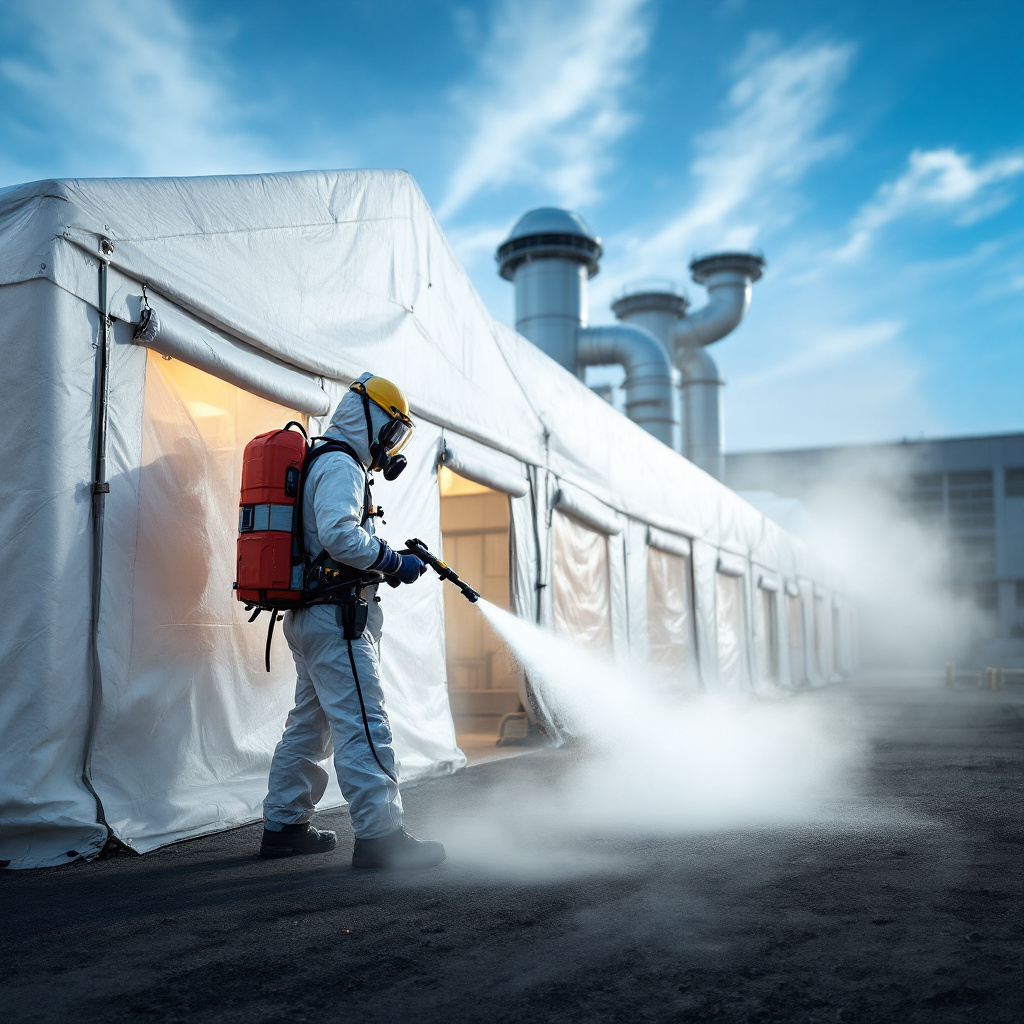
Fumigation Process: Tenting, Chemical Application, and Ventilation
Airtight Enclosure: Tenting and Sealing Techniques
This section expands on the physical measures taken during the fumigation process to establish a controlled environment, providing a level of detail distinct from earlier discussions on general fumigation mechanisms. Here, the focus centers on how trained technicians prepare a building for chemical treatment through comprehensive tenting and sealing procedures.
Preparation for tenting begins long before the fumigant is released. The building is thoroughly inspected, and all items that could be adversely affected by chemical exposure—such as pets, plants, and food items—are removed, while gas appliances and electrical power are carefully switched off. The process demands an assessment of the building’s structure to identify potential escape routes for the fumigant. This inspection is not a cursory overview; it involves a deliberate survey of all entry points such as cracks, joints, and openings around windows and doors. Once these vulnerabilities are detected, technicians apply specialized sealing methods that may include additional draping tapes or adhesive materials along with heavy-duty tarps. The chosen materials, which have been engineered to resist prolonged exposure to corrosive chemicals, are then meticulously positioned to form an unbroken, airtight envelope around the building.
Unlike previous content that touched upon sealing in more general terms, this detailed account emphasizes the specific operational protocols involved. The installation of the tent is executed with careful measurement and adjustment. Technicians often perform tests—sometimes involving a smoke or air current test—to verify that the enclosure is effective in preventing leakage. In many cases, the process can take several hours to complete as each potential leak is methodically identified and rectified. During these operations, factors such as ambient temperature, humidity, and wind pressure acting upon the structure are taken into account. A flawless seal is not only vital for maintaining the correct concentration of the fumigant gas but also for reducing the possibility of environmental contamination in adjacent areas.
The integrity of the tenting system is verified before any chemical application begins. Several layers of protection may be used, and each is tightened around the building’s circumference. This multilayered approach ensures that even minor vulnerabilities are compensated for by overlapping materials. The procedure also involves detailed documentation. Technicians record observations related to the physical structure and note any additional adjustments required throughout the fumigation cycle. In some cases, sophisticated monitoring devices are temporarily installed to continuously gauge the enclosure’s stability; these devices can detect fluctuations that might indicate a breach in the tent. The process may vary between residential and commercial structures; for example, when the treatment area is a home, service providers align their tenting protocols with the unique architectural and safety specifications of domestic environments.
This tenting technique is particularly valuable when other pest control methods have not been able to reach pests in hidden or confined areas. By establishing an airtight barrier, the fumigant gas can accumulate at an effective concentration, ensuring that even pests concealed in wall voids or insulations are exposed. The approach minimizes interference from external atmospheric conditions. The detail provided here goes beyond standard explanations by delving into how variations in building materials and weather conditions are actively managed during the tenting phase.
Once the enclosure is completed, the structure transforms into a contained environment where the atmospheric conditions are controlled to support the next phase of the fumigation process. The methodical attention paid to every seal and overlap ensures that when the fumigant is introduced, it remains confined within the designated area, thus permitting a uniform distribution that is necessary for the subsequent lethal effect on insect populations. Every step is recorded and reviewed to confirm that standards are met before proceeding. In this way, the tenting and sealing techniques not only enhance the efficacy of the chemical application but also provide an added layer of protection for operators and nearby inhabitants. Careful physical preparation of the building lays the foundation for controlled chemical dispersal and paves the way for a measured ventilation process once treatment is complete.
Chemical Application: Controlled Dispersion of Fumigants
In contrast to earlier sections that broadly examined fumigation mechanisms, this segment concentrates on the selection and regulated deployment of fumigant chemicals. The chemical application during fumigation involves a blend of science and precision, requiring that the type and concentration of chemicals used be tailored to the specific conditions of the structure and the pest population present.
The process begins by selecting an appropriate fumigant based on factors such as the target pest species, the dimensions of the treated area, and the physical properties of the building. Historically, chemicals such as methyl bromide were widely used; however, due to evolving environmental regulations and health concerns, alternatives like phosphine—generated from compounds including aluminum phosphide—have become more common. Regardless of the chosen fumigant, its deployment is rigorously controlled. Quantities are calculated not in arbitrary volumes but measured in precise units that might be expressed in parts per million. This ensures that when the chemical is released into the sealed space, it quickly reaches concentrations high enough to interrupt the biological processes of the pests. In many instances, it is observed that the fumigant gas is lethal to target pests within seconds after exposure, though the overall process requires extended retention to guarantee comprehensive treatment, including the elimination of eggs and hidden populations.
Once a proper enclosure is established through the tenting phase, the actual chemical application is initiated using specialized delivery systems designed for even distribution. These systems are often automated and feature equipment calibrated for consistency. The chemical is converted from a liquid or solid state into a gas by leveraging controlled changes in temperature or pressure. The gas then diffuses uniformly throughout the enclosed area by means of either passive flow or the assistance of fans and blowers that facilitate mixing. At this stage, real-time monitoring assumes critical importance. Instruments placed strategically within the space continuously track gas concentrations, allowing technicians to adjust the release rate to compensate for any minor variations that might occur—an approach that ensures no area is left under-treated due to localized dips in gas density.
The chemical application stage distinguishes itself by its reliance on scientific calibration and instrumentation. Professionals ensure that the correct dosage is administered uniformly throughout the structure. This controlled dispersion is engineered to penetrate every nook and cranny, including concealed voids in wall cavities and under-insulated zones. It is not merely the rate of dispersion that is important; it is also the duration of exposure. The exposure time is deliberately extended to accommodate slow-release properties and to reach pests in phases of their life cycle that might be resistant to quick treatment. In many fumigation operations, the prescribed exposure period might range from several hours up to a full day, ensuring that the fumigant remains effective until all pest manifestations are addressed.
Monitoring equipment used during chemical application is calibrated to detect concentrations in the range that may vary from 2000 to 3000 ppm at treatment initiation, depending on the specific fumigant employed and the severity of the infestation. This continuous measurement offers reassurance that the targeted concentration is maintained across the entire treated volume. As the gas spreads throughout, dampening factors such as temperature and humidity are also recorded since they can affect the behavior and efficacy of the chemical treatment. These measurements allow the operators not only to administer the proper dose but also to predict the duration required for hazardous residues to be reduced post-treatment.
Technical documentation is maintained throughout the process. Detailed records include the exact amounts of fumigant used, the timeline for application, and the sensor readings recorded during the treatment phase. This documentation is critical for verifying that the process aligns with established safety and environmental guidelines. Such precision in chemical application supports a uniformly effective treatment that reaches pests in all microhabitats. The controlled release methodology ensures that even if certain areas are more dense or have lower air exchange, the fumigant’s dispersion will eventually achieve the necessary concentration to deactivate pest populations.
These sophisticated procedures also serve to demonstrate how principles of controlled chemical dynamics are applied practically. When compared with other pest control methods—such as localized spraying—fumigation stands apart by its ability to ensure an even and comprehensive permeation of chemicals within complex structures. The controlled dispersion of chemical agents establishes an environment where even pests in previously inaccessible locations are exposed to fatal concentrations, thereby ensuring that no area escapes treatment. Detailed guidance available from resources like House and Home Online further explains the correlation between gas concentration, exposure time, and pest mortality, offering insight into the subtle balance maintained during this phase.
Ultimately, the chemical application phase is characterized by its precision and its integration with sophisticated monitoring systems. The technical controls involved ensure that the fumigant reaches every intended area efficiently, making it possible to treat severe infestations that might resist other forms of pest control. In this way, the controlled dispersion of fumigants within a rigorously sealed environment establishes a dependable pathway for achieving high levels of pest eradication while adhering to legal and safety standards.
Ventilation and Aeration: Reestablishing Safe Air Quality Inside Enclosures
Distinct from earlier technical discussions on sealing and chemical application, this section delves into the final phase of the fumigation cycle—the ventilation and aeration process—which is designed to restore safe air quality in the treated area before reoccupation. The methodical removal of the fumigant gas is essential not only for ensuring that the environment is safe for future use but also for maintaining compliance with environmental standards.
Once the fumigant’s chemical application has fulfilled its intended purpose, the next step is to cease the containment and begin the gradual reintroduction of fresh air. The tent is carefully removed, initiating a staged ventilation process. This process is executed with precision, as technicians start by slowly opening sealed areas in a predetermined sequence. The goal is to allow controlled air exchange without causing abrupt shifts in internal pressure that might disturb residual chemicals or compromise the even dispersal achieved during fumigation.
Ventilation and aeration are performed with the aid of mechanical devices such as industrial fans and exhaust systems. These tools are systematically deployed to generate a consistent flow of air, ensuring that any pockets of concentrated fumigant gas are diluted steadily over time. Air quality is continuously monitored using advanced gas detection equipment that measures concentrations in parts per million. In many cases, the atmospheric parameters are observed until readings fall to levels deemed acceptable by regulatory agencies—often in the low single digits (typically around 2 to 5 ppm) for residual concentrations. These standards, which might be defined by governmental health and environmental bodies, determine that the area is deemed safe for re-entry.
The ventilation phase acknowledges that the speed and efficiency of gas dissipation are influenced by ambient conditions. External factors such as outdoor temperature, humidity, and wind speed contribute to how quickly residual chemicals are removed from the interior space. Technicians adapt their methods accordingly, employing additional mechanical ventilation or scheduling extended aeration periods when the environmental conditions are unfavorable. In larger or more complex structures, the process might extend over a period ranging from 24 hours to several days. During this time, continuous data collection from multiple sensors throughout the building confirms the lowering of chemical concentrations in all rooms and hidden spaces.
A key characteristic of this aeration stage is its emphasis on controlled re-entry. Rather than allowing an uncontrolled rush of fresh air, the fumigation team implements a systematic approach whereby doors, windows, and ventilation ducts are gradually opened to promote an even and thorough air exchange. The measured approach not only speeds up the removal of residual gases but also prevents sudden changes that could stir up lingering chemical particles locked in porous materials. Multiple rounds of air sampling from different zones within the building are necessary to ensure that the aeration has been effective in all areas. Technicians may use portable gas analyzers to verify that even previously isolated spaces have attained safe air quality levels.
Detailing the transition from a sealed, chemically saturated environment to one of safe occupancy is a distinctive feature of this phase. The systematic opening of the structure follows a structured schedule, with continuous monitoring ensuring that the process meets strict safety benchmarks. This repetitive testing and verification process distinguishes the ventilation process from the earlier application phases by emphasizing safety and gradual recovery. In some instances, the aeration stage includes the use of supplemental ventilation methods, such as setting up temporary exhaust systems near tight spaces or employing dehumidifiers and air purifiers that help destabilize residual chemicals.
Further, the environmental conditions within the building are not assumed to stabilize immediately. Rather, technicians observe the indoor atmosphere over an extended period to confirm that the fumigant has fully dissipated. The process involves both natural air exchange and forced convection. For example, in multi-storied buildings, the aeration technique might involve simultaneous ventilation across different floors to eliminate any stagnation. The combined effect is a well-coordinated strategy that gradually and uniformly dilutes chemical concentrations to levels that meet regulatory safety requirements before any reoccupation takes place.
The safety protocols governing this ventilation phase are documented rigorously. Records detail every measurement taken during the aeration process, including time stamps, chemical concentration readings, and environmental conditions. This documentation ensures accountability and allows regulatory bodies to verify that the fumigation process has adhered to prescribed guidelines. The systematic approach taken at this stage reinforces that the aeration process is not simply a passive waiting period; it is an active, monitored procedure that lays the groundwork for the safe use of the space. Reentry is permitted only after repeated tests confirm that the environment is free from harmful levels of chemicals, ensuring that occupants can resume normal activities with confidence.
By methodically reintroducing fresh air and continuously verifying air quality, the ventilation and aeration phase transforms the space from a sealed environment containing potent chemicals into one that supports safe human occupancy. This deliberate approach to air quality management distinguishes it from more generalized descriptions of fumigation processes by focusing on the technical details involved in reducing residual chemical concentrations. The integration of mechanical aids with systematic testing creates an environment where the transition from treatment to safe habitation is both predictable and measurable.
During this final phase, every effort is made to guarantee that the indoor environment meets stringent safety standards before residents or workers are allowed to return. In multi-zone assessments, the comprehensive nature of the ventilation process is validated by ensuring that even tightly enclosed areas clear of residual fumigant gas. The combination of gradual air exchange, mechanical support, and rigorous monitoring provides a robust method for eliminating any lingering risks. This detailed treatment reinforces the overarching goal of fumigation—to eradicate pests effectively while subsequently restoring the treated area to a condition that is safe for regular occupancy without compromising public health.
Determining When Fumigation is Necessary: Severe Infestations and Pest Challenges
Assessment of Infestation Severity: Quantitative and Qualitative Measures
Evaluating the need for fumigation requires detailed insight into both measurable indicators and observational factors that reveal the true extent of an infestation. While previous reports have described the fumigation process and its broad deployment scenarios, this analysis specifically focuses on the criteria used to determine when localized treatments no longer offer adequate control. This section distinguishes itself from earlier content by emphasizing quantitative thresholds and qualitative observations that signal severe pest challenges.
A systematic assessment begins by quantifying the pest population density across different zones of a structure. In many monitoring programs, technicians may use methods such as trapping, visual counts, and the assessment of damage or droppings; for instance, areas reporting pest densities that exceed 40–50 individuals per square meter are often indicative of a widespread problem that localized applications are unlikely to resolve fully. When more than 70% of rooms or spaces show repeated signs of infestation, it becomes evident that the pest problem extends beyond a sporadic visitation and represents sustained, interconnected breeding sites. In these cases, the comprehensive nature of fumigation offers the advantage of reaching pests in spaces that are hidden behind walls, under floors, or within voids, where conventional sprays or other treatments have already been applied with limited success.
An essential step in the assessment process is the use of both quantitative measurements and qualitative judgments. Quantitative data such as trap counts, pest sighting frequencies, and damage assessments allow professionals to set thresholds at which point fumigation becomes a recommended option. For example, if routine monitoring over several weeks reveals that control measures have stabilized pest counts at a level exceeding 30% of the initial population—even after repeated applications of localized insecticides—it suggests that the infestation has become more entrenched. Qualitative indicators, on the other hand, include visual signs of pest harborage in inaccessible locations, structural damage patterns that point to long-term nesting, and behavioral observations such as pests actively avoiding treatment areas. These observations require careful documentation and verification to ensure that the decision to fumigate is based on reliable evidence.
Data from integrated pest management studies indicate that repeated localized treatments may achieve reductions of only 20–40% over extended periods when pests are sheltered within crevices or void spaces. When compared with the reported outcomes in controlled fumigation cases—where pest populations have been observed to drop by up to 95% within a single treatment cycle—it becomes apparent that the severity and persistence of an infestation can necessitate a more holistic approach. In many commercial settings, property managers encounter infestations that persist despite interventions; such cases may involve a high degree of continuity in pest movement across different areas of the building. This is where a fumigation event, designed to deliver a uniform gas concentration throughout an enclosed space, is recommended to overcome the challenges of hidden populations.
Technical assessments often rely on a combination of direct pest counts and assessments of environmental factors. For example, monitoring devices that measure temperature and humidity can provide supplementary evidence of conditions favorable to pest reproduction. In a damp storage facility, even a modest infestation can quickly become problematic if the environment supports rapid reproductive cycles. In these situations, persistent moisture and organic residues serve as catalysts for pest multiplication. Detailed record-keeping over several treatment cycles may reveal that counts do not decline below a defined threshold—commonly set by industry standards—as a result of limited penetration of conventional treatments. When these factors are mapped alongside direct observations of inaccessible infestations, the decision to proceed with fumigation becomes a logical extension of the integrated pest management strategy.
In commercial facilities where the scale of the problem is significant, managers may refer to broader resources and treatment protocols. External guidance from agencies that regulate pesticide use also offers context, as outlined in resources provided by the EPA Pesticide Registration Resources. These sources offer additional statistical insights, recommended monitoring methods, and treatment thresholds that support the decision-making process.
A well-documented monitoring process not only serves to count pests but also to evaluate the spatial distribution of pest activity. In multi-level buildings or areas with complex layouts, visual inspections may reveal that infestations are concentrated in hidden cavities, rendering conventional treatments inefficient. Confronted with such data, pest control professionals may decide that fumigation is warranted in order to treat every nook and cranny, thereby ensuring that the pest population is addressed in its entirety. Only when both quantitative measurements and observational data point to an extensive and multi-focal infestation does it become apparent that fumigation is the most appropriate treatment approach.
Addressing Pest Behavior and Environmental Complexity
Pest behavior and the complexity of the built environment play significant roles in determining the necessity for fumigation. Many pest species exhibit behavioral patterns that allow them to thrive in protected niches. Certain cockroach populations, bed bugs, and even some termite colonies are noted for seeking out hidden spaces where they can avoid contact with surface-applied treatments. Observations in structures with multiple cavities, irregular ventilation, and aged infrastructure indicate that pests can use cracks, wall panels, and other concealed areas as sanctuaries. These behaviors often mean that only a fraction of the pest population is exposed to traditional treatment agents, leaving a reservoir of pests that re-establish the infestation.
When pest populations are able to occupy areas that fall beyond the reach of localized control methods, treatments such as spot spraying or baiting become less cost-effective over time. Experiences in older facilities or buildings with complex architectural designs have demonstrated that up to 60% of pest colonies can reside in hard-to-reach areas, thus evading the residual effects of conventional pesticides. Over time, this selective survival can foster an environment where pest populations develop greater resilience against these traditional agents. Moreover, the interconnected nature of many infestations means that even if visible populations are temporarily reduced, hidden infestations can serve as sources for reinfestation, leading to repeated applications without substantial progress.
The interplay between pest behavior and environmental design underlines the importance of understanding structural vulnerabilities. For instance, buildings with multiple entry points, outdated construction features, or extensive utility networks can inadvertently create passageways that favor pest migration. In such cases, localized treatments may produce temporary alleviation; however, the underlying structural issues continue to provide avenues for pest proliferation. Comprehensive fumigation is considered as a strategy when it becomes evident that the physical layout of a structure is a contributing factor to the persistence of the infestation. Gas molecules, when used in fumigation, are able to diffuse uniformly into hidden voids and crevices, offering treatment in areas untouched by conventional sprays.
Environmental complexity is also compounded by factors such as variations in temperature, humidity, and the presence of organic materials that pests utilize as food or shelter. Unattended food residues in industrial kitchens or poorly maintained waste collection areas often support a breeding ground that accelerates pest multiplication. Observations from numerous case studies have reported that in environments where sanitation is irregular, pest populations can escalate rapidly despite repeated localized interventions. The uniform dispersion achieved during fumigation provides a means to address these variations, as the gaseous pesticide is capable of reaching pockets with high moisture content or organic buildup that remain untreated with standard methods.
A concise summary table can offer perspective on the differences between conventional localized treatments and fumigation, allowing technicians and facility managers to better understand when fumigation may be preferable:
| Infestation Characteristic | Outcome with Conventional Methods | Fumigation Advantage |
|---|---|---|
| Visible and localized pest activity | May be managed with spot treatments but can require multiple applications | Uniform gas dispersion addresses both exposed and hidden pests in a single application |
| Hidden or protected pest colonies | Limited penetration leaves residual populations that reinfest over time | Gas molecules infiltrate cracks and voids, reaching pests that conventional sprays cannot |
| Structures with complex layouts and variable environmental conditions | Repeated treatments may yield only moderate reductions in pest numbers | Comprehensive coverage that adapts to the building’s intricacies and environmental irregularities |
This table illustrates that when pest behavior leads to concealment within structures and continuous reinfestation, conventional methods generally deliver only partial outcomes. In contrast, fumigation’s ability to envelop an entire structure in a uniform atmosphere of pesticide offers a more robust response to these complex infestations. It also reinforces the need for an integrated approach that considers both pest behavior and the unique environmental factors present within a building.
Understanding the distribution of pest harborage is also essential for evaluating treatment strategies. Detailed surveys that include thermal imaging, moisture mapping, and inspections of concealed areas can reveal patchy distribution patterns that not only indicate where pests currently reside but also forecast potential migration pathways. When parts of a building exhibit conditions that favor rapid pest reproduction—such as consistent moisture and organic accumulations—the likelihood increases that conventional methods will fail to address these micro-environments fully. Data collected from these advanced survey methods provide further justification for resorting to fumigation, as it offers a method to treat every identified area simultaneously and uniformly.
The environmental complexity of a structure does not only reside in its physical construction but also in the way that human activity influences pest behavior. Areas with dense human occupation, multiple entry and exit points, or where regular maintenance is sporadic, may harbor pest populations that have adapted to intermittent treatment measures. Observations from long-term pest control programs have noted that conventional treatments in such environments tend to achieve limited reductions when pests are consistently able to evade application points. In these instances, fumigation is implemented as a comprehensive measure to preemptively address hidden or ongoing infestations, ensuring that even obscure niches receive effective treatment.
Evaluating the Efficacy of Conventional Controls against Extensive Infestations
It is not uncommon for conventional treatment methods—such as localized sprays, bait stations, or heat treatments—to be deployed repeatedly in an effort to manage pest populations. Over time, however, observations indicate that these methods may plateau in their effectiveness when infestations become widespread or unusually persistent. When repeated applications of conventional treatments yield only modest reductions in pest numbers, the accumulated evidence strongly suggests that a structural approach like fumigation may be a more appropriate strategy.
A detailed evaluation involves comparing post-treatment pest counts from conventional methods against the baseline established before any intervention. In many documented cases, localized treatments have resulted in reductions that hover around 20–40% after multiple applications. Such figures imply that nearly 60–80% of the pest population might persist because of inaccessible harborage areas or the development of behavioral avoidance in pests. In contrast, fumigation, by dispersing a gaseous pesticide uniformly throughout an entire enclosure, has been observed in some commercial environments to reduce pest populations by as much as 90–95% in a single treatment cycle. The marked difference in these outcomes supports the view that, when infestation levels surpass a certain threshold, the integrated approach provided by fumigation surpasses the incremental benefits of conventional methods.
The comparative evaluation of treatment methods often considers not only immediate pest reduction but also the long-term recurrence rates of infestations. In environments where traditional methods have been employed repeatedly over a span of several months, recurring pest activity is observed as a result of untreated zones that later act as reservoirs for reinfestation. Studies have shown that sequential localized treatments sometimes achieve initial decreases in pest numbers, but within a period as short as 30 to 60 days, populations rebound significantly—often reaching 70% of their original levels. In contrast, facilities that have incorporated fumigation as part of their pest management plan have demonstrated prolonged periods with substantially lower pest counts, sometimes showing reductions that remain sustained for over six months. This comparative data underscores the importance of rethinking treatment strategies when conventional methods do not translate into lasting results.
Economic considerations also enter into the process of evaluating treatment efficacy. Although fumigation may require a higher upfront cost compared with individual localized treatments, cumulative expenses associated with repeat applications, labor, and downtime can, over time, exceed the single-cycle cost of fumigation procedures. In environments where operational continuity is an ongoing concern—such as in manufacturing plants, food storage facilities, or office complexes—the ability to perform one comprehensive treatment with minimal disruption is a decisive factor. This financial analysis is based on observations that multiple localized treatments can necessitate interruptions on a bi-monthly or even monthly basis, whereas a well-scheduled fumigation event may allow for a full cycle of treatment with acceptable turnaround times, often ranging within a 48-hour window for clearance and subsequent reoccupation.
Additional factors that influence the decision include the development of resistance among pest populations. Continuous exposure to localized pesticides can sometimes foster an adaptive tolerance among pests, meaning that the concentrations achieved by spot treatments become progressively less effective. When such resistance is detected—whether through laboratory assays or monitored treatment outcomes—the treatment team is advised to diversify methods. In this context, fumigation introduces an entirely different mechanism of action, relying on the diffusion of gas molecules that may overcome the mechanisms that some pests use to avoid or detoxify conventional chemicals. This shift in the mode of treatment can lead to significantly better control of resistant populations, which are otherwise maintained by routine methods.
The multifaceted evaluation of conventional control methods thus integrates numerical data, recurrence rates, cost analyses, resistance indicators, and the physical characteristics of the environment. Continuous monitoring, combined with periodic reassessment of treatment efficacy, guides professionals in making the decision to shift to fumigation when empirical evidence suggests that other methods have reached their limit. This evaluation process is iterative; after an initial fumigation, follow-up assessments are conducted to verify that the pest population remains at reduced levels, and to determine whether additional localized treatments might be effective in preventing re-establishment.
In summary, when repeated conventional treatments leave significant pest populations untouched—often demonstrated through long-term monitoring and detailed environmental assessments—the decision to proceed with fumigation is made on the basis of comparative performance. The lack of a sustained reduction in pest numbers, in conjunction with evidence of hidden infestations, high recurrence rates, and potential pesticide resistance, supports the use of fumigation for severe infestations and pest challenges. This comprehensive approach ensures that every accessible and inaccessible area of a structure is treated in one go, thereby reducing the likelihood of reinfestation and contributing to a more stable long-term pest management program.
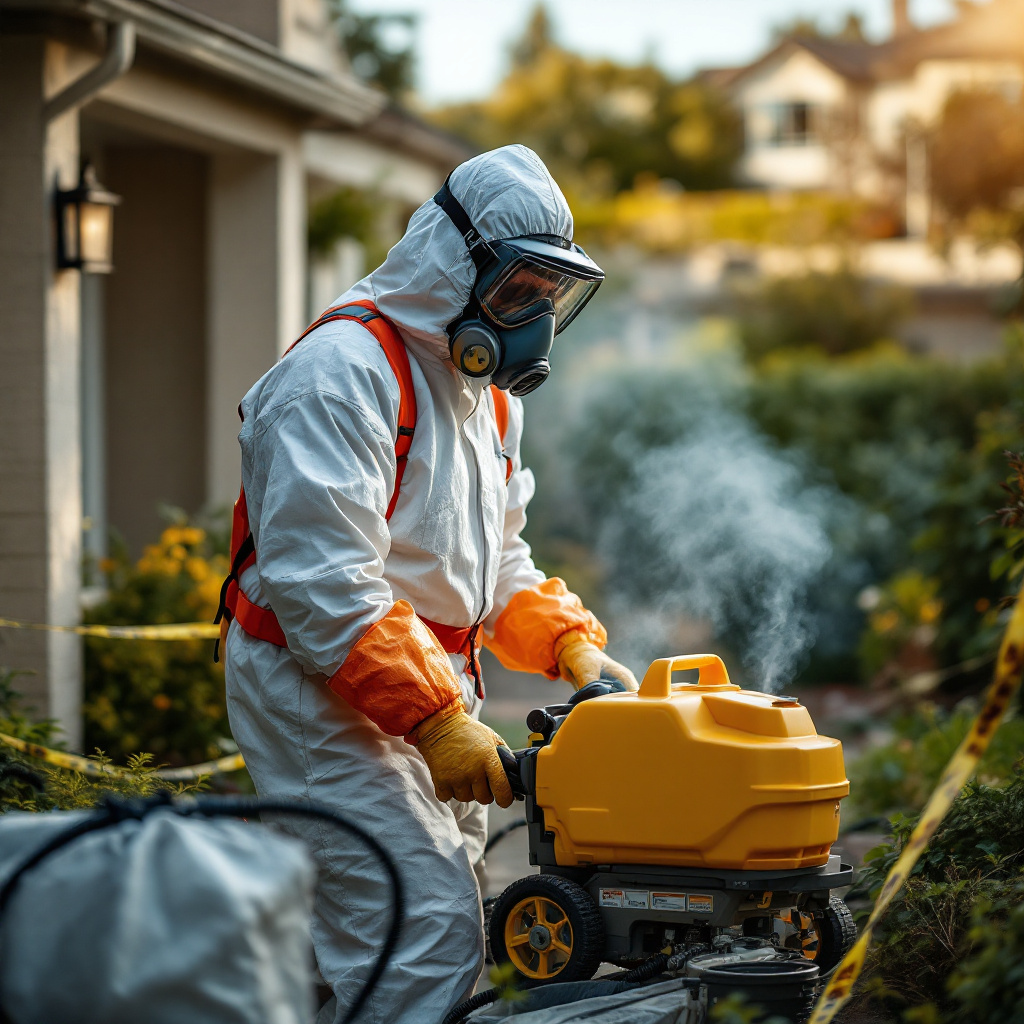
Safety Precautions and the Role of Licensed Professionals
Implementation of Safety Measures During Fumigation Procedures
Fumigation involves the use of gaseous pesticides within enclosed spaces, requiring procedures that are both systematic and thoughtfully planned to minimize exposure risks. Operators carry out detailed risk assessments before beginning a fumigation operation. These assessments include verifying that the structure is suitably sealed, confirming that evacuation protocols for building occupants are clearly posted and communicated, and planning for emergency responses should unexpected leaks or malfunctions occur. Comprehensive safety measures also address not only the immediate hazards related to chemical exposure but also potential long-term environmental effects.
Personnel engaged in fumigation are equipped with specialized personal protective equipment (PPE) that safeguards them from harmful chemicals. The PPE commonly comprises respirators specially designed to filter out toxic gases, full-body protective clothing that prevents dermal contact, and gloves and boots with chemical-resistant properties. Operators perform routine checks on their equipment; this includes calibrating gas monitoring devices to ensure they accurately measure concentrations in parts per million (ppm) and that readings remain well under established exposure limits even at the peak of fumigation activity.
In order to maintain a secure work environment, fumigation teams institute a series of systematic safety practices. One of these practices involves a preliminary evaluation of the target environment to identify any hidden areas or compartments that might require sealing. The careful inspection helps in mapping out where high concentrations of fumigant chemicals may accumulate and prompts the installation of additional detection devices. In many fumigation procedures, continuous monitoring is deployed through electronic gas detectors that relay real-time data to the central control station. Readings help the fumigator determine when and where ventilation adjustments are necessary. Operators also rely on redundant safety systems; for example, a secondary shutdown mechanism is installed in cases where primary systems fail to respond to rising chemical concentrations.
A concise overview of common fumigation safety equipment is presented in the table below. This table outlines the type of equipment used and their corresponding functions, illustrating how each item contributes to preventing accidental exposure during fumigation:
| Safety Equipment | Function |
|---|---|
| Respiratory Protection | Prevents inhalation of hazardous fumigant gases |
| Protective Clothing | Shields skin from direct contact with toxic substances |
| Gas Detectors | Monitors ambient chemical concentrations within fumigated zones |
| Emergency Shut-Off Tools | Facilitate immediate cessation of chemical dispersion if needed |
The implementation of proper safety measures extends beyond the use of PPE and detection instruments. Operators follow procedures that include setting up isolation zones around the fumigated area so that unauthorized individuals do not inadvertently enter areas where the concentration of chemicals remains elevated. These zones are reinforced by physical barriers and clear signage. Furthermore, operatives are trained to use communication systems that keep all team members coordinated. This coordination ensures that emergency protocols, such as immediate evacuation or the activation of backup ventilation systems, can be implemented swiftly throughout the fumigation process.
Before the actual application of fumigants, teams conduct a technical check on all instruments and safety devices. Fumigators examine the condition and calibration of gas detectors and ensure that the predetermined safe exposure levels—often set at less than 1 ppm for many chemicals—are maintained through regular testing during the operation. Such action not only protects fumigation team members but also validates that the process remains within the acceptable parameters defined by industry standards. Monitoring continues during the entire operation, with data logged for regulatory compliance and future audits. In certain fumigation operations, the monitoring may require multiple sampling points within the treatment area to confirm that evacuation and ventilation processes have been effective and that the overall environment has reached safe post-treatment conditions.
Operators also prepare an emergency response plan prior to commencing fumigation. This plan defines the specific steps to be taken when unexpected incidents occur, such as equipment failure or sudden changes in environmental conditions. Every team member is briefed on the emergency procedures and participates in periodic drills to ensure that coordination remains effective and that response times are minimized. Although these actions are part of a standardized routine, each fumigation operation requires a degree of customization in safety execution based on the particularities of the environment and the chemicals used.
Continuous feedback from monitoring instruments and periodic recalibration of equipment are integrated into a cycle of quality assurance. This approach helps in detecting anomalies during the procedure so that operators can adjust their methods immediately. The overall system is designed to be resilient, enabling fumigation teams to respond dynamically while preserving the health of both personnel and the environment during every phase of the process.
Licensed Professionals: Training, Certification, and Field Expertise
The human factor in fumigation safety is embodied in the extensive training and experience of licensed professionals who manage and execute fumigation operations. These individuals must undergo comprehensive education that covers both theoretical knowledge of chemical properties and practical aspects of operating fumigation equipment. Training programs generally include classroom instruction on chemical behavior, toxicity, and safe handling practices, often supplemented by hands-on experience with the equipment used for sealing environments, deploying chemicals, and conducting post-application ventilation.
Many regions require licensed fumigators to complete a specified number of training hours before they are allowed to operate independently. In some regulatory frameworks, new professionals must fulfill requirements typically amounting to around 40 hours of training complemented by supervised field experience spanning several months. This preparatory period is designed to instill familiarity with the detailed safety protocols and the proper usage of equipment such as gas detectors and emergency shut-off tools. After initial training, licensed professionals often need to acquire periodic recertification—typically on a biennial or triennial basis—to ensure that their knowledge remains updated with the latest regulatory changes and technological advancements in fumigation practices.
The certification process not only evaluates technical competency but also emphasizes proper emergency response procedures and the correct interpretation of monitoring data. In many cases, the certification standards require fumigation experts to maintain detailed records of every operation, including equipment calibration reports, safety measure implementations, and post-treatment assessments. These records form part of a quality assurance system that provides accountability and transparency in fumigation operations.
Field expertise is further developed over time as licensed professionals encounter a range of scenarios in various settings such as residential, commercial, and industrial facilities. Practical expertise acquired over repeated fumigation projects ensures that these professionals become adept at identifying potential hazards that might not be immediately obvious during initial assessments. Detailed site evaluations and adaptive techniques allow for refined fumigation strategies that address the unique challenges of each scenario. A seasoned fumigation expert is more likely to spot areas where vapors might accumulate unexpectedly or where structural anomalies could compromise sealing integrity, leading to the implementation of additional safety measures.
For those considering fumigation services, it is beneficial to evaluate the credentials and experience of potential service providers. Homeowners and facility managers are encouraged to review independent advice and guidance from sources like How To Choose An Exterminator In Montreal, which offer insights into verifying licensing, past performance records, and customer reviews. This information supports decision-making when selecting a professional who has demonstrated proficiency in applying stringent safety protocols while conducting fumigation.
In addition to technical training, licensed professionals often participate in continuing education courses that address emerging chemical products and new safety standards. Such courses help fumigation operators remain informed about recent scientific advancements and evolving best practices regarding PPE specifications and safe chemical handling procedures. Many jurisdictions mandate these ongoing training requirements as part of their safety regulations, thereby ensuring that practitioners stay current with both national guidelines and local laws.
The role of licensed professionals does not stop at the point of chemical application. They also assume responsibilities that include monitoring the environment during fumigation, coordinating with facility managers, and reporting measurable outcomes. An experienced fumigator runs systematic evaluations before, during, and after the process to ensure that all conditions meet the prescribed safety benchmarks. These evaluations typically involve the use of calibrated instruments to assess air quality, the careful logging of potential exposure incidents, and the coordination with environmental safety officials when necessary.
Licensed professionals also play a key role in educating occupants about the fumigation process. They explain how temporary evacuation, sealed entry points, and scheduled reentry are implemented to reduce exposure levels. They detail the operational steps involved—from initial hazard analysis to final clearance testing—and advise occupants on the appropriate precautions to take in the lead-up to and following the procedure. Their field expertise enables them to translate technical directives into clear instructions that ensure informed compliance among all stakeholders.
The on-site presence of licensed professionals during fumigation operations provides an additional layer of accountability. Their adherence to documented safety protocols, coupled with their extensive field experience, helps to mitigate risks associated with chemical application. Field inspections and in-process evaluations conducted by these professionals have consistently demonstrated a reduction in potential hazards when compared with operations managed without certified expertise. Their systematic approach to fumigation operations thereby reinforces the overall safety profile of the entire process.
Ensuring Operational Safety Through Compliance and Ongoing Monitoring
Fumigation operations require a structured framework that persists even after the chemical application is complete. Ensuring that an area remains safe for reoccupation relies on a continuous cycle of compliance checks, ongoing monitoring, and thorough documentation. During the fumigation process, protocols are enacted not only to secure the immediate work area but also to monitor shifting chemical concentrations and any potential changes in atmospheric conditions. Following the treatment, a series of standardized reentry protocols are implemented to verify that the level of residual chemicals has dropped to acceptable limits.
Operators use a combination of fixed and portable gas detectors that are calibrated to measure fumigant concentrations over the entire treatment area. These instruments are programmed to trigger alerts if chemical levels remain elevated beyond standard thresholds. The monitoring extends through different phases of the operation—beginning with baseline assessments, continuing throughout the chemical application, and concluding with extensive post-treatment evaluations. Periodic measurements ensure that any lingering fumigant vapors are detected and neutralized by adjusting ventilation or by extending aeration times. These measures have been integrated into operational checklists that support both the fumigation team and regulatory inspectors.
Detailed documentation underpins the ongoing monitoring process and provides a record of compliance with approved safety standards. Every fumigation operation generates logs that record key data points such as the time of seal initiation, the concentration levels of chemicals detected at various intervals, and the specific measures taken to enhance ventilation and aeration. These records serve as evidence that the fumigation was executed according to established guidelines and that access to the area was restricted until safe reentry conditions were verified. Such documentation is especially important when inspections or audits are conducted by regional authorities overseeing pesticide applications.
The ongoing monitoring process is reinforced by post-treatment evaluations carried out at multiple intervals. Once the fumigation is complete and ventilation systems are activated, the area is subjected to a series of air quality tests to confirm that the levels of fumigant chemicals have declined to concentrations that fall below regulatory limits. This phase often includes sampling at several strategic points within the treatment zone, particularly in hidden or hard-to-reach areas where chemical residues might persist. The reentry decision is made only when cumulative data from these tests demonstrate that the fumigated space complies with the safety thresholds recommended by current regulatory frameworks.
Operational compliance also extends into the realm of physical documentation and formal inspections. Fumigation operators routinely work alongside compliance officers who verify that every step of the process is recorded accurately and that any deviations from standardized procedures are addressed immediately. Inspection protocols typically involve cross-referencing the on-site monitoring data with established safety benchmarks and reviewing the calibration records of all detection instruments. Laboratory tests of air and surface samples are sometimes conducted by independent agencies to provide an external verification of the results obtained on site. Such measures ensure that every fumigation project meets regulatory expectations and that any potential hazards are identified well in advance of reoccupancy.
Communication between fumigation teams and facility managers during the monitoring phase is designed to keep all stakeholders informed about the operational status. Detailed briefings are conducted at regular intervals throughout the process, and any observed discrepancies are discussed openly. This collaborative oversight helps to fine-tune the operation in real time, ensuring that safety protocols are upheld even under evolving site conditions. The emphasis on thorough documentation and multiple rounds of monitoring reaffirms the commitment of fumigation operators to maintain safe working conditions not only during chemical application but also in the subsequent period when the area is re-evaluated for occupancy.
Continuous adherence to compliance guidelines is achieved through regular reviews of the monitoring protocols. Feedback from previous operations is incorporated into updated checklists and inspection procedures, thereby improving future fumigation projects. A systematic approach to quality management involves periodic audits, internal reviews, and refresher training sessions for the fumigation team. This proactive stance helps to mitigate any deviations from established operating procedures and ensures that any potential faults in the monitoring system are corrected promptly. The result is an operational framework where safety is maintained through an iterative process of evaluation, documentation, and adjustment—a process that relies on both technical measurements and the cumulative expertise of experienced professionals.
Ongoing monitoring also includes revalidation of the safety equipment used during the process. Regular calibration checks and maintenance procedures are documented so that each instrument’s performance is continuously verified. When data from these instruments indicates that fumigant concentration levels are uniformly below acceptable limits across all test points, the fumigation team coordinates with facility managers to arrange the clearance of the area for reentry. This final stage of the process is conducted with complete transparency and is recorded for both internal quality assurance and review by external inspectors. The structured flow from initial safety planning through post-treatment monitoring serves as a practical model for ensuring that fumigation operations not only meet regulatory requirements but also uphold the highest standards of operational safety.
Conclusion
Fumigation is a pest control method that employs gaseous pesticides to penetrate even the most concealed areas of an enclosed space. The process involves careful preparation—sealing the area using tenting and barriers, converting chemicals into a gas for uniform dispersal, and then maintaining precise exposure times—to ensure that pests hidden in wall voids, soil aggregates, or other inaccessible locations are effectively eliminated. This method is characterized by its systematic phases: initial assessment, controlled chemical application, stringent monitoring, and safe aeration, all of which are supported by strict safety protocols and regulatory guidelines.
The research highlights that fumigation is particularly necessary when conventional pest control methods, such as localized sprays or baiting, have proven insufficient in dealing with severe or deeply entrenched infestations. When hidden pest populations, rapid re-infestations, or structural complexities limit the efficacy of standard treatments, fumigation offers a comprehensive solution that not only achieves high pest mortality rates but also ensures the safety of occupants and the environment. These findings imply that integrating fumigation into pest management strategies—especially in cases where traditional approaches fall short—can be a critical next step in achieving lasting pest control.
FAQ:
1. What is fumigation in pest control and how does it work?
Fumigation is a process that involves converting a liquid or solid pesticide into a gas, which is then evenly dispersed throughout a sealed or enclosed area. This gaseous pesticide penetrates cracks, crevices, and other concealed environments, ensuring that pests hidden within structural voids, under floors, or in soil are exposed to lethal chemical concentrations. The process typically includes sealing (or tenting), chemical application, precise monitoring, and finally aeration to restore safe air quality.
2. When is fumigation necessary as opposed to other pest control methods?
Fumigation is usually reserved for situations where localized treatments like sprays, baiting, or heat treatments have failed to reach pests effectively. It becomes necessary in cases of severe infestations, when pests reside in inaccessible or hidden locations, or when rapid, comprehensive eradication is required. For example, in buildings with widespread bed bug or cockroach infestations, or in agricultural settings where soil-borne pests persist despite repeated surface treatments, fumigation can achieve significant population reductions (often up to 90–95%) in a single treatment cycle.
3. What types of pests are typically targeted by fumigation?
Fumigation targets a wide range of pests, including insects such as bed bugs, cockroaches, and termites in structural environments; stored product pests like weevils and moths in warehouses and shipping containers; and soil-dwelling organisms such as nematodes, fungi, and some bacteria in agricultural settings. Its ability to disperse gas uniformly makes it particularly effective against pests that hide in structural crevices or beneath protective coverings.
4. What safety measures are essential before, during, and after fumigation?
Safety is paramount during fumigation. Prior to treatment, the area must be evacuated and thoroughly inspected, with sensitive items removed and potential escape routes identified and sealed. During the procedure, trained professionals employ personal protective equipment (PPE), continuously monitor gas concentrations with calibrated detectors, and follow emergency shutdown protocols if needed. After fumigation, a controlled ventilation process is initiated, and the space is only reoccupied after repeated air quality tests confirm that residual chemical levels are within acceptable regulatory limits.
5. How does the process of tenting and sealing aid in effective fumigation?
Tenting and sealing are critical steps that create an airtight environment necessary for fumigation. By enclosing the space completely, these steps ensure that the gaseous pesticide remains contained at a lethal concentration throughout the treatment area. This controlled environment allows the chemical to penetrate every nook and cranny, reducing off-target exposure and ensuring that even pests hidden in hard-to-reach areas are treated effectively. In addition, proper sealing minimizes the risk of chemical leaks, protecting both the environment and non-target organisms.
6. What are the regulatory and environmental considerations associated with fumigation?
Fumigation is heavily regulated to ensure both public safety and environmental protection. Operators must comply with strict guidelines regarding chemical dosages, exposure times, and monitoring protocols. Documentation of the entire process—including pre-treatment assessments, real-time monitoring data, and post-treatment aeration results—is required for regulatory compliance. Environmental considerations focus on minimizing chemical release into surrounding areas and preventing contamination of soil and water through controlled sealing and ventilation. These measures, combined with the use of licensed professionals, help ensure that fumigation is conducted safely and responsibly.