
Fleas are one of the most persistent and troublesome pests that can invade a home, especially in households with pets. These tiny, blood-sucking insects not only cause discomfort through their bites but also pose health risks to both animals and humans by potentially transmitting diseases and parasites. A single flea can lay dozens of eggs in a day, leading to rapid infestations that are difficult to control without a comprehensive approach.
Understanding the flea life cycle is critical to effective eradication. Fleas progress through four stages: egg, larva, pupa, and adult. While adult fleas live on pets, the majority of the flea population—eggs, larvae, and pupae—reside in the environment, such as carpets, furniture, bedding, and cracks in floors. This makes it essential to treat not only the pet but also the entire home and surrounding areas.
This report, compiled as of April 7, 2025, provides a detailed, step-by-step guide to eliminating fleas from your home. It integrates expert advice, scientific findings, and practical methods from veterinary professionals, pest control specialists, and reputable sources. Whether you are dealing with a mild flea presence or a severe infestation, this guide will help you implement a safe, effective, and sustainable flea control strategy tailored to your household needs.
Understanding the Flea Life Cycle and Infestation Sources
So… where do all these fleas even come from?
You ever walk into your living room, sit down with a coffee, and suddenly feel that tiny, annoying pinch on your ankle? Yep, that’s probably a flea. And if you’ve seen one, chances are there are hundreds — maybe thousands — more hiding in your home. But where did they come from? And how are they multiplying like they’ve got a personal vendetta?
Let’s start with the basics: fleas don’t just appear out of nowhere. They hitch rides. They sneak in on your pets, your clothes, even your guests. Maybe your dog took a nap under a tree at the park. Maybe your cat had a playdate with the neighbor’s tabby. Maybe you moved into a new place that seemed clean, but had a hidden flea time bomb waiting to go off.
Fleas are sneaky like that. They can lie in wait for months inside their cocoons — just chilling in your carpet fibers or floorboard cracks — until they sense heat and movement. Then, boom. They hatch, jump, and start biting. And the worst part? You probably won’t even notice the infestation until it’s already out of hand.
According to FleaScience, adult fleas can stay dormant in their cocoons for up to five months. All they need is a little warmth and vibration — like you walking across the room — to wake up and start feeding. That’s why people sometimes move into a new home and suddenly get attacked by fleas, even if no pets have lived there for weeks.
And it’s not just your house. Fleas can come from your car, your friend’s house, or even a shady patch of grass. If your pet lies down in a spot where an infested animal once rested, that’s all it takes. Fleas are the ultimate hitchhikers.
The flea life cycle: it’s not just about adult fleas
Here’s the thing most people don’t realize: the fleas you see? They’re just the tip of the iceberg.
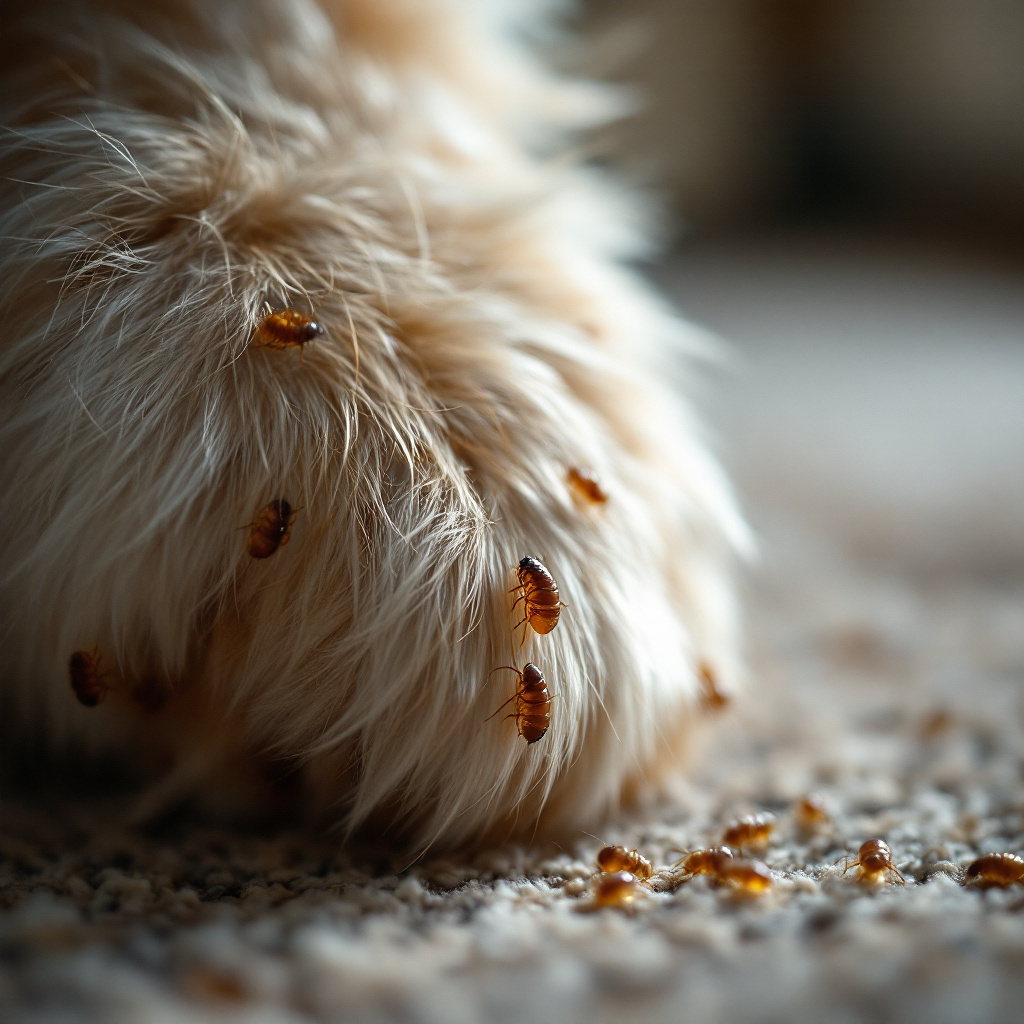
Like, imagine an actual iceberg. The part above the water — the part you can see — that’s the adult fleas. That’s only about 5% of the total flea population in your home. The other 95%? That’s eggs, larvae, and pupae, hiding in your carpets, your pet’s bedding, your couch cushions, and even those tiny gaps between your floorboards.
Let’s break it down. Fleas go through four stages: egg, larva, pupa, and adult. This is called a holometabolous life cycle, which is a fancy way of saying they completely change form at each stage. Like Pokémon, but way less cute.
After feeding on your pet’s blood, a female flea can lay up to 50 eggs a day. That’s not a typo. Fifty. Per day. And she’ll keep laying them as long as she has access to food. Over her lifetime, she can lay up to 2,000 eggs (CDC).
These eggs don’t stick to your pet. They fall off — onto your rug, your bed, your car seat. Anywhere your pet goes, really. And within 2 to 12 days, those eggs hatch into larvae.
Larvae are like tiny, pale worms. They don’t have legs, but they can crawl. And they’re hungry. They feed on organic debris — mostly “flea dirt,” which is just a gross way of saying dried blood poop from adult fleas. They love dark, humid places: under furniture, deep in carpet fibers, inside pet bedding.
After about a week or two, the larvae spin themselves into cocoons. This is the pupa stage — and it’s the hardest one to kill. The cocoon is sticky, so it picks up dust and debris and blends right into the environment. You could vacuum every day and still miss them. And they can stay in that cocoon for weeks, even months, until they sense a host nearby.
Then they emerge as adults, ready to feed and start the cycle all over again.
Here’s a quick table to show how the flea population breaks down in your home:
| Flea Stage | % of Total Infestation | Duration |
|---|---|---|
| Eggs | ~50% | 2–12 days |
| Larvae | ~35% | 5–20 days |
| Pupae | ~10% | Up to 5 months |
| Adults | ~5% | Up to 2–3 months |
So yeah, if you’re only killing the adult fleas you see, you’re losing the war.
Why flea infestations feel like they never end
You treat your pet. You vacuum like a maniac. You wash all the bedding. And yet… the fleas come back. What gives?
Well, remember those cocoons? The pupae? They’re like tiny time capsules, waiting for the perfect moment to hatch. You can spray all the insecticides you want, but most of them won’t touch the pupae. They’re protected by that sticky cocoon. They’ll just sit there, biding their time, until they feel the warmth of your dog’s pawsteps or the vibration of your vacuum cleaner. Then they hatch. And bite.
This is why flea infestations can feel like a never-ending nightmare. You’re not reinfested from outside — you’re dealing with a delayed wave of fleas that were already in your home, just waiting to hatch.
And if you’ve got wildlife passing through your yard — raccoons, squirrels, even stray cats — they can drop off new fleas, keeping the cycle going. Outdoor pets are especially at risk. Even if you treat your home perfectly, your dog could pick up new fleas every time they go outside.
That’s why it’s important to treat both your pet and your environment. You need something that kills adult fleas and disrupts the life cycle. Products with insect growth regulators (IGRs) are great for this. They stop eggs and larvae from developing, which helps break the cycle (FleaScience).
But even with the best products, you still need patience. It can take weeks — sometimes months — to fully get rid of fleas. You have to wait for all the pupae to hatch, and then kill those newly emerged adults before they can lay more eggs.
It’s a long game. But it’s winnable.
Fleas don’t just live on pets — they live in your house
Here’s the part that really messes with people: most fleas aren’t on your pet. They’re in your home.
Only about 5% of the flea population is actually living on your dog or cat at any given time. The rest are in the environment — your carpet, your couch, your baseboards. So if you’re only treating your pet, you’re leaving 95% of the problem untouched.
And fleas are good at hiding. Larvae burrow deep into carpet fibers. Pupae stick to dust and blend in. Eggs are so tiny you’d need a magnifying glass to see them. You could have a full-blown infestation and not even know it — until you start getting bitten.
That’s why vacuuming is so important. It doesn’t just suck up adult fleas — it also removes eggs, larvae, and flea dirt (aka food for the larvae). Plus, the vibrations from vacuuming can trigger pupae to hatch, making them easier to kill with treatments.
Washing your pet’s bedding in hot water helps too. So does steam cleaning your carpets. Basically, anything that disrupts the flea life cycle is your friend.
But if you’ve done all that and you’re still seeing fleas, it might be time to call in the pros. A residential pest control service can help you target the infestation at every stage — and they’ve got tools and treatments that go beyond what you can buy at the store.
Sometimes, it’s not about doing more. It’s about doing the right things in the right order.
Treating Pets for Fleas Safely and Effectively
Is it safe to treat my pet for fleas, or am I just trading fleas for side effects?
This is the question almost every pet owner asks the moment they hold a flea treatment in one hand and their dog’s trusting face in the other. You want to help them, not hurt them. But the labels? They read like a chemistry exam. Imidacloprid, Pyriproxyfen, Nitenpyram, sounds more like a spell from Harry Potter than something you’d want near your dog’s skin. So let’s break it down.
Most flea treatments fall into a few categories: oral tablets, topical drops, shampoos, sprays, and collars. Each one works differently. Some kill adult fleas fast. Others stop the eggs from hatching. The best ones do both. But not every product is safe for every pet.
For example, products with pyrethroids can be toxic to cats—even if you only use them on your dog. And flea collars? They’re convenient, sure, but some can cause skin irritation or worse if your pet chews on them or gets caught on something while playing.
So, how do you know what’s actually safe? Start with your vet. They know your pet’s age, weight, medical history, and what’s going around in your area. They’ll help you avoid the common mistake of grabbing a one-size-fits-all solution off the shelf. And if you’ve got both cats and dogs? You’ll need to be extra careful. Some dog treatments can be deadly to cats—even if they just snuggle up after application.
If you’re using a topical product, don’t let your pets groom each other until it’s fully dry. And don’t assume “natural” means “harmless.” Essential oils like tea tree and peppermint might sound gentle, but they can be toxic to pets in concentrated forms. Always check with your vet before trying anything new. Even if it smells like a spa day.
What actually works—and what’s just marketing fluff?
Let’s be honest. There are a lot of products out there that promise the moon and deliver… flea poop. You’ve probably seen the ads. “Kills fleas in 30 minutes!”. “Lasts for 8 months!”. “Safe for puppies, kittens, and your grandma’s parakeet!”. But here’s the thing: not all flea treatments are created equal. Some are quick fixes. Others are long-haul solutions. And some? They’re just expensive water.
Take oral tablets like Capstar (nitenpyram). They work fast—like, kill-fleas-in-30-minutes fast—but only on adult fleas. They don’t stop new ones from hatching. So if you’re dealing with an infestation, you’ll need to follow up with something longer-lasting. Topical treatments like Frontline Plus or Advantage II are more like the slow burn. They kill adult fleas and contain insect growth regulators (IGRs) that stop eggs and larvae from developing. That’s key.
Because if you don’t break the flea life cycle, you’re just playing whack-a-mole. And don’t forget about shampoos. They’re great for immediate relief—especially if your pet is crawling with fleas—but they don’t offer long-term protection. Think of them like a reset button. They wash away the problem, but they don’t stop it from coming back. Now, flea collars. Some are legit, like the Seresto collar, which can offer up to 8 months of protection. But others? They’re basically just overpriced jewelry. If you go the collar route, look for ones that contain both an adulticide and an IGR. And make sure they’re breakaway, especially if your pet is the adventurous type. You don’t want them getting stuck on a fence or branch.
Still not sure what to pick? The Canadian Parasitology Expert Panel recommends using a product with residual activity—something that keeps working between doses. That way, you’re not just reacting to fleas. You’re staying ahead of them.
How often should I treat my pet—and for how long?
This is where a lot of people get tripped up. They treat their pet once, maybe twice, and then stop when the fleas seem gone. But fleas are sneaky. They lay eggs that fall off your pet and hide in your carpet, your couch, and even the cracks in your floor. Those eggs hatch into larvae, then pupae, then adult fleas. And boom—you’re back to square one.
That’s why experts say you need to treat your pet consistently for at least three months. Sometimes longer. Especially if you’re dealing with a full-blown infestation. And yes, that means treating all your pets—even the ones that don’t seem itchy. Fleas don’t play favorites. They’ll jump from one pet to another like they’re at a buffet. If you skip one, you’re giving the fleas a safe haven. And they’ll use it.
Now, frequency depends on the product. Some oral meds are daily. Others are monthly. Some collars last for months, but only if they stay dry and intact. Always read the label. And don’t double up on treatments unless your vet says it’s okay. More isn’t always better. In fact, it can be dangerous. Overdosing on flea meds can cause tremors, vomiting, or worse. And don’t mix products unless you know they’re compatible.
A flea shampoo plus a topical treatment plus a collar? That’s a recipe for disaster. If you’re not sure what’s safe to combine, ask your vet. They’ll help you build a plan that works—and keeps your pet safe.
What if my pet is still scratching after treatment?
This is where things get frustrating. You’ve done everything right. You treated your pet. You vacuumed every inch of your house. You washed all the bedding in hot water. And yet… your dog is still scratching like they’re auditioning for a flea circus. So what gives? Well, a few things.
First, the fleas might not be gone yet. Even the best treatments take time. Remember, flea pupae can hang out in their cocoons for weeks, waiting for the right moment to hatch. That means you might see new fleas for a while—even after treatment.
Second, your pet might be dealing with flea allergy dermatitis. That’s a fancy way of saying they’re allergic to flea saliva. Even one bite can cause days of itching, redness, and misery. In that case, your vet might recommend antihistamines or steroids to calm things down.
Third, it might not be fleas at all. Mites, food allergies, dry skin—there are lots of things that can make a pet itchy. If the scratching doesn’t stop after a few weeks of flea treatment, it’s time to talk to your vet. They can run tests to figure out what’s really going on.
And finally, don’t forget about the environment. Even if your pet is protected, fleas can still live in your home. That’s why it’s important to treat both your pet and your space. Use a flea spray that contains an IGR, like Indorex Defence, and vacuum daily for at least two weeks. Wash all pet bedding regularly. And if you’ve got a serious infestation, consider calling in a residential pest control service. They’ve got tools that go beyond what you can buy at the store.
Quick comparison: what works best for your pet?
| Treatment Type | Kills Adult Fleas | Stops Eggs/Larvae | Duration | Notes |
|---|---|---|---|---|
| Oral Tablets (e.g., Capstar) | Yes | No | 24 hours | Fast relief, but short-term |
| Topical Drops (e.g., Advantage II) | Yes | Yes | 30 days | Good for long-term control |
| Flea Collars (e.g., Seresto) | Yes | Yes | 6–8 months | Hands-off, but watch for skin issues |
| Shampoos | Yes | No | Immediate | Great for heavy infestations |
| Natural Remedies | Sometimes | Rarely | Varies | Use with caution; not for infestations |
So what’s the safest way to treat pets for fleas?
It’s not about finding the “perfect” product. It’s about finding the right one for your pet, your home, and your lifestyle. That might mean a monthly topical for your cat, a long-lasting oral for your dog, and a flea spray for your carpets. Or it might mean switching things up seasonally—especially if you live in a place where fleas are active year-round. And yes, it might mean spending a little more up front. But trust me, it’s cheaper than dealing with a full-blown infestation. Or a vet bill for flea-related anemia. Or your dog chewing their tail bald. If you’re overwhelmed, start small.
Treat your pet. Vacuum daily. Wash the bedding. Then build from there. And if you need help figuring out what to use, your vet is your best friend. They’ll help you cut through the noise and find something that actually works. Because at the end of the day, this isn’t just about fleas. It’s about your pet’s comfort. Your peace of mind. And maybe—just maybe—getting through the night without scratching your own ankles raw.
Cleaning and Treating the Home Environment to Get Rid of House Fleas
Why cleaning alone won’t cut it (but it’s still where you start)
Let’s get one thing straight: vacuuming your floors once and lighting a lavender candle isn’t going to solve your flea problem. I wish it were that easy. But fleas are like glitter at a kid’s birthday party—once they’re in, they’re everywhere, and they don’t leave quietly.
Fleas don’t just live on your pets. They burrow deep into your carpet fibers, hide in the cracks of hardwood floors, and even nestle into the seams of your couch cushions. You might not see them, but trust me, they’re there—lurking like tiny vampires waiting for their next snack.
Cleaning is your first line of defense, but it has to be aggressive and consistent. Think of it like brushing your teeth after eating candy—you can’t just do it once and expect to avoid cavities. You’ve got to go all in.
Start with vacuuming. And not just a casual once-over. You need to vacuum like your life depends on it. Focus on high-traffic areas, baseboards, under furniture, and especially around your pet’s favorite hangouts. Flea eggs are sticky little things, and they can fall off your pet like confetti. A study from the University of Florida found that vacuuming can kill up to 96% of adult fleas and 100% of the larvae and pupae in carpet fibers. That’s not a typo. Vacuuming kills them—not just sucks them up.
But here’s the catch: you have to empty the vacuum bag or canister outside immediately after. Otherwise, you’re just giving them a free ride around your house like some twisted Uber service.
Steam cleaning is another heavy hitter. Fleas can’t survive high heat, and steam cleaners can reach temperatures of over 100°C. That’s hot enough to kill fleas at every stage of life—eggs, larvae, pupae, and adults. If you’ve got carpets or upholstered furniture, steam them like you’re trying to cook the fleas alive. Because, well… you are.
And don’t forget your pet’s bedding. Wash it in hot water—ideally above 60°C—and dry it on high heat. Do this every few days during an active infestation. If the bedding is too delicate for that kind of treatment, toss it and get a new one. Sentimental value doesn’t apply when it’s infested with parasites.
If you’re using flea sprays or powders, look for ones that contain insect growth regulators (IGRs). These mess with the flea’s life cycle, stopping eggs from hatching and larvae from growing up into biting adults. It’s like birth control for fleas. And yes, it’s as satisfying as it sounds.
Some people swear by natural remedies like diatomaceous earth. It’s a fine powder made from fossilized algae that cuts through the flea’s exoskeleton and dehydrates them to death. It’s slow, but it works. Just make sure you get food-grade DE, not the stuff used for swimming pools. And wear a mask when applying it—it’s not toxic, but it’s dusty as heck.
Now, if you’re thinking of using essential oils—pause. Some of them (like tea tree or eucalyptus) can be toxic to pets. So unless you’ve done your homework or talked to your vet, skip the DIY potion-making.
And whatever you do, don’t rely on those ultrasonic flea repellers. They’re about as useful as a chocolate teapot. Multiple studies have shown they don’t do a thing. Save your money.
If you want to take it up a notch, consider an exterior treatment to stop fleas from entering your home in the first place. Fleas often hitch a ride indoors from your yard, especially if you’ve got raccoons, squirrels, or neighborhood cats passing through.
Where fleas hide (and why you need to think like one)
Let’s play a game. Pretend you’re a flea. You’re tiny, you’re hungry, and you’re looking for a warm, dark place to lay your eggs. Where do you go?
Under the couch? Behind the TV stand? Inside that pile of laundry you’ve been meaning to fold since last Tuesday?
Exactly.
Fleas are sneaky. They don’t just hang out in obvious places. They love cracks in hardwood floors, the seams of your mattress, the underside of rugs, and even the folds of curtains. If you’ve got clutter, they’ll use it like a five-star hotel.
So you need to declutter. I know, I know—nobody wants to hear that. But clutter gives fleas more places to hide and makes cleaning way harder. If you’ve got piles of clothes, stacks of papers, or random boxes sitting around, it’s time to channel your inner Marie Kondo and get ruthless. If it doesn’t spark joy, or if it might be harboring fleas, toss it.
Pay special attention to pet zones. If your dog has a favorite couch cushion or your cat loves to nap in the windowsill, those are flea hotspots. Treat them like crime scenes. Vacuum, steam, spray, repeat.
And don’t forget your car. If your pet rides with you, fleas can hitch a ride and set up shop in your car upholstery. Vacuum the seats, use a steam cleaner if you can, and treat it with a pet-safe flea spray.
Even your laundry basket isn’t safe. If it’s full of clothes your pet has touched, wash them. Hot water. High heat. No mercy.
Fleas can even hide in electronics. I’m not kidding. Warmth and darkness? That’s flea real estate gold. If you’ve got a flea infestation and your pet likes to nap near your gaming console or computer tower, you might want to give those a good wipe down and vacuum around them.
How often should you clean during a flea infestation?
Short answer? Constantly.
Long answer? You need a schedule. Think of it like a workout plan, but instead of abs, you’re aiming for a flea-free home.
During an active infestation, vacuum every single day. Yes, every day. It sounds like overkill, but fleas lay up to 50 eggs a day. Miss a day, and you’re giving them a head start.
Wash pet bedding every 2–3 days. Same goes for throw blankets, pillow covers, and anything else your pet touches regularly.
Steam clean carpets and upholstery once a week if you can. If that’s not doable, aim for every two weeks.
Apply flea sprays or powders every 7–10 days, depending on the product instructions. And rotate between products if you can—fleas can build resistance over time.
Keep this up for at least 4–6 weeks. That’s how long it can take to break the flea life cycle completely. Even if you stop seeing fleas after a week, don’t stop cleaning. They’re still there, hiding, waiting.
Here’s a quick table to make it easier:
| Task | Frequency | Notes |
|---|---|---|
| Vacuuming | Daily | Focus on carpets, pet areas, baseboards |
| Washing pet bedding | Every 2–3 days | Use hot water and high heat |
| Steam cleaning | Weekly | Carpets, rugs, upholstery |
| Flea spray/powder | Every 7–10 days | Use products with IGRs |
| Decluttering | Ongoing | Less clutter = fewer hiding spots |
What to do if cleaning isn’t enough
Sometimes, even after all the vacuuming, steaming, and washing, the fleas just keep coming back. It’s like playing whack-a-mole, but with more itching.
If that’s the case, you might be dealing with a deeper issue. Maybe there’s a hidden nest in your walls. Maybe fleas are coming in from your yard. Or maybe your neighbor’s pet is infested and sharing the love.
This is when you call in reinforcements.
A professional exterminator can treat areas you can’t reach and use stronger products that aren’t available over the counter. But don’t just pick the first name you find online. Look for someone who knows what they’re doing. If you’re in Montreal, here’s a guide on how to choose an exterminator.
And ask questions. What products do they use? Are they safe for pets and kids? Do they offer follow-up treatments? A good exterminator will walk you through the process and help you build a plan to keep fleas from coming back.
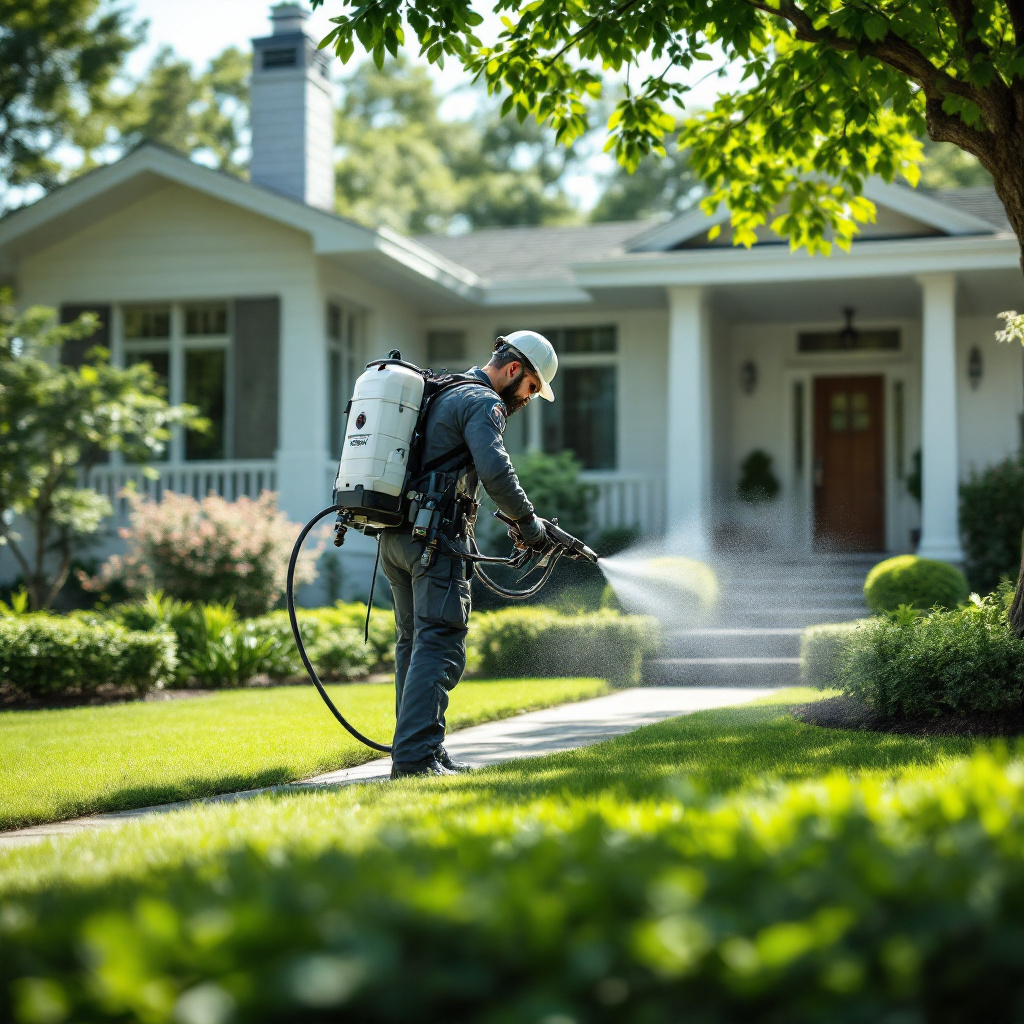
You might also need to treat your yard. Fleas love shady, damp areas—under decks, near bushes, and around the base of trees. If your pet spends time outside, that’s probably where they’re picking up new fleas. Yard sprays, nematodes (tiny worms that eat flea larvae), and regular lawn maintenance can all help.
And if you live in an apartment or condo, talk to your building manager. Fleas can travel between units, especially if pets are allowed. You might need a building-wide treatment to fully solve the problem.
One last thing—don’t forget about prevention. Once the fleas are gone, keep up with regular cleaning. Use flea preventatives on your pets year-round. And stay alert. The second you see a flea, act fast. The longer you wait, the harder it is to get rid of them.
Fleas are stubborn. But with the right cleaning plan, a little persistence, and maybe a few swear words, you can beat them. Just don’t let your guard down. Ever.
Outdoor and Professional Flea Control Solutions
Why your yard might be the real flea factory
Let’s be real—most people don’t think about their backyard when they’re dealing with a flea problem. You’re too busy vacuuming the couch for the third time this week or giving your dog another flea bath that smells like a mix of chemicals and regret. But here’s the kicker: your yard might be the reason you can’t get ahead of the infestation.
Fleas love warm, humid, shady spots. They’re not sunbathers. They’re more like those people who always ask to sit in the shade at a patio brunch. So if your yard has overgrown grass, piles of leaves, or a cozy little spot under the deck where your dog likes to nap—congrats, you’ve got prime flea real estate.
And it’s not just your pets bringing them in. Stray cats, raccoons, squirrels, and even rats can drop off fleas like unwanted party guests. You don’t even need to see the animals. If they pass through your yard at night, they could be leaving behind flea eggs, larvae, and pupae just waiting to hatch. And once they do? They’re hitching a ride on your dog’s tail straight into your living room.
Now, if you’ve already treated your home and your pets, but fleas keep coming back like a bad sequel, it’s time to look outside. You need to treat your yard like it’s part of the problem—because it is.
What actually works in your yard
Okay, so you’ve accepted that your yard is a flea breeding ground. Now what?
Let’s start with what doesn’t work. Essential oils and flea-repelling plants like lavender and lemongrass? They smell nice, sure. But according to experts like entomologist Dr. Nancy Hinkle, there’s no solid science backing up their effectiveness against fleas in outdoor spaces (Southern Living). Same goes for those ultrasonic devices that claim to repel fleas with sound. Studies show they’re about as effective as yelling at the fleas to leave.
What does work? A mix of chemical treatments, biological control, and good old-fashioned yard maintenance.
Let’s break it down.
Chemical sprays with insect growth regulators (IGRs) are your best bet. These don’t just kill adult fleas—they stop eggs and larvae from developing. That’s important because flea eggs make up about 50% of the total flea population in your yard. If you’re only killing adults, you’re losing the war.
Pyrethroids like bifenthrin are popular for yard sprays. They knock down adult fleas fast. But they don’t last long, and they don’t touch the eggs. That’s why most pros recommend combining them with IGRs like methoprene or pyriproxyfen. Together, they hit fleas at every stage of life.
You’ll need to spray shady areas—under decks, around bushes, along fences—anywhere your pet likes to hang out. And you’ll need to do it more than once. Most products suggest a second treatment 7 to 10 days later to catch any fleas that hatched after the first round.
And yeah, you’ll need to keep your pets off the treated areas until everything dries. No one wants a chemical paw print trail through the house.
If you’re looking for a more natural option, beneficial nematodes are worth a shot. These are microscopic worms that you mix with water and spray into your yard. They eat flea larvae like it’s an all-you-can-eat buffet. They’re safe for pets, plants, and people, and they don’t leave any residue. Just don’t expect instant results—they work slowly, over weeks.
Oh, and one more thing: mow your lawn. Seriously. Fleas love tall grass and organic debris. Keep your yard trimmed, rake up leaves, and don’t let your dog nap in that shady corner under the tree. You’re basically removing their hiding spots.
What pros do differently (and why it works)
Here’s the thing about professional flea control: it’s not just about stronger chemicals. It’s about strategy.
Most pros use an integrated approach. That means they don’t just blast your yard with insecticide and call it a day. They look at the whole picture—your pets, your home, your yard, even your neighbors’ yards if needed.
They’ll usually start with an inspection. That means checking for signs of fleas, figuring out where they’re hiding, and identifying any wildlife that might be bringing them in. If you’ve got a raccoon living under your shed, no amount of flea spray is going to fix the problem until that raccoon moves out.
Then they’ll apply a combination of adulticides and IGRs to kill existing fleas and prevent new ones from hatching. Some companies use granules that soak into the soil and last longer than sprays. Others use misting systems or foggers for hard-to-reach areas.
And they’ll often follow up with a second treatment a few weeks later. That’s because flea pupae can survive for up to 12 days in a protective cocoon. Once they hatch, they’re vulnerable—but only if you’re ready for them.
Some companies even offer maintenance plans. That means regular treatments throughout the year, not just when you have a problem. It’s like pest control on autopilot.
Here’s a quick comparison of common outdoor flea treatments:
| Treatment Type | Kills Adults | Stops Eggs/Larvae | Duration | Notes |
|---|---|---|---|---|
| Pyrethroid Sprays | Yes | No | 1–2 weeks | Fast knockdown, but short-lived. Combine with IGR for full coverage. |
| IGR Sprays (e.g., methoprene) | No | Yes | 2–4 weeks | Prevents new fleas, but won’t kill existing ones. |
| Beneficial Nematodes | No | Yes | 2–6 weeks | Natural option, works slowly. Needs moisture to survive. |
| Professional Barrier Spray | Yes | Yes | 3–6 weeks | Applied by pros, targets flea hotspots. |
| Granular Insecticides | Yes | Sometimes | 4–8 weeks | Longer-lasting, good for large yards. |
The biggest difference? Pros know how to layer these treatments for maximum effect. You might be using the right product, but in the wrong place, or at the wrong time. They don’t make those mistakes.
And if you’ve got a serious infestation—like, fleas in your crawl space, under your deck, and in your neighbor’s yard—you’re going to need that kind of expertise.
What to expect after treatment (and what not to freak out about)
Okay, so you’ve treated your yard. Maybe you’ve even hired a pro. You’re feeling good. Confident. Like you’ve finally turned the tide.
Then your dog scratches.
And you panic.
Here’s the deal: even with the best treatment, you might still see fleas for a few weeks. That’s normal. Flea pupae are like little time bombs. They can sit dormant for days or even weeks, waiting for the right conditions to hatch. And once they do, they’ll jump on the nearest warm body—your pet, your leg, whatever.
But if you’ve treated correctly, those fleas won’t live long. They’ll die before they can lay more eggs. That’s the goal.
Keep vacuuming. Keep treating your pets. And don’t skip your follow-up treatments. The flea life cycle is relentless, but it’s not invincible.
And if you’re still seeing fleas after a month? Call your pest control company. Most offer a guarantee and will re-treat if needed.
One last thing—don’t forget about prevention. Once the fleas are gone, you want to keep them gone. That means year-round flea meds for your pets, regular yard maintenance, and staying alert. The second you see a flea, act fast. The longer you wait, the harder it gets.
Fleas are stubborn. But they’re not smarter than you.
You’ve got this.
Conclusion
Effectively getting rid of house fleas requires a comprehensive, multi-pronged approach that targets not only adult fleas but also their eggs, larvae, and pupae. The research highlights that adult fleas represent just 5% of the total infestation, with the remaining 95% hidden in the environment—carpets, bedding, furniture, and even cracks in the floor. Simply treating your pet is not enough. To truly eliminate fleas, you must break their life cycle using a combination of pet-safe treatments (preferably those with insect growth regulators), rigorous and consistent home cleaning (including vacuuming, steam cleaning, and washing pet bedding), and, when necessary, professional pest control services. Outdoor areas must also be addressed, as yards can serve as breeding grounds for fleas, especially if frequented by wildlife.
The most important takeaway is that flea eradication is a process, not a one-time event. It can take several weeks to fully eliminate an infestation due to the resilience of flea pupae, which can remain dormant for months. Consistency, patience, and the right combination of treatments are key. Pet owners should consult their veterinarians to choose safe and effective flea control products and maintain a regular prevention routine year-round. For persistent infestations, professional exterminators can provide targeted solutions that go beyond over-the-counter options. Ultimately, understanding the flea life cycle and acting strategically at every stage is the only way to win the battle against these persistent pests.
Frequently Asked Questions (FAQ)
1. How long does it take to get rid of fleas completely?
It typically takes 4 to 6 weeks to fully eliminate a flea infestation, though severe cases may take longer. This is because flea pupae can remain dormant for up to five months and are resistant to most treatments. Consistent cleaning, treating pets with vet-recommended products, and using insect growth regulators (IGRs) in your home and yard are essential to breaking the flea life cycle.
2. What’s the most effective way to treat my pet for fleas?
The most effective treatment depends on your pet’s age, health, and lifestyle. Topical treatments like Advantage II or Frontline Plus, which include both adulticides and IGRs, are great for long-term control. Oral medications like Capstar work quickly but only kill adult fleas. Flea collars like Seresto offer extended protection. Always consult your vet before starting any treatment to ensure safety and efficacy.
3. Why do fleas keep coming back even after treatment?
Fleas often return because their pupae are resistant to most treatments and can hatch weeks after the initial infestation. Additionally, untreated areas like your yard, car, or hidden spots in your home may still harbor fleas. Pets can also pick up new fleas from outdoor environments or other animals. Continued treatment and environmental control are necessary for long-term success.
4. How often should I vacuum and clean during a flea infestation?
Vacuum daily during an active infestation, focusing on carpets, baseboards, furniture, and pet areas. Wash pet bedding and soft furnishings every 2–3 days in hot water. Steam clean carpets and upholstery weekly if possible. This level of cleaning should continue for at least 4–6 weeks to ensure all flea life stages are addressed.
5. Are natural remedies like diatomaceous earth or essential oils effective?
Food-grade diatomaceous earth can be effective against adult fleas by dehydrating them, but it works slowly and must be applied carefully. Essential oils are less reliable and can be toxic to pets, especially cats. Always consult your vet before using any natural remedies, and never rely on them as the sole method of flea control during an infestation.
6. When should I call a professional exterminator?
Call a professional if you’ve treated your pets and cleaned your home thoroughly but fleas persist after several weeks. Professionals have access to stronger, longer-lasting treatments and can identify hidden infestation sites. They also offer integrated pest management plans that include follow-up treatments and yard control, which are crucial for eliminating fleas at every stage of their life cycle.