
Cockroach Exterminator
One cockroach spotted at night is rarely the only one: we target the colony, not just the ones you see.
Signs of a cockroach infestation
- Cockroaches running from the light when you switch it on in the kitchen or bathroom at night
- Small black droppings, like ground pepper or coffee grounds, in drawers, cupboards and behind appliances
- Egg cases, brown and elongated, about 6 to 8 mm, empty or full
- A musty smell in a heavy infestation
Cockroaches seen in daylight mean the population is big enough that hiding places are running out. If you find one, see what to do right away.
Know the cockroach
In Quebec, almost every cockroach found in homes and commercial kitchens is a German cockroach. It lives indoors, close to warmth, water and food.
Description
Breeding
Where they hide
How they arrive
Risks
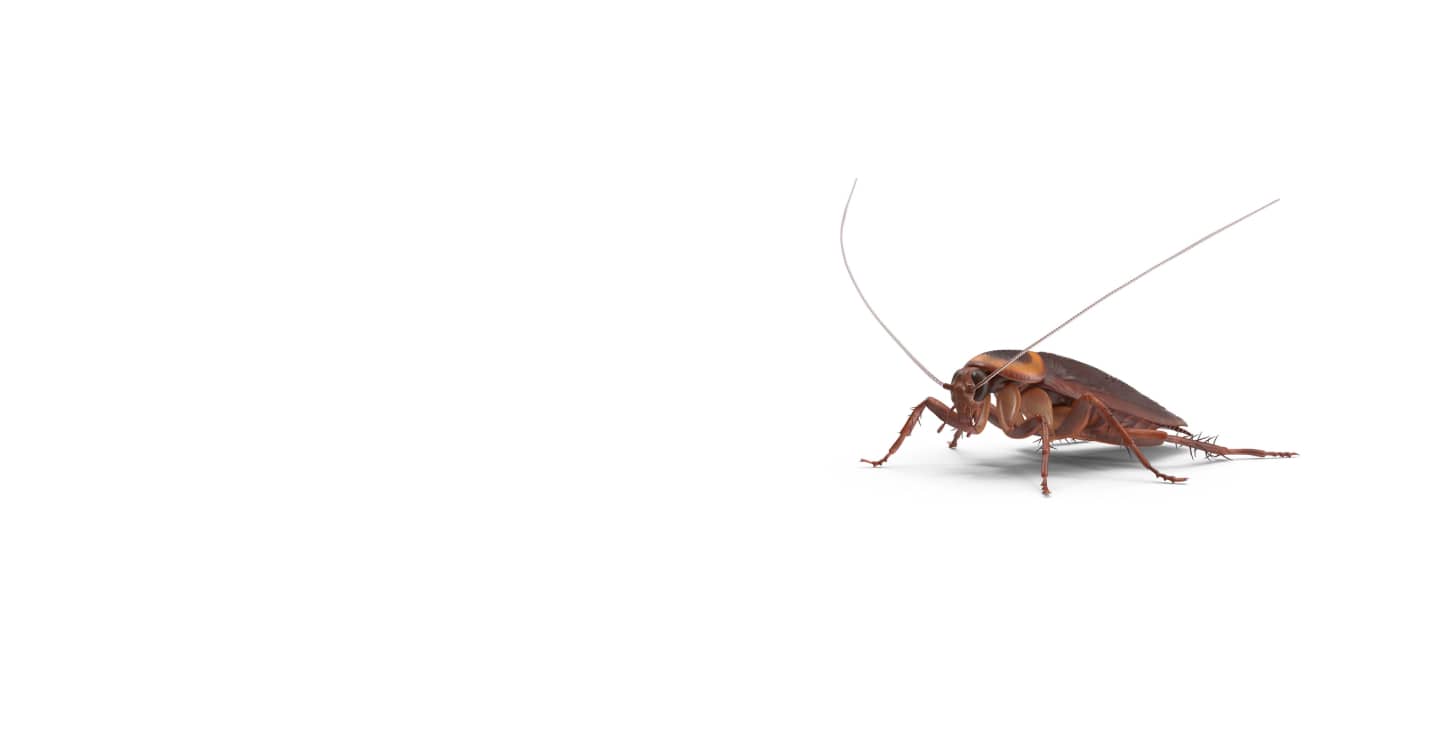
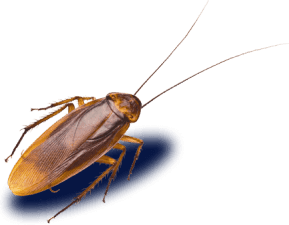
The German cockroach is 12 to 15 mm long, light brown, with two dark parallel stripes behind the head. It has wings but rarely flies. Other species exist, larger and less common in homes: the oriental cockroach, almost black, in damp basements, and the American cockroach, reddish-brown, in some commercial buildings. See the species found in Montreal.
The female carries her egg case, which holds around thirty eggs, until they are ready to hatch. The young reach adulthood in about two months at room temperature. That speed is why a handful of cockroaches becomes an infestation within a few months.
In warm, dark cracks near water and food: behind the fridge and stove, under the sink, in cupboard hinges, appliance motors, cardboard boxes. In a building, they move between units through ducts, pipes and baseboards. See German cockroaches in Montreal housing.
In cardboard boxes, grocery bags, used appliances or furniture, or from a neighbouring unit. In Quebec they don’t come in from outside: the German cockroach can’t survive the winter outdoors.
Cockroaches contaminate surfaces and food as they move from drains to counters. Their droppings and shed skins contain allergens known to trigger asthma, especially in children.
How we get rid of cockroaches
The inspection. We find the hot spots: behind which appliances, in which cupboards, through which passages. In a building, we check neighbouring units.
Gel baits. Placed in small amounts in the cracks where cockroaches live, they are carried back into hiding and reach the ones you never see. It’s the opposite of a spray, which drives them off and scatters the colony.
Follow-up. We come back to check, remove what has been eaten and treat new hatchings until activity stops. Our treatments are guaranteed over a period agreed up front: if the cockroaches come back, so do we.
What you can do
- Don’t use sprays or bug bombs: cockroaches scatter and then avoid the baits
- Don’t leave dirty dishes or food out overnight, and empty the garbage every evening
- Wipe up water around the sink and fix leaks: they need to drink
- Get rid of cardboard boxes, where they hide and lay eggs
- Don’t clean treated areas with strong products until the technician says so
For restaurants and food businesses. Cockroaches can lead to required corrective action at a food inspection. See our commercial preventive service and our guide to protecting a food business before an inspection.
Cockroaches: frequently asked questions
Why don’t sprays solve the problem?
Because they only kill the cockroaches they hit and drive the rest into deeper hiding or the neighbouring units. They also contaminate surfaces and make baits less attractive.
I saw a single cockroach: should I worry?
How long does it take to get rid of them?
Do cockroaches come from the neighbours?
Are cockroaches a health risk?
How much does cockroach extermination cost?
Cockroaches at home or at work?
Call 514-638-8705 (toll-free: 1-855-472-3352), 24 hours a day, or fill in the form: the estimate is free.