
Hornets Pest Control
Hornet fact sheet
The hornet is a species of wasp that can be found in many parts of the world. It is known for its imposing size, its spherical nest and its dangerous reputation for humans.
Hornet lifestyle
Physical description
Life cycle
Habitat
Identification
The hornet is a solitary and territorial species. Males and females meet only to mate, and the males usually die soon after. The females are responsible for building the nest and caring for the larvae. Hornets feed on various insects and nectar.
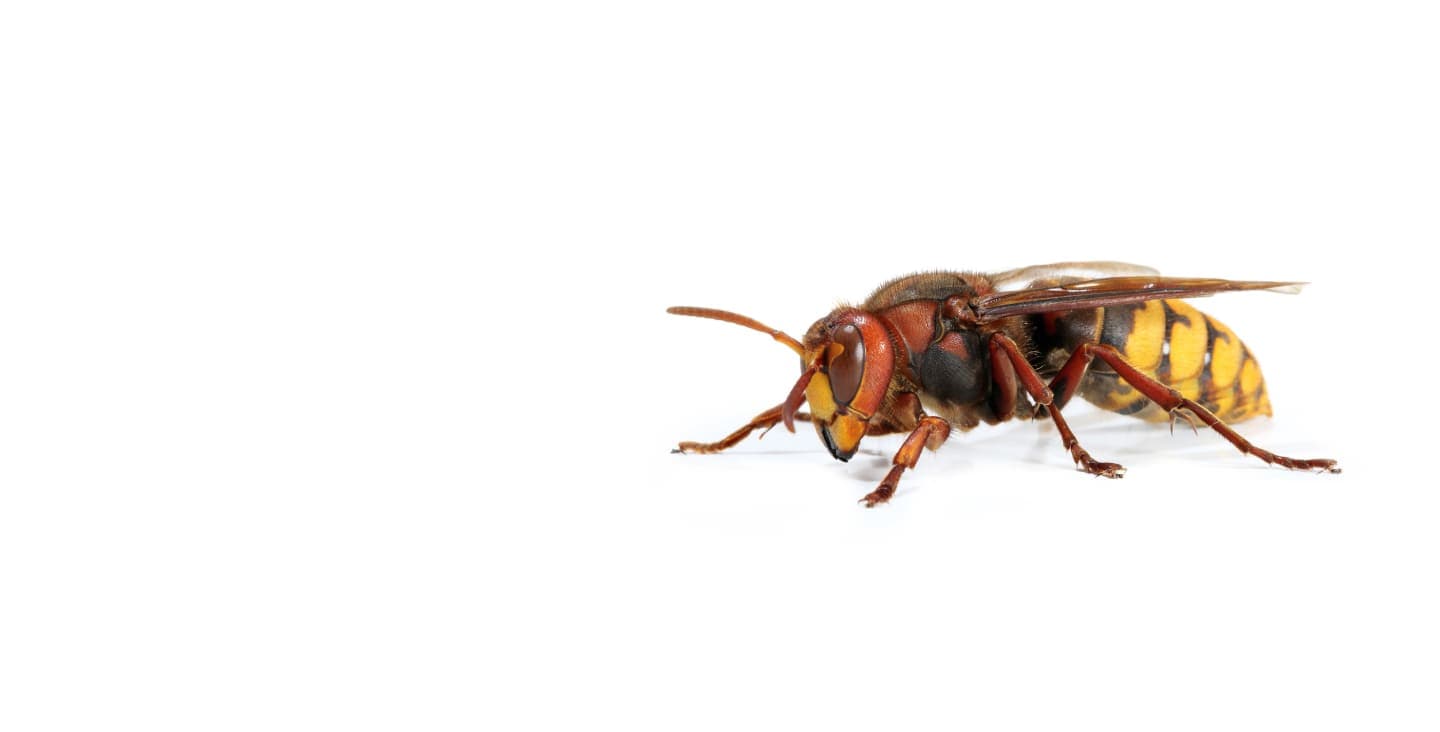
Hornets have elongated bodies and broad thorax. The head is small with large mandibles and compound eyes. The wings are large and can measure up to 3 cm in length. The color usually varies from yellow to black with yellow or black stripes on the thorax and abdomen. Hornets are usually between 2.5 and 4 cm long.
Hornets live in colonies and go through a developmental stage progression from egg to larva to pupa to adult. The queen lays eggs throughout the season, which are brooded and nurtured by the workers.
Hornets inhabit paper nests which they often build under roofs, in trees or in natural cavities. They are common in temperate and tropical regions in all parts of the world.
Hornets are large wasps with a marked black and yellow body. Males often have yellow patches on their torso, while females are darker with smaller yellow markings. Hornets can be up to 5cm long and are known for their painful sting.
How to get rid of a nest of hornets?
It is important to be very careful when trying to get rid of a hornet’s nest. This is usually a task for an experienced exterminator. He can use specific insecticides to eliminate the hornets and the nest safely.
Who should you contact when you see a hornet's nest in Quebec?
If you encounter a hornet’s nest in Quebec, it’s recommended to contact a local pest control service. They have the necessary training and equipment to safely remove the nest.
You should not attempt to remove a hornet’s nest yourself, as hornets can become aggressive when their nest is threatened, and their stings can be very painful and potentially dangerous, especially to those who are allergic.
If the nest is on public property, you might want to contact your local municipality or the Quebec Ministry of Forests, Wildlife and Parks. They can provide guidance on the appropriate steps to take.