
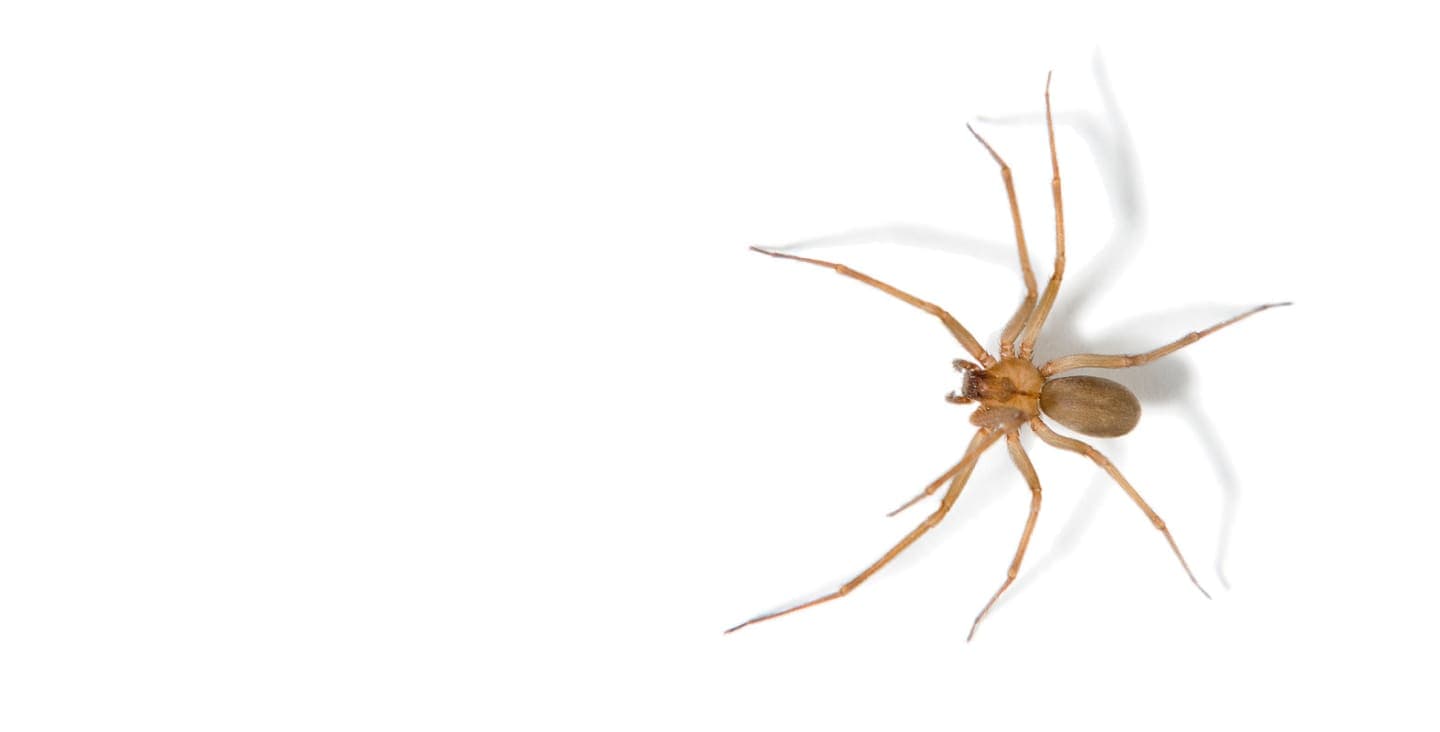
Spider Pest Control
Spider fact sheet
The spider is an animal belonging to the order Arachnids. There are over 45,000 species of spiders in the world, each with distinct characteristics and a variety of lifestyles. Spiders are often thought of as insects, but they are actually separate from them.
Spider lifestyle
Physical description
Life cycle
Habitat
Identification
Most spiders are solitary and hunt alone. They feed on small insects, lizards and mice, depending on the species. Some spiders build webs to trap their food, while others chase their prey directly. Spiders are often feared because of their ability to bite, although most spider bites are harmless to humans.
Spiders have a head and a thorax connected by a neck, as well as eight legs. Most spiders also have sensory organs called palpated to detect food and their prey. Spiders can vary in size from a few millimeters to several centimeters depending on the species. Some spiders may have distinct colors to help camouflage themselves or attract prey.
Spiders typically go through a life cycle that includes egg, larva, pupation stage, and adult. Some spiders lay eggs in egg sacs they construct, while others lay eggs directly. The length of each stage varies by spider species, but most reach maturity within a few months to a year.
Spiders can live in a variety of habitats, including forests, deserts, urban areas, and coastal areas. Some spiders can also live in aquatic habitats.
There are many species of spiders, each with distinct characteristics. Spiders can be identified by their general appearance, colors, size, and web. It is often helpful to consult an expert to identify a specific spider.
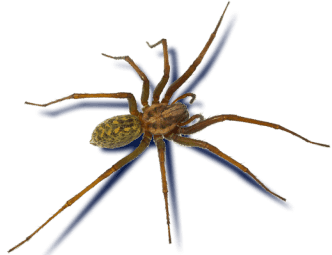
The spiders most frequently found in homes in Quebec
In Quebec, several species of spiders can be commonly found in homes. Here are some of the most common spiders:
- Wolf Spider (Family Lycosidae): Wolf spiders are active hunters who do not weave webs to capture their prey. They are often brown or gray in color with markings or patterns on their bodies.
- Money spider (Parasteatoda tepidariorum): These spiders, also known as corner spiders, are often found in the corners of rooms, basements and attics. They weave irregular and messy webs to capture their prey.
- House spider (Eratigena atrica): These spiders are also common in houses, where they weave funnel-shaped webs to capture prey. They are usually brown in color with darker markings on their body.
- Phalangist Seal (Pholcus phalangioides): These spiders, also called longlegged or reaper spiders, have slender bodies and long, slender legs. They weave domed webs in corners of rooms and low-traffic areas.
- Jumping Spider (Family Salticidae): Jumping spiders are small, active and agile spiders that hunt prey by jumping on them. They have large front eyes and are often colorful or have interesting patterns.
Are spiders dangerous in Quebec?
Spiders are generally not dangerous, but some can cause mild pain and irritation after being bitten. Spiders are actually good for the home because they eat other harmful insects.