
Wasp Pest Control
Wasp Fact Sheet
Wasps are insects of the Vespidae family, closely related to hornets and bees. They are found all over the world and have a variety of food habits, ranging from insects to fruits and nectar.
Wasp lifestyle
Physical description
Life cycle
Habitat
Identification
Wasps are social and live in colonies with a queen who lays the eggs and workers who take care of the nests, food and defense of the colony. Some species of wasps are solitary and live alone.
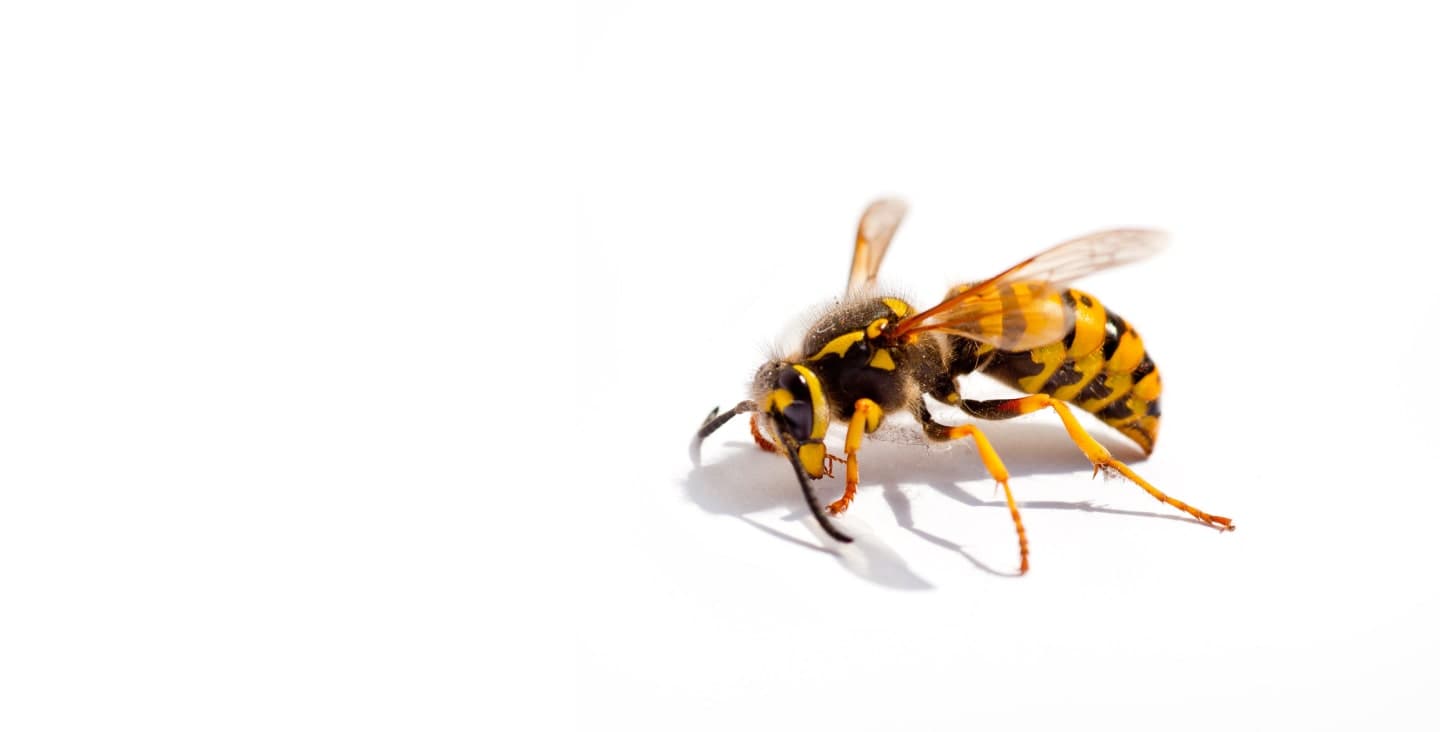
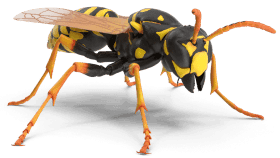
Wasps have elongated bodies and membranous wings. They are generally larger than bees and can have various colors, ranging from black and yellow to striped patterns. Some species of wasps have a stinger to defend themselves and sting their prey.
The wasp life cycle begins with the oviposition of the queen. The eggs hatch into larvae which are fed by the workers until they pupate. Then the nymphs turn into adult wasps and join the colony. The queen usually lives for several years, while the workers and males die at the end of the season.
Wasps can live in many types of habitats, from forests to urbanized areas. Some species build paper nests in trees, under roofs or in natural cavities. Other species dig nests in the ground.
Wasps can be identified by their elongated bodies and membranous wings. Some species can be distinguished by their color or striped pattern. It is important to watch out for the presence of stinging stingers, as some species of wasps can sting if they feel threatened.
How much does it cost to remove a wasp nest?
The price for removing a wasp nest depends on several factors, such as the size of the nest, the location and the complexity of the removal. It is recommended to request a quote from a certified exterminator to obtain an accurate estimate.
When is the best time to treat a wasp nest?
The best time to treat a wasp nest is early morning or late evening when most wasps are inside the nest and less active.