
Introduction
Quebec homes are particularly vulnerable to rodent intrusions in the fall. Among the most common entry points is the attic — the area between the ceiling and the roof — which is a preferred passage for mice, especially deer mice (Peromyscus maniculatus) and house mice (Mus musculus).
Invisible in daily life, the attic can host an entire colony without the occupants noticing for weeks or even months. However, an infestation can cause property damage, noise disturbances, and health risks.
In this article, we’ll explore how to spot mice in the attic, identify potential entry points, and implement long-term solutions to prevent their return.
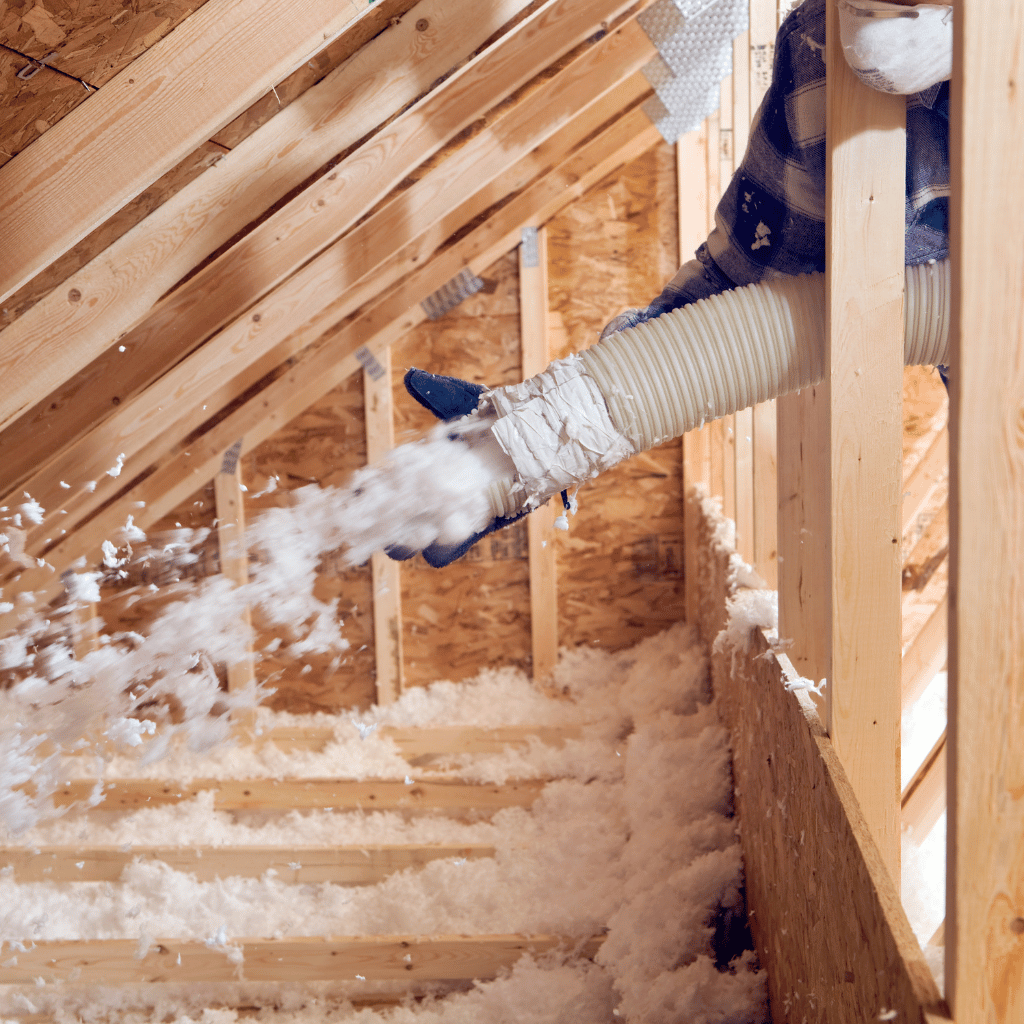
Why Mice Choose the Attic
The attic offers several ideal conditions for mice:
- Warmth: As winter approaches, it’s warmer than outside and rarely visited by humans.
- Quiet: Low traffic, no light, and minimal disturbances.
- Easy access: Loose shingles, poorly secured soffits, gaps around roof vents, unsealed ducts.
- Food access: Once inside, mice can easily travel through walls to reach the kitchen or pantry.
The typical architecture of Quebec homes — with soffits, dormers, and aging shingles — creates plenty of tiny gaps rodents can exploit.
Signs of Mice in the Attic
Here are the most common signs:
- Scratching or scurrying noises at night, especially in the evening or early morning.
- Mouse droppings: small black pellets (3–6 mm), often clustered.
- Urine odors in upper rooms or in the attic.
- Displaced or shredded materials: chewed insulation, paper scraps, gnawed wires.
- Nests made from insulation, paper, or fabric.
- Grease marks around small holes in walls or wood (left by oily fur).
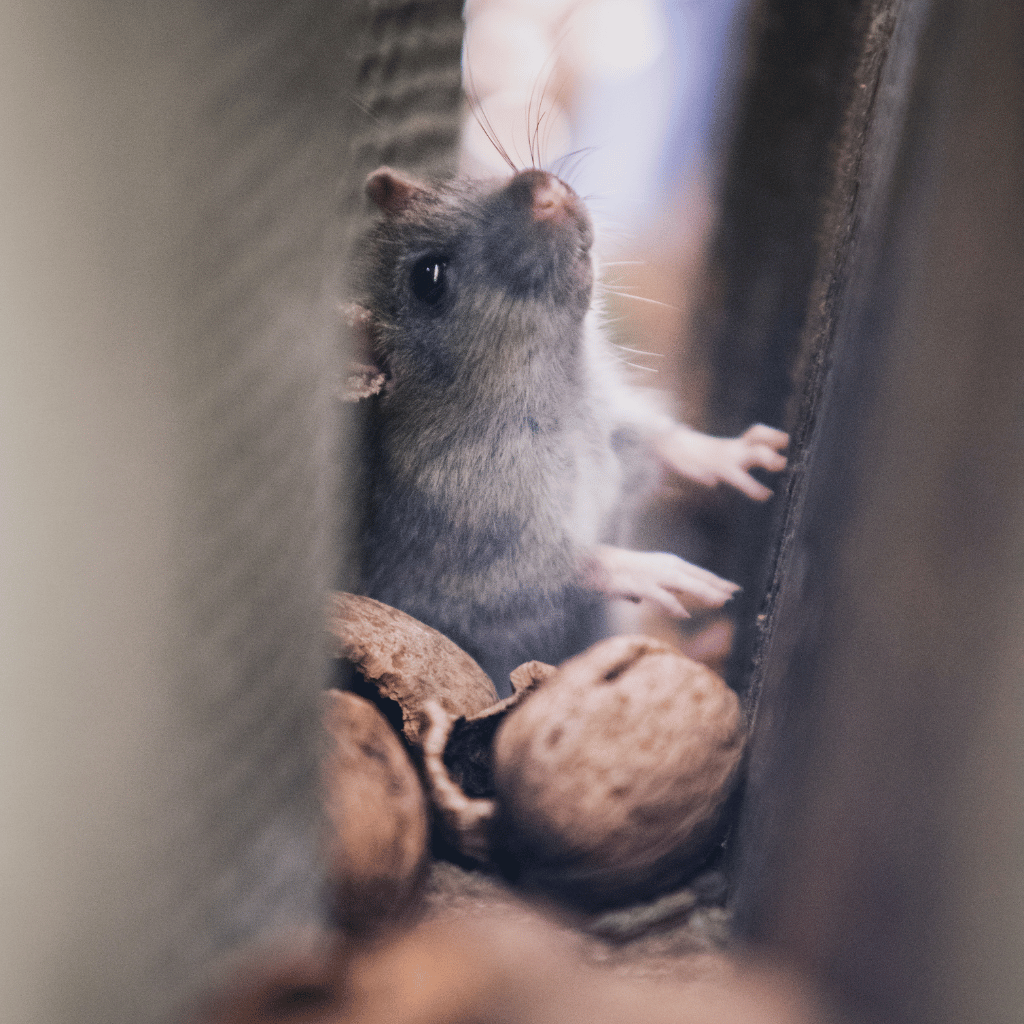
Effective Detection Techniques
1. Daytime Visual Inspection
Carefully climb into the attic and check dark corners, vent traps, roof edges, and cable conduits.
2. Flour or Powder Detection
Sprinkle some flour or talcum powder on small boards placed on the attic floor. Paw prints will reveal rodent movement.
3. Infrared Cameras or Motion Sensors
Very effective at night, these tools help confirm presence and identify movement paths in hard-to-access areas.
4. Live-Capture Traps
These confirm presence and help identify the species (useful for choosing the right prevention strategy).
How to Block Access Points
Mice can squeeze through holes as small as 6 mm (about the size of a pencil). Critical areas to inspect:
- Junctions between walls and roof
- Loose or damaged soffits
- Gaps around vents or plumbing pipes
- Cable entry points (telecom, electricity)
- Dormers, skylights, chimneys
- Cracks in exterior siding or foundation (near crawl spaces)
A late-summer or early-fall roof inspection is essential to find these entry points before mice seek shelter for winter.
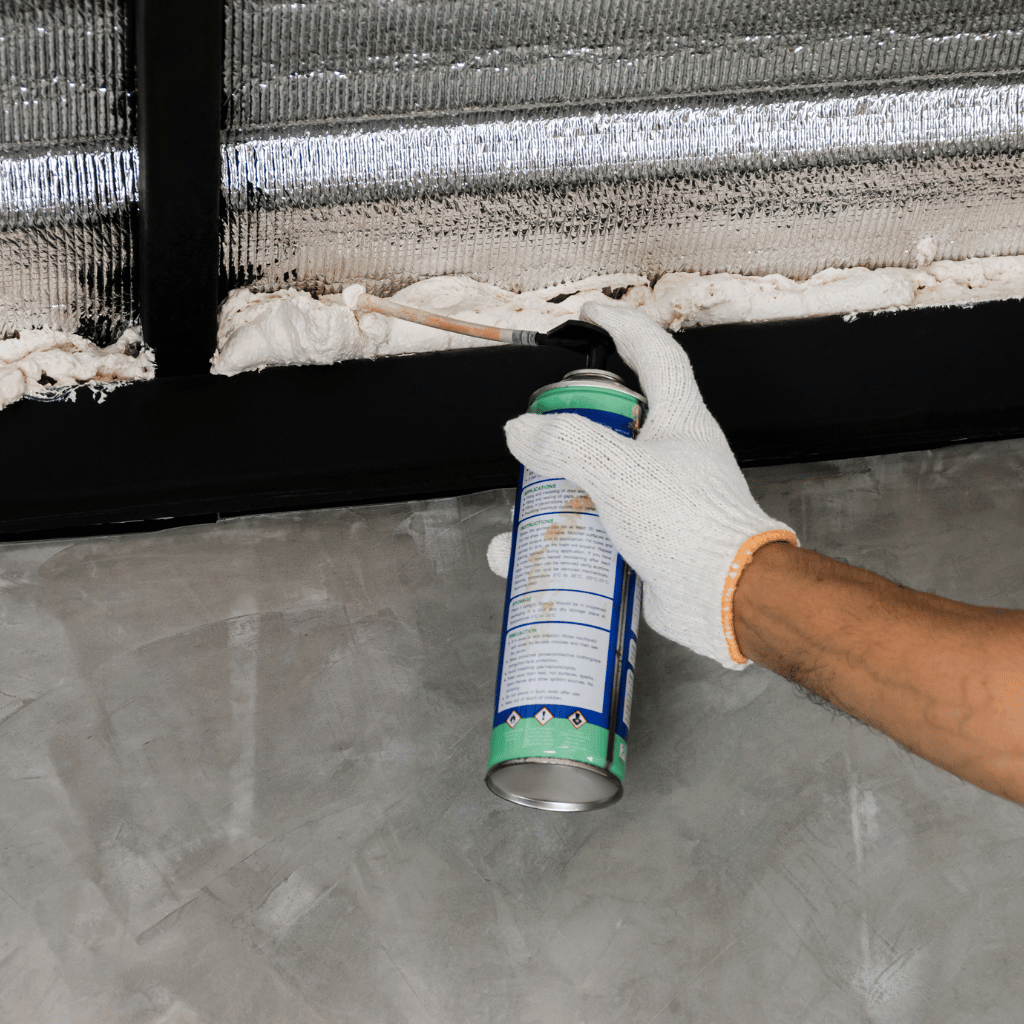
Materials and Prevention Methods
1. Steel Wool and Expanding Foam
Stuff stainless steel wool into small holes, then seal with expanding foam. The wool deters passage and is hard to chew through.
2. Fine Mesh Galvanized Wire
Install galvanized steel mesh (≤ 6 mm) over vents. It’s chew-resistant and weatherproof.
3. High-Performance Exterior Caulking
Use caulking designed to withstand freezing, UV, and expansion. Apply generously around frames, joints, and cracks.
4. Silicone Seals Around Ducts
Ensure airtight seals around pipes. Use fire-resistant silicone for heating-related ducts.
5. Proper Thermal Insulation
Well-installed insulation reduces warm air leaks and moisture, making the attic less attractive to mice.
When to Call a Professional
If you notice several of the following:
- Recurring droppings despite traps
- Persistent nighttime noises
- Multiple nests discovered
- Gnawed materials or damaged circuits
…it’s time to call a specialist. A certified technician can:
- Conduct a thorough inspection (inside and out)
- Place traps strategically (based on rodent paths)
- Use professional-grade products if needed (secure rodenticides)
- Seal entry points with durable materials
- Advise you on long-term adjustments to prevent recurrence
At Integral XT, our service includes a photo report, physical sealing of access points, and multi-week follow-up. We prioritize child- and pet-safe methods that comply with Quebec standards.
Conclusion
Mice can quietly settle in the attic, but the consequences are serious: nighttime noise, contamination, odors, material damage, and risk of spreading through the house.
To protect your home, prevention is key: visual inspections, meticulous sealing, and good roof maintenance. At the first sign of trouble, act quickly. One mouse today could mean a colony tomorrow.
And remember: if you hear something scurrying above your head at 2 a.m. in November… it’s probably not the wind.