
Introduction
Dealing with mice is a common issue for both households and businesses in Quebec, especially in the fall and winter when rodents seek shelter indoors. Whether you live in the city or a rural area, it’s tempting to take matters into your own hands at the first sign of scratching in the walls or droppings under the sink. But what should you use: a trap or a bait?
In this article, we’ll walk you through the pros and cons of both approaches. You’ll learn how traps work, the different types of baits available in Quebec, and—most importantly—when each method is most effective. Our goal isn’t to push a one-size-fits-all solution, but to help you make the best decision based on your specific situation.
Understanding Mouse Behaviour
Before choosing a method, it’s important to understand mouse habits:
- Mice are nocturnal. They mostly come out at night to feed.
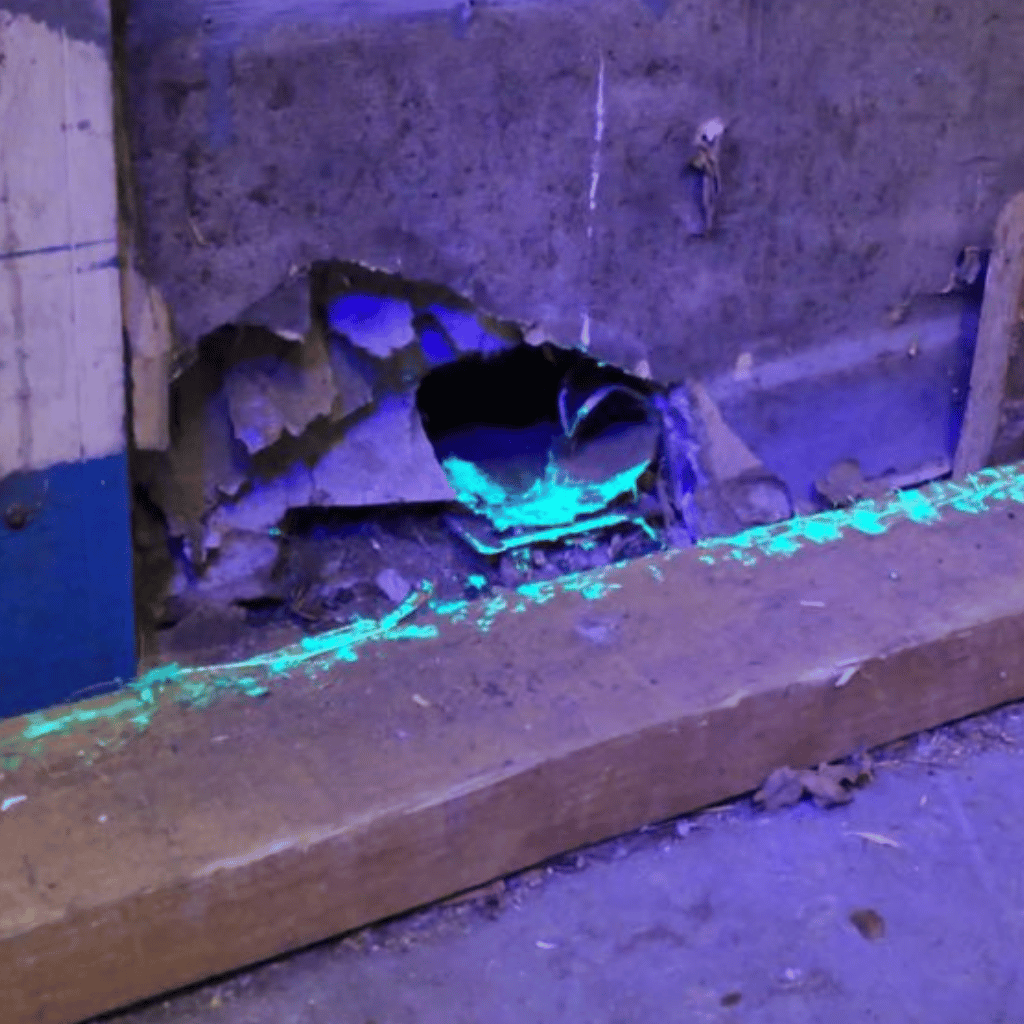
- They squeeze through tiny openings. A hole the size of a dime is enough.
- They leave droppings everywhere. This helps trace their path.
- Mice are wary of new objects. They may avoid a poorly placed trap for several days.
Knowing this allows you to place traps or bait stations more effectively.
Traps: Pros and Cons
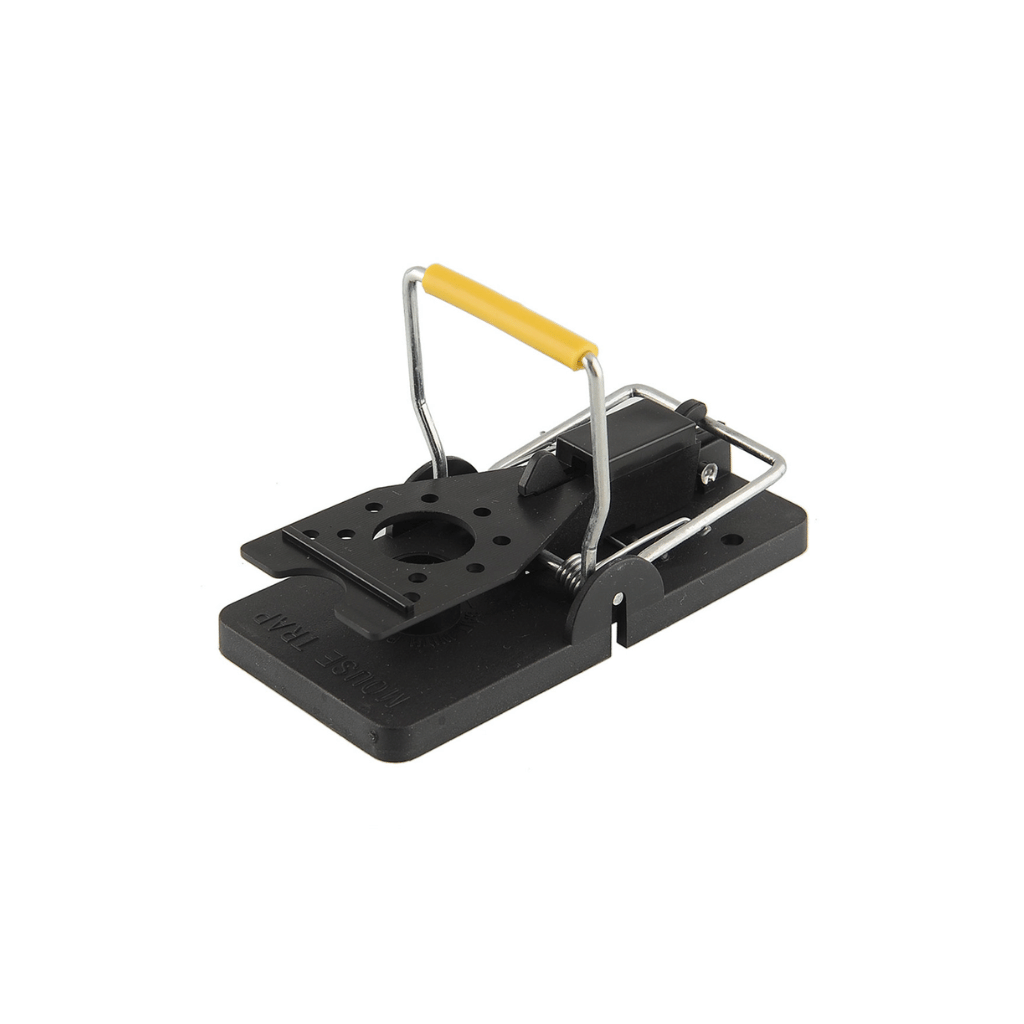
Traditional Snap Traps
These are the classics: the wooden spring trap baited with peanut butter or chocolate. Advantages include:
- Instant results: you see the outcome right away.
- No toxic products involved.
- Lower risk to pets or kids if placed correctly.
- Helps monitor the infestation (you know how many mice you’ve caught).
Drawbacks include:
- Daily follow-up needed (emptying and resetting traps).
- Dealing with carcasses may be off-putting for some.
- Requires good placement (along walls, at right angles).
Glue Traps
These traps are controversial. Mice get stuck to a glue surface. They’re cheap, but:
- Not humane: mice die slowly, which raises ethical concerns.
- High risk for children, pets, and beneficial small animals.
Electronic Traps
These modern devices electrocute the mouse once it enters. They are:
- Effective for quick and clean elimination.
- Reusable.
- More expensive (typically $30–$60).
Baits: Pros and Cons
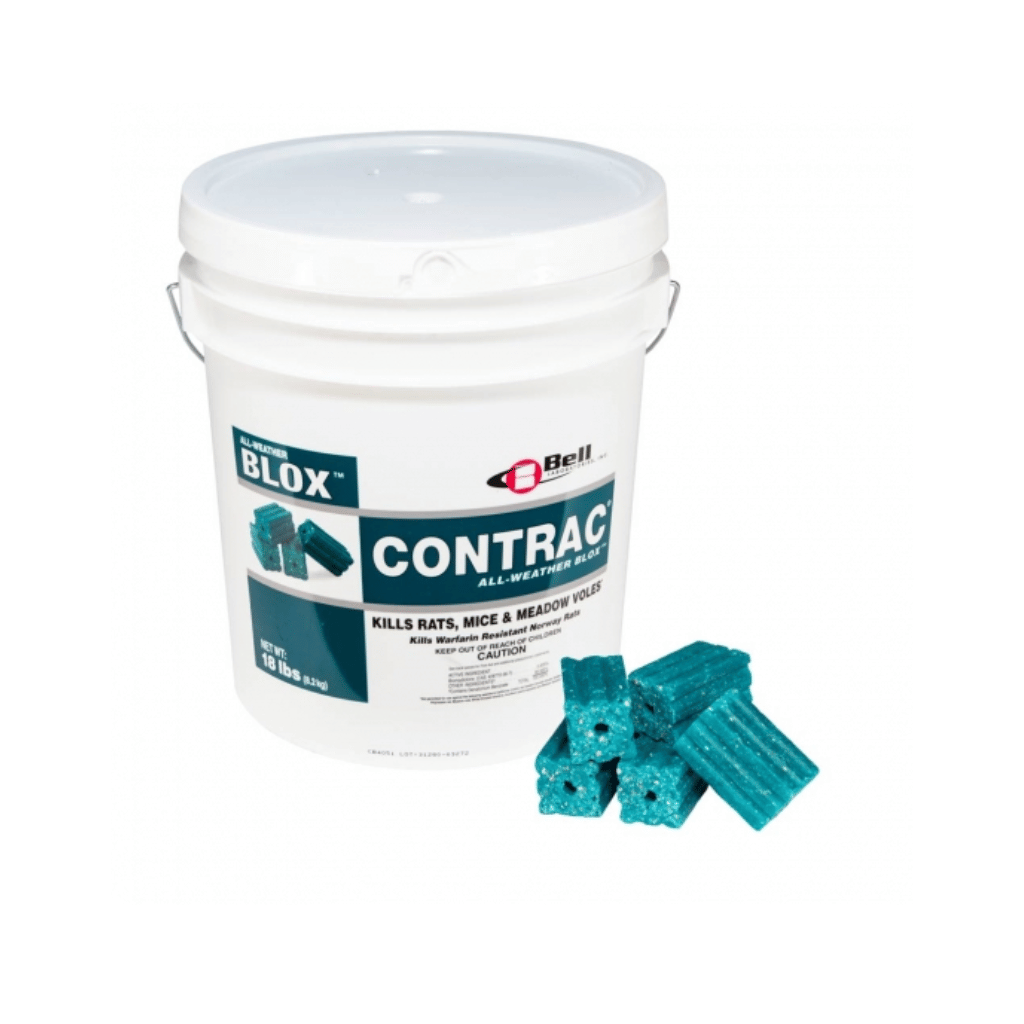
Anticoagulant Baits (Rodenticides)
The most common baits use bromadiolone or difenacoum. Mice ingest the poison, which causes internal bleeding. Pros:
- Ideal for larger infestations without daily maintenance.
- Can kill multiple mice from a single bait source.
- Discreet—great for commercial or public areas.
However, they come with risks:
- Dangerous for kids, pets, and wildlife if misused.
- Mice may die inside walls, causing odours.
- Heavily regulated: many products are restricted to certified professionals.
Non-Toxic Baits (For Monitoring)
These are used to detect activity (often coloured to track droppings). They don’t kill but help assess the infestation phase.
Traps vs. Baits Comparison
| Criteria | Traps | Baits |
|---|---|---|
| Visible Results | Immediate | Delayed (1–3 days) |
| Cost | Low to Moderate | Moderate to High (with secured stations) |
| Maintenance Required | Daily | Weekly |
| Safety Risk | Low (if placed properly) | Higher (especially for kids/pets) |
| Ethical Considerations | Varies by trap type | Less visible, but can be problematic (hidden deaths) |
| Effectiveness in Commercial Settings | Yes, but baits are more discreet | Often preferred for large areas |
Criteria for Choosing the Right Solution
Ask yourself the following before deciding:
- Small or large infestation? Traps work for one or two mice. Baits are better for colonies.
- Are children or pets in the home? Use traps or secured bait stations.
- DIY or professional help? Baits often require more expertise.
- Personal comfort level? Some people prefer not to handle dead mice.
Real-Life Cases in Quebec
Case 1: Duplex in Longueuil
The owner finds droppings under the sink. He places three snap traps baited with chocolate along the wall. Result: two mice caught in two days. No signs afterwards. Problem solved without poison.
Case 2: Grocery Store in Laval
Droppings are found in the backroom. The owner calls in a technician who installs six locked bait stations. Rodent activity is controlled, hygiene is maintained, and the setup remains invisible to customers.
Case 3: Cottage in the Laurentians
Recurring mice in the attic. The owner uses both traps and anticoagulant baits in hard-to-reach areas. He then seals all identified entry points. No activity after 4 weeks.
Common Mistakes to Avoid
- Using cheese as bait (a myth—not very effective).
- Placing traps in the middle of a room.
- Switching strategies too quickly. Give it a few days.
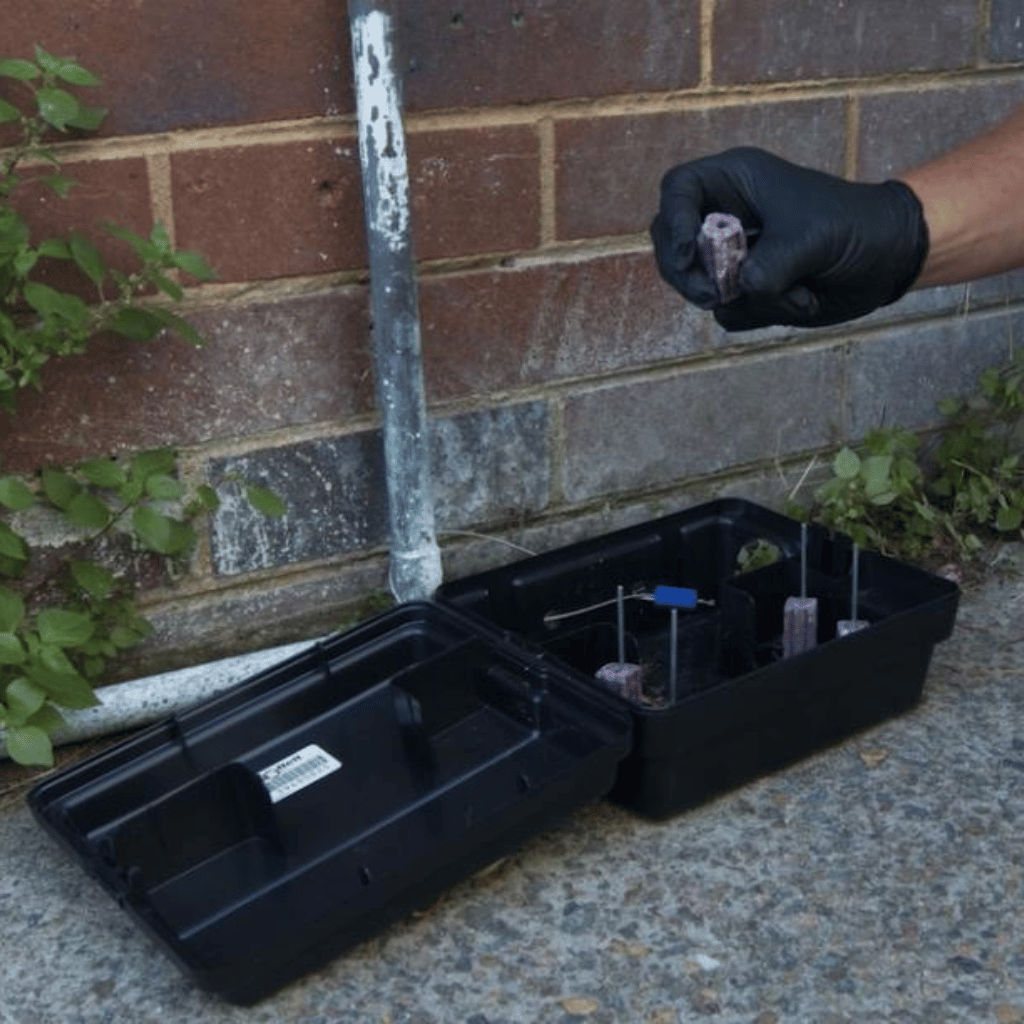
- Using bait without secured stations in homes with kids.
- Skipping the step of sealing entry points after treatment.
Conclusion
Choosing between traps and baits depends on many factors: infestation size, environment, personal preferences, and urgency. For small, isolated issues, well-placed traps often do the job. For larger or commercial cases, secured bait stations offer a discreet and long-term solution.
In all situations, the best plan combines action with prevention. And if the infestation is persistent or seems beyond control, it’s wise to call a certified pest management professional. Acting fast is better than letting mice settle in for good.