
Introduction
Every fall, as temperatures drop in Quebec, rodents actively search for a warm place to spend the winter. Unfortunately, our homes offer everything they’re looking for: warmth, shelter, food, and safety. Mice, voles, and rats can slip in through tiny openings — sometimes smaller than a centimetre — and settle in walls, attics, or basements without being noticed.
Sealing your home before winter is one of the most effective strategies to prevent a rodent infestation. This guide offers professional methods and recommended materials to make your building rodent-proof.
Common Rodents in Quebec
Before getting started, it’s helpful to know what you’re protecting against:
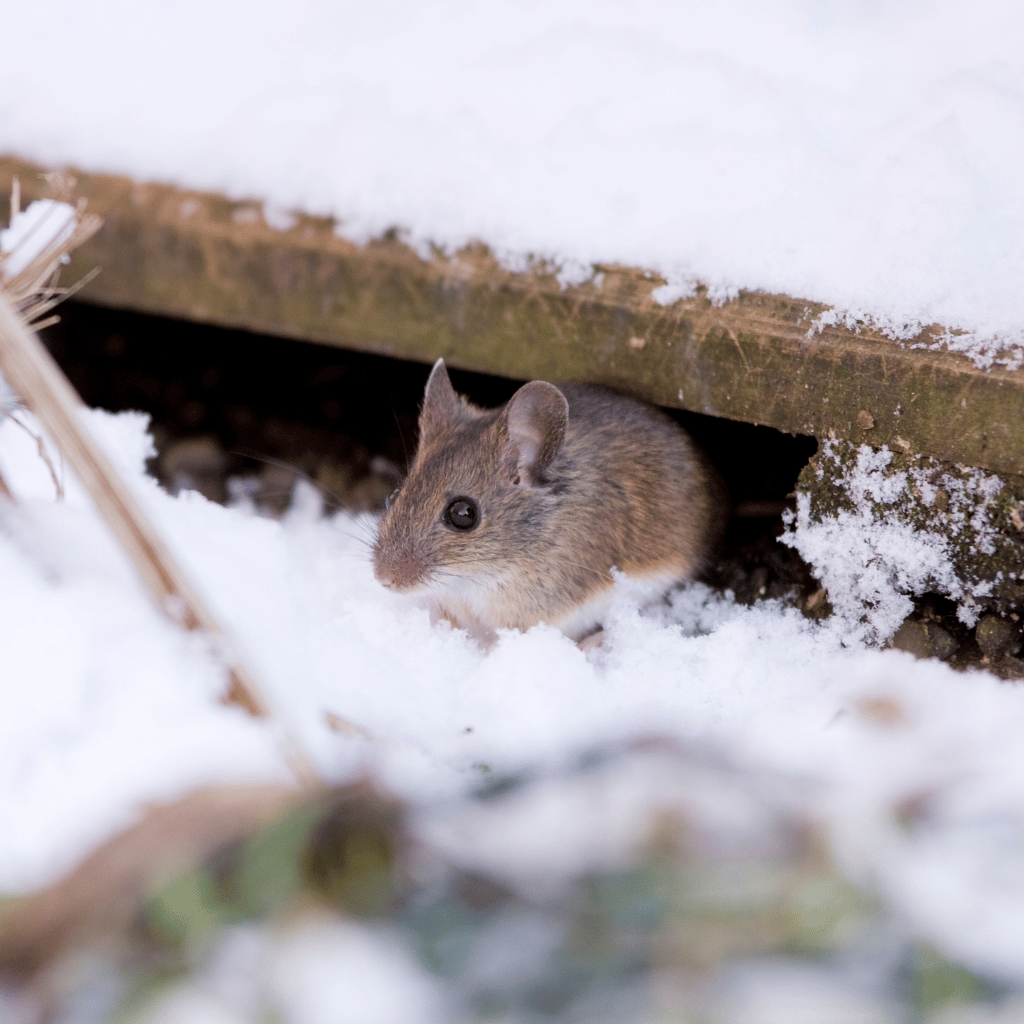
- House mouse (Mus musculus): 6 to 9 cm long, can easily slip through a gap the size of a dime.
- Deer mouse (Peromyscus): slightly chubbier, more common in rural areas, often mistaken for a house mouse.
- Brown rat (or Norway rat): less common in residential areas but can infest homes near industrial zones, farms, or sewers.
Why Rodents Seek Shelter in Winter
The main reason: survival. Rodents don’t hibernate, so they need to find shelter in the fall. Outdoors, resources become scarce. Indoors, they find:
- Sources of heat (heating systems, appliance motors).
- Hiding spots safe from predators.
- Accessible crumbs, food bags, or trash.
Once a rodent settles inside, it can live, reproduce, and multiply through the winter — especially if nothing is done to block them at the source.
Signs of an Infestation
Before sealing, check if there are already rodents inside. Look for these classic signs:
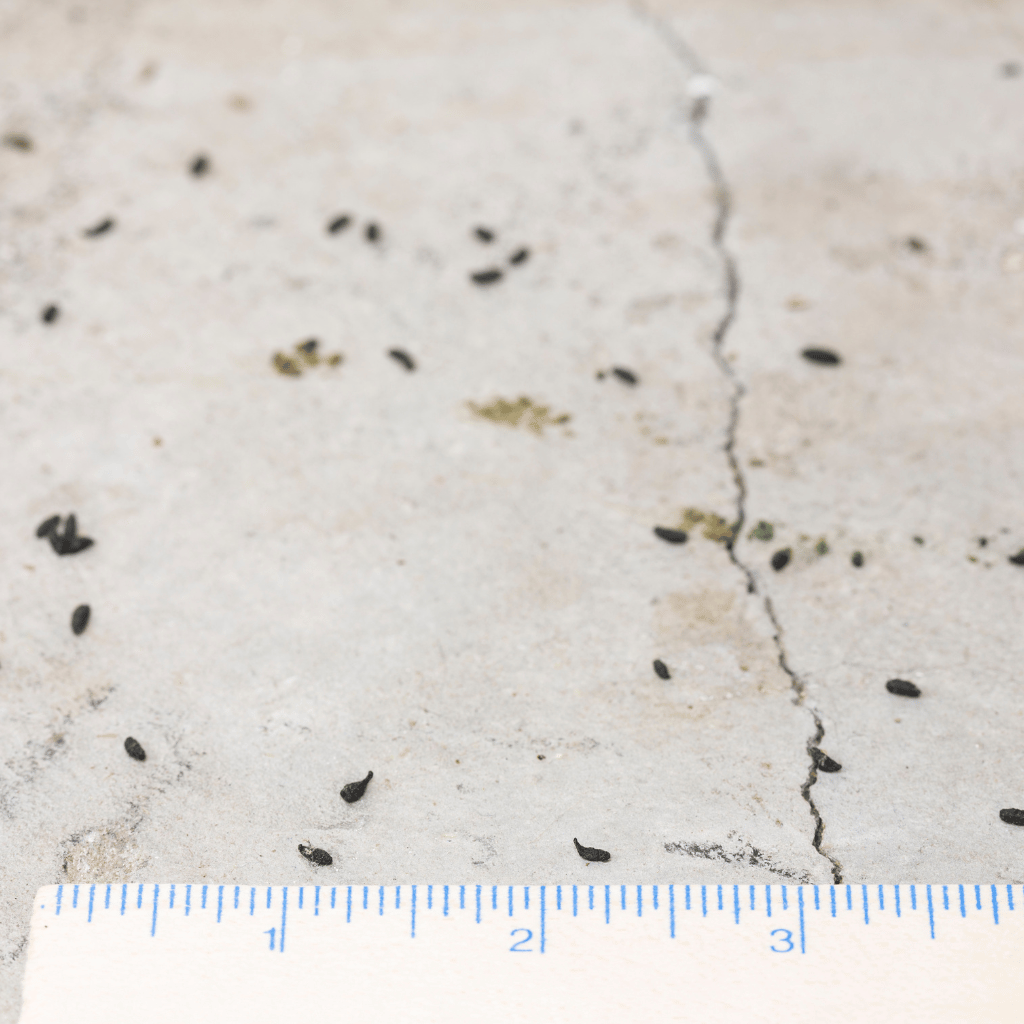
- Black rice-shaped droppings, often found in cupboards or the pantry.
- Scratching sounds in the walls, especially at night.
- Unusual or musky odours.
- Gnaw marks on food boxes or electrical wires.
If you notice one or more of these signs, you’ll need to take action alongside sealing (set traps, call a professional, etc.).
Full Home Inspection
Before grabbing the caulk and mesh, inspect every corner of your home — especially the foundations and commonly overlooked areas.
Exterior Walkaround
- Inspect the perimeter of the foundation, brick joints, ventilation flaps, and roof corners.
- Examine vent outlets, utility holes (cables, wiring, gas lines).
- Check basement window wells, cracks in concrete or brick, and detached soffits.
Interior Check
- Look under sinks, in cabinets, behind appliances, and in the attic.
- Watch for chewed wires, displaced insulation, or droppings near the water heater or furnace.
Recommended Materials and Tools
To seal effectively, here’s the gear professionals rely on:
- Silicone or polyurethane caulk (interior and exterior): fills cracks even in cold conditions.
- Stainless steel wool: doesn’t rust and rodents can’t chew through it.
- 1/4 inch galvanized mesh: covers vents, dryer exhausts, etc.
- Metal hose clamps: secure mesh around pipes.
- Sheet metal or aluminum plates: blocks larger openings.
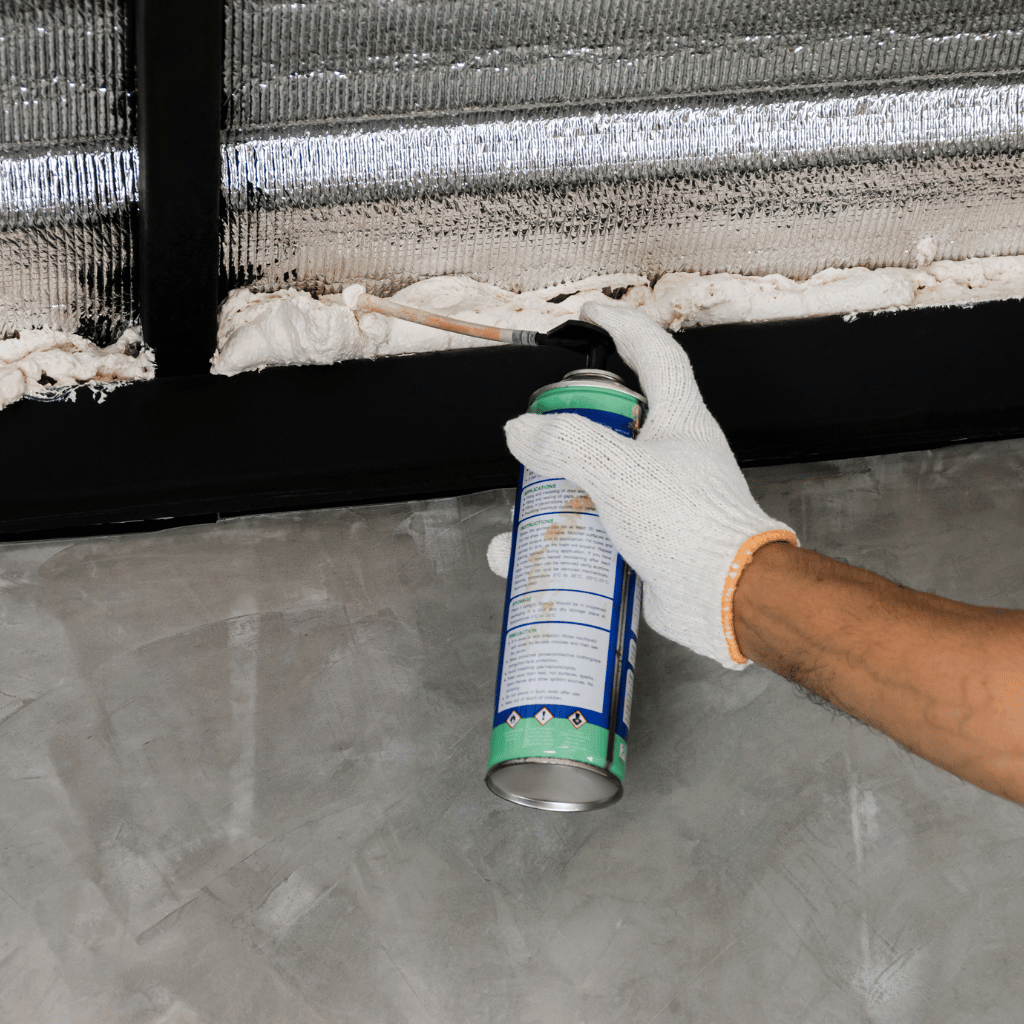
Avoid using only standard expanding foam — it’s often insufficient on its own, as mice can chew through it.
Priority Sealing Zones
1. Foundations
- Seal all visible cracks, even thin ones. Mice can squeeze through a 6 mm opening.
- Check around pipes that penetrate concrete walls.
2. Doors and Windows
- Check the condition of weather stripping.
- Install sturdy door sweeps (metal or rubber) at the base of exterior doors.
3. Attic
- Cover roof vents and air intakes with galvanized mesh.
- Check for damaged, lifted, or poorly secured soffits.
4. Kitchen and Basement
- Seal holes behind appliances, under the sink, and around water or heating pipes.
- Install screens or sealing pads in wall cavities if needed.
Pro Tips
- Use a headlamp and inspect early in the morning or at dusk — rodents are active at night.
- Look for grease marks: mice leave oily traces along walls.
- In crawlspaces, place passive detectors or flour to trace movement.
- If you have an attached garage, treat it as a priority access point. Rodents often enter through the garage door.
After Sealing Steps
Once sealing is done:
- Clean any urine, droppings, or odours using specialized disinfectants (e.g. enzyme-based products).
- Set mechanical or electronic traps in strategic zones for a few days to ensure no rodents remain inside.
- Monitor the situation during the first few weeks of winter. A properly sealed home should be silent and free of signs.
Conclusion
Sealing a home against rodents requires time, attention to detail, and proper materials — but it’s one of the best defences against costly and unpleasant infestations. A well-protected house in the fall means a peaceful winter with no scratching sounds in the walls, no strange smells, and no surprises in the pantry.
For Quebec residents, where extreme temperatures push rodents indoors each year, this prevention effort is a true investment in peace of mind. If you’re unsure or still notice signs of activity, don’t hesitate to contact a certified pest control company to verify your sealing work or provide targeted treatment if needed.