
Introduction
Small rodents like the deer mouse and the vole are often confused in Quebec, making it hard to determine the right treatment in case of infestation. Yet, their behavior, lifestyle, and impact on buildings differ enough to require distinct approaches.
This article guides you through the key differences between these two rodents and helps you choose the most appropriate treatment, whether you’re a homeowner, farmer, or property manager.
The Vole and the Deer Mouse at a Glance
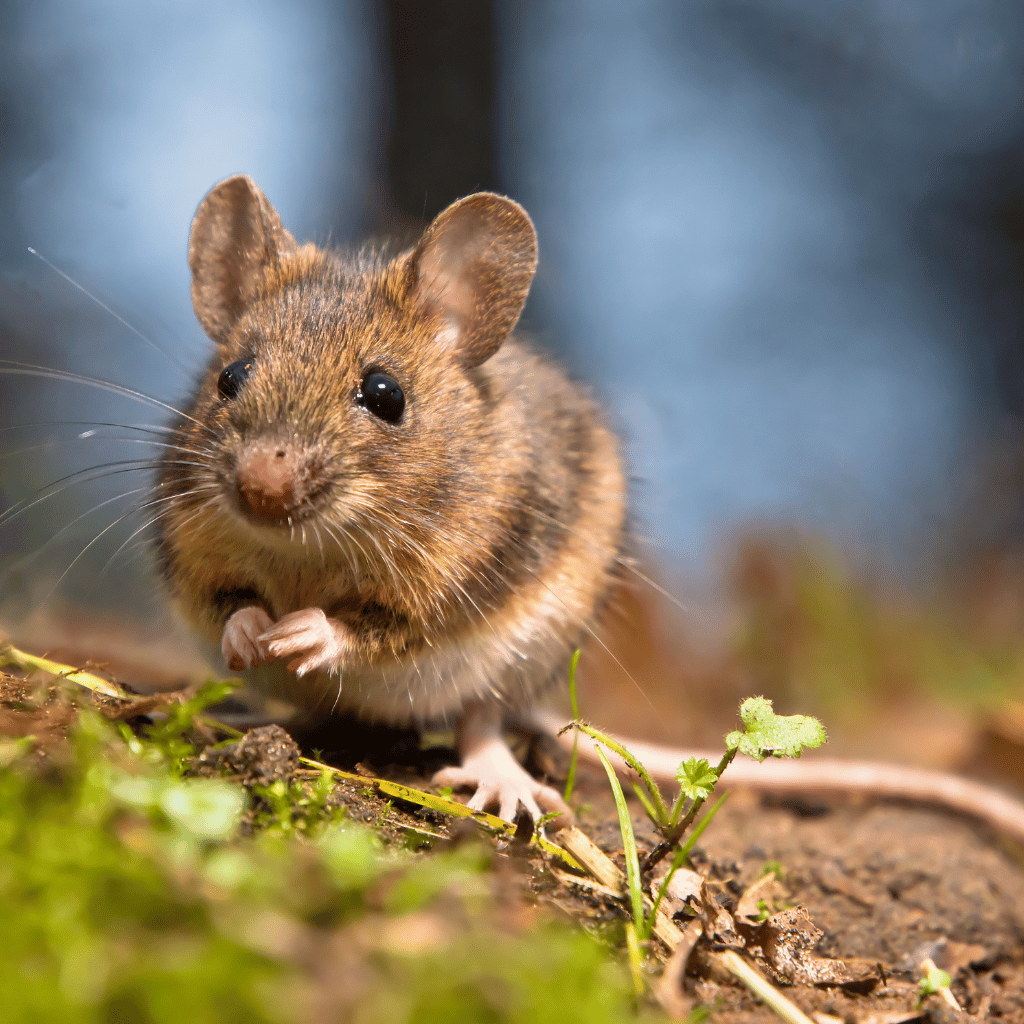
Deer Mouse (Apodemus sylvaticus or Peromyscus maniculatus)
Commonly known as a “wood mouse,” the deer mouse is widespread in forests and rural areas of Quebec. It’s often mistaken for the house mouse but is distinguishable by its color and seasonal habits.
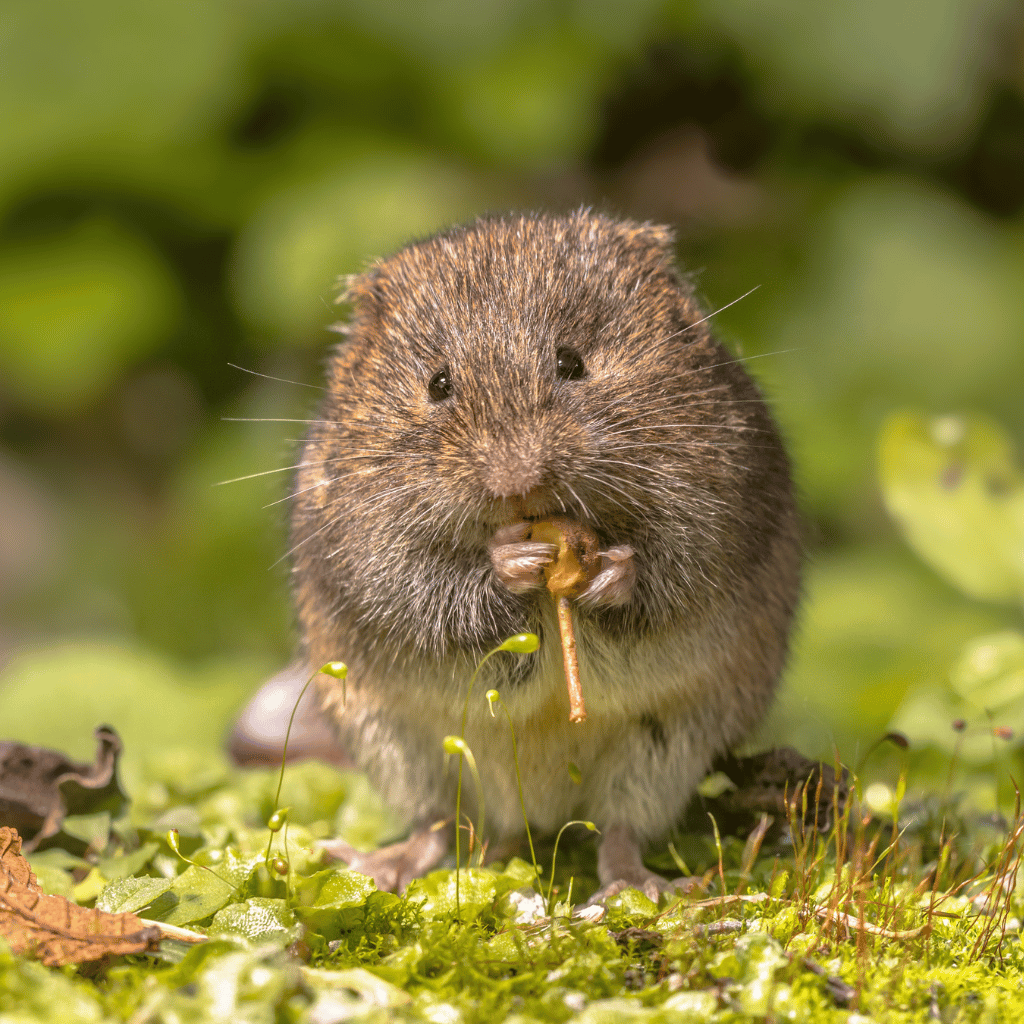
Vole (Microtus pennsylvanicus)
Also known as a “field mouse” or “meadow mouse,” the vole is a stocky rodent commonly found in grassy fields, gardens, and pastures. It’s rarely seen inside homes unless during harsh winters or extreme invasions.
Physical Characteristics for Identification
| Characteristic | Deer Mouse | Vole |
|---|---|---|
| Length | 15 to 20 cm (including tail) | 12 to 18 cm (including tail) |
| Tail | Long, thin, hairy | Short, thick, sparsely hairy |
| Ears | Large and visible | Small and barely visible |
| Eyes | Large black, prominent | Smaller, less expressive |
| Body | Slender and agile | Stocky and round |
| Fur | Gray-brown back, white belly | Uniform brown or gray |
In short: the deer mouse is slender with large ears and a long tail, while the vole is stocky with short legs and a rounder body.
Different Habitats and Behaviors
Deer Mouse
- Lives mainly in forests, hedgerows, sheds, and sometimes rural homes.
- Capable climber and jumper — often enters through attics or roofs.
- Nocturnal.
- Can adapt to indoor environments during winter.
Vole
- Lives in underground tunnels beneath lawns or crops.
- Rarely seen indoors unless facing extreme outdoor conditions (heavy snow, flooded soil).
- Chews plant roots, trees, and irrigation lines.
- Less agile, not a climber.
Voles are mostly detected by their signs — snow tunnels or raised soil patches in grass.
Signs of Infestation to Watch For
Deer Mouse Infestation
- Noises in walls or ceilings (especially at night).
- Elongated droppings, similar to house mice.
- Nests made of paper or insulation found in attics or cabinets.
- Chewed food (grains, nuts, pet food).
Vole Infestation
- Shallow trenches in grass.
- Damaged roots or bulbs.
- Small entrance holes (4–5 cm wide) in soil or at building bases.
- Gnawed bark at tree bases (often under snow).
Choosing the Right Treatment Based on the Rodent
For Deer Mice
Since they enter homes, the focus should be on:
- Entry point inspection: seal cracks, pipe gaps, vent openings.
- Snap traps: baited with peanut butter or chocolate.
- Rodenticide bait stations: locked and secure for advanced cases.
- Moisture and food control: store food properly, reduce humidity.
For Voles
More outdoor-focused, aiming to protect vegetation:
- Physical barriers around tree trunks (metal mesh).
- Granular repellents with castor oil or essential oils (placed in tunnels).
- Tunnel traps inserted into visible runways.
- Soil tilling in fall to destroy tunnels before winter.
Rodenticides are less recommended for voles in residential zones due to risks to non-target wildlife (owls, foxes, cats).
Special Cases in Quebec Homes
In Quebec, deer mice often infest cottages, sheds, and country homes. They may overwinter in poorly insulated attics, crawl spaces, or outbuildings.
Voles mostly pose a threat in gardens, orchards, or golf courses. Snow cover during Quebec winters helps them thrive by creating a greenhouse effect under the snow.
Clients sometimes confuse vole tunnels with mole activity, leading to the wrong treatment. Proper identification is essential.
When to Call an Exterminator
An exterminator can help in the following situations:
- Recurring deer mouse presence despite traps or sealing.
- Severe damage to trees or plants by voles.
- Infestation source cannot be found.
- You have pets, children, or live in a condo (caution with bait use).
A professional will identify the species, place the right traps, and suggest a long-term exclusion plan — safely and responsibly.
Conclusion
Distinguishing a deer mouse from a vole isn’t just academic. It’s key to choosing the right treatment and avoiding ineffective or harmful actions.
By understanding their differences — body shape, habitat, behavior, and infestation signs — you’ll better identify the intruder and take targeted action. And if you’re unsure, don’t hesitate to call a pest control expert for an on-site evaluation.
A good diagnosis is already half the battle won.