
Mouse infestations in homes and businesses can cause numerous inconveniences and pose health risks. Mice can contaminate food, damage structures, and spread diseases. Therefore, it is important to know how to manage these infestations. This article aims to inform you about the most effective poisons for eradicating mice and provide practical advice on using them safely. Our goal is to offer reassuring and reliable solutions to protect your environment.
Understanding mice and their behavior
1. Why do mice invade homes?
Searching for food:
- Mice are omnivorous and opportunistic, meaning they can eat almost anything, from leftover food to improperly stored grains. A single crumb can be enough to attract their attention.
- They have a highly developed sense of smell, capable of detecting food sources even through packaging.
Need for shelter:
- Mice look for a safe place to hide from predators and harsh weather. Homes offer ideal hiding spots, such as hollow walls, attics, and basements.
- Urban environments, with closely packed buildings and interconnected spaces, make it easier for them to enter.
Favorable reproductive conditions:
- Once settled, mice reproduce quickly. A female can have multiple litters a year, with up to 10 pups per litter.
- Access to warmth, water, and food ensures their survival and rapid multiplication.
Ease of access:
- Due to their small size and agility, mice can squeeze through holes as small as a dime (6 mm).
- Cracks in walls, gaps under doors, and unsealed ducts are common entry points for these rodents.
2. Mice habits and behavior
Understanding their behavior helps to better anticipate their movements and implement effective solutions:
Eating habits:
- Mice nibble throughout the day, preferring frequent small meals.
- They tend to establish regular routes to their food sources, creating identifiable “trails.”
Nocturnal behavior:
- Mice are primarily active at night, making them difficult to spot. Signs such as scratching noises or droppings can indicate their presence.
Territoriality:
- Once settled, they mark their territory with pheromones, notably through their urine, to communicate with other mice.
Natural curiosity:
- Although cautious of new objects or traps, their curiosity often gets the better of them, which can be leveraged in pest control strategies.
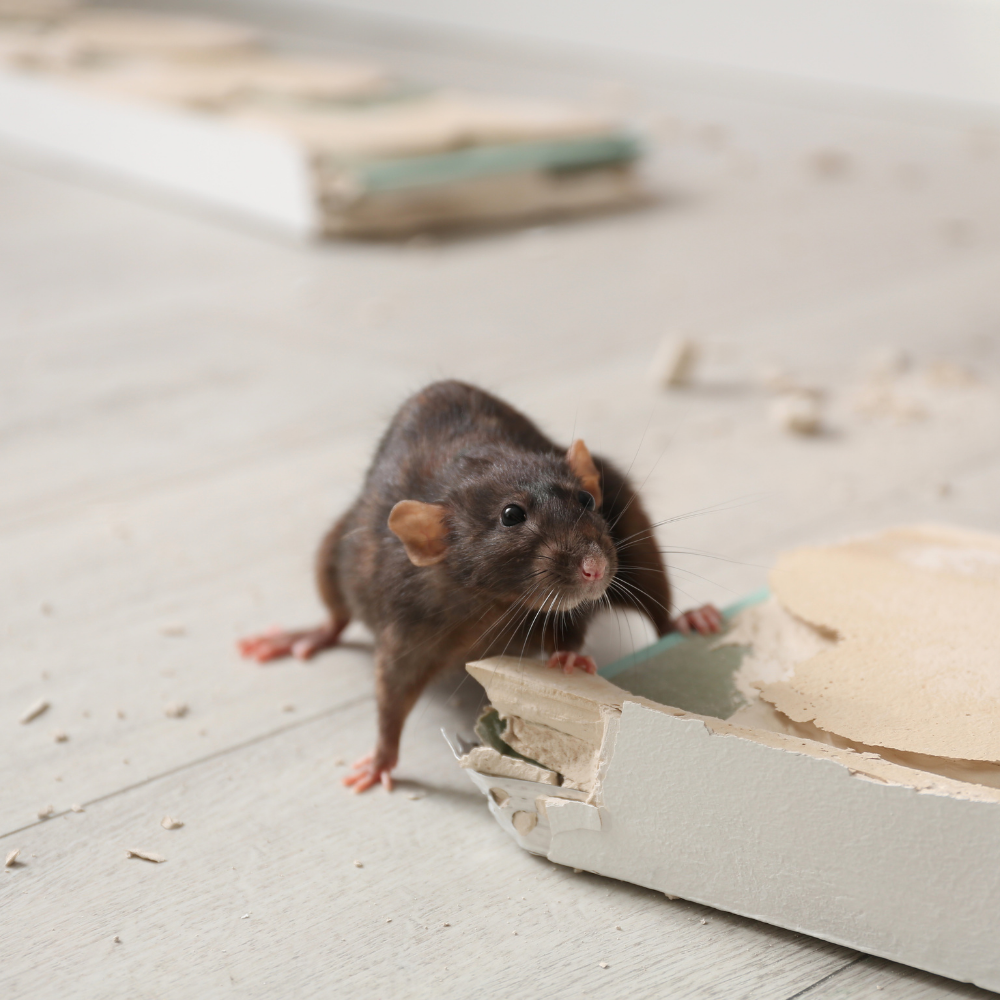
Types of poisons for mice
Overview of different types of poisons
– Anticoagulants: These poisons prevent blood from clotting, causing internal bleeding in mice. They are among the most commonly used and are often available in block or pellet form. However, their use requires caution, as they can also be toxic to humans and pets if accidentally ingested. Examples: Bromadiolone, Diphacinone.
– Neurotoxic poisons: These poisons act on the rodents’ nervous system, causing paralysis and eventually death. They are typically fast-acting but must be strictly controlled due to their high toxicity.
– Fast-acting poisons: This type of poison kills mice quickly, often within a few hours of ingestion. They are effective for severe infestations where rapid eradication is necessary. Examples: Bromethalin, Zinc phosphide.
– Natural and eco-friendly poisons: These options use natural ingredients to kill mice and are often considered safer for homes with children and pets. Examples: Bitter cucumber juice, cornmeal.
How to use poisons effectively and safely
– Infestation assessment: Before using poison, it is important to properly assess the extent of the infestation. Look for signs such as mouse droppings, gnaw marks, and nests.
– Selecting the appropriate poison: Choose the type of poison based on the severity of the infestation and the conditions of your home. For small infestations, natural poisons may be sufficient. For severe infestations, anticoagulants or fast-acting poisons may be necessary.
– Strategic placement: Place poisoned baits in areas frequented by mice, such as dark corners, behind appliances, and near food sources. use bait stations to secure poisons and prevent accidents with children or pets.
– Safety: Always follow the instructions on the product label and take precautions to minimize exposure risks for you and your family. Wear gloves when handling poisons and ensure baits are out of reach of children and pets.
Non-poisonous mouse control options
– Mechanical traps: Use snap traps or sticky traps to capture mice without using poison. These traps can be placed in strategic locations and checked regularly.
– Prevention methods: To avoid mouse infestations, seal all cracks and crevices in walls, floors, and around windows. Eliminate food sources by storing food in airtight containers and keeping your home clean.
– Natural solutions: Use natural repellents such as peppermint, bay leaves, and essential oils to deter mice from entering your home.
For more information on physical interventions, consult the Government of canada website.
Conclusion
Mice can cause significant inconvenience in our homes, but with the right prevention practices and effective solutions from Integral XT, you can protect your home from these pests. By understanding mouse behaviors, choosing the appropriate poison, and using complementary methods, you can greatly reduce the risk of infestation. If you suspect an infestation, do not hesitate to contact Integral XT for a professional inspection and tailored treatment. For more details, visit our dedicated page on mouse extermination. Protect your living space with Integral XT, your trusted partner in pest management.