
Table of Contents
- Identifying Carpenter Ant Infestations: Signs and Risks
- Carpenter Ant Extermination Costs in Montreal
- Long-Term Prevention and Solutions for Carpenter Ants
- Conclusion
- What are the most common signs of a carpenter ant infestation in Montreal homes?
- How much does carpenter ant extermination typically cost in Montreal?
- Why are carpenter ants such a problem in older Montreal homes?
- What long-term strategies are most effective for preventing carpenter ant reinfestation?
- Are DIY carpenter ant treatments effective, or should I always hire a professional?
- How can I tell the difference between carpenter ants and other common ants in Montreal?
Identifying Carpenter Ant Infestations: Signs and Risks
What are the earliest and most reliable signs of a carpenter ant infestation?
Sawdust-like debris, small holes in wood, and the presence of large black or red ants indoors signal a likely carpenter ant infestation.
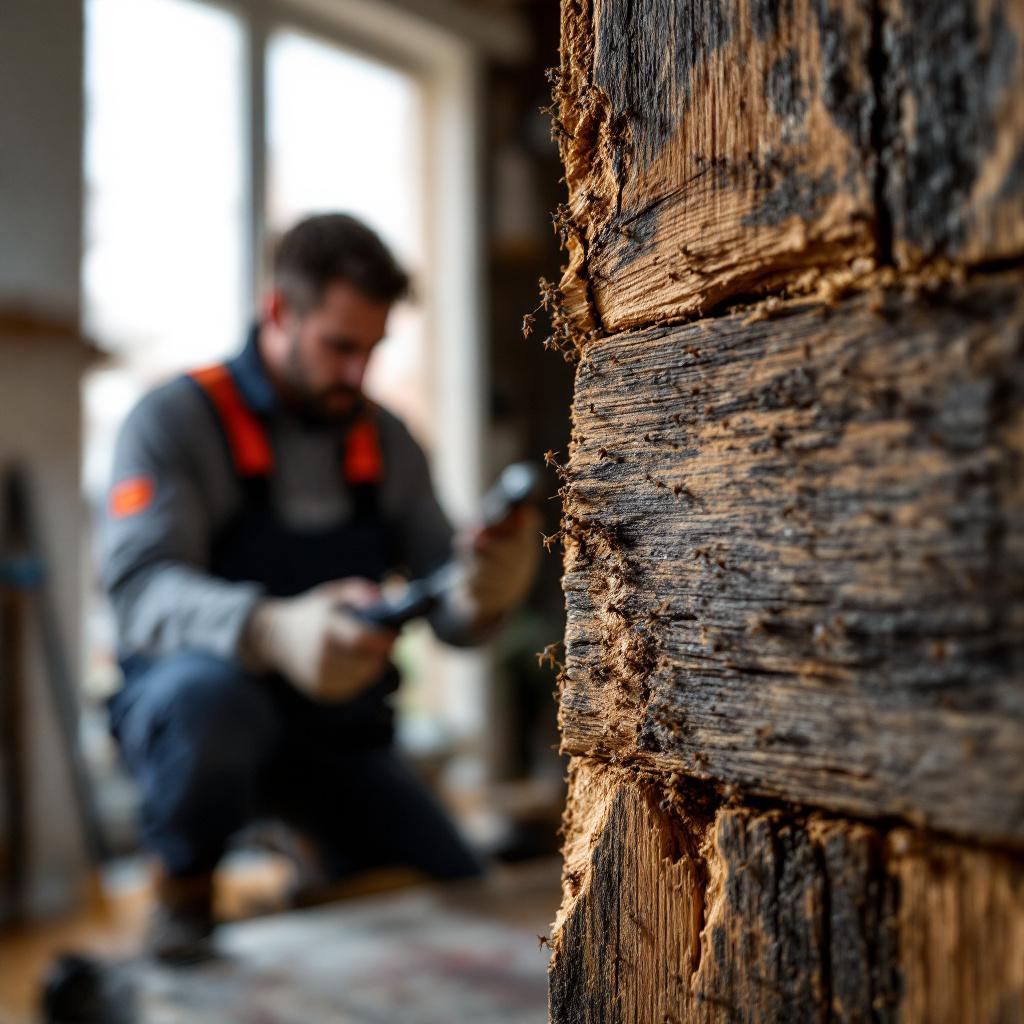
Carpenter ants are notorious for their subtle yet destructive habits. Early detection hinges on recognizing the sawdust-like material (frass) they expel from their galleries. This debris often contains wood shavings, insect parts, and insulation fragments, typically found beneath small, smooth holes in wooden structures. Homeowners in Montreal should pay close attention to window sills, baseboards, and areas with past or present moisture issues, as these are prime nesting sites.
Another telltale sign is the sudden appearance of large, winged ants indoors, especially in spring and early summer. These swarmers indicate a mature colony inside the structure. You might also hear faint rustling noises from wall voids or wood when the nest is disturbed. Unlike termites, carpenter ants do not eat wood—they excavate it, creating smooth-walled galleries that weaken the structure over time.
Carpenter ants often exploit existing moisture problems, so their presence may point to underlying leaks or wood decay. In Montreal’s climate, where freeze-thaw cycles and humidity are common, vigilance is crucial. If you notice unexplained piles of frass or spot large ants, prompt action is key to preventing costly repairs. For a detailed comparison of carpenter ants versus other local species, refer to Carpenter Ant Vs Black Ant.
| Sign of Infestation | Description/Location | Risk Level |
|---|---|---|
| Sawdust-like frass | Below holes in wood, near baseboards | High (active nest) |
| Large black/red ants indoors | Kitchens, bathrooms, near moisture sources | Moderate-High |
| Small, smooth holes in wood | Window sills, door frames, crawlspaces | High |
| Rustling noises in walls | Wall voids, especially at night | Moderate |
| Winged ants (swarmers) | Spring/early summer, near windows/doors | High (mature colony) |
Unchecked, carpenter ant activity can compromise structural integrity, especially in older Montreal homes. Their preference for damp wood means infestations often signal hidden water damage, compounding repair costs. Early identification and intervention are essential to protect property value and occupant safety.

Carpenter Ant Extermination Costs in Montreal
What is the typical price range for carpenter ant extermination in Montreal homes?
Professional carpenter ant extermination in Montreal usually costs 450$–1000$ for a standard single-family home, with larger or complex infestations reaching 2000$ or more.
Carpenter ant extermination pricing in Montreal reflects several key factors: the size of the property, the extent of the infestation, and the treatment methods required. For a typical single-family dwelling, expect a base rate between 450$ and 1000$. This covers initial inspection, targeted treatment (such as baiting and perimeter sprays), and a follow-up visit to ensure colony elimination. If the infestation has spread to multiple satellite nests, or if the structure is larger (duplexes, multi-unit buildings), costs can escalate to 2000$ or more due to the increased labour and materials.
Montreal’s older housing stock and frequent moisture issues often mean that carpenter ants exploit hidden voids, requiring more investigative time and sometimes wall injections or attic/crawlspace treatments. Some providers offer package deals that include extended monitoring or seasonal guarantees, which can add value but may increase upfront costs.
Homeowners should also consider that DIY solutions rarely address the root of the problem, as carpenter ant colonies are adept at relocating within structures. Professional intervention is recommended for lasting results and to prevent costly structural damage. For guidance on evaluating pest control providers and understanding what’s included in a service contract, refer to the comprehensive guide on how to choose an exterminator in Montreal.
| Service Type | Typical Cost (CAD) | Inclusions | Notes |
|---|---|---|---|
| Standard Treatment | 450 $–1000 $ | Inspection, baiting, perimeter spray, 1 follow-up | Most common for single homes |
| Extensive Infestation | 1000 $–2000 $+ | Multiple site treatments, wall injections | Multi-unit/large homes |
| Seasonal Monitoring Add-on | +150 $–250 $ | Repeat visits, extended guarantee | Optional, for peace of mind |
If you notice recurring ant activity after treatment, it may signal hidden satellite colonies or new moisture problems. In such cases, additional interventions or building repairs may be needed to fully resolve the issue. Always clarify with your provider what is covered in the quoted price and whether follow-up visits are included.
Long-Term Prevention and Solutions for Carpenter Ants
What are the most effective long-term strategies to prevent carpenter ant reinfestation in Montreal homes?
Eliminate moisture, seal entry points, remove wood-to-soil contact, and schedule annual inspections to prevent carpenter ant reinfestation in Montreal homes.
Carpenter ant prevention in Montreal requires a multi-layered approach tailored to both the pest’s biology and the city’s climate. The first priority is moisture control. Carpenter ants thrive in damp wood, so fixing leaky pipes, improving drainage, and using dehumidifiers in basements or crawlspaces are foundational steps. Regularly inspect attics, window frames, and under sinks for signs of water intrusion or rot, as these are prime nesting sites.
Physical exclusion is equally critical. Sealing cracks around windows, doors, and utility penetrations with high-quality caulk or, for persistent entry points, sealing with rodent proof metal mesh can block ant access. Prune tree branches and shrubs so they do not touch the house, as ants often use these as bridges. Store firewood at least 20 feet from the structure and keep it elevated to reduce nesting opportunities.
Annual professional inspections are highly recommended, especially for older Montreal homes with a history of moisture issues. Professionals can identify subtle vulnerabilities and detect early signs of reinfestation before structural damage occurs. For commercial properties or multi-unit dwellings, integrating pest monitoring into regular maintenance routines is essential for early intervention.
Residents often wonder if DIY baits or sprays are enough. While these may reduce visible activity, they rarely eliminate hidden satellite colonies. Long-term success hinges on addressing environmental factors and structural vulnerabilities, not just killing foragers. For more on distinguishing carpenter ants from similar species, refer to the detailed guide on Carpenter Ant Vs Black Ant.
| Prevention Step | Montreal-Specific Tip | Frequency | Impact Level |
|---|---|---|---|
| Fix leaks & moisture issues | Inspect after spring thaw and heavy rain | Every 6 months | High |
| Seal exterior entry points | Use mesh for persistent gaps | Annually | High |
| Trim vegetation | Maintain 1m clearance from structure | Spring & Fall | Moderate |
| Store firewood properly | Keep off ground, away from home | Ongoing | Moderate |
| Professional inspection | Schedule before peak ant season (May) | Yearly | High |
Conclusion
Carpenter ant infestations in Montreal pose a significant risk to both the structural integrity of homes and the long-term value of properties. Early identification is crucial—key warning signs include sawdust-like frass, smooth holes in wood, and the presence of large black or red ants indoors, especially near moisture-prone areas. Montreal’s unique climate, with its freeze-thaw cycles and high humidity, makes local homes particularly susceptible to carpenter ant activity, especially where there are existing moisture issues or older wooden structures.
The cost of professional carpenter ant extermination in Montreal typically ranges from $350 to $800 for standard single-family homes, with more extensive or complex infestations potentially exceeding $1,200. These costs reflect the need for thorough inspection, targeted treatments, and follow-up visits to ensure complete colony elimination. Long-term prevention is equally important and relies on a multi-layered approach: eliminating moisture sources, sealing entry points, maintaining proper landscaping, and scheduling annual professional inspections. DIY treatments may provide temporary relief but rarely address the root of the problem, making professional intervention the most reliable solution for lasting results.
For Montreal homeowners, the implications are clear: vigilance, early action, and a commitment to ongoing prevention are essential to protect your property from costly damage. Addressing underlying moisture issues and maintaining a proactive pest management routine will not only prevent reinfestation but also safeguard your investment for years to come. If you suspect carpenter ant activity or want to ensure your home remains protected, consulting a local pest control expert is the best next step.
Frequently Asked Questions (FAQ)
What are the most common signs of a carpenter ant infestation in Montreal homes?
The most reliable signs include sawdust-like debris (frass) beneath small holes in wood, the appearance of large black or red ants indoors (especially near kitchens, bathrooms, or other moisture-prone areas), and the presence of winged ants (swarmers) in spring or early summer. You may also hear faint rustling noises from wall voids at night. These indicators often point to active nests and, in Montreal’s climate, may signal underlying moisture or wood decay issues.
How much does carpenter ant extermination typically cost in Montreal?
Professional carpenter ant extermination in Montreal generally costs between $350 and $800 for a standard single-family home. If the infestation is extensive, involves multiple satellite nests, or the property is larger (such as duplexes or multi-unit buildings), costs can rise to $1,200 or more. This price usually includes inspection, targeted treatments (like baiting and perimeter sprays), and at least one follow-up visit to ensure the colony is fully eliminated.
Why are carpenter ants such a problem in older Montreal homes?
Older Montreal homes often have aging wood, hidden voids, and a history of moisture issues—conditions that carpenter ants exploit to establish nests. The city’s climate, with frequent freeze-thaw cycles and high humidity, can exacerbate wood decay and leaks, creating ideal environments for carpenter ants. Left unchecked, these pests can cause significant structural damage over time, making early detection and intervention especially important in older properties.
What long-term strategies are most effective for preventing carpenter ant reinfestation?
The most effective long-term strategies include eliminating all sources of moisture (fixing leaks, improving drainage, using dehumidifiers), sealing exterior entry points with high-quality caulk or rodent-proof metal mesh, trimming vegetation to prevent ant bridges, and storing firewood away from the home. Annual professional inspections are highly recommended, particularly before peak ant season in May, to catch vulnerabilities early and prevent reinfestation.
Are DIY carpenter ant treatments effective, or should I always hire a professional?
DIY treatments, such as baits or sprays, may reduce visible ant activity but rarely address hidden satellite colonies or the root causes of infestation. Carpenter ants are adept at relocating within structures, making complete eradication difficult without professional expertise. For lasting results and to prevent costly structural damage, professional intervention is strongly recommended, especially in Montreal’s challenging climate.
How can I tell the difference between carpenter ants and other common ants in Montreal?
Carpenter ants are larger than most other local ant species, often black or red, and do not eat wood but excavate it to create smooth-walled galleries. They leave behind sawdust-like frass and are commonly found near moisture-damaged wood. In contrast, other ants (like black ants) are smaller and do not cause structural damage. For a detailed comparison, refer to resources such as the Carpenter Ant Vs Black Ant guide, which provides visual and behavioral distinctions to help you accurately identify the pest in your home.