
Rodent infestations continue to threaten public health, property, and food security by transmitting diseases and causing structural damage. In today’s environment, effective rodent extermination demands a comprehensive and integrated approach—one that goes beyond single-method interventions to incorporate rigorous sanitation, exclusion techniques, and targeted population management.
An integrated pest management (IPM) strategy is the cornerstone of sustainable rodent control. This method combines preventive measures (such as regular inspections, sealing of entry points, and improved waste management) with reactive interventions like mechanical trapping, strategic rodenticide application, and emerging non-toxic alternatives. By understanding rodent behavior and habitat preferences, professionals can design tailored solutions that not only eliminate current infestations but also prevent future reoccurrences.
This report introduction outlines the rationale behind using both chemical and non-chemical methods, emphasizing safe and eco-friendly practices. With a focus on long-term prevention and minimal environmental impact, the combined strategies detailed here aim to create an inhospitable environment for rodents in residential, commercial, and agricultural settings. Ongoing monitoring and community education also play critical roles in ensuring the effectiveness and durability of these practices, setting the stage for a balanced and resilient approach to pest control as of March 11, 2025.
Understanding Rodent Behavior and Assessing Infestation
Behavioral Patterns and Social Structures
Rodents exhibit a range of behaviors that define their foraging, nesting, and social interactions. In urban settings, species such as the Norway rat and house mouse have been observed to adapt their movement patterns and feeding habits to the available resources. Their behavior is marked by rapid reproduction, high adaptability to shelter conditions, and significant levels of social interaction within colonies. Studies that delve into urban rat ecology, for instance the analysis available in research on urban rat ecology reveal detailed observations on how these creatures organize their activities in areas with high human presence. A female Norway rat is known to produce as many as five to seven litters a year, with each litter comprising six or more offspring, a number that underscores the population expansion tendency when environmental conditions permit.
Rodent behavior includes a range of foraging tactics where individuals rely on their powerful sense of smell and memory to return to abundant food sources. Their movements become predictable when they establish preferred routes connecting nests, food sources, and water. These routes sometimes manifest as visible trails, and nearby property owners may notice signs such as gnaw marks on building structures and scattered droppings. Rodents mark territories using scent glands and urine, which governs the social structure of their colonies and the establishment of exclusive areas within a shared habitat. Social dynamics play out differently between species; for example, while house mice often form loose aggregations with minimal hierarchy, rat groups display more defined group structures along with territorial defense mechanisms. Such observations offer insights into effective control strategies, as understanding these social structures can guide the positioning of traps and baits. Detailed information on targeted rodent control techniques can also be found on the Rat Pest Control page, which outlines specific interventions based on observed behavioral patterns.
Observations indicate that individual rodents display consistent daily activity periods, often peaking during the nocturnal hours, although some species may forage during daylight under favorable circumstances. The integration of experiential knowledge gathered from pest control professionals has contributed to a deeper understanding of how rodents modify their behaviors in response to changing urban landscapes. This behavioral plasticity allows rodents to exploit any available shelter, especially during periods of adverse weather. As rodents adjust to disturbances, such as construction work or seasonal variations, they often redistribute their colonies to optimize food access and minimize exposure. Such behavioral adaptations emphasize the importance of assessing rodent movement patterns when planning for integrated pest management programs. The insights from behavioral studies structure the foundation for practical interventions and are instrumental in forming a rational basis for progressive management strategies.
Environmental Factors and Infestation Dynamics
The dynamic interaction between rodent behavior and the environment plays a significant role in shaping infestation patterns. External conditions, including the availability of food, water, and shelter, directly impact the proliferation and movement of rodent populations. Environmental factors such as poor waste management practices, structural deficiencies in buildings, and seasonal weather fluctuations provide a framework within which rodent infestations often escalate. For instance, during colder periods or after heavy rains, rodents are observed to seek shelter indoors, leading to increased encounters in residential and commercial areas. Reports from public health inspectors indicate that in some regions a significant proportion of inspections—up to 28% in certain instances—note the presence of rodents in over half of the surveyed facilities. In some urban centers, observations have risen to 46%, with additional surveys recording increases as high as 75% in rodent sightings over recent years. Data from sources like Rodent populations on the rise underscore how shifts in municipal pesticide regulations and local sanitation practices can be directly linked to these increased infestation levels.
Environmental alterations, whether due to modifications in urban planning or fluctuations in municipality regulations, can subtly alter how and where rodents choose to nest. Changes in external lighting, temperature variations, and even the types of vegetation around buildings affect rodent activity and distribution. In areas where municipalities have implemented restrictions on certain rodenticides, natural population control mechanisms may be disrupted, inadvertently providing rodents with a more stable environment in which they can reproduce. Rodents are opportunistic in their nesting tendencies, often building nests in concealed, undisturbed areas of abandoned structures, cluttered basements, or even within the crevices of modern construction. Attributes such as moisture build-up, accessible food waste, and gaps in building fundamentals all contribute to creating favorable conditions that encourage infestations. Understanding these interactions assists pest control professionals in directing inspection efforts and implementing targeted measures that address the specific environmental contributors to rodent population increases.
Factors that affect infestation dynamics are not limited to structural or seasonal characteristics. Social, economic, and cultural elements in urban communities also shape the environmental landscape. For example, areas with frequent construction activities or inadequate community waste disposal systems tend to show higher densities of rodent activity. These influences require a multidimensional approach to rodent management that accounts for both the immediate cause and the underlying environmental conditions. By combining data on rodent sightings with the metrics of urban infrastructure and climate patterns, pest control strategies can be fine-tuned to address the root causes of infestations. Such an approach allows for a more sustained management plan and builds a framework wherein continuous monitoring and intervention help maintain a balanced urban ecosystem.
Integrated Monitoring and Quantitative Assessment Techniques
A systematic approach to monitoring and quantifying rodent infestations forms a crucial component of integrated pest management. Advanced monitoring techniques enable pest control professionals to measure colony size and activity levels, aiding in the calibration of control strategies. A structured monitoring plan typically involves periodic inspections, sensor-based detection systems, and quantitative tracking methods. Regular on-site evaluations are conducted to check for physical signs of infestation such as droppings, gnaw marks, and nesting materials. In many properties, scheduled inspections provide data that permits trend analysis over time, allowing adjustments in management practices based on the observed infestation dynamics.
Technological tools have been integrated into monitoring processes to capture real-time data on rodent activity. Infrared cameras, motion sensors, and sensor-based bait stations have proven useful in identifying active rodent pathways and population hotspots. Many service providers have adopted remote monitoring systems that use digital cameras and smart sensors to provide continuous feedback on rodent movements. Such techniques have been shown to correlate well with traditional manual inspections, thereby enhancing the reliability of infestation assessments. Quantitative measurements from these systems include information on frequency of movements, density of rodent traces, and correlations with external factors like ambient temperature and humidity. These insights enable a more informed decision-making process when determining the settings for physical traps, chemical baits, or structural modifications.
A concise overview of common monitoring methods is provided in the table below:
| Method | Description | Application Area |
|---|---|---|
| Infrared Cameras | Capture nocturnal movement through heat signatures | High-traffic zones, interiors |
| Motion Sensors | Detect presence via movement and trigger alert systems | Entry points, corridors |
| Manual Inspections | Visual identification of droppings, gnaw marks, and nests | Peripheral and hidden spaces |
The data collected from these monitoring techniques is then subjected to quantitative analysis where infestation levels are mapped against environmental variables. The interpretation of such data requires statistical methods that measure the consistency of rodent sightings over time, revealing trends that can be used to predict future activity. This systematic approach is beneficial when comparing infestation levels before and after the implementation of control methods. In some instances, continuous monitoring has shown that even a small reduction in accessible food sources or sealing off entry points can lead to a noticeable decline in rodent activity within a few weeks. These monitoring techniques offer a methodical way to assess interventions and are incorporated into most integrated pest management protocols established by experienced service providers.
Periodic inspections, supported by technological monitoring, help create a detailed profile of rodent activity within a property. Such profiles not only indicate the current state of infestation but also provide insight into the effectiveness of deployed control measures. Incorporating both traditional and modern monitoring methods allows professionals to detect subtle shifts in rodent behavior that might otherwise go unnoticed. This combination of data points, mapped over time and correlated with environmental observations, offers a robust framework for making calculated decisions aimed at long-term infestation management.

Preventive Measures and Exclusion Strategies
Designing Physical Barriers and Structural Modifications
Rodent entry is often enabled by structural gaps that may be no larger than 6 millimeters. A proactive approach relies on sealing these openings with materials that withstand rodent gnawing and weather exposure. In practice, sealing gaps with a combination of concrete patching, weatherstripping, and specially designed door sweeps reduces the chance of rodent ingress. For instance, installing rodent‐proof metal mesh around vulnerable vents and openings is an effective method to form a lasting barrier. Detailed instructions on using metal mesh for sealing can be found in the article on Sealing With Rodent Proof Metal Mesh.
The selection of barriers is driven by the need for durable materials. Modern sealants and metal barriers resist deterioration from exposure to rain, temperature fluctuations, and rodent biting. Manufacturers report that metal mesh products designed for rodent exclusion maintain their integrity over extended periods, thereby reducing the frequency of re‐application. During construction or remediation, technicians systematically inspect the building’s perimeter and prioritize areas near utility penetrations, basement windows, and foundation cracks. Integrated exclusion techniques—such as those described in informative resources like Exclusion Pest Control Strategies—help pest management professionals implement non-chemical measures while addressing the physical weak points of structures.
This section focuses on physical modifications rather than behavioral patterns or quantitative assessments of infestations, which have been covered previously under analyses of rodent behavior. The content here is distinct in that it provides practical guidance on material selection, application methods, and structural reinforcement geared specifically toward preventing access.
Environmental Modification and Habitat Adjustments
Adjusting the external environment plays a significant role in reducing rodent attraction. Changing the landscape around a building can lower the probability of rodent populations establishing themselves in proximity to human habitation. One common method includes the careful management of vegetation, as overgrown shrubbery and tall grasses can provide suitable harborage and cover for rodents. Removing debris, trimming back unkempt landscaping, and ensuring that garbage and food waste are not easily accessible minimizes available resources for rodent populations.
Beyond physical landscape modifications, alterations to drainage patterns and moisture management complement exclusion strategies. Rodents tend to settle in areas with consistent water availability; therefore, rectifying leaky pipes, blocked gutters, and poor drainage zones prevents the creation of attractive microhabitats. Research into non-chemical control methods shows that changes to waste handling and storage practices can lead to significant reductions in rodent activity. For example, a properly managed waste disposal system can lower the likelihood of attracting rodents by eliminating food sources and nesting material. Information on non-chemical control methods is available for further reading at Understanding Chemical vs. Non-Chemical Control Methods.
Environmental modification is distinguished from behavioral assessment by focusing on altering the surrounding habitat rather than monitoring rodent movements. This section builds on prevention measures that target external attractants, ensuring that both structural vulnerabilities and environmental incentives are addressed simultaneously. Field data have indicated that integrated habitat adjustments can lower rodent presence by diminishing the available attractants, with some studies reporting reductions in local rodent sightings of up to 60 percent when combined with physical exclusion techniques.
Maintenance and Adaptive Inspection Protocols
Long-term success in rodent exclusion depends on ongoing monitoring and timely adjustments. Even after comprehensive physical remediation and environmental modifications, the possibility exists for new gaps or breaches to develop due to natural wear or building renovations. Therefore, regular inspections and maintenance are integral to sustaining the performance of exclusion measures. Periodic assessments—ideally conducted at least twice a year—provide the necessary feedback to adjust seals and barriers before minor issues escalate into full-blown entry points.
During routine checks, technicians should focus on areas that are most likely to deteriorate, such as caulked joints near foundations, door sweeps on frequently used entryways, and metal mesh installations around ventilation openings. Data collected during maintenance visits assist in identifying recurring vulnerabilities caused by factors such as moisture infiltration or thermal expansion of building materials. Revision of inspection records can help technicians identify patterns in barrier degradation and guide adjustments in maintenance schedules.
A structured schedule is recommended: technicians might consider a quarterly visual inspection for high-risk areas and a thorough biannual review to ensure that all exclusion measures remain intact. In commercial applications, maintenance protocols may also integrate digital monitoring systems, which capture high-resolution images of critical zones and send automated alerts when anomalies are detected. This adaptive approach allows for improvements in the overall strategy and helps sustain a lower risk profile over time.
Illustrating these strategies, the following table summarizes the primary measures, corresponding descriptions, and typical materials or techniques employed:
| Strategy | Description | Materials/Techniques |
|---|---|---|
| Structural Sealing | Sealing physical openings with durable materials | Metal mesh, weatherstripping, concrete patch |
| Habitat Adjustments | Modifying the external environment to remove attractants and harborage | Debris removal, vegetation trimming, drainage fixes |
| Regular Inspections | Implementing scheduled checks and adaptive maintenance to ensure long-term barrier integrity | Visual checks, digital monitoring, repair records |
Maintenance protocols emphasize the need for continuous improvement and adaptability. By aligning inspection intervals with seasonal changes and building renovations, professionals ensure that exclusion measures serve their intended function in the long run. This section differs from previous reports on infestation dynamics by centering on the active management of control measures rather than the initial identification of pest behavior.
Periodic monitoring not only involves checking for new physical breaches but also reviewing environmental modifications. Combinations of both strategies provide an effective, layered approach that prevents reinfestation through ongoing adjustments and maintenance. The periodic review of these techniques supports an adaptive management system capable of responding to emerging challenges such as changes in building use or upgrades in materials technology.
The approach presented in this report offers a complementary perspective to studies on rodent behavior. Whereas earlier material addressed how rodents exploit structural weaknesses and how their behavior can be monitored, the present report details the proactive design, environmental planning, and maintenance of exclusion measures to preempt infestation. Both strategies, taken together, allow property owners and pest management professionals to sustain effective rodent control practices over time.
Trapping and Chemical Control Methods
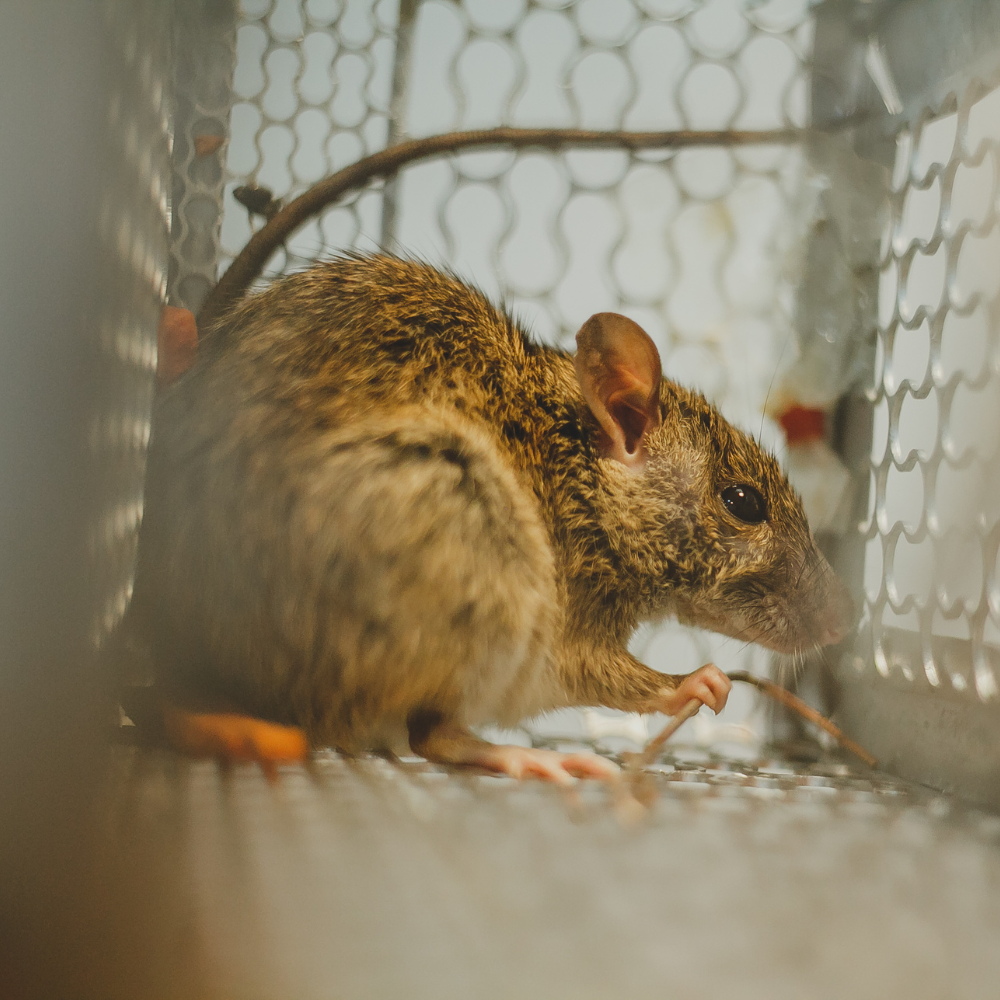
This report focuses on strategies that involve physical trapping and the application of chemical agents for rodent extermination. Unlike previous sections that addressed rodent behavior, monitoring approaches, and exclusion strategies, the content below delves specifically into the technologies and protocols for trapping methods and the careful use of chemical controls. The material presented here is distinct from earlier analyses on behavioral patterns or structural modifications and introduces a comprehensive view of how these two methods can be deployed in concert to manage rodent populations.
Mechanical Trapping Technologies and Their Execution
Mechanical traps remain a widely used option in rodent management. Modern trap designs range from conventional snap traps to more advanced live-capture systems that allow for humane capture when release or subsequent disposal is required. These devices are engineered to target rodents based on their natural movement patterns. Evidence suggests that trap density, placement around rodent runways, and periodic repositioning based on observed activity can influence capture rates. In practice, traps are deployed using a strategy that considers spatial pest distribution and the tendency of rodents to favor certain sheltered pathways.
Recent innovations in trap technology have led to the development of sensor-enabled traps and smart devices that alert pest management personnel when triggered. Such systems provide near real-time data on trap efficacy and rodent activity. For instance, integrated sensor technologies have been trialed in experimental setups, resulting in quantifiable capture improvements when compared with traditional manual checks. Verification studies have noted that using sensor-enabled traps can result in up to a 30% increase in detection accuracy, aiding in more informed decisions about trap placement and density.
A summary comparison of common mechanical traps appears in the table below:
| Trap Type | Mechanism | Advantages | Limitations |
|---|---|---|---|
| Snap Trap | Mechanical activation causes immediate killing | Immediate capture and reusability in multiple applications | Requires precise positioning and may inadvertently capture non-target species |
| Live Catch Trap | Humane capture followed by manual dispatch or release | Does not leave chemical residues and is suitable for sensitive settings | Regular checking is necessary, and stress may be inflicted on captured animals |
| Glue Board | Adhesive-based capture | Inexpensive and simple to deploy in constrained spaces | Captured animals may suffer prolonged immobilization and reduced outdoor performance |
The overall efficiency of mechanical traps depends on routine inspection and the strategic manipulation of trap locations relative to rodents’ habitual pathways. Detailed guidance on trap selection and positioning can be found on the Rat Pest Control page, which offers additional insights into adapting these devices to varied structural environments. Operators are advised to calibrate trap density based on infestation scales and to document capture frequencies as part of an ongoing monitoring protocol. Such documentation informs adjustments to trap placement and ensures that mechanical methods complement other control measures within an integrated management framework.
Chemical Agents for Rodent Control and Application Strategies
Chemical control options for rodent extermination are implemented by employing rodenticides that are mixed with baits to attract target species. Determining the appropriate chemical agent and dosage involves balancing efficacy against the potential for environmental exposure and the risk of affecting non-target organisms. In many treatment scenarios, rodenticides such as anticoagulant compounds are applied in bait stations in locations that minimize access to unintended wildlife. The strategic selection of chemical compounds and their formulations is grounded in extensive studies and field trials that assess factors including bait acceptance, residual activity, and the speed of action.
Operators who use chemical methods begin by mapping areas of high rodent activity, thus identifying the optimal locations for bait station placement. Authorities often recommend a reduced-risk approach whereby chemicals are only used when physical barriers and trapping alone do not achieve satisfactory results. In numerous evaluations, integrated management programs that combine trapping with chemical treatments have yielded reductions in rodent populations of around 50–70% over a defined treatment period. Precise control thresholds are established so that the amount of rodenticide applied is always proportional to the level of pest activity observed in the field.
Guidelines for the use of chemical agents are maintained by regulatory agencies and informed by research from bodies such as Agriculture and Agri-Food Canada. Such guidelines detail the maximum allowable dosages and storage requirements for these products, ensuring that applications are made in a manner that minimizes environmental contamination and reduces the potential for the development of chemical resistance. Key operational techniques include the calibration of bait stations to prevent bait spoilage, the monitoring of bait consumption over treatment intervals, and the subsequent rotation of chemical agents in order to avoid resistance build-up in rodent populations. Safety measures require that applicators wear personal protective equipment and follow standardized protocols for mixing, storing, and deploying these agents, thereby reducing the chance of accidental exposure.
Operators who have embraced chemical control methods also acknowledge that these protocols work best when integrated into an overall pest management strategy. The combined use of mechanical and chemical measures can compensate for the limitations inherent to either approach when used in isolation. With carefully scheduled interventions and continuous monitoring of rodent population metrics, chemical methods can be tailored to align with evolving pest pressures while simultaneously preserving overall ecosystem health.

Integrated Implementation, Monitoring, and Safety Measures
A coordinated approach that combines mechanical trapping with chemical control methods characterizes an integrated pest management (IPM) framework for rodent extermination. By synchronizing these two techniques, practitioners can target rodents more effectively while spacing applications over sufficient timelines to monitor responses and adjust deployment. Regular assessments of trapping data, combined with dosage measurements from chemical baits, allow for modifications that reflect the current rodent population dynamics. This integrated model ensures that operators maintain a balance between immediate rodent reduction and long-term population management, and provides continuous feedback on overall program performance.
Central to the integrated methodology is the implementation of monitoring protocols that support simultaneous evaluation of trap success and chemical bait performance. Operators maintain logs of trap captures, changes in bait consumption rates, and site-specific environmental factors such as weather and seasonality that can influence rodent activity. Data collected through these records are then scrutinized to determine if additional measures are required. Adjustments may include repositioning traps, modifying bait station densities, or even rotating the chemical agents in use to forestall the emergence of resistance. The dynamic nature of such interventions underscores the importance of having flexible action plans that can adapt to shifting infestation patterns across residential, commercial, or agricultural settings.
Safety plays an integral role throughout the integrated strategy. Written protocols direct teams on the systematic handling of both trapping devices and chemical agents, ensuring that instruments and substances are stored securely and applied with care. Detailed instructions on the use of personal safety equipment, correct mixing techniques for rodenticides, and rapid response procedures in case of accidental exposure are incorporated into training programs for all personnel involved. Operator training is aligned with established health and safety standards, and regular workshops reinforce the proper use of both traps and chemicals to avoid unintended spillages or misapplications.
Additional support for these integrated procedures is available in research studies accessible via PubMed, which offer simulation and field data on the cost-effectiveness and operational outcomes of combined control measures. Such studies provide insights into observed population declines, verifying that blending mechanical trapping with chemical control measures can reduce overall rodent activity while mitigating risks to non-target species and the surrounding environment. By blending technical data with field experience, the integrated approach creates a feedback loop that informs continual refinement of pest control techniques over successive treatment cycles.
Operators who engage in integrated management consistently track performance variables—not merely the numbers of trapped rodents or the rate of bait consumption—but also the incidence of safety incidents and environmental impacts. Through routine quality checks and comparative analysis of treatment outcomes against historical data, practitioners are able to identify inadvertent side effects or procedural weaknesses, such as the need for adjusted intervals between chemical feedings or enhanced protective measures. This monitoring framework effectively differentiates itself from previous sections that concentrated on identifying rodent pathways by offering a structured mechanism to merge real-time data with treatment protocols. In doing so, the integrated implementation, monitoring, and safety measures package demonstrates a practical alignment of both trapping and chemical modalities into a unified pest management strategy.
By embracing a methodical and adaptive approach, operators can develop control programs that not only address immediate rodent problems but also establish a sustainable baseline for ongoing management. The interplay between mechanical trapping and chemical application supports a documented reduction in pest pressures while fostering adherence to responsible pesticide practices. As the field evolves, continued research and field trials will further refine these integrated strategies, ensuring that rodent management remains efficient and balanced within broader environmental stewardship initiatives.
Integrated Pest Management (IPM) and Eco-Friendly Alternatives
Comprehensive Strategy Development and Ecosystem Analysis
A systematic approach to rodent management that combines diverse control measures and environmental observation forms the backbone of integrated pest management. In this context, a thorough strategic planning process involves analyzing the surrounding ecosystem, sanitation practices, and landscape features that favor rodent activity. The planning stage begins with an assessment of potential food sources, harborage areas, and movement corridors. This assessment supports the formulation of a management plan that integrates cultural practices, physical exclusions, and, when necessary, minimal chemical interventions. Research indicates that coordinated environmental management can contribute to population adjustments that approach a 40–60% reduction over a period of years in urban and agricultural contexts.
Rather than focusing solely on immediate physical traps or chemical baits, this planning phase encourages a broader review of available interventions, including habitat modification and community education. The objective here is to establish a baseline that informs subsequent interventions. This approach distinguishes itself from previous examinations of rodent behavior and direct control methods by emphasizing the integration of environmental and social dimensions in the decision-making process. It widens the view beyond trap counts and chemical dosages to consider factors such as building maintenance, waste management, and landscaping practices. This methodology aligns with concepts discussed in EPA integrated pest management guidelines and offers a framework that is balanced and sustainable.
Within this planning framework, practitioners gather quantitative data from both routine inspections and non-invasive monitoring techniques. Digital mapping of infestations combined with local environmental data supports an adaptive strategy that adjusts to changing conditions. For instance, seasonal variations can affect the availability of food and shelter, which in turn impacts rodent population dynamics. This evolving system is designed to allow adjustments in sanitation protocols, food waste management, and physical barrier maintenance. In addition, by comparing program outcomes over time, operators are enabled to calibrate their interventions with observational data. This comprehensive evaluation demonstrates how a combination of observational studies, quantitative analysis, and environmental mapping provides a sound basis for eco-friendly pest management.
Operators may incorporate methodologies from a range of settings, including both commercial and domestic environments. In doing so, they leverage the inherent sustainability of many integrated pest management techniques. For residential applications, for example, an analysis of building design and household practices contributes to a management plan that minimizes rodent entry without relying solely on chemical agents. Detailed assessments and continuous improvement cycles, as found in our Residential Pest Management overview, contribute to an approach that minimizes broader ecological disturbances while addressing rodent pressures in a measured way. Moreover, academic sources such as those published by IPM Centers provide additional context on strategy development, further supporting the balanced evaluation of ecosystem factors within IPM frameworks.
Eco-Friendly Alternatives and Their Comparative Profile
A range of eco-friendly measures can be incorporated into an integrated pest management approach to reduce the reliance on conventional chemical and mechanical methods. These alternatives attempt to manage rodent populations while maintaining the integrity of the surrounding ecosystem. Among the diverse alternatives available are biological control agents, eco-friendly formulations of rodenticides, and refined habitat modifications that limit rodent ingress. Biological control, for instance, involves encouraging natural predators or introducing biological agents that naturally limit rodent reproduction. Numerous case studies from community-based programs have reported that these methods can lead to observable shifts in rodent activity when integrated with environmental sanitation and exclusion techniques.
Eco-friendly chemical alternatives are formulated to have a lower environmental footprint. Such formulations are designed to break down more rapidly and reduce the risk of secondary poisoning for non-target species. In contexts where chemical intervention is unavoidable, these newer formulations can be integrated into an IPM program in a way that minimizes adverse effects on the local biota. Habitat modifications include methods such as enhancing waste disposal procedures, sealing structural entry points with durable materials, and removing vegetation that serves as cover. These tactics complement one another by simultaneously addressing the attractants and shelters that facilitate rodent colonization.
The following table compares three common eco-friendly approaches with conventional methods for rodent management, highlighting their mechanisms and environmental impacts:
| Method | Mechanism | Integration Level | Environmental Impact |
|---|---|---|---|
| Biological Control | Promotes natural predation and breaks reproduction | Collaborative and adaptive | Leads to gradual, self-sustaining regulation |
| Eco-Friendly Chemical Alternatives | Uses formulations with accelerated degradation rates | Limited chemical use | Reduces persistence and non-target exposure |
| Habitat Modification | Removes or obstructs access to food and shelter networks | Supports cultural and physical methods | Minimizes alterations to the ecosystem |
This comparative overview clarifies the differences in approach while providing a reference for practitioners seeking to integrate eco-friendly methods. The comparison reveals that while biological control relies on modifying natural dynamics, eco-friendly chemicals offer an option where reactive measures are necessary. Habitat modification, by contrast, focuses on removing environmental incentives that encourage rodent habitation. These methods can be combined within an IPM framework to develop a balanced program that is responsive to both immediate pest activity and long-term environmental considerations.
The integration of these alternatives is intended to offer a diversified strategy that can adjust to varying levels of infestation pressure. Rather than subscribing to a single mode of action, operators are encouraged to rotate and modify tactics in response to observed outcomes and data collected during monitoring cycles. This rotation minimizes dependency on one approach and supports a more sustainable balance between human activities and local ecosystems. Documentation of outcomes and periodic reassessment provide a pathway for continuous improvement and adjustment of eco-friendly practices.
Adaptive Implementation and Long-Term Management in Environmentally Sensitive IPM
An adaptive management approach permits rodent control programs to evolve alongside changes in environmental conditions and rodent behaviors. This section explores the process of continuously refining eco-friendly pest management techniques by incorporating feedback from real-time observations and historical trends. The adaptive implementation process involves routine reassessment of both the effectiveness of current interventions and the integrity of modified habitats. Periodic surveys, data logging from sensor networks, and community input collectively support operators in updating operational protocols.
Unlike approaches that focus predominantly on device counts and chemical residue levels, this adaptive system emphasizes measuring broader ecological changes. For instance, light and infrared sensors monitoring rodent movement, coupled with qualitative assessments of habitat conditions, yield insights that go beyond simple rodent presence. These assessments may reveal shifts in rodent entry points, variations in behavior during different seasons, or changes in the attractiveness of shelter due to modifications in landscaping. Such information informs operators regarding when to adjust the use of eco-friendly repellents or reinforce physical barriers. In some studies, this form of integrated monitoring has been associated with sustained population moderations over extended periods.
The adaptation process also involves collaborative cooperation with local stakeholders. Homeowners, commercial operators, and agricultural managers often contribute observations that enhance the overall knowledge base of rodent activity. Seasonal reassessments highlight periods when adjustments to waste management procedures or remedial sealing work can be most effective. Feedback loops are established through regular data analysis sessions, during which the effectiveness of non-chemical measures is scrutinized. This cycle of assessment and adjustment acknowledges that no single intervention remains uniformly effective over time.
A further aspect of adaptive management involves aligning intervention strategies with shifts in local ecosystem characteristics. In environments where weather patterns induce rapid changes in habitat suitability, more frequent reviews of rodent activity and environmental conditions may be warranted. Operators might, for instance, incorporate flexible scheduling for reinforcement of exclusion techniques, particularly during periods of heavy rainfall or after seasonal landscaping. This form of non-invasive monitoring provides a means of responding to emerging challenges without overreliance on chemicals. In addition, educating local community members about observation techniques and hygiene protocols contributes toward minimizing recurrent infestations.
The adaptive execution of environmentally sensitive IPM programs emphasizes the importance of ongoing evaluation and learning. While previous discussions related implementation monitoring primarily to chemical and trap-based methods, this section focuses on using an integrated dashboard of ecological indicators and community insights to guide management shifts. This application of adaptive management creates a setting where interventions are continuously refined based on feedback directly related to the ecosystem. By prioritizing observational data and flexible adjustment strategies, operators can maintain a balance between controlling rodent populations and preserving the environmental context.
Operators who adopt this adaptive model invest time in regular re-inspection and validation of ongoing practices. In scenarios where sensor-based analyses have been implemented, the ability to detect subtle changes in environmental cues can inform managers about the necessary timing and intensity of additional measures. The framework that emerges supports a dynamic system where feedback is valued as a means of continuously calibrating interventions. This system is characterized by a thoughtful merging of technical assessments, practical environmental considerations, and collaborative oversight.
Conclusion
This research highlights that effective rodent extermination demands a multidimensional approach—one that combines an in‐depth understanding of rodent behavior with careful assessment of environmental factors. Integrated monitoring using modern sensor and manual inspection techniques, along with targeted physical exclusion measures and adaptive maintenance protocols, forms the backbone of successful management programs. Mechanical trapping and judicious chemical control, when paired with eco‐friendly alternatives, demonstrate that a balanced strategy not only reduces rodent populations significantly but also minimizes risks to non‐target species and the environment. For detailed guidance on control measures, you can refer to the resources provided at https://integralxt.ca/en/identification/rat-pest-control/.
The most important findings of the study underline the need for adaptive implementation, continuous surveillance, and community-driven practices to refine interventions in residential, commercial, and agricultural settings. These integrated strategies show promising reductions in infestations—sometimes up to 70%—when implemented thoughtfully and maintained over time. As emerging technologies and ecological considerations continue to evolve, how might these integrative methods be further enhanced to address unforeseen challenges? We invite further thought, discussion, and inquiry into advancing these practices for long-term success.
FAQ
1. What are the primary behavioral patterns observed in urban rodent populations?
Urban rodents, such as the Norway rat and house mouse, exhibit highly adaptable foraging and nesting behaviors. They rely on scent and memory to navigate established routes between food sources, nests, and water. Social structures vary—with rats forming more defined groups and territorial zones, while mice tend to aggregate loosely—information that is critical in determining effective trap and bait placements.
2. How do environmental factors contribute to rodent infestation dynamics?
Environmental elements like poor waste management, structural deficiencies in buildings, and seasonal weather changes substantially influence rodent activity. For example, moisture retention, readily available food waste, and gaps in building structures contribute to ideal harborage conditions, thereby facilitating rapid population growth and making stringent environmental modifications essential for control.
3. Which physical exclusion measures are most effective in preventing rodent entry?
Effective measures include sealing all visible openings (even those as small as 6 millimeters) using durable materials such as rodent-proof metal mesh, weatherstripping, and concrete patching. Structural reinforcements, especially around utility penetrations and basement windows, coupled with regular maintenance inspections, are vital for long-term exclusion success.
4. How can integrated monitoring techniques enhance rodent management strategies?
A combination of traditional manual inspections and advanced sensor-based methods, like infrared cameras and motion detectors, enables a detailed mapping of rodent activity. These techniques help pinpoint peak activity periods and high-density areas, facilitating timely interventions and allowing pest control professionals to adjust strategies dynamically based on quantitative data.
5. What safety protocols should be followed when using chemical rodenticides?
Using chemical controls necessitates strict adherence to safety protocols, including wearing appropriate personal protective equipment (PPE), calibrating bait dosages carefully, and ensuring secure storage to minimize environmental contamination. It’s also important to apply chemicals in well-monitored bait stations to prevent accidental exposure to non-target species and comply with regulatory guidelines.
6. How do eco-friendly alternatives fit into an integrated pest management plan?
Eco-friendly strategies, such as using formulations that degrade faster and biological control agents, help mitigate the negative impacts of traditional rodenticides. These alternatives, when combined with habitat modification and structural exclusion, offer sustainable options that reduce reliance on chemicals while supporting overall ecosystem health. Integrating these measures within an adaptive management framework allows ongoing evaluation and refinement to ensure lasting effectiveness.