
Table of Contents
What Is the German Cockroach and Why Is It Such a Problem?
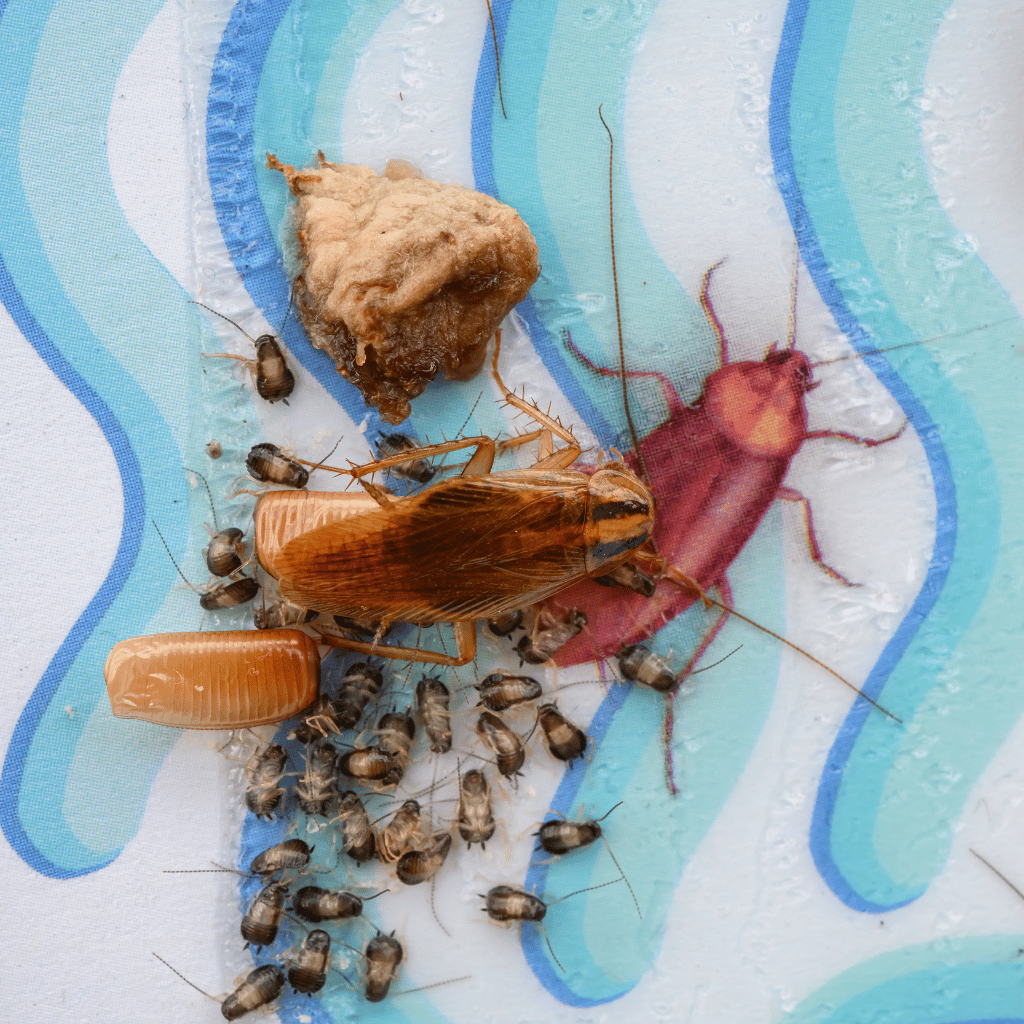
The German cockroach (Blattella germanica), often referred to as “cockroach” in Quebec, is one of the most invasive pests in residential and commercial buildings in Greater Montreal. This type of cockroach is small (between 13 and 16 mm), light brown with two dark parallel stripes on its thorax. It is mainly found in kitchens, bathrooms, laundry rooms, and any warm, humid, dimly lit area.
This pest is much more than a simple nuisance: it can transmit pathogens (salmonella, staphylococcus, E. coli), contaminate food, and even worsen respiratory conditions like asthma—especially in children. Its presence is often perceived as a sign of poor sanitation, which can severely harm a business’s reputation or a tenant’s peace of mind.
Unfortunately, many home treatments fail because they don’t target the root causes or hidden nests. That’s why it’s essential to understand the German cockroach’s lifestyle before intervening.
Lifecycle and Typical Behaviour in Quebec Housing
A single female can produce up to 300 to 400 offspring during her life by carrying oothecae (egg capsules) that hatch about 20 to 30 days after being laid. Nymphs reach adulthood in under two months depending on temperature. This fast cycle makes infestations hard to contain once they begin.
The German cockroach is nocturnal: it avoids light and becomes active at night, especially between midnight and 4 a.m. If you see one during the day, it’s usually a sign of a major infestation. Roaches are omnivorous and opportunistic: they feed on crumbs, grease, garbage, dry food, pet food residues—even soap or toothpaste.
Biologically, they can survive up to a month without food, but only a few days without water. That’s why they’re attracted to leaks, condensation, sinks, or moisture-producing appliances (e.g., dishwashers).
Spread Factors in Montreal Housing
Montreal is full of older buildings, multiplexes, or poorly insulated condos, with thin walls, cracked joints, or open spaces around pipes. These features make it easy for cockroaches to move between units. An infestation in one apartment can quickly spread throughout an entire floor.
Other factors that accelerate the spread:
- Tenants who delay reporting the infestation;
- High tenant turnover in certain neighbourhoods;
- Movement of infested furniture or appliances;
- Multiple units with varying hygiene practices;
- Incorrect use of aerosol insecticides that only scatter the roaches.
To understand this phenomenon, visit our page about cockroach presence in Montreal.
Effective Techniques to Get Rid of Them Permanently
Successful treatment requires an integrated approach combining hygiene, physical exclusion, traps, baits, and monitoring.
1. Thorough Inspection
Identify active areas: behind the fridge, under the sink, inside lower cabinets, around the range hood, and floor gaps. Roach droppings (black dots like ground pepper) and shed skins are tell-tale signs. Also note any cracks, holes, or damp corners.
2. Cleaning and Waste Management
Thorough cleaning is essential to remove food sources, including:
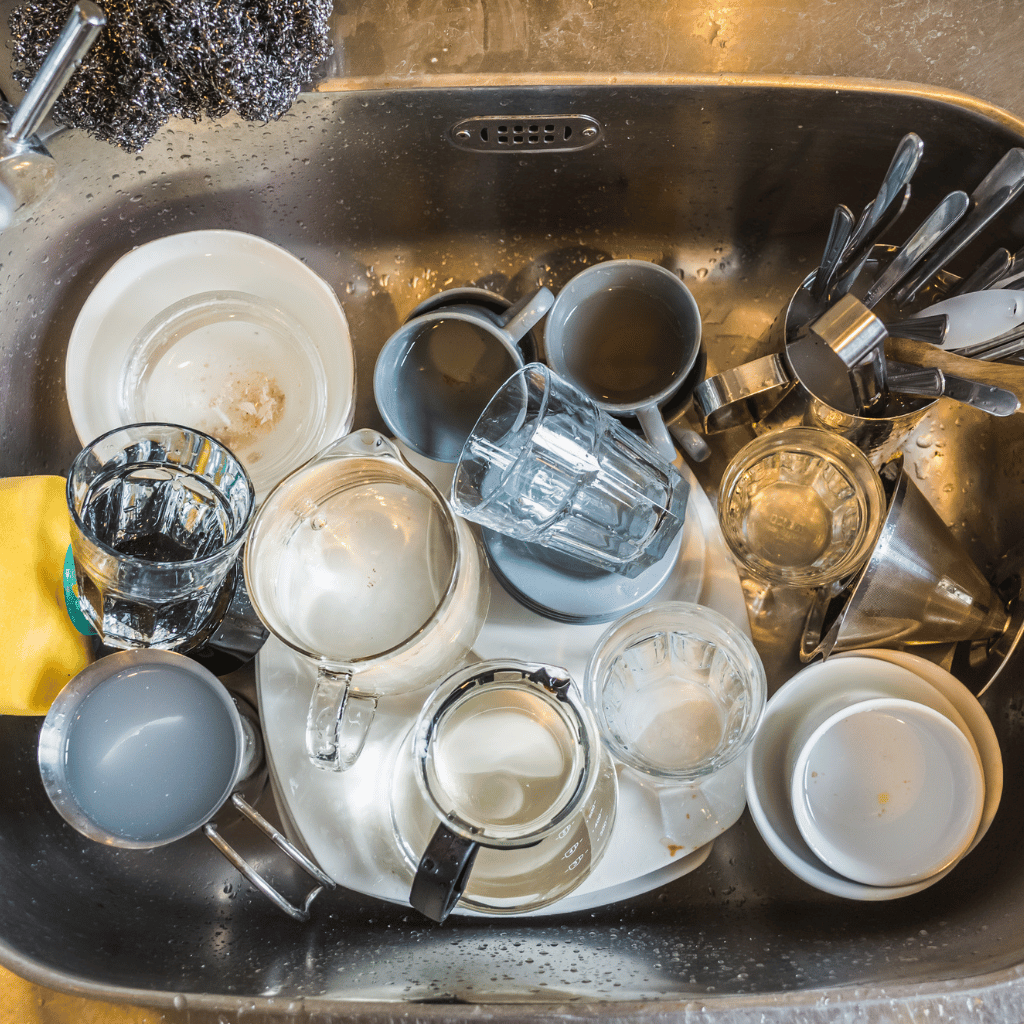
- Avoid leaving dirty dishes in the sink;
- Wipe down counters every night;
- Vacuum behind appliances regularly;
- Use airtight containers for food;
- Take out the trash frequently.
This step is mandatory before applying any treatment.
3. Gel Baits
Gels containing fipronil or hydramethylnon are highly effective. Apply small dots in cracks, corners, and warm spots. Warning: never apply gel near a repellent insecticide (like sprays), as it will make the bait ineffective.
4. Sticky Traps
Traps help assess the infestation level and identify active areas. They’re not sufficient alone, but helpful for monitoring. For commercial settings, check out our article on managing cockroaches in businesses.
5. Sealing
The final step is to block entry points: install metal grilles around pipes, seal cracks with silicone, and use door sweeps. Practical advice is available in our sealing guide.
Essential Preventive Measures to Avoid Their Return
Habits to maintain even after elimination:
- Keep space under sinks and pantries uncluttered;
- Check grocery bags or boxes from risk areas;
- Clean and monitor baseboard heaters;
- Watch shared ducts in multi-unit housing.
You may also consider periodic preventive service. Our preventive services are designed for buildings and businesses that want to remain pest-free long term.
When to Call a Certified Exterminator
It’s time to consult a professional if:
- You see more than 2 or 3 cockroaches per day;
- You applied gels/baits without success after 10 days;
- You live in a multi-unit building with no neighbour coordination;
- You run a food business or host clients.
At Integral XT, we offer discreet and quick residential services and commercial services for restaurants, convenience stores, daycares, and more.
Conclusion
The German cockroach is a silent yet real threat in Montreal. Eliminating it requires rigour, a methodical approach, and sometimes certified professional help. Combining strategies, maintaining hygiene, and acting at the first signs are your best weapons against this tenacious pest.
To get a personalized quote or schedule an inspection for your home or business, feel free to contact us. Together, we’ll find a tailored and lasting solution.