
A spider in the bathtub, another on the bedroom ceiling, webs in every corner of the basement: at the end of summer and in the fall, many Quebecers feel overrun. Good news first: according to Espace pour la vie, no spider considered dangerous to humans is established in Quebec. Still, most of us would rather keep them outside. Here is why they come in and what actually works.
Why you see more of them at the end of summer
It is not your imagination. From late August to October:
- spiders born in the spring have reached adulthood, so they are bigger and easier to spot;
- males wander in search of females: those are the ones you find in the middle of the floor or in the tub, where they fall in and can’t climb the smooth sides;
- some outdoor species, such as wolf spiders, look for shelter as the nights cool.
The tub is not an entry point: the spider didn’t “come up the drain”, it fell in.
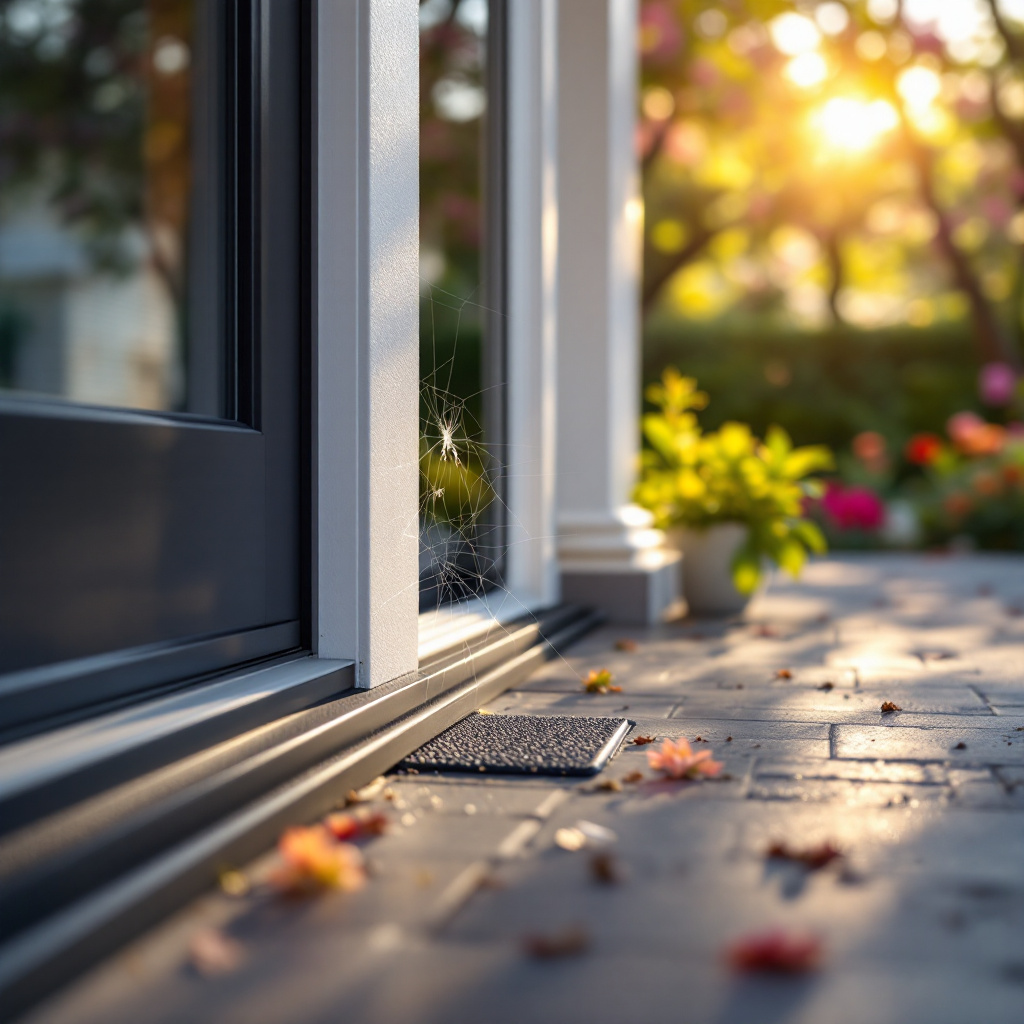
The spiders you find in Quebec homes
- Barn funnel weaver (house spider): brown, long hairy legs, a sheet web with a funnel in a corner. Basements, garages, sheds. Fast, alarming, harmless.
- Common house spider: small, round abdomen, tangled webs in ceiling corners and windows.
- Cellar spider: tiny body, very long thin legs; loose webs on basement ceilings. It eats other spiders.
- Wolf spiders: stocky, brown, hunt on the ground without a web. They come in under doors and through basement windows in the fall.
- Fishing spiders: large brown spiders, common at the cottage and near water. Impressive, but they only bite if handled.
- Jumping spiders: small, stocky, big-eyed, often on windowsills.
For more detail and to know when treatment makes sense, see our spider profile.
What draws them to your home
A spider settles where it finds food and a quiet corner. Three factors make the difference:
- Insects. The more flies, mosquitoes, moths or sowbugs around and inside the house, the more spiders stay. This is factor number one.
- Outdoor lighting. White lights draw insects at night, and spiders build their webs right next to them: around doors, windows, under the porch.
- Moisture and clutter. Damp basements, cardboard boxes, piles of clothes and corners that never get cleaned give them shelter and prey.

What works to keep them out
Cut off the food
- Swap outdoor bulbs for yellow or warm-light bulbs, and turn off what you don’t need.
- Keep screens in good repair.
- Deal with other insect problems: flies, cluster flies, mosquitoes.
Close the way in
- Door sweeps on exterior doors, including the garage door.
- Caulk around windows and cable, pipe and air conditioner openings.
- Seal cracks in the foundation and basement windows.
Make the house less welcoming
- Vacuum corners, behind furniture and under stairs, removing webs and egg sacs (small white or beige silky balls).
- Dehumidify the basement: below 50% relative humidity there is less prey and fewer spiders.
- Store things in sealed bins rather than cardboard boxes.
- Keep firewood, leaves and decorative stones away from the foundation.
What doesn’t work
Peppermint oil, horse chestnuts and ultrasonic devices have no proven effect on spiders. Sprays kill the spider you aim at without addressing why it was there.
When treatment makes sense
If you see spiders every day despite these steps, or the outside of the house is covered in webs every summer, an exterior treatment of the perimeter, windows, doors and eaves reduces both the spiders and the insects they feed on. Done in spring, it limits summer populations; at the end of summer, it limits fall entries. Our home protection plan includes these perimeter treatments and a yearly follow-up.
For an assessment, contact us or call 514-638-8705. The estimate is free.
Not sure what you found? Our guide to bugs in the house in Quebec helps you identify it by where and when you see it.
Frequently asked questions
Are there venomous spiders in Quebec?
All spiders have venom to paralyze their prey, but Espace pour la vie states that no species causing serious envenomation in humans is established in Quebec. Bites are rare and usually look like a mosquito bite. A wound that spreads, feels hot or oozes is most often a skin infection: see a doctor.
Do spiders lay eggs inside the house?
Some do: the barn funnel weaver, the common house spider and the cellar spider live indoors year-round. Vacuuming up egg sacs limits the next generation.
Should I kill spiders?
In a basement, a few spiders eat the insects living there. The problem is large numbers, which often point to another insect or moisture problem.