
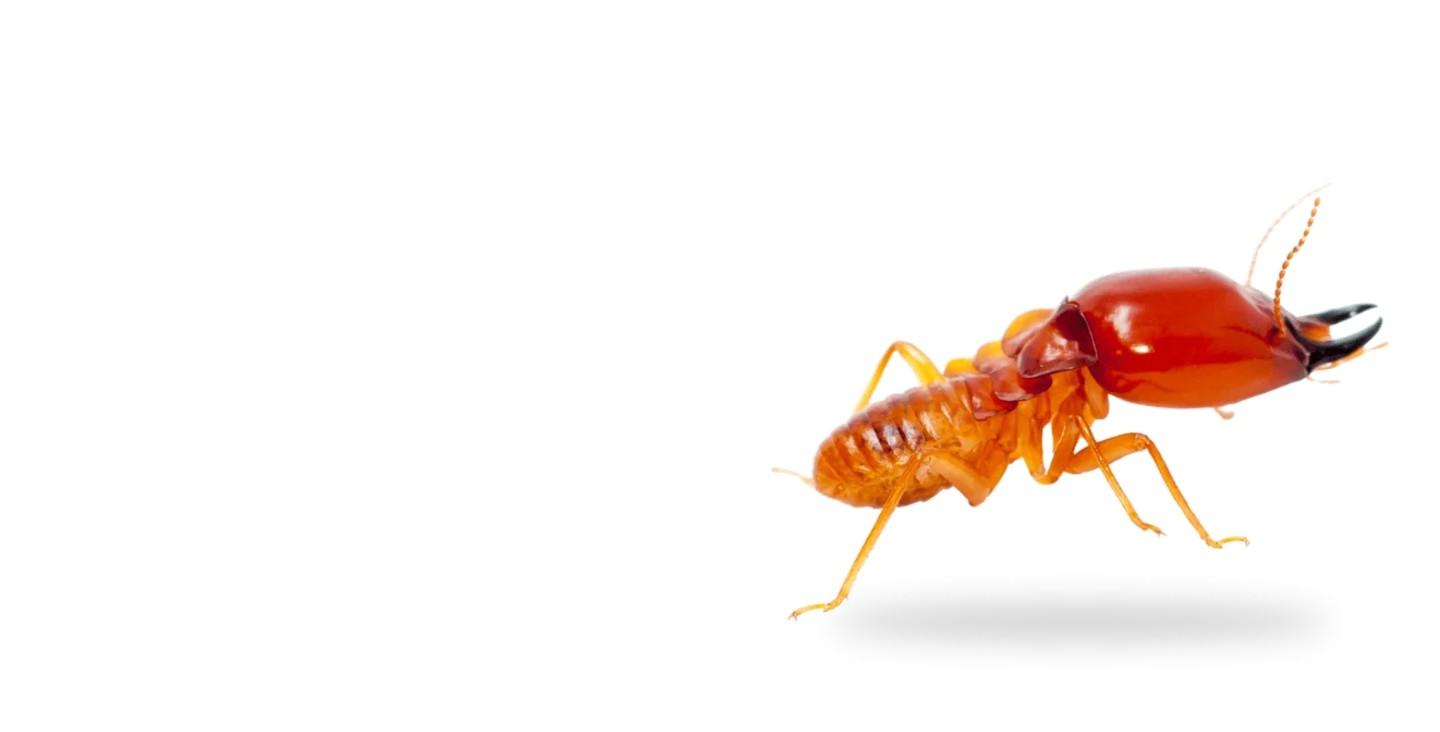
Termites or Carpenter Ants?
Winged insects in the house, damaged wood? Before thinking termites, let’s check what it really is.
What makes people think of termites
- Winged insects coming out of a wall or floor in spring
- Shed wings on a window sill
- Hollowed or damaged wood in the structure, a deck or a window frame
- Fine sawdust near a baseboard or beam
- Mud tubes on a foundation, from the soil up to the wood
In Québec, these signs almost always come from carpenter ants. Subterranean termites are established in southern Ontario, but no current official source confirms they are in Québec.
Termites in Canada
The eastern subterranean termite (Reticulitermes flavipes) is a regional hazard in southern Ontario, southern British Columbia and southern Manitoba, according to the Canadian Conservation Institute. In Toronto it has been established in homes for decades.
Termite or ant?
What carpenter ants do
What termites do
In Québec
Prevention
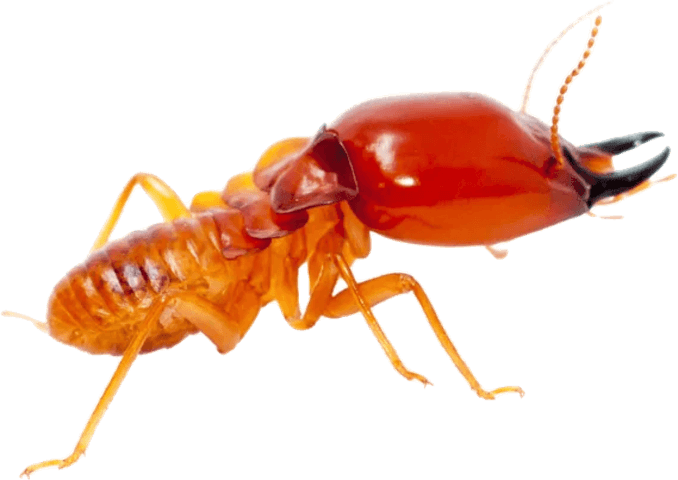
Three differences, according to Health Canada and Penn State: termites have straight antennae, ants elbowed ones; termites have a thick waist, ants a very narrow one; winged termites have four wings of equal length, nearly twice as long as the body, while an ant’s front wings are longer than its hind wings.
The carpenter ant (6 to 25 mm) hollows out damp wood for its nest but doesn’t eat it: it pushes out fine sawdust. Winged ants swarm in spring. See our carpenter ant profile.
Subterranean termites live in the soil and eat wood. Workers are creamy white and avoid light; they travel from soil to wood in mud tubes. Wings shed by swarms are often the only visible sign.
A 1981 National Research Council note mentioned isolated cases in southern Québec. No recent official source confirms an established population. Wood that deteriorates in Québec first needs a proper identification.
Either way, moisture is the problem: fix leaks, keep the house’s wood away from the soil, and keep firewood and stumps away from the foundation.
How we solve the problem
Identification first. We examine the insects, the wings and the damaged wood. That decides the treatment: a carpenter ant is not treated like a termite.
If they’re carpenter ants. We find the nest, often in wood that has taken on water, treat it and tell you what to repair.
If they were termites. Subterranean termite treatment targets the soil around the foundation and the colony itself. We tell you plainly what we found and which options exist.
What you can do right now
- Keep a winged insect in a jar or take a sharp photo: it’s the best way to identify it
- Fix water leaks and ventilate crawl spaces
- Keep firewood and wood debris away from the foundation
- Keep the house’s wood at least 45 cm above the soil
Our guarantee. Our treatments are guaranteed over a period agreed in advance: if the problem comes back, so do we, with no hidden fees.
Termites: frequently asked questions
Are there termites in Québec?
No recent official source confirms an established population in Québec. Subterranean termites are established in southern Ontario. In Québec, reported "termites" are almost always carpenter ants.
How do I tell a termite from a winged ant?
Do carpenter ants eat wood?
How much does an inspection cost?
Insects in the wood?
Call 514-638-8705 (toll-free: 1-855-472-3352), 24 hours a day, or fill in the form: the estimate is free.