
Ants can quickly become a nuisance in our homes, invading kitchens and other spaces in search of food. Finding effective and safe solutions to combat these intruders is essential to maintain our comfort. Among popular methods, borax is often mentioned as an affordable and practical solution. But is it really effective? How does it work, and what are the best practices for its use? This article explores these questions to provide you with an informed solution.
What is Borax?
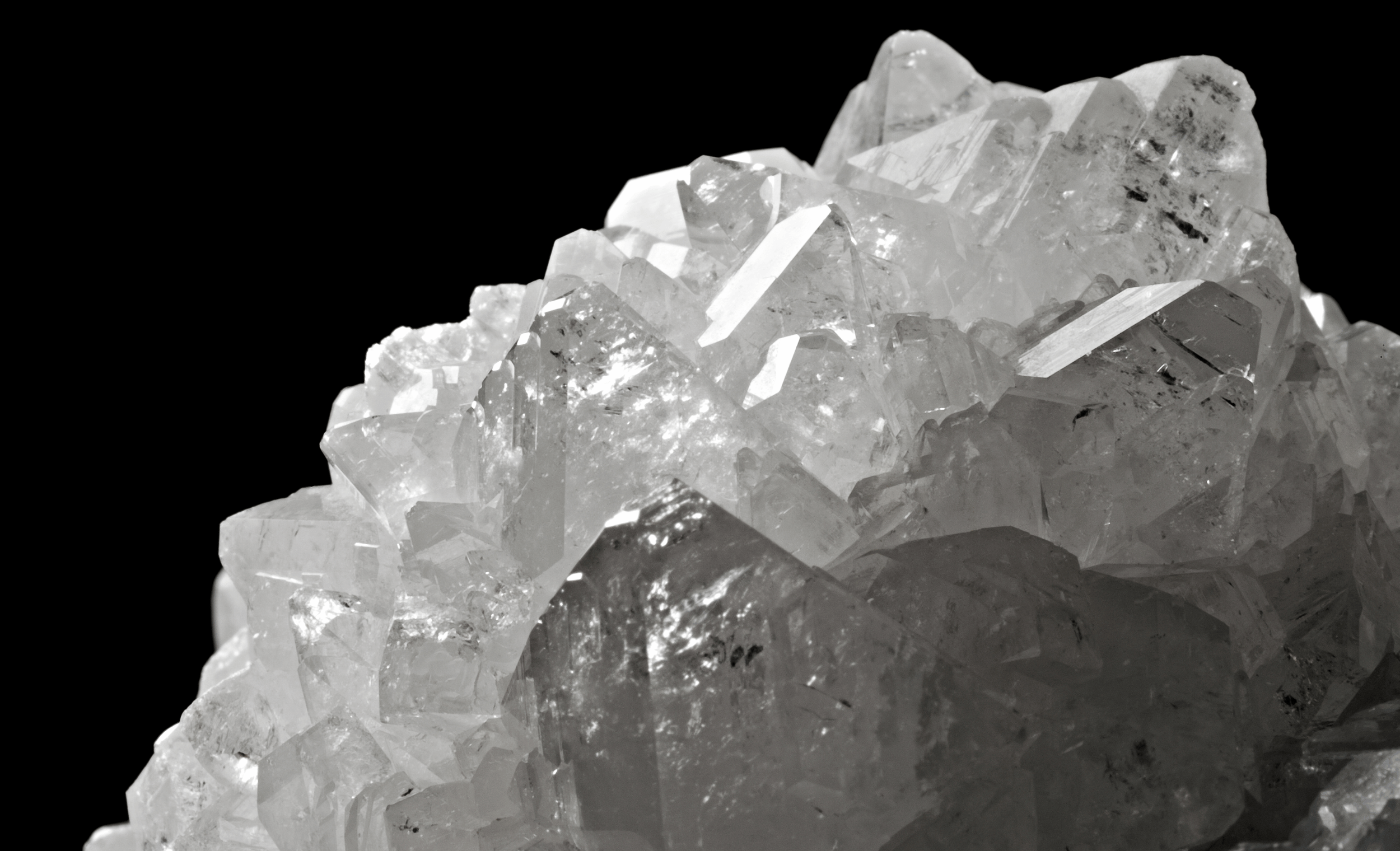
Borax, or sodium borate, is a natural mineral extracted mainly from dried lake beds. It comes in the form of a white powder and is commonly used in various applications, such as:
- Cleaning: as a natural whitening or detergent agent.
- Disinfecting: thanks to its antifungal and antibacterial properties.
- Pest control: particularly against insects like cockroaches and ants.
Chemically, borax acts as a poison for ants when ingested. This property makes it a preferred option for controlling infestations while being relatively accessible.
The advantages and limitations of Borax against ants
Advantages:
- Affordable cost: Available in many stores at a low price.
- Long-lasting action: Eliminates entire colonies when used correctly.
- Versatile: Can be combined with different attractants (sugar, honey, etc.).
- Environmentally friendly: A natural solution compared to chemical insecticides.
Limitations:
- Slow action: It often takes several days or weeks to completely eliminate an infestation.
- Toxicity: Although less hazardous than some chemical products, it remains toxic to children and pets if ingested or in prolonged contact.
- Variable effectiveness: It may not work on certain ant species that prefer different attractants.
The effectiveness of Borax against ants
Borax kills ants by disrupting their digestive system. When mixed with sweet or fatty substances, ants carry it back to their colony, sharing the poison with other members, including the queen. This rapid spread of the poison allows for the elimination of not only the visible worker ants but also the entire colony, making borax particularly effective.
Scientific studies have shown that borax is an effective method for controlling ant infestations. According to an article by Pest Control Technology, borax acts as a slow-acting poison that allows worker ants to bring it back to their colony, affecting the entire colony, including the queen. This method facilitates the complete elimination of ant colonies.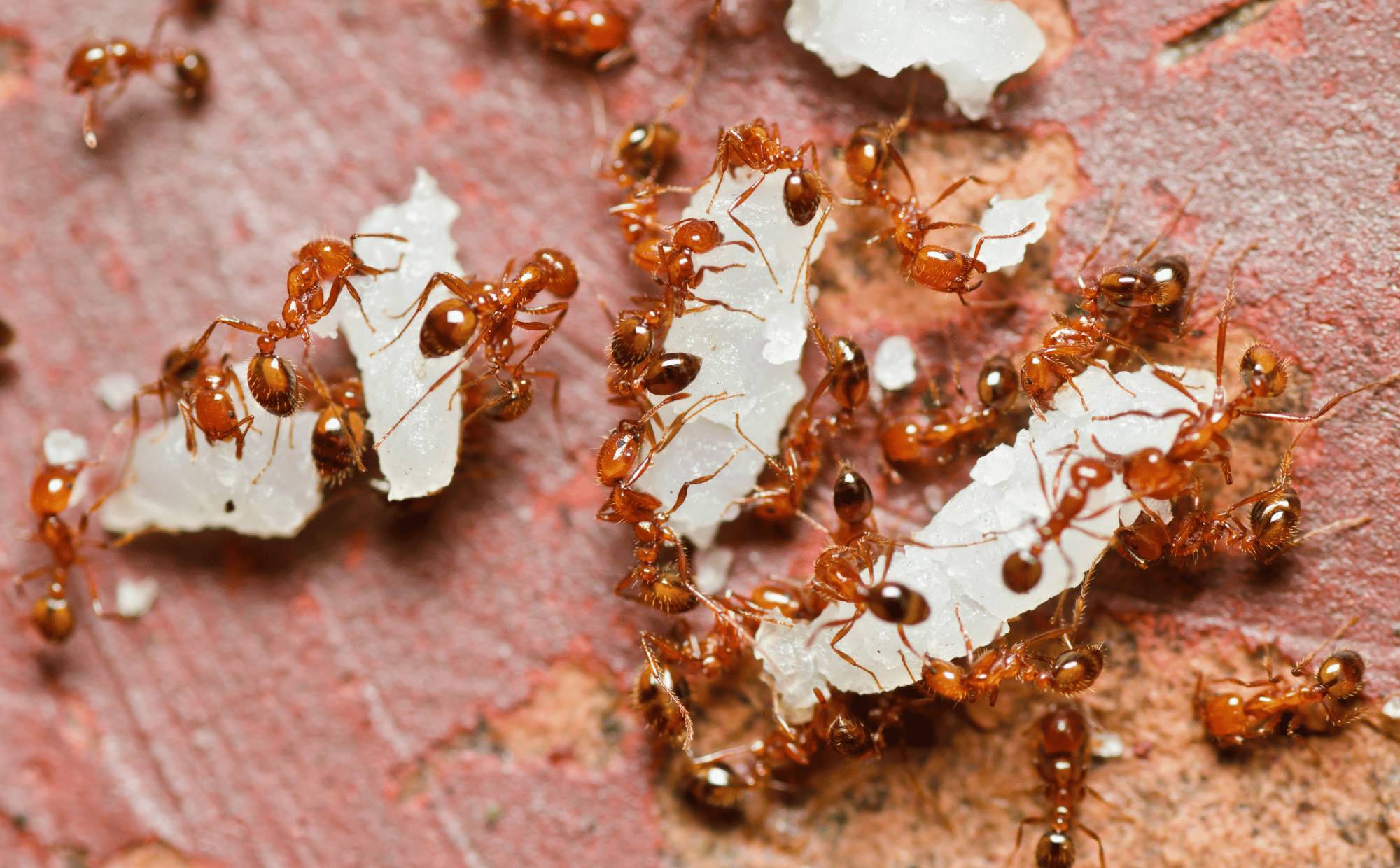
Safe use of Borax
Although borax is relatively safe, it is important to take certain precautions when using it to avoid any risk to human and animal health.
– General precautions: Always wear gloves when handling borax to avoid direct contact with the skin. Keep borax out of reach of children and pets.
– Recommended dosages: Use a small amount of borax (about one teaspoon) mixed with a substance attractive to ants, such as sugar or honey. Do not overdose, as this could make the mixture less attractive to the ants.
– Application methods: Place borax traps in areas where ants are most active, but out of reach of children and pets. Check and replace the traps regularly to maintain their effectiveness.
Methods for using Borax against ants
Here are some effective borax-based trap recipes:
1. Borax and sugar: Mix one teaspoon of borax with one cup of sugar and enough water to create a paste. Place small amounts of this paste on pieces of cardboard and position them in areas frequented by ants.
2. Borax and honey: Mix one teaspoon of borax with one tablespoon of honey. Apply the mixture onto pieces of wax paper and place them near ant entry points.
3. Borax and peanut butter: Mix one teaspoon of borax with one tablespoon of peanut butter. Place small amounts of this mixture on bottle caps and set them along ant trails.
These methods attract ants to the borax, which they then carry back to their colony, helping to eliminate the entire population. If you’d like to learn more about identifying signs of an ant infestation, feel free to consult our detailed article on the subject.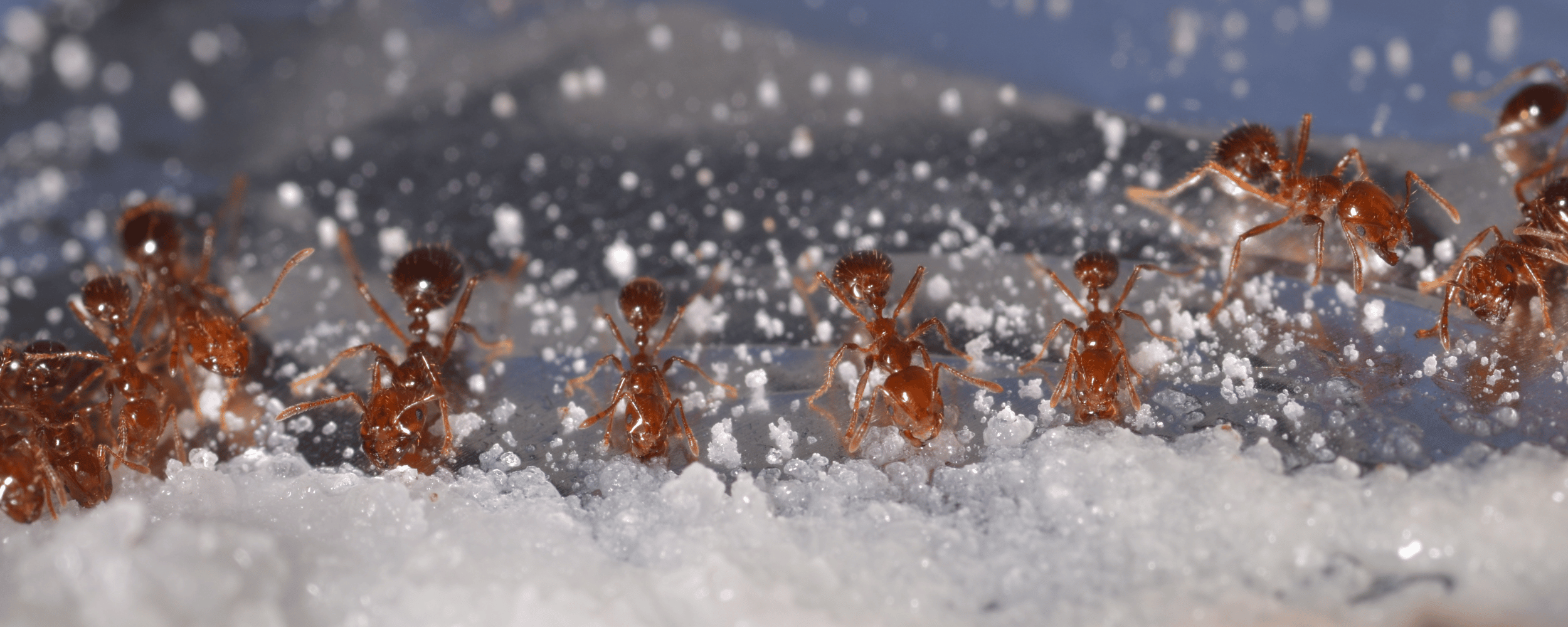
Alternatives to Borax
While borax is effective, you can explore other natural or chemical solutions based on your preferences:
- White vinegar: Use diluted vinegar as a spray to clean ant pheromone trails.
- Diatomaceous earth: A natural alternative that kills ants on contact.
- Commercial baits: Available in various forms, they are pre-designed for quick use.
Conclusion
Borax is an effective and affordable solution for dealing with ant infestations. By using it safely and strategically, you can protect your home from ant invasions while minimizing health risks. For additional solutions or professional advice, don’t hesitate to contact Integral XT. Our pest management experts are here to help you maintain a healthy and pest-free environment.