
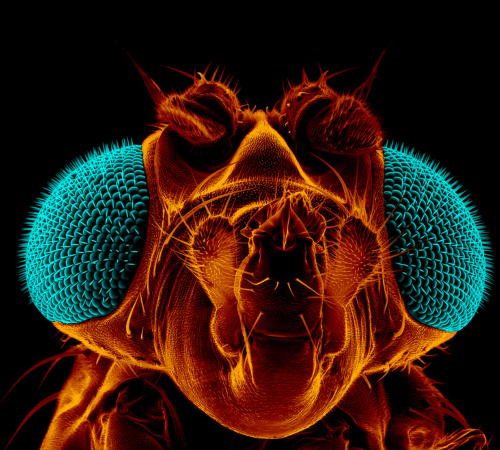
Fruit flies are a common problem in many households, especially during the warm months. They seem to appear out of nowhere, flying around ripe fruits, trash cans, and other food sources. Although small, they can quickly become a real nuisance. Fortunately, there are several effective solutions to capture and eliminate them. This article provides a guide to choosing the most suitable fruit fly trap for your situation, while adopting a respectful and non-alarmist approach.
Understanding fruit flies
Fruit flies, scientifically known as Drosophila melanogaster, are tiny insects about 2 to 4 mm long. They are primarily attracted to ripe fruits, decomposing vegetables, and other fermented organic matter. Their life cycle is short, but they reproduce rapidly, with females capable of laying up to 500 eggs at a time. The eggs hatch in less than 24 hours, which can turn a small infestation into a major problem in just a few days.
Although harmless to health, these flies are often associated with unsanitary conditions, making them undesirable, especially in kitchens and areas where food is prepared. Fortunately, there are effective ways to manage their presence.
Criteria for choosing a fruit fly trap
Choosing the right trap is useful for effectively eliminating fruit flies. Here are some essential criteria to consider:
1. Effectiveness:
A good trap should be able to attract and capture a large number of fruit flies quickly. Traps using specific baits, such as apple cider vinegar, are often the most effective.
2. Ease of use:
The traps should be simple to set up and maintain. Ready-to-use options are convenient, while DIY (do-it-yourself) traps offer the possibility of using common ingredients you probably already have at home.
3. Durability and cost:
Reusable traps can offer good value for money in the long term. It is also important to consider the initial cost relative to the duration of use of the trap.
4. Safety:
Ensure that the traps you choose are safe for home use, especially if you have children or pets. Opt for non-toxic solutions.
List of the most effective fruit fly traps
Here is a selection of the most effective fruit fly traps, categorized by type: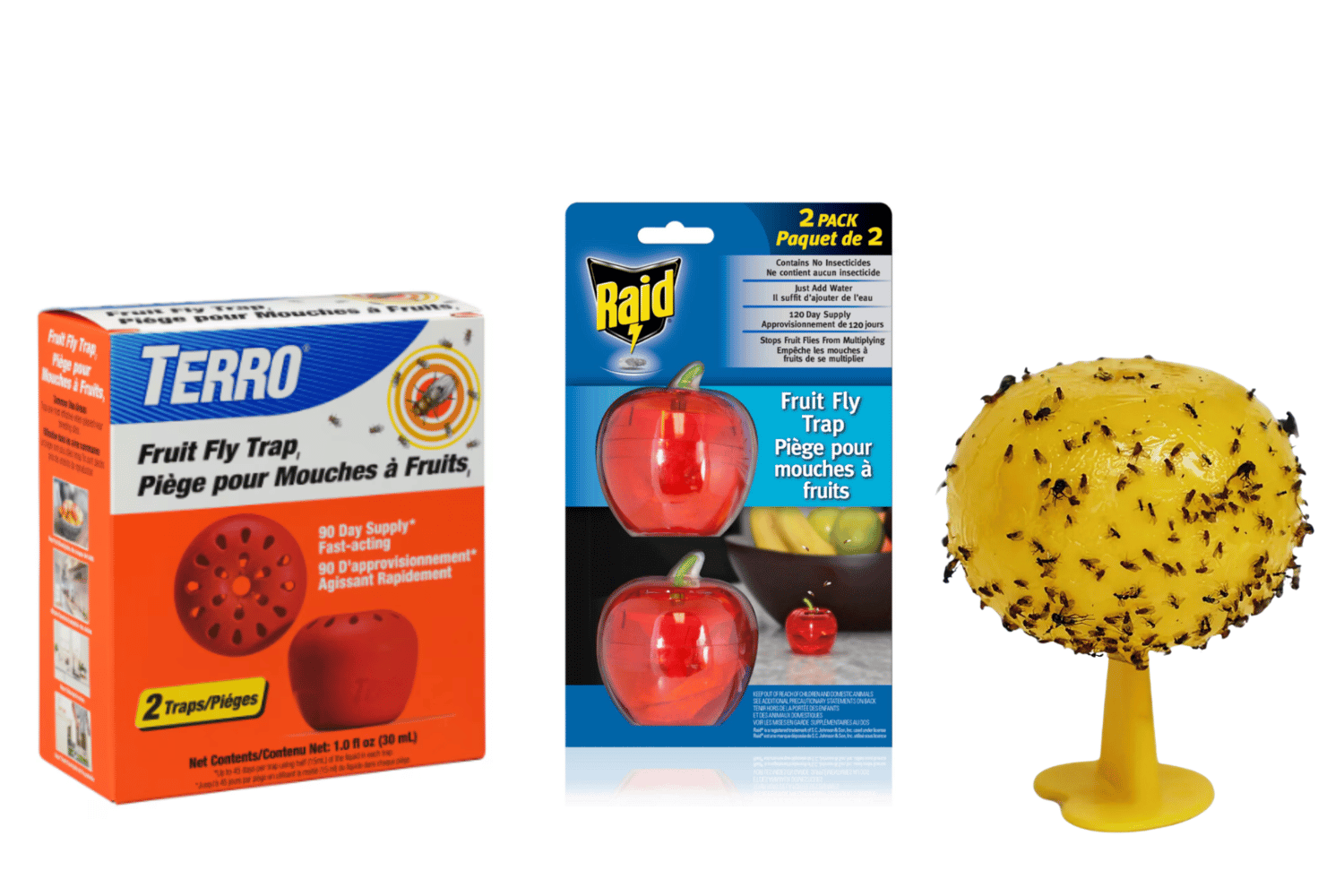
1. Pre-made traps:
– TERRO fruit fly trap : This trap is a favorite for its simplicity and effectiveness. It contains a liquid bait specifically designed to attract fruit flies quickly. Easy to set up, it just needs to be placed near fruits or any other food source. The trap is discreet and can function for up to 30 days before needing replacement.
– Raid Fruit Fly Trap : Another popular trap, this model uses a liquid bait also designed to attract fruit flies. Its design ensures that the flies are captured without being able to escape. It is perfect for use on kitchen counters.
– Fly strips : Fly strips are a simple and effective solution for capturing fruit flies. They work by attracting flies to a sticky surface where they remain trapped. Fly strips can be hung near problem areas, such as windows or doors, to intercept flies before they reach fruits or other food sources. For more information on fly strips and their effectiveness, check out our detailed article on fly strips.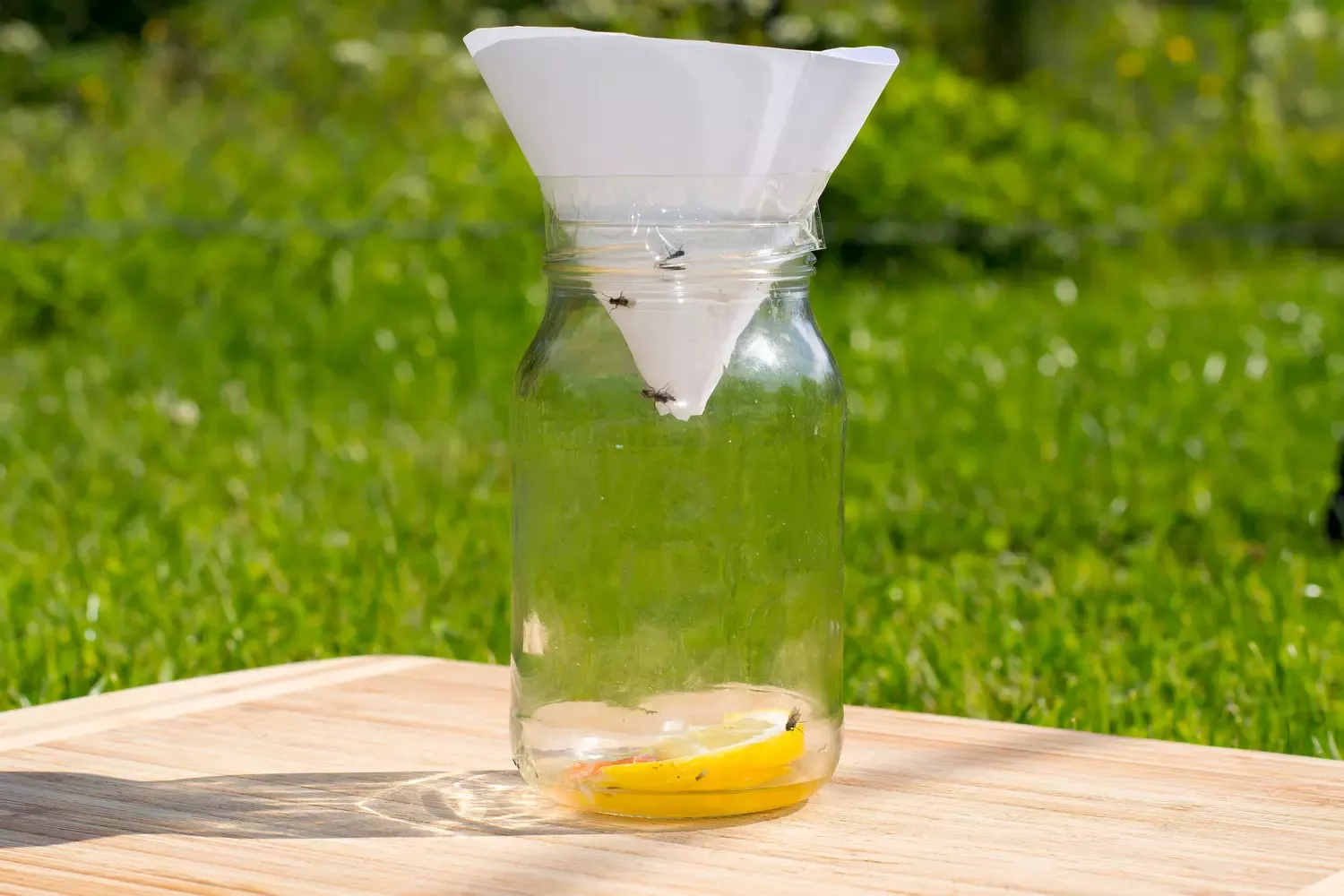
2. DIY (Do-It-Yourself) traps:
– Apple cider vinegar trap: One of the simplest and most effective DIY traps. To prepare it, simply pour apple cider vinegar into a small bowl or glass, add a few drops of dish soap, and cover the bowl with plastic wrap poked with a few holes. The vinegar attracts the flies, while the dish soap reduces the surface tension, trapping them in the liquid.
– Ripe fruit trap: Place a piece of very ripe fruit in a container, then cover it with plastic wrap poked with holes. The flies will be attracted to the fruit but will have difficulty escaping once inside. This trap is simple to make and only requires common ingredients.
– Funnel trap: Use a jar with a bit of apple cider vinegar or a piece of fruit inside. Make a funnel out of paper and place it in the jar, with the narrow opening facing down. The flies enter through the funnel to reach the bait but cannot escape.

How to use and maintain your traps
To maximize the effectiveness of your trap, it is important to use and maintain it properly:
Strategic placement:
Place the traps near food sources, such as fruit bowls, sinks, or trash cans. If you have multiple risk areas, use multiple traps to maximize capture.
Frequency of checking:
The traps, especially homemade ones, should be checked regularly. The apple cider vinegar should be replaced every few days to maintain its effectiveness. Pre-made traps should be replaced according to the manufacturer’s recommendations.
Cleaning and reuse:
For reusable traps, clean them with hot soapy water between each use to prevent residue from reducing their effectiveness.
For more details and a demonstration video on how to make a fruit fly trap, check out this article: How to Make an Effective Fruit Fly Trap.
Preventing future infestations
Once you have eliminated the fruit flies, it is important to take measures to prevent them from returning:
Food storage:
Keep fruits in the refrigerator or in sealed containers to prevent flies from landing on them.
Waste management:
Empty the trash regularly and clean it to avoid food residues that could attract flies.
Regular cleaning:
Wipe down counters, clean sinks, and ensure drains are clean to eliminate potential food sources.
Preventive traps:
Even in the absence of visible fruit flies, keeping one or two traps in place can prevent a new infestation.
Conclusion
Fruit flies can be a nuisance, but with the right traps and a bit of vigilance, you can effectively eliminate them. Whether you choose a pre-made or homemade trap, the important thing is to find a solution that suits your needs. Prevention remains key to keeping your home free of these small invaders.
If you encounter difficulties managing the infestation, do not hesitate to consult a professional. At Integral XT, we are here to help you find suitable solutions while offering personalized advice to maintain a healthy and pleasant environment.