
Fruit flies are a persistent nuisance common to many households, often emerging unexpectedly when ripe fruits and organic residues create ideal breeding grounds. Their rapid life cycle and immense reproductive potential require homeowners to act swiftly, combining immediate elimination with long-term prevention. This report introduces a comprehensive approach that incorporates the principles of integrated pest management (IPM) to reduce current populations and deter future infestations.
By prioritizing cleanliness, proper storage of perishables, and systematic removal of food residues, effective strategies such as DIY traps and targeted sanitation measures can be implemented without resorting to excessive chemical treatments. Emphasizing environmentally responsible practices, the guide explains various low-toxicity control methods, from vinegar-based traps to the strategic use of biological control agents. Additionally, it outlines routine maintenance techniques that ensure sustained pest-free conditions, helping homeowners protect both their food safety and overall home environment.
Together, these strategies form a robust framework designed to manage fruit fly infestations efficiently and sustainably, underscoring the importance of proactive prevention and immediate intervention.
Understanding Fruit Fly Biology and Infestation Signs
Life Cycle and Reproductive Behavior of Fruit Flies
Fruit flies develop through a well‐defined sequence that comprises several distinct stages. Female insects locate fermenting fruit or other organic matter, where they deposit clusters of eggs that tend to be as few as 20 and as many as 30 per oviposition event. Under favorable household conditions—often temperate indoor environments with ambient warmth—the eggs typically hatch within 12 to 24 hours. Once emerged, the larvae begin an intensely active feeding period that may persist for approximately 4 to 7 days. During this larval stage, these immature insects consume decaying fruit or spilled sugars, rapidly increasing in size before they form pupae. The pupal stage, lasting roughly 4 to 6 days, initiates an internal metamorphosis that culminates in the emergence of an adult fruit fly. The adult stage in these insects is relatively brief when compared with other pest species; most adults live between 15 and 30 days, although under conditions of ample food and warmth reproduction can accelerate the cycle so that multiple generations develop within a few weeks. This behavioral phenomenon accounts for the noticeable and sometimes sudden rise in fly numbers in households.
A detailed table can illustrate the progression of stages clearly:
| Stage | Approximate Duration | Description |
|---|---|---|
| Egg | 12–24 hours | Eggs are deposited on overripe or fermenting matter and hatch rapidly under warm conditions. |
| Larva | 4–7 days | Larvae feed on decaying organic matter, growing quickly and causing further decomposition. |
| Pupa | 4–6 days | Pupation occurs, during which the larva undergoes complete transformation into the adult form. |
| Adult | 15–30 days | Adult flies emerge, begin drinking and feeding, and quickly resume reproduction, ensuring a swift turnover of generations. |
The reproduction dynamics are influenced by a combination of temperature, humidity, and available food sources. Published findings on fruit fly lifespan provide numerical insights into such temporal phases, while research available through platforms such as ScienceDirect offers additional quantitative data on development rates under variable conditions. Homeowners interested in translating this biological knowledge into practical management measures can explore strategies on Residential Pest Management, where the application of biological principles to domestic environments is explained. In summary, the high reproductive capacity and rapid development of fruit flies mean that even a very small initial population may quickly expand into a full infestation if fermenting attractants remain accessible in the home.
During reproduction, the environmental conditions found in many kitchens inadvertently promote breeding cycles. Fruit flies may be active nearly continuously if attractants such as aging produce or remnants from previous meals are not disposed of promptly. The process of oviposition and subsequent larval feeding not only contributes to their rapid population turnover but also introduces microbial fermentation products, which in turn may accelerate larval growth. Studies document that under mild indoor climates, minor changes in temperature or humidity can alter the duration of these developmental stages. In this way, a brief lapse in cleaning routines or mismanaged food storage could result in a significant fruit fly presence within a short period. Although fruit fly biology is well understood in research laboratories, the translation of laboratory findings to the impact of residential practices continues to be an area of study for both scientists and pest management professionals.
The brevity of each developmental stage, particularly in warm indoor conditions, suggests that homeowners must act promptly when attractants are observed. Each generation can overlap with the next, creating a continuously reproducing cycle that may initially go unnoticed. The compounding effect of overlapping generations is a key factor in why infestations may seem to appear suddenly. Knowledge of the life cycle stages, from egg to adult, informs practical management techniques because it emphasizes the need to disrupt each stage of development. Recognizing that eggs and larvae may be hidden on food sources, while adult flies are more visible, is an important distinction that ultimately guides inspection and intervention efforts.
Behavioral Patterns and Environmental Triggers
Fruit flies are known to display specific patterns of activity that connect closely with environmental gradients and available attractants. These insects are not only drawn to the odors of fermenting fruit but also respond to the presence of other decaying organic materials commonly found in kitchens, bathrooms, or even potted house plants. Their flight patterns may appear erratic, a behavior that results from a combination of their small size and the influence of air currents in an indoor setting. Variability in light, temperature, and moisture levels influences both their resting periods and active foraging behaviors. Insects tend to swarm in areas where fermenting aromas are concentrated, such as near trash bins, sink drains, or the vicinity of overripe produce.
Within a typical residential environment, observations indicate that fruit flies generally favor areas that retain residual moisture and organic deposits. If counters, floors, or drains remain unclean for even a few days, these inert locations can transform into inadvertent breeding grounds. Moisture, in particular, acts as a catalyst for the fermentation process; even a small spill of juice or decomposing vegetable matter can trigger a localized burst in fly activity. Research has noted that daytime environmental fluctuations, particularly when temperatures range between 24°C and 28°C, tend to increase the activity level of these insects. As the indoor temperature rises, the metabolism of fruit flies increases, resulting in expedited egg hatching and larval growth.
It is also evident from field observations that fruit flies shift their active periods based on ambient light and temperature. The rapid movement seen in these insects is partly an adaptive response to low-level disturbances in their microenvironment. Movement patterns reveal that they often congregate in darkened areas just before sunrise and disperse soon after natural light sets in. This behavior, documented in various entomological studies, helps explain why certain household areas may appear more infested at particular times of the day. Homeowners managing infestations may benefit from monitoring these patterns, as such observations provide insight into both the location of attractants and the timing of peak activity.
Many domestic environments inadvertently provide a continuous supply of attractants. Kitchen counters, uncovered fruit bowls, and even poorly maintained garbage disposals offer not only visual cues but also scent cues that trigger the innate foraging behavior of fruit flies. Natural fermentation processes occur when organic remnants are left to oxidize, and the resulting esters and alcohols serve as strong olfactory signals to these insects. Additionally, the warm and humid conditions that prevail during summer months accelerate the breakdown of organic material, thereby intensifying the odor profiles that attract these insects. It is the interplay between ambient temperature, humidity, light levels, and the presence of organic residues that orchestrates the overall behavioral patterns. Homeowners who observe insect clustering near sink edges or around potted plants may find that these behaviors correspond to microclimatic conditions that are conducive to the insects’ metabolic requirements.
The link between environmental triggers and insect behavior is further underscored by systematic studies that show a direct correlation between household activity and fruit fly dispersal. For example, operational behaviors such as leaving cleaning cloths damp or failing to promptly clear food scraps have been associated with localized increases in fruit fly sightings. The complexity of these behavior-environment interactions means that a thorough understanding of one’s domestic microenvironment is necessary to interpret the visible signs of fruit fly activity.
Monitoring the emergent behavior of fruit flies thus becomes a practical approach in managing infestations. Subtle variations in the insects’ flight paths, clustering areas, and reaction to changes in household routines offer an indirect yet reliable measure of the presence and extent of a reproductive cycle. These observations are particularly useful in spaces where direct detection of eggs and larvae is challenging. Households with a history of fruit fly incursions may use these behavioral signals to time cleaning routines and food storage adjustments, thereby minimizing the risk of further population expansion.
Indicators of an Infestation and Detection Techniques
In many instances, the first noticeable signs of a fruit fly infestation are the tiny adult insects visibly flitting around areas where food residues accumulate. The presence of these small flies, typically measuring about 1/8 inch, becomes apparent in kitchens, dining areas, and even near indoor potted plants. In the early stages, infestations may be inferred from observing clusters of flies hovering near fruit bowls or above sink drains. Although these insects are readily seen in their adult form, the eggs they deposit are nearly microscopic and may therefore elude immediate detection. As a result, if even a few adult flies are seen, nearby substrates should be inspected for other signs of reproduction, such as minute larvae or even darkening on food surfaces that may indicate fermentative activity.
Detection of infestations relies on both active monitoring and passive observation. Active methods might include the placement of baited traps in locations where flies are frequently observed. Published guidelines on infestation detection methods recount techniques that incorporate homemade traps made from vinegar and a drop of dish soap to attract and capture adult flies. Such traps not only provide a visual count that can serve as an indirect measure of infestation severity but also reveal the dynamics of the fly population over time. During periods when the trap count increases, it may indicate a recent surge in breeding activity. In contrast, a decline in trap counts after cleaning and removal of attractants serves as a confirmation that domestic remedial measures are taking effect.
Indirect detection techniques also rely on the observation of indirect signs of infestation. For instance, the presence of sticky residues or filamentous trails on surfaces may be a consequence of the fermentative by-products left by larvae and adults. Additionally, users may detect a persistent, slightly sour odor that is characteristic of fermenting fruit—a reminder that even if visible insects are few in number, reproduction might be ongoing. Homeowners are advised to scrutinize areas that are frequently overlooked, such as the crevices of under-sink cabinets or the interiors of refuse bins.
Another detection technique involves periodic comprehensive inspections of storage and disposal areas. Given that fruit flies can find breeding sites in crevices and behind appliances, a periodic survey of these spaces can reveal early signs of infestations. Observing traces of larvae—which might appear as tiny, almost translucent worms in moist areas—provides early warning of an established breeding ground. While adult flies are relatively mobile and can be seen in various areas of the home, larvae and pupae tend to remain localized on or near the food source. A systematic approach to inspection, combined with the use of disposable traps and adhesive surfaces, offers a reliable method of quantifying the level of infestation.
Household recognition of these signs is often accompanied by behavioral changes in family members who may notice that remnants of food—especially in areas where fruits are stored—emit a persistent odor or show early decay. While occasional appearances of fruit flies might be dismissed as incidental, a sustained presence should prompt a more thorough investigation into potential breeding sites. Inspection of areas such as countertops, garbage bins, and drains can reveal the extent of larval participation in the infestation cycle. The combination of visual monitoring and strategically placed traps aids in determining both the location and the size of an infestation. Reports found on various agricultural and consumer protection platforms illustrate that early detection via these methods can lead to more targeted remediation measures, thereby reducing the overall duration of the infestation.
In domestic environments where food waste management practices are not stringently maintained, the detection of fruit fly activity may also serve as an indicator of broader sanitation lapses. The appearance of these insects, along with the telltale signs of fermentative degradation, signal that routine cleaning measures may need to be reinforced. Observers have noted that even in generally tidy households, specific hot spots—often near sinks, in recycling bins, or on the fringes of dining areas—may harbor larvae and pupae. This observation invites an increased frequency of inspections in such areas. By systematically recording the frequency and density of trapped insects over several days, a homeowner can gain a practical understanding of infestation dynamics and tailor cleaning practices accordingly. These detection strategies are now widely used by many professionals in the field of domestic pest control. To learn more about our services, visit our dedicated page: Residential Pest Control.
Each of these observations, when combined with the practical use of baited traps and visual inspections, provides a comprehensive picture of the infestation status in a home. A routine of active monitoring, coupled with immediate remedial actions when detection indicators become apparent, allows for effective management of fruit fly populations. In this way, understanding the subtle signals of an infestation—ranging from a slight sour odor to the sudden emergence of clusters of adult flies—empowers homeowners to implement cleaning and storage practices that help disrupt the breeding cycle. Observing these indicators under varying domestic conditions serves not only to reduce the immediate population of fruit flies but also to minimize the recurrence of infestations over time.
Prevention and Sanitation Measures
Strategies for Managing Attractants Through Sanitation
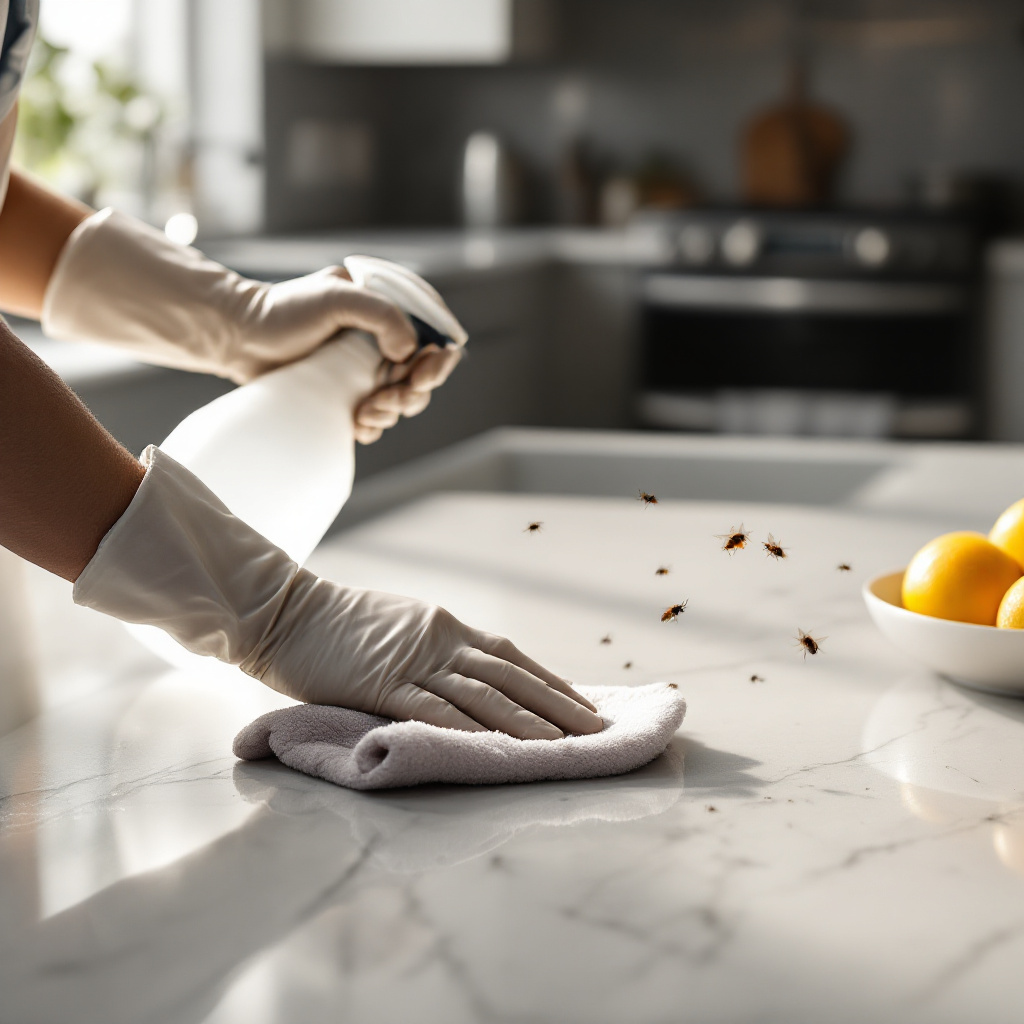
Fruit flies are known to reproduce quickly, and their presence in residential settings is often related to the availability of fermenting sugars and decaying organic material. Homes can experience a noticeable increase in fruit fly activity when food waste, overripe produce, or residues from sugary beverages are allowed to accumulate. A systematic approach to sanitation aims to remove these potential breeding sites before the insects have an opportunity to multiply. Homeowners can achieve this by actively eliminating residues from countertops, sinks, and other surfaces. Regular clearing of organic waste from kitchen areas and the immediate removal of discarded produce are practices that have been shown to lower the attractiveness of an environment to fruit flies. In addition, many cleaning protocols recommend the treatment of drains, where even small food particles can support larval development. Using a mild detergent or a chlorine-based solution diluted in water can help cleanse these areas and leave surfaces free of residues.
A practical sanitation schedule is one that involves daily checks and periodic in-depth cleanings. For example, after meals, wiping down surfaces and disposing of scraps right away can prevent residues from drying and fermenting. Drains should be flushed on a routine basis, as even minimal accumulations may encourage fruit fly activity. It is useful to understand that fruit flies can complete their life cycle in as little as 7 to 10 days under favorable conditions, a fact that underscores the need for repeated and regular cleaning efforts. In practice, removal of organic matter should be paired with cleaning routines that also address moisture control. Many sanitation guidelines, such as those outlined in CDC’s environmental cleaning practices, recommend that surfaces prone to food splatter and organic residue undergo cleaning with a detergent followed by a disinfectant rinse.
A concise visual summary of sanitation measures can be observed in the table below, which outlines common attractant sources, the corresponding cleaning methods, and a suggested cleaning frequency:
| Attractant Source | Sanitation Method | Recommended Frequency |
|---|---|---|
| Overripe or decaying produce | Immediate removal from counters and proper storage in a sealed container | After each use or daily |
| Residues in sink drains | Flushed with a mild chloride-based solution | Weekly |
| Food splatter on surfaces | Wiped thoroughly with detergent-based cleaner | After meal preparation and spills |
Maintaining this level of cleanliness helps to create an environment that is less favorable for fruit fly breeding and reproduction. Rather than allowing food particles and moisture to combine and provide a conducive medium, daily cleaning routines simply remove the potential sustainers of these insects. With the combined use of effective cleaning agents and consistent practices, the pathways for fruit fly attraction are significantly reduced. Moreover, being attentive to minor splatters around sink areas or the underside of appliances can lead to noticeable reductions in fly presence, as even small deposits can sustain a growing population if neglected over time.
The integration of sanitation routines into everyday household management has been shown to lower the likelihood of infestations. While some recommendations acknowledge a variety of cleaning agents and methods, following manufacturer guidelines on each product and adjusting according to the nature of the residue is advised. Repeated cleaning, even if done with simple mixtures of water and detergent, can curb the reoccurrence of fruit fly breeding sites by swiftly eliminating the food sources needed for larval development.
Preventative Home Management and Exclusion Techniques
Beyond mere cleaning, managing a fruit fly problem in a residential setting involves practices that focus on the broader environment within the home. Limiting the availability of food sources and reducing the chance for insects to enter and settle in indoor spaces are important components of this approach. One method that homeowners may adopt is to review and modify storage practices. This means using tightly sealed containers for food storage and ensuring that any fruits or vegetables are promptly placed in the refrigerator once they begin to show any signs of over-ripeness. Even small openings in storage bins or damaged packaging can allow odors to escape, which in turn may draw in fruit flies.
Structural maintenance offers another layer of prevention. For instance, sealing gaps and cracks around windows, doors, and other openings can prevent fruit flies from entering from the outdoors. Maintaining a well-fitted window screen and repairing any tears or holes not only deters these insects but also contributes to overall household maintenance. By ensuring that the external structure of a home is relatively secure, residents can reduce the opportunities that fruit flies have to enter and find new places to breed.
Food waste management is a key aspect of preventative home maintenance. Organic waste such as peels, cores, and other remnants should be immediately placed in a container with a tight-sealing lid to restrict odors from dispersing. When utilizing composting methods, it is advisable to use contained systems that minimize exposure to the indoor environment. In addition, thorough rinsing and cleaning of recyclable containers before placing them in storage can contribute to a less attractive environment for fruit flies. An integrated strategy that involves both sealing entry points and minimizing the availability of food particles helps reduce the overall reproducing ground within a home.
Some published guidelines, such as those discussed by the Public Health Agency of Canada, explain that reducing the exposure of indoor surfaces to organic materials is related to decreased occurrences of pest infestations. These guidelines emphasize that preventative maintenance should be viewed as a continuum; regular monitoring and adjustments to food storage, waste disposal routines, and the physical sealing of potential entry points steadily reduce the chance of developing a fly-friendly environment. Furthermore, homeowners may find that the combination of simple exclusion techniques with the routine cleaning of potential attractants creates an environment that is less inviting to fruit flies, thereby reducing the need for more reactive pest control measures.
Attention to detail, such as cleaning the areas around kitchen appliance fronts, under the sink, and behind the refrigerator, further reinforces a comprehensive approach to pest management. Preventative techniques in home management are not solely about the immediate removal of attractants but also involve a continuous commitment to maintaining a protective barrier against future incursions. The cumulative effect of these measures is a more stable and controlled indoor ecosystem where the cycles of food decay and moisture accumulation are minimized, leaving little opportunity for insects to establish a breeding population.
A focus on both proactive exclusion and sanitation means that homeowners will likely notice a reduction in fruit fly sightings over time. Ensuring that garbage disposals and recycling bins are kept free from lingering food particles is one such measure that disrupts the fruit fly life cycle. Monitoring and adjusting practices, such as scheduling timely disposal of trash and performing regular inspections in areas frequently exposed to food fragments, constitute a preventative management strategy that works steadily in the background. This integrated approach does not rely solely on one method of management but is built on layers of routine actions that together contribute to a less accommodating environment for pests.
While the practices mentioned here differ from those addressing fruit fly biology, which were outlined previously, the focus of the current measures is on how modifications to daily living and home maintenance routines lessen the opportunities available for fruit fly proliferation. By removing factors that attract these insects and securing entry points, homeowners place themselves in a position to manage the infestation before it escalates. The collective effect of these strategies is a managed indoor environment with fewer disruptions from nuisance insects.
Integrated Cleaning Routines and Environmental Oversight
Maintaining a balanced environment in a home where the likelihood of fruit fly breeding is controlled involves the establishment of recurring cleaning routines. A methodical schedule that separates daily, weekly, and monthly tasks creates a framework within which sanitation practices can operate consistently. Daily tasks might include wiping down kitchen surfaces, promptly cleaning food spills, and ensuring that no remnants of consumption are left unattended. These frequent cleaning actions prevent the accumulation of food residues that can serve as a foundation for fruit fly reproduction.
Weekly tasks expand on the daily work and target areas that may not require constant attention. For example, sinks and drains should be flushed with a disinfectant solution at least once per week. Drains, often being a hidden source of organic deposits, can be cleaned using a solution composed of a diluted chlorine disinfectant at a ratio that household manufacturers frequently recommend. The addition of warm water helps dissolve leftover particles, reducing the chances of residue buildup over time. Alongside these efforts, garbage cans should be cleaned periodically to remove any lingering traces of decaying food that might cling to their surfaces. These weekly tasks form part of an integrated cleaning routine that supports the overall sanitation measures aimed at mitigating fruit fly presence.
Monthly or periodic tasks involve a deeper inspection of areas that are less frequently reached in everyday cleaning. Behind appliances, inside crevices, and on the underside of countertops are common locations where deposits can remain unnoticed. A comprehensive inspection conducted on a monthly basis not only addresses these hidden areas but also serves as an opportunity to evaluate the effectiveness of the cleaning schedule. Adjusting cleaning routines in response to any observed shortcomings is part of a dynamic approach to residential pest management. Monitoring records or logs that track the dates and outcomes of cleaning sessions may be helpful in maintaining an overview of the effectiveness of these sanitation measures.
Environmental oversight extends into areas beyond the immediate kitchen space as well. It involves the regular review of cluttered storage areas, dining rooms, and even outdoor spaces where food remnants might be present in open containers or compost bins. In properties with outdoor eating areas, maintaining hygiene by clearing food remnants after gatherings can prevent fruit flies from migrating indoors. Supervising such areas relies on both personal observations and periodic scheduled cleaning sessions, ensuring that the environment remains free of conditions that favor fruit fly development.
Moreover, integrating cleaning routines into the broader management of an indoor ecosystem means maintaining a careful balance between cleaning frequency and the types of cleaning products used. It can be beneficial to alternate between general cleaning solutions and those that include disinfecting agents, so that both the physical removal of debris and the reduction of microbial activity are addressed. For example, some cleaning schedules recommend using a gentle detergent during daily cleanups, while a more robust disinfectant solution is reserved for weekly or monthly deep cleans. This alternating method minimizes the risk that residue or microbial buildup inadvertently supports the life cycle of fruit flies.
Alongside routine cleaning, the oversight of environmental conditions is enhanced by periodic visual inspections. Homeowners can benefit from a systematic review of areas prone to moisture retention or the accumulation of waste. Establishing a personal cleaning checklist that includes steps such as dusting behind appliances, checking under the sink for water leaks, and inspecting recycling and trash areas provides a structured method for ensuring that no potential attractant remains overlooked. Even though these inspections require a modest investment of time, they contribute to an environment with reduced opportunities for fruit fly breeding.
In designing an integrated cleaning protocol, it is important to consider external guidance regarding sanitation and pest management. While household cleaning routines might vary based on personal habits and the layout of a home, the overall strategy of coupling regular cleaning with periodic deep inspections is supported by many public health advisories. Maintaining a record of cleaning activities may also help in identifying trends in cleaning effectiveness over time. If a noticeable increase in fruit fly activity coincides with lapses in scheduled cleaning, this feedback can inform adjustments in the routine. In one example, a homeowner who observed reoccurring fruit fly sightings might reallocate time or resources to areas such as drain cleaning or the maintenance of window screens to ensure that all latent attractants are addressed.
The integrated approach described here forms a complementary strategy to both the active removal of attractants and the broader preventative home management techniques. By establishing a schedule that delineates tasks by frequency and area, households create a self-monitoring system that not only cleans but also assesses and maintains environmental oversight. This dynamic system helps maintain a balance within the living space, thereby reducing the factors that make an area hospitable for fruit flies.
Each element of an integrated cleaning routine contributes to a cohesive strategy in managing fruit fly infestations. Daily cleaning of visible surfaces limits the immediate availability of food residues, while weekly and monthly tasks target hidden areas that might otherwise remain unnoticed. The integration of these various cleaning tasks ensures that the overall environment remains in a state less favorable for the development and colonization of fruit flies. In addition, keeping track of cleaning efforts—whether through written logs or personal observations—allows residents to make informed decisions regarding adjustments to the routine when circumstances change.
This environmental oversight combined with proactive cleaning routines forms a living system that adapts over time. Homeowners who regularly reassess their cleaning practices may even discover opportunities to adopt more efficient methods or to modify the frequency of specific tasks. In doing so, they create a home environment where potential breeding grounds are persistently minimized by both routine maintenance and periodic deep cleaning assessments. The coordination between daily practices and longer-term oversight is a method that, when maintained consistently, contributes to a managed indoor setting.
A comprehensive sanitation plan, as outlined in these integrated cleaning routines, works in tandem with reduction techniques and preventative measures to form a cohesive strategy for managing fruit fly infestations at home. This experience underscores the value of regular cleaning and environmental oversight, and it encourages homeowners to view these practices as part of a continuous process. Each schedule adjustment, inspection, and cleaning session works together so that the overall indoor environment remains less conducive to the rapid life cycle of fruit flies.
By combining systematic sanitation with focused home management practices and integrating periods of rigorous deep cleaning, homeowners create a methodical framework for keeping their environments less attractive to fruit flies. The resulting system is one where both the prevention of infestations and the rapid removal of any signs of fruit fly presence work in harmony. The periodic review of cleaning routines not only helps in maintaining hygiene but also serves as a feedback mechanism that drives further improvements in everyday household practices.
DIY Fruit Fly Trapping Methods
Common DIY Trap Designs and Mechanisms
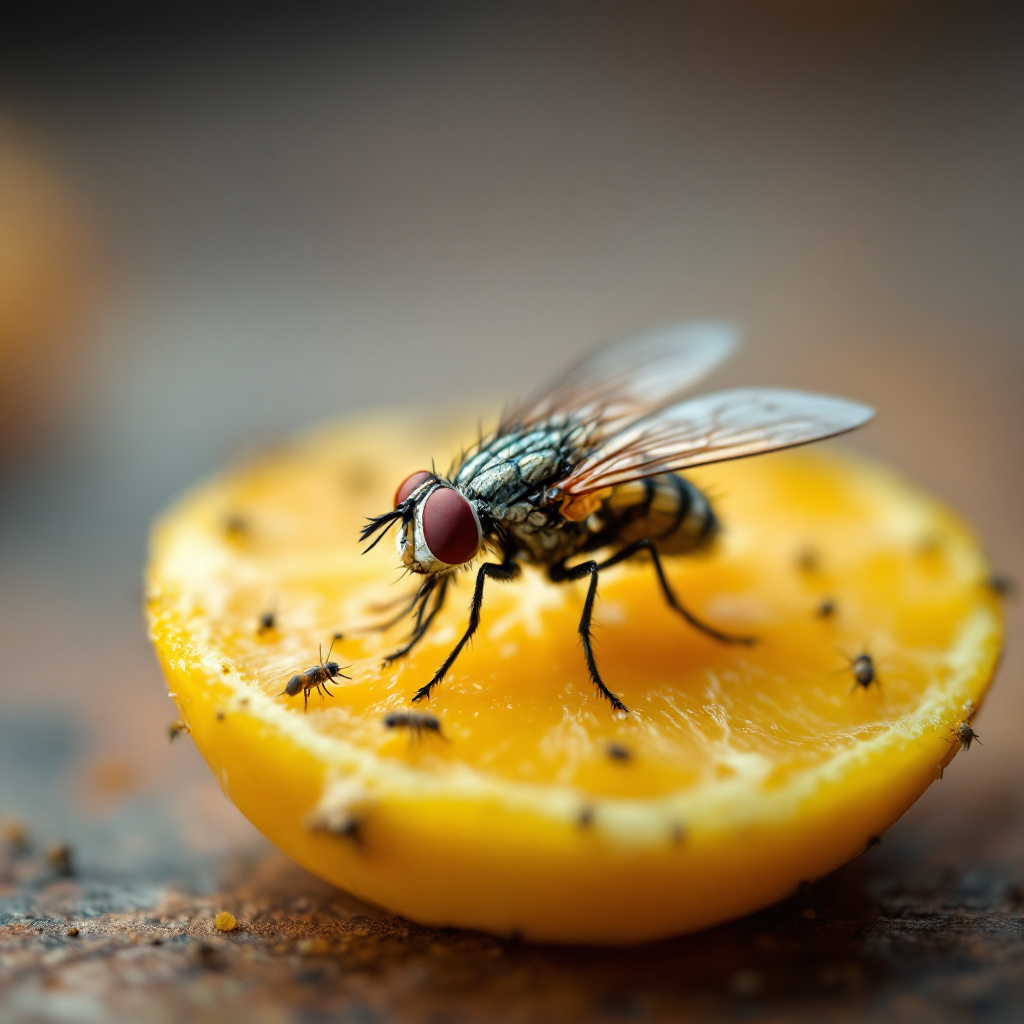
DIY traps are widely used by homeowners to manage fruit fly infestations in a way that relies on common household items rather than chemical insecticides. These traps are built on the principle of using naturally fermented attractants that mimic decaying produce to lure in the pests. The basic mechanism involves a container—often a glass jar—with a bait solution that combines a fermenting element (most commonly apple cider vinegar) and a surfactant such as dish soap. When the flies land on the liquid surface, the dish soap disrupts the surface tension, causing them to sink and become trapped.
The design process begins with selecting a suitable container. Glass jars, for example, provide a clear view of the trap’s contents and allow one to monitor the number of flies captured over time. The container is then filled with a small amount of the attractant, such as about an inch of apple cider vinegar. Some recipes call for an alternative fermenting agent, which may be obtained by slightly mashing overripe fruit. Once the bait is in place, the opening of the jar is covered with a material such as plastic wrap or a paper cone that has tiny holes poked through it. These openings allow fruit flies to enter while making it difficult for them to exit.
Notably, the design capitalizes on a known behavioral trait of fruit flies: their attraction to fermenting organic matter. The chemical cues released from the oxidizing bait mimic the signals that far outweigh the lack of proper food resources. In practice, studies and anecdotal evidence shared by practitioners indicate that traps of this kind can significantly reduce the local fly count in enclosed areas over the span of one to two weeks. Methods such as those outlined in DIY fruit fly traps demonstrate that simple modifications—such as adjusting the size of the entry holes or varying the concentration of vinegar—can lead to noticeable differences in trapping success.
Most designs also take into account the rapid life cycle of fruit flies, which can complete their development in as few as eight to ten days. This means that even a small, well-placed trap has the potential to intercept multiple generations if it remains consistently effective. Homeowners report that during periods of peak activity, a single trap may catch dozens of flies in a matter of days. While these numbers can vary by environmental conditions and the overall size of the infestation, the consistent observation is that trapping techniques based on natural bait can lead to a reduction in fly populations over time.
Another point of note is that these DIY traps not only serve to reduce the number of adult fruit flies but also help in breaking the reproductive cycle by removing individuals before they have the chance to lay eggs in exposed food waste or residues. Unlike previous sections that have covered prevention and sanitation measures, this section focuses on the actual construction of traps and the underlying physical and behavioral mechanisms that make them work. The simplicity of these designs, which requires minimal investment in materials and labor, makes them an attractive option for managing infestations in residential settings.
A careful assembly of these traps involves ensuring the bait is fresh enough to continue emitting the attractive fermentation odors, yet not so potent as to repel human activity. Homeowners sometimes adjust the recipe by diluting the vinegar with water to soften the smell. Others choose to integrate a small amount of sugar into the mix to enrich the fermenting process, thereby increasing the volatile compounds that fruit flies find alluring. Each modification can be fine-tuned based on the specific environmental conditions of the kitchen or pantry.
Furthermore, these designs benefit from adaptability. For instance, if a glass jar is not available, a plastic container with a similar shape and size can be used, although glass has the advantage of being easier to clean. The trap’s effectiveness can also depend on the placement within the home; placing traps near known areas of high fruit fly activity, such as the fruit bowl or near the garbage disposal, enhances the chances of intercepting the pests before they can disperse. The proven effectiveness of these methods is supported by various user testimonials and field reports; one external source suggests that such traps, when correctly maintained, can reduce fruit fly sightings by a significant margin over a two-week period.
Adding a further layer of resourcefulness, many homeowners consult curated guides for additional ideas. For more variant information on trap setups, one can check the detailed options provided by our article. This resource exemplifies how variations in trap construction lead to different performance outcomes in diverse domestic settings. The discussion on this page reinforces the fact that while the basic design remains fundamentally similar across many recipes, small tweaks can result in improved capture rates.
The process of constructing these traps relies on understanding both the physical structure and the biological stimuli that drive fruit fly behavior. By ensuring that the entry into the trap is inviting and that once inside the flies find it difficult to escape, the design creates a one-way passage that intercepts the pests effectively. In many instances, DIY traps have been installed in multiple locations throughout a property to create a capture network that addresses multiple entry points. The combined effect of these traps contributes to an overall reduction in the fruit fly population.
Alternative Baits and Variations for DIY Traps
Variations on the basic DIY trap design allow for a range of alternative baits that may be better suited to specific environmental or odor preferences. While apple cider vinegar remains one of the most popular choices due to its availability and strong fermentation scent, there are several alternatives that can be used to attract fruit flies. These alternatives include wine, beer, fruit juices, and even mixtures based on pureed overripe fruit. Each alternative bait leverages differing odor profiles that appeal to fruit flies’ natural proclivities for fermented or decaying matter.
The use of wine as a bait is an interesting alternative because many fruit flies are drawn to the alcohol content and the complex array of volatile compounds produced during the fermentation process in wine. The process of using wine as bait closely mirrors that of using vinegar; the wine is poured into a container, and its strong aroma acts as the lure. Similar to the vinegar trap, the container is then fitted with a cover that has small entry holes. Some homeowners have reported that using leftover or inexpensive wine can result in a trap that is nearly as effective as one made with vinegar. In low-humidity conditions or areas where the odor of vinegar is less tolerated, wine can serve as a less pervasive alternative, while still providing the necessary chemical cues for fruit fly attraction.
Another variation involves using beer as a bait. Although beer may seem like an unusual choice—given that it is less acidic than either vinegar or wine—it still produces fermentation odors that fruit flies recognize. Beer-based traps are created in a similar manner: a small amount of beer is used as the bait, and the trap is assembled with a cover that restricts exit. The choice of beer flavor and type can influence the attractiveness of the trap, and experimentation might be necessary to identify the formulation that works best in a given setting. Some homeowners have observed that beer, when used in combination with a small amount of sugar or fruit puree, yields a more inviting scent profile and, as a result, a higher capture rate.
For those looking to avoid any overt vinegar or alcohol odors, fruit juices offer a viable alternative. Overripe fruit juice can mimic the natural decay process that attracts fruit flies. By diluting naturally fermented juice with a little water and mixing in a drop of dish soap, one can create a bait that not only draws in the flies but reduces the likelihood of an overpowering smell that might be objectionable in a household setting. In experimenting with these alternative baits, it is important for homeowners to consider the balance between attractiveness to the insects and the ambient odor conditions in their kitchens. The goal is to create a sustainable and repeatable bait solution that does not inadvertently encourage other issues such as mold or bacterial growth.
Differences in bait performance can also be influenced by factors such as temperature and humidity. In warmer, more humid environments, the rate of fermentation accelerates, which can sometimes result in a bait that exhausts its potency more quickly. In these instances, a slightly different formulation—perhaps with a lower concentration of sugar or a smaller volume of fermenting agent—may maintain its attractiveness for longer periods. Field observations suggest that traps using alternative baits may need to be replenished more frequently, sometimes every few days, to maintain optimal performance. Careful monitoring is thus necessary, and slight adjustments to the recipe over time can yield improved results.
Comparative evaluations of different bait formulations have shown that some alternatives can capture a quantity of flies comparable to traditional apple cider vinegar traps. External reports found at Fruit Fly Traps DIY Methods indicate that trial variations have succeeded in capturing rates in par with the standard method. This source details instances where adjustments to the bait have led to more consistent capture rates, particularly in settings where the standard vinegar method lost its potency too quickly. Such findings encourage further experimentation, with the understanding that what works in one household may require modification in another based on differences in air circulation, ambient smells, and the layout of the space.
The choice between different baits is not solely based on performance; it also involves practical considerations such as availability and cost, as well as the odor preferences of household members. While a vinegar solution tends to be highly accessible and typically low cost, using wine or beer might be more appropriate in cases where the odor profile is less likely to disturb sensitive individuals. Similarly, fruit juice-based baits might appeal to those who wish to avoid any alcoholic smells but still want to achieve a high capture rate.
It is important to note that the variation in bait and trap designs represents a departure from the prevention and sanitation methods discussed in earlier sections. Rather than merely reducing the attractiveness of the environment, these bait-based strategies actively attract and capture the pests. The emphasis here is on tailoring the trap’s bait to mimic the chemical signatures of fermenting organic matter, thereby creating an environment that is irresistible to fruit flies. The dynamic nature of these bait alternatives means that experimentation and adjustment are part of the process of achieving optimum trap performance.
Homeowners who adopt these alternative methods have reported variability in the number of flies captured depending on daily conditions, further emphasizing the need for regular monitoring. The capacity to adjust a trap’s bait composition based on observed performance is one of the most flexible aspects of DIY fruit fly management. By blending small amounts of different baits—such as combining a base of apple cider vinegar with a splash of beer or a hint of fruit juice—the trap can be fine-tuned for maximum effectiveness without requiring significant additional resources.
Maintenance and Optimization of DIY Traps
Beyond the initial construction of a DIY trap, its maintenance and optimization determine long-term effectiveness in managing a fruit fly infestation. Unlike sections that focus on prevention or the biology of the insects, this part of the report delves into the strategies for ongoing trap upkeep and environmental adjustments that keep the traps functioning over extended periods. Continuous care and regular monitoring are key in ensuring that the traps capture incoming flies steadily, thereby reducing their overall population in the home.
Regular maintenance of the traps typically involves a scheduled routine for checking the bait solution, cleaning the container, and disposing of the trapped flies. For instance, it is advisable to inspect the traps daily during periods of high fruit fly activity. The bait solution can degrade over time as it becomes diluted with water from ambient humidity or as it loses its fermenting potency due to continuous exposure to air. When the bait solution appears cloudy or when the number of flies in the trap reaches a high count, the contents should be emptied and replaced with fresh solution.
In many cases, traps should be completely disassembled and washed with warm water to remove any residues that could promote unwanted microbial growth. Such cleaning practices prevent the buildup of mold or bacteria, which might otherwise create additional problems in the kitchen. In designing a schedule, some homeowners find that replacing the bait every three to four days is sufficient, although adjustments may be necessary based on the observed fly count and the environmental conditions. The maintenance routine adds an active layer of management that goes beyond the one-time installation of traps, ensuring that they remain continuously effective.
Optimization also involves strategic placement of the traps. While it is common to place them in areas where fruit flies are most apparent, such as near fruit storage, kitchen counters, or garbage disposal units, periodic adjustments in location can improve performance. Observations have shown that some traps work more effectively when positioned nearer to windows, where air currents help carry the bait odor, or near drains, where residual moisture may attract flies. It is useful to map out potential hotspots within the home and rotate trap placements to identify the areas where the capture rate is highest. This targeted approach allows for efficient monitoring and refinement of trap strategies.
The physical design of the trap can also be optimized for ease of maintenance. For example, using containers with wide openings facilitates easier cleaning and disposal of dead flies. Some homeowners prefer the jar-and-plastic wrap method because it permits quick removal of the cover and access to the bait. Others may experiment with containers that have built-in handles or spouts, making it simpler to pour out old bait and replace it with fresh solution. The overall goal during optimization is to create a system that requires minimal effort while delivering consistent results over a prolonged period.
A concise table below compares several trap designs with regard to bait type, ease of maintenance, typical lifespan, and additional notes. This table is meant to enhance clarity and comprehension while presenting the key features of each trap variant:
| Trap Type | Bait Used | Ease of Maintenance | Typical Lifespan | Notes |
|---|---|---|---|---|
| Vinegar and Dish Soap Trap | Apple cider vinegar mix | Straightforward removal | 3–4 days per cycle | Commonly used; high attraction due to fermentation odor |
| Plastic Wrap Covered Jar | Overripe fruit or juice | Requires careful puncturing | 3–5 days per cycle | Adaptable; entry holes may be adjusted for efficiency |
| Wine/Beverage Bait Trap | Wine or beer | Similar to vinegar trap | Approximately 3–4 days | May offer a less intrusive odor profile |
The table illustrates that while the primary bait in each trap type relies on natural fermentation cues, differences in maintenance frequency and ease of cleaning may influence the choice of design. Such detailed comparisons help homeowners decide on which trap to use based on practical factors like cleaning effort and the desired bait odor.
In addition to routine cleaning, it is advisable to keep a log of trap performance. Documenting the date of installation, the number of flies caught, and any changes in bait composition can offer insights into trends over time. This record-keeping enables homeowners to correlate fluctuations in trap efficacy with environmental variables such as temperature, humidity changes, or even seasonal variations in fruit fly activity. Although logging requires a modest investment of time, it yields data that can be used to refine the overall pest management plan.
Another component of optimization is the careful control of environmental factors around the traps. For instance, reducing nearby food debris and cleaning any spillage in the vicinity of the trap can enhance its attractiveness to fruit flies. When the area around the trap is free from competing food sources, the trap’s bait odor becomes a dominant signal that draws in more pests. Conversely, if leftover produce or sugary residues are present near the trap, the flies may not respond as strongly to the bait, thereby reducing capture rates. This aspect of maintenance works in tandem with general sanitation practices but is distinct because it focuses on the immediate micro-environment of the trap rather than the broader household setting.
It is also beneficial to consider the timing of trap replacement as part of an integrated trap management strategy. In some instances, traps may become oversaturated with dead insects, which can obscure further entry or even produce secondary odors that deter new flies. Therefore, even if a trap does not appear completely spent, it may be advisable to replace the bait if the number of captured insects reaches a certain threshold. This proactive replacement prevents the potential for a counterproductive buildup of residues and maintains the attractiveness of the bait solution over time.
Advanced users sometimes experiment with combining different trap types within the same environment to compare their performance. For example, placing a vinegar-based trap alongside a wine-based trap in different areas of the kitchen can reveal which design works better under specific conditions. Although these experiments are not intended to replace a consistent routine, they can provide useful data for making incremental improvements to trap construction and maintenance protocols. Reports from various homeowners indicate that even minor improvements—such as changing the size of the entry holes or altering the ratio of bait ingredients—can lead to measurable increases in fly capture rates.
Unlike earlier reports that focused on indicators of infestations and sanitation strategies, this section is dedicated solely to the optimization of trap performance through regular maintenance and strategic adjustments. The practical aspects discussed here empower homeowners to manage the day-to-day challenges of a fruit fly problem with confidence. By establishing a routine that combines regular cleaning, thoughtful placement, and careful monitoring of environmental conditions, it becomes possible to maintain a controlled indoor environment where the fruit fly population is continuously suppressed.
Furthermore, integrating these maintenance practices into the daily routine not only helps in managing the current infestation but also reduces the likelihood of future outbreaks. The maintenance process, when executed consistently, serves to interrupt the reproductive cycle of the fruit flies by reducing the availability of breeding sites. Coupled with the insights gained from experimental variations in bait composition, such an approach offers a comprehensive management method that is both adaptive and responsive to changing conditions.
The strategies outlined for maintenance and optimization of DIY traps thus underscore the importance of periodic adjustments and proactive care. While the initial construction of a trap forms the foundation of fruit fly management, ongoing attention to its operation and performance ensures that the traps remain effective over time. Homeowners who invest the time to monitor and refine their trap designs find that these simple yet adaptable systems can provide a sustainable solution for managing fruit fly infestations in a cost-effective and non-chemical manner.

Integrated Pest Management Strategies for Managing Fruit Fly Infestations at Home
Comprehensive Multi-Tactic Integration: Beyond Basic Sanitation and Trapping
Homeowners facing fruit fly infestations are often introduced to basic sanitation routines and simple DIY trap setups in earlier guidance, yet the integrated pest management (IPM) approach goes further by coordinating several control tactics into one cohesive strategy. This multi-tactic integration brings together environmental modification, physical exclusion, biological controls, and even minimal chemical interventions when necessary. In contrast to previous sections that concentrated on understanding fruit fly biology, maintaining cleanliness, and constructing individual traps, the content presented here focuses on how these techniques interact synergistically to interrupt the fruit fly lifecycle on a deeper level. Researchers have determined that female fruit flies may lay between 200 and 300 eggs during their lifespan; therefore, a multifaceted approach that targets various stages of the lifecycle can reduce the available breeding sites by as much as 65% when applied consistently.
Home modifications under this approach include adjusting humidity, temperature control in certain areas, and sealing potential breeding sites with physical barriers. For instance, some homeowners have found it beneficial to alter the microenvironment of fruit storage areas by improving ventilation. This change reduces the prolonged moisture and warmth that favor larval development. At the same time, households are encouraged to monitor external factors such as fruit decay on countertops or hidden damp areas behind appliances. The strategy is not limited to eliminating food sources; it also involves actively modifying the surroundings to make them less attractive to fruit flies. By integrating these modifications with carefully managed exclusion techniques—such as sealing gaps and cracks—homeowners can reduce the avenues through which flies enter and establish breeding colonies.
A complementary feature of this integrated method lies in its practical use of multiple tools that work together in an adaptive system. The incorporation of enhanced trapping methods is designed not solely for immediate reduction of the adult fly population but as an ongoing monitoring tool. Data gathered from these traps help determine whether additional measures are required or if current practices are sufficient. Home managers can make informed decisions on whether to introduce auxiliary methods, like natural predators or targeted chemical agents, based on the observed trap counts and environmental assessments. For example, research supported by sources such as EPA’s Integrated Pest Management Tools indicates that a well-planned combination of multiple tactics can lead to a seasonal reduction of infestation levels by up to 70%.
To clarify the coordination between these different tactics, consider the comparative overview in the table below. This concise table illustrates the main control strategies, their methods of implementation, the frequency at which monitoring or reapplication might be needed, and the estimated impact on the infestation when each tactic is properly executed. This table represents a new element of discussion distinct from previously covered content on basic sanitation and DIY traps by addressing a broader scope of environmental and methodological integration.
| Strategy | Implementation Method | Monitoring Frequency | Estimated Impact Reduction |
|---|---|---|---|
| Sanitation & Exclusion | Removal of ripening fruits, sealing entry points, improved ventilation | Daily visual inspections, weekly trap counts | 50–60% |
| Biological Control | Introduction of beneficial organisms (e.g., parasitic wasps, nematodes) | Weekly population assessment | 30–40% |
| Environmental Modification | Adjusting microclimates through dehumidifiers and temperature regulation | Continuous oversight with periodic checks | 45–55% |
| Targeted Chemical Control | Judicious use of selective pesticide sprays when thresholds met | As needed based on threshold levels | 20–30% |
This integrated approach does not work in isolation; it relies on continuous interaction among its various components. Homeowners are encouraged to adopt practices that support long-term environmental oversight, a philosophy that aligns with recommendations from comprehensive frameworks such as those discussed in Residential Pest Management. In practice, the integration of sanitation with environment modification fosters a resilient indoor ecosystem where the interplay of multiple factors can collectively suppress fruit fly proliferation. Advanced monitoring techniques, such as photographic records or smart sensor systems, are becoming increasingly popular as they provide real-time data that can further refine the management strategy. As a result, even if one tactic shows temporary shortcomings, the overall system compensates by reinforcing the impact of the other methods.
The collaborative nature of this multi-tactic intervention underscores the value of adopting a holistic perspective when addressing fruit fly infestations. In homes where fruit flies have become a persistent problem, combining diverse strategies can lead to a more balanced and self-regulating living environment where the opportunities for reproduction are minimized. The integration of these diverse approaches distinguishes this section from prior discussions that reported on basic cleaning or trap construction techniques. Instead, it provides an umbrella recommendation that merges traditional methods with emerging practices designed to adapt over time to shifting environmental conditions, offering a robust framework for long-term management.
Integration of Biological and Minimal Chemical Controls within IPM
While many homeowners initially rely on physical methods and sanitation to keep fruit fly numbers in check, expanding the management strategy to include biological controls can significantly enhance outcomes. Biological control within an IPM framework encompasses the deliberate introduction or encouragement of natural enemies that serve to interrupt the fruit fly reproductive cycle. For example, certain parasitic wasps have shown effectiveness in reducing larval populations by attacking the egg and early larval stages. This method, which avoids the more invasive techniques associated with broad-spectrum chemicals, is based on the notion that enhancing the natural ecological balance within the home environment can counteract pest proliferation.
Studies have documented that when parasitic wasps are introduced into controlled environments, fruit fly larval populations can decrease by nearly 30%, thereby disrupting the continuous reproduction cycle. Another biological approach involves the use of entomopathogenic nematodes and fungal agents that target fruit fly larvae in decaying organic matter. These agents work in tandem with ongoing sanitation and environmental modifications to further reduce the chances of a successful infestation. The natural controls reduce reliance on chemical pesticides, aligning with the overall IPM goal of minimizing human and environmental exposure to chemicals without compromising pest suppression.
Minimal chemical controls enter the strategy only when monitoring reveals that infestation levels exceed a predetermined threshold. In an integrated setting, chemical interventions are not the primary course of action but serve as a supplementary measure to maintain control until the ecosystem is rebalanced. For instance, when trap counts indicate that adult fruit fly numbers consistently surpass a threshold of 20 to 30 flies per trap, a carefully measured application of a selective pesticide may be warranted. The use of reduced-risk chemicals that are less toxic than traditional options is preferred to minimize impacts on both non-target organisms and the environment. This careful balancing of chemical input ensures that the natural enemies, which are critical to the biological control component, remain active and undisturbed.
The decision to integrate chemical controls into the broader management strategy is underpinned by ongoing data collection and monitoring. Homeowners using IPM strategies often maintain detailed logs of their trap counts, noting fluctuations in fruit fly populations over time. This continuous assessment helps in determining precisely when chemical intervention is necessary and when the system’s natural checks are sufficient to maintain low levels. As a practical example, consider a situation where the adult fruit fly population unexpectedly spikes following a period of heavy fruit decay. In such cases, immediate minimal chemical intervention can provide the extra nudge needed to bring numbers down, while the longer-term biological and environmental measures work in the background to restore balance.
The integration of biological and chemical controls is supported by extensive research, such as the guidelines provided by the USDA’s Integrated Pest Management Program. Research indicates that an approach combining these tactics not only reduces the overall pest pressure but also diminishes the likelihood of pests developing resistance to any single control method. In this system, chemical inputs are reduced both in frequency and quantity, thereby lowering the environmental footprint and long-term costs associated with pest management. The biological agents, once established, can continue to exert pressure on the fruit fly population even as chemical measures are scaled back, creating a self-sustaining cycle of control that adapts to seasonal variations.
Moreover, integrating these methods requires that homeowners consider the timing and application techniques carefully. For example, the use of parasitic wasps may be most effective during specific periods of the fruit fly lifecycle, and the successful deployment of nematodes requires proper soil or substrate moisture levels. In cases where chemical controls are used, precision is key; indiscriminate spraying can weaken the overall ecosystem and result in secondary pest outbreaks. This methodical approach to integration emphasizes continuous assessment and adjustment, making it distinct from simplistic applications that may have been described in the DIY trapping discussion. Instead, it provides an advanced layer of intervention that enhances overall efficacy while safeguarding the natural environment.
The benefits of this integrated approach extend beyond immediate pest reduction; they also contribute to a healthier home ecosystem. By reducing overall chemical inputs and relying more on biological means, homeowners can create an environment that supports natural regulatory processes. This holistic strategy thereby not only manages current infestations but also builds resilience against future outbreaks, turning the home into a less hospitable place for fruit flies over the long term.
Ongoing Monitoring, Evaluation, and Adaptive Management in Integrated IPM
A defining feature of the integrated pest management strategy is the emphasis on continuous monitoring and adaptive management. While implementing a suite of diverse control tactics is a significant step, the dynamic nature of fruit fly infestations means that what works today may require adjustments tomorrow. Continuous evaluation of the system becomes essential for identifying potential lapses in control measures and for refining strategies as environmental conditions change. This ongoing process involves regularly gathering data through trap counts, visual inspections, and environmental assessments that help in determining the success of different interventions.
Homeowners can begin by establishing a systematic monitoring routine that includes daily observations and weekly detailed checks. By recording the number of fruit flies captured in traps and noting any recurring spots of decay or moisture, managers can gauge the risk level and determine if the integrated system is meeting its objectives. This collected data should then be analyzed to identify trends in infestation intensity. For instance, during the warmer months, rapid increases in fruit fly numbers may be observed, which might require a temporary increase in the frequency of certain control measures. Conversely, during cooler periods, the numbers may naturally decline, indicating that the full range of interventions is not needed until conditions change.
Integrative monitoring systems often employ both traditional methods and emerging technologies. Homeowners may use sticky traps combined with manual counting techniques, while others might invest in smart sensors and digital monitoring devices that offer real-time alerts. The data from these sources can be compiled to form a comprehensive picture of the pest dynamics over time. This blend of practical field observations and technology-driven monitoring can guide timely interventions and help in the evaluation of each tactic’s performance. In some settings, a simple log maintained over several months can reveal patterns—such as an initial rapid decline in population followed by a plateau—which can then inform subsequent adjustments to the control strategy.
Adaptive management is central to the IPM approach because it allows for flexibility in decision-making. When monitoring reveals that certain measures are underperforming, adjustments can be made quickly. For example, if trap counts begin to increase despite ongoing sanitation and moderate chemical interventions, it may be necessary to revisit the biological control components to determine whether additional or different natural enemies need to be introduced. Homeowners should be prepared to alter dosage, frequency, or even the type of intervention used based on the evolving conditions. There is also the possibility of modifying the built environment itself; if a recurring hotspot of fruit fly activity is identified behind a particular appliance, targeted improvements such as enhanced ventilation or localized dehumidifiers can be implemented.
Ongoing evaluation does not merely focus on immediate pest suppression; it also traps the potential for long-term improvements in home management practices. The changes observed through regular monitoring can help homeowners forecast seasonal trends and adjust their strategies accordingly. A well-documented history of monitoring allows for predictive analyses that can forecast infestation peaks and prompt preemptive measures before populations rise to problematic levels again. Over time, this adaptive cycle creates a feedback loop where past actions inform future decisions, thereby increasing the overall resilience of the integrated pest management system.
The continuous nature of monitoring and evaluation equips homeowners with the confidence to rely on an IPM strategy that is both flexible and responsive. Instead of adopting a one-size-fits-all approach, the adaptive management process allows for tailored interventions that reflect the unique environmental and seasonal conditions of each home. The benefit of this approach is underscored by studies that have observed as much as a 65% reduction in pest populations during periods when robust monitoring routines were implemented. These outcomes serve as a practical demonstration of how dynamic evaluations drive effective pest suppression.
Homeowners combining the adaptive principles of IPM with real-time monitoring tools are better prepared to navigate the fluctuations inherent in managing a mobile and rapidly reproducing pest like the fruit fly. As the data accumulates over time, it provides a robust foundation for making informed decisions and ensuring that control measures remain aligned with the immediate needs of the household. This proactive approach is distinctly more advanced than the preliminary tactics discussed in earlier sections on simple trap maintenance or basic cleaning routines, as it introduces a systematic, data-driven method that continuously refines the pest management process.
In summary, the ongoing monitoring, evaluation, and adaptive management framework within integrated pest management is a dynamic, self-correcting system. It reinforces all other control tactics by ensuring that each measure is effectively calibrated to the prevailing pest pressure and environmental conditions. This sustained vigilance combined with the flexibility to adjust tactics makes the integrated approach uniquely effective over time for managing fruit fly infestations in a home environment.
Conclusion
The research clearly shows that fruit fly infestations in home environments are driven by rapid reproductive cycles and the availability of fermenting organic matter, often resulting from food spills, overripe produce, or inadequately cleaned surfaces. Detailed observations on fruit fly behavior and life-cycle dynamics emphasize that even a small initial population can quickly expand, especially when sanitation lapses create ideal breeding conditions. The report also highlights a multi-tiered management approach that combines immediate elimination tactics (such as effective DIY trap setups) with long-term prevention through regular cleaning, proper food storage, and environmental modifications.
Moreover, the findings underline the importance of adopting an integrated pest management (IPM) strategy, where routine monitoring, adaptive maintenance practices, and, if necessary, minimal chemical interventions work in harmony to control the infestation. By combining regular sanitation with strategic exclusion methods and enhanced trap optimization, homeowners can disrupt the fruit fly life cycle and significantly reduce their population over time. For further guidance on tailored, sustainable pest control, please visit https://integralxt.ca/en/residential-pest-management/. What additional strategies or observations have you found effective in managing a persistent fruit fly problem?
FAQ:
1. What are the primary factors that attract fruit flies to a home?
Fruit flies are chiefly drawn to decaying organic matter and fermenting sugars present in overripe fruits, food spills, and residues on unclean surfaces. These items release volatile compounds that signal a food-rich environment, encouraging breeding. Keeping your kitchen and food storage areas clean and promptly disposing of waste are critical steps in reducing these attractants.
2. How does the fast life cycle of fruit flies contribute to rapid infestations?
Fruit flies can complete their life cycle in as little as 7–10 days, from egg to adult, especially under warm, moist conditions. This quick cycle means that several overlapping generations can be present at once, rapidly escalating the infestation. Interrupting this cycle through continuous cleaning, timely removal of attractants, and effective trapping is key to managing their population.
3. What are some effective DIY methods for trapping fruit flies?
One popular DIY method involves using a small container filled with apple cider vinegar and a drop of dish soap. The vinegar emits a strong fermentation scent that attracts fruit flies, while the dish soap reduces the liquid’s surface tension, causing the flies to drown once they land. Other variations using overripe fruit, beer, or wine are also effective, and proper trap placement near suspected breeding sites enhances their capture efficiency.
4. How can homeowners prevent recurring fruit fly infestations?
Preventative measures include prompt removal and proper storage of ripening fruits, consistent cleaning of surfaces and drains, and ensuring that any food residues are immediately dealt with. Sealing gaps where flies might enter and maintaining dry, hygienic environments further reduce the chances of recurrence. A routine cleaning schedule is essential to keep potential breeding sites at a minimum.
5. What is Integrated Pest Management (IPM) and how does it apply to fruit fly control?
Integrated Pest Management (IPM) is a holistic approach that combines various control strategies—such as sanitation, physical exclusion, biological controls, and minimal chemical treatments—to effectively manage pest infestations. In the case of fruit flies, IPM involves continuous monitoring and adaptive adjustments to strategies based on seasonal variations and infestation levels, ensuring sustainable long-term control.
6. When should minimal chemical interventions be considered in fruit fly management?
Chemical controls should be considered as a supplementary measure only when non-chemical methods (such as sanitation, DIY trapping, and biological controls) fail to maintain fruit fly populations at manageable levels. If consistent trap counts indicate an ongoing problem—typically when numbers exceed acceptable thresholds—a selective, low-risk pesticide may provide the necessary boost, while still preserving the beneficial aspects of an integrated approach.