
Table of Contents
- Understanding Raccoon Behaviour
- How to Identify a Raccoon’s Presence
- Risks Associated with Raccoons
- Effective Methods to Keep Raccoons Away
- Preventing Their Return: Tips & Best Practices
- What to Do if the Animal Is Already Settled?
- When to Call a Pest Control Professional
- Conclusion
- Frequently Asked Questions (FAQ)
The raccoon is an integral part of Quebec’s urban wildlife. Intelligent, crafty, and agile, it adapts easily to city life and can sometimes cause significant nuisances for property owners. This article will help you recognize, prevent, and manage the presence of these animals in your residential or commercial environment safely and respectfully.
Understanding Raccoon Behaviour
Lifestyle and Diet
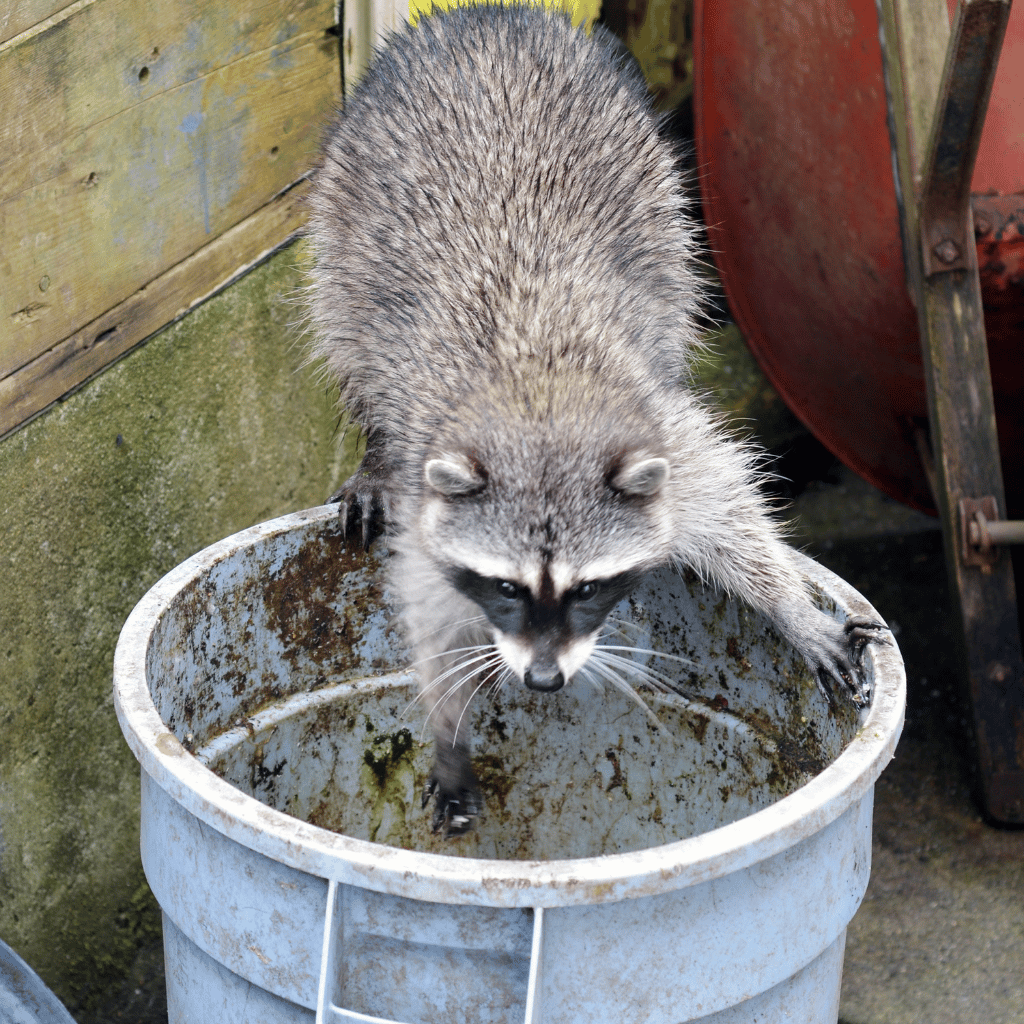
The raccoon (Procyon lotor) is a nocturnal omnivorous mammal. It’s easily recognized by its black “mask” around the eyes and its ringed tail. Raccoons feed on a wide variety of foods: fruits, nuts, eggs, small animals, table scraps, and even household waste. This adaptability allows them to thrive in urban and suburban areas.
During the cold season, raccoons don’t migrate, but they significantly reduce their activity, spending long periods sheltered in an attic, shed, or hollow tree. In search of warmth and food, they can easily make their way into poorly protected homes.
Raccoons in Quebec: Opportunistic Urban Wildlife
In Quebec, raccoon populations are particularly dense in southern regions, notably in Montreal, Laval, the South Shore, and Montérégie. These animals take advantage of their proximity to humans to find easily accessible food in garbage bins and composters. Their intelligence and dexterity allow them to open containers, remove lids, and even climb onto roofs to access attics.
How to Identify a Raccoon’s Presence
Tracks, Prints, and Distinctive Sounds
Signs of raccoon activity are often easy to spot. Their prints look like small human hands with five distinct fingers. You’ll often find them around garbage bins, on decks, or near attic access points.
You may also hear footsteps, scratching, or nighttime movement in ceilings or walls. Raccoons communicate with whistles and growls, especially when they have young.
Typical Damage to Roofs and Yards
Raccoons often cause significant property damage: lifted shingles, torn soffits, overturned garbage bins, and ripped-up lawn. While searching for grubs or insects, they can tear up an entire yard. In attics, they damage insulation and may soil the area with droppings, creating contamination risks.
Risks Associated with Raccoons
Property Damage
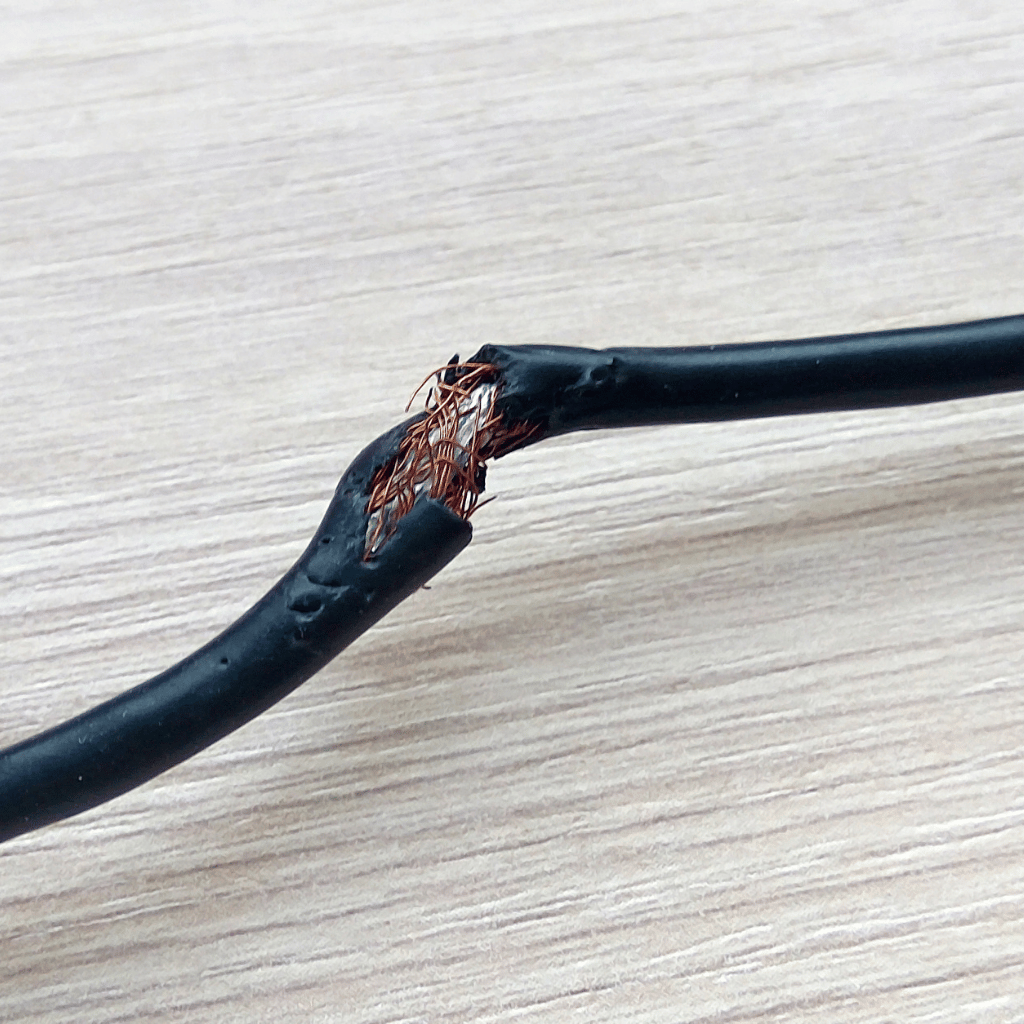
A raccoon that settles in a home can quickly cause hundreds of dollars in damage. Insulation gets torn, electrical cables may be gnawed, and accumulated droppings produce a strong, persistent odour. These issues often require professional repairs and specialized cleaning.
Health Risks (Diseases and Parasites)
Raccoons can transmit several diseases, including rabies and leptospirosis. Their droppings can also contain eggs of intestinal parasites, notably Baylisascaris procyonis, which is dangerous to humans. For advice and official updates on rabies in animals in Quebec, visit the Government of Quebec website.
Effective Methods to Keep Raccoons Away
Natural Solutions and Repellents
Before considering extermination methods, you can try certain natural solutions. The smell of white vinegar, ammonia, or cayenne pepper can temporarily deter raccoons. Some commercial repellents also use essential oils or predator urine extracts to keep them at a distance.
However, these solutions have limited effectiveness over time. It’s often necessary to combine several approaches to get durable results.
Physical Barriers and Deterrent Setups
One of the most effective strategies is to limit access to food and shelter. Use locking-lid garbage bins, secure composters, and install wire mesh under the deck or around the shed. On roofs, check soffits and vents and install metal grilles where needed. For durable sealing of entry points, see our guide on rodent-proof caulking. The City of Montreal also offers tips to secure the brown bin and avoid attracting raccoons.
Preventing Their Return: Tips & Best Practices
Household Upkeep and Waste Management
Good waste management is essential to avoid attracting raccoons. Put out your garbage the morning of collection rather than the night before, and keep bins stored in a garage or shed. Regularly clean up food scraps around the BBQ or pet bowls.
Protecting Attics and Outbuildings
Make sure your vents, soffits, and dormers are secure and free of gaps. A seasonal inspection—especially in the fall—helps you spot potential entry points. Raccoons are particularly active during breeding season (March to May), so securing your property before that period is crucial.

What to Do if the Animal Is Already Settled?
Mistakes to Avoid (Illegal Traps, Direct Contact)
It’s strongly discouraged to try capturing a raccoon yourself. Several methods (traps, poison, scare devices) are illegal or ineffective. A stressed animal may also become aggressive or injure a person. If there are cubs, the mother will return to the site anyway.
Safe and Humane Solutions
The best option is to call a pest management specialist. They can assess the situation, remove the animal safely, and seal openings to prevent its return. Some companies use one-way exit doors that let the raccoon leave but not re-enter.
When to Call a Pest Control Professional
Emergency Signs and Intervention Threshold
If you hear persistent noises at night, notice droppings in the attic, or see repeated damage to your garbage bins, it’s time to contact a professional. A trained exterminator will determine whether one or more raccoons are present and propose an appropriate action plan.
How Integral XT Can Help
At Integral XT, our technicians specialized in pest management respond quickly across Greater Montreal. We use humane methods that comply with Quebec’s environmental standards. Our teams provide residential extermination services and tailored preventive solutions to protect your property for the long term.
Conclusion
Raccoons are fascinating animals, but their presence in inhabited areas can lead to significant problems. Quickly identifying the signs, adopting good prevention practices, and calling a professional when needed are the best ways to protect your property. A safe and proactive approach will spare you many headaches—while respecting local wildlife.
Frequently Asked Questions (FAQ)
How can I tell if a raccoon is living in my attic?
Listen closely at night. If you hear scratching, movement, or the cries of young, there’s a good chance a raccoon has settled in.
What should I do if I see a raccoon during the day?
A raccoon active during the day isn’t necessarily sick—it may be searching for food. Keep your distance and avoid direct contact. If it behaves strangely, contact local wildlife services or a pest control professional.
Do ultrasonic repellents really work?
Effectiveness varies. Some models may reduce visits, but no device offers complete protection. Physical barriers and proper waste management remain the best strategies.