
Bed bugs remain one of the most challenging household pests due to their elusive nature, rapid reproduction, and resistance to many conventional treatments. As these insects continue to re-emerge despite widespread control efforts, it becomes imperative to adopt a comprehensive approach that incorporates both chemical and non-chemical tactics. This report introduces the latest integrated pest management (IPM) strategies that combine meticulous inspection, targeted treatment, and ongoing monitoring to ensure effective elimination and long-term prevention.
Drawing upon current research, expert recommendations, and practical field experience, the guide outlines systematic procedures—from early detection and risk assessment to the application of advanced heat and chemical treatments. Emphasis is placed on the importance of professional consultation and safety protocols, as improper handling of pest control products can pose health risks and lead to incomplete eradication. With the evolving landscape of pest resistance, adopting a multi-faceted strategy that balances immediate intervention with sustainable practices is essential.
Prepared with the most up-to-date insights as of March 13, 2025, this guide serves as an essential resource for homeowners, property managers, and pest control professionals seeking reliable solutions to overcome bed bug infestations and maintain a pest-free environment.
Inspection and Identification of Bed Bug Infestations
Visual Evaluation and Direct Evidence Detection
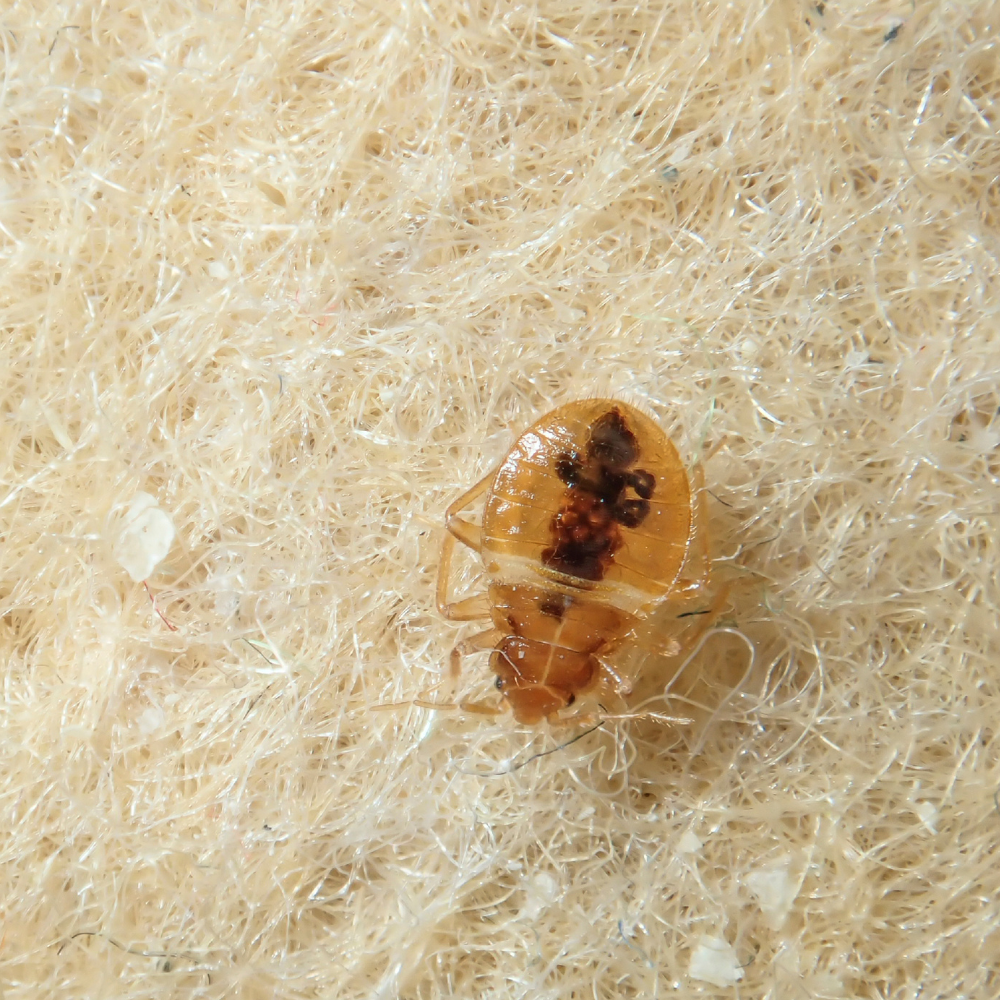
Visual evaluation is a hands‐on process that involves walking through areas where bed bugs are suspected to reside and systematically checking surfaces and crevices for signs of infestation. Professionals and informed homeowners begin by examining known hideouts such as mattress seams, box springs, bed frames, and upholstered furniture. During a thorough evaluation, observers look for small reddish or brownish spots that may represent fecal deposits; exoskeletons left behind after molting; or clusters of tiny eggs and nymphs. Given that bed bugs typically range in size from 4 to 7 millimeters, they can be quite difficult to differentiate from surrounding debris unless examined with an appropriate tool such as a high-intensity flashlight or a magnifying glass.
In many instances, a person inspecting a room may rely on a systematic walkthrough. This process includes checking along baseboards, cracks in furniture joints, behind loose wallpaper, and underneath decorative objects. Professional inspectors often use a checklist to ensure that each potential hiding spot is scrutinized thoroughly. For example, an inspector might note the condition of a mattress, the seams of a headboard, and the underside of a couch arm. Their examination is not limited to the obvious sleeping areas; adjacent spaces and hallways may also be examined because bed bugs are known to spread to neighboring rooms. This escalation in the inspection process is indicative of a methodical approach that has been refined by decades of research.
A hands-on inspection demands careful observation and meticulous documentation. An effective strategy involves recording the number of suspected signs found in each area and noting the exact locations. Such documentation can later serve as a baseline for determining whether any treatment measures are effective. In some cases, an individual may use a simple recording grid similar to the table below. This table summarizes inspection findings by area, type of evidence observed, and the date of inspection:
| Area Inspected | Evidence Type Found | Inspection Date |
|---|---|---|
| Mattress seams | Fecal spots, exoskeletons | March 5, 2025 |
| Headboard joints | Molted skins | March 5, 2025 |
| Upholstered sofa | Live bugs, eggs | March 5, 2025 |
The above tabulation method, although straightforward, facilitates a clear tracking system that allows individuals to monitor both the presence and the extent of bed bug activity over time.
Individuals who perform this type of visual evaluation may occasionally refer to guidelines provided in government resources. Detailed recommendations on inspection techniques are presented in documents such as those available from the Government of Quebec’s Exterminating Bed Bugs guideline as well as Health Canada’s advice on identifying and managing infestations, which describe the typical physical signs to look for. These resources also emphasize that while a visual inspection can detect many signs, bed bugs are adept at hiding and may be easily overlooked if the search is not comprehensive.
Standard practice recommends that individuals inspect all potential hiding places more than once if any ambiguity is observed. Repeated checks may uncover early evidence that a single search might have missed. Also, the lack of readily visible signs does not guarantee the absence of bed bugs. They are nocturnal and their activity may be limited during the day. In addition, dietary habits and individual sensitivities can lead to missed detections when symptoms like bites are not immediately associated with bed bugs. For homeowners seeking to gain more insight into identification methods that complement the visual survey, a detailed explanation is available at Bed Bug Pest Control, which provides further context on these inspection practices.
This section differs from previous treatment-related content in that it concentrates explicitly on the detection phase rather than the subsequent phases of management and elimination. In highlighting practical, observable markers of infestation, this content provides an in-depth understanding of early identification strategies that some prior discussions may have assumed as a given step prior to treatment.
Instrumental and Advanced Detection Approaches
In addition to visual evaluations, advanced detection methods that incorporate instrumental techniques have emerged over recent years. These approaches complement traditional methods by offering supplementary confirmation of suspected infestations. Some advanced methods include the use of canine detection units, passive monitoring traps, and even thermal imaging cameras. Trained dogs, for instance, have been employed by pest control professionals for their ability to detect bed bugs by scent. Their detection accuracy can approach rates of around 90 percent in some studies, although actual performance may vary based on the handler’s experience and local environmental factors. This method has provided reliability in environments where visual clues are few and far between.
The integration of traps and monitors has also been widely adopted. Passive traps, sometimes referred to as interceptors, are mechanical devices placed underneath furniture legs or in other strategic locations. These devices function by intercepting bed bugs as they move from their hiding spots to a potential host. They operate by exploiting the bed bugs’ natural behavior and may include attractants that mimic body heat or carbon dioxide emissions. Data collected from these traps allow professionals to gauge the infestation’s density and to assess whether their treatment methods are working. Notably, scientific studies have demonstrated that the combination of visual inspections and passive monitors typically yields a higher detection rate than either method used alone.
Technological advancements have further enriched the suite of detection tools available. Thermal imaging cameras, though originally designed for building inspections and energy audits, have found applications in pest detection. These cameras capture heat signatures and may reveal unusual patterns in wall structures or bedding that could be indicative of bed bug colonies. In addition, research has introduced molecular diagnostic techniques that analyze trace chemicals or even fragments of bed bug DNA. However, these methods require specialized laboratory equipment and are generally reserved for research purposes or for use in complex cases where standard methods have proven insufficient.
Recent guidelines published by the US EPA on Bed Bug Prevention, Detection and Control provide a detailed description of these advanced techniques. They explain that a multi-pronged approach is preferable because no single detection method is foolproof. This layered methodology ensures that if one technique fails to reveal an infestation, others may compensate by detecting the hidden activity that might otherwise go unnoticed. Additionally, the US EPA’s Bed Bug Laws and Regulations contain detailed insights into the proper use of certain pesticides, indirectly underlining the importance of precise detection before any chemical measures are applied.
Integrating these advanced detection methods requires appropriate training and familiarity with both the tools and the behavior of bed bugs. Pest management professionals who implement these techniques ensure that they combine the strengths of both visual and instrumental methods. For example, after an initial visual survey has identified multiple suspect areas, an inspector may deploy traps in these locations to confirm the infestation. In settings where canine detection is used, coordinated timing between the visual survey and the tracking by the animal can significantly enhance the detection probability. Homeowners who opt to hire professional services will benefit from these integrated approaches. Those interested in further reading on detection tools and techniques can also benefit from a discussion at Bed Bug Pest Control, which elaborates on the combined use of visual and advanced instrumental methods.
This content builds on earlier inspection discussions by bridging the gap between direct human observation and instrumentation-based detection. Instead of reiterating basic visual criteria alone, it introduces advanced technologies and methodologies that add robustness and depth to the identification process of bed bug infestations.
Systematic Documentation and Monitoring Processes
Once initial detection has been performed through either visual or advanced instrumental measures, systematic documentation and ongoing monitoring become key components of confirming the extent of an infestation. Detailed records serve not only to establish the initial infestation mapping but also to guide subsequent interventions and post-treatment evaluations. Recording inspection findings helps in verifying whether the implemented control measures are successfully curbing bed bug activity. Many inspectors document details such as the number of live bugs seen, the type and quantity of physical evidence found in specific locations, and changes observed in recurring inspections.
Documenting findings involves writing detailed notes and taking high-resolution photographs of any problematic area. These images can be compared over time to track the progress of the infestation. For instance, an inspector might take a close-up image of a mattress seam showing dark spots or molted skins and then revisit the same area after treatment has been applied. The record should contain descriptions of the physical characteristics observed, the approximate size of any visible insects, and other contextual details like the ambient conditions or the presence of clutter that might provide additional hiding spaces. Although it is not common to have a standardized format that is universally adopted, many pest management professionals recommend a consistent approach in documentation to minimize errors in interpretation over time.
A systematic evaluation of the efficacy of an intervention includes scheduling follow-up inspections approximately 10 to 14 days after treatment. This interval is chosen because it provides enough time for any surviving bed bugs to become active and for any eggs to hatch, thereby revealing whether additional treatment might be required. Such scheduling is part of a comprehensive monitoring process. Continuous monitoring might involve the use of passive traps that are periodically checked and then repositioned or replaced. Monitoring also extends to evaluating areas that were not initially infested, as bed bugs can disperse along walls and through ventilation systems.
The monitoring process includes careful organization of the collected data. While the visual evaluation section above provided one simple table to record initial findings, the subsequent documentation phase builds on these records with narrative descriptions and photographic evidence. This phase ensures that every follow-up inspection is comparable with previous inspections. When properly recorded, this information can be used during consultations with a pest control technician to determine whether further intervention is needed or whether the measures already put in place are effective.
In the context of a coordinated pest management plan, documentation and monitoring serve to create a timeline of the infestation’s progress and the response undertaken. It may also be used to anticipate potential future infestations by recognizing patterns in spread or habits in the localized bed bug population. Government publications, for instance, often cite the benefits of such record keeping. Information provided by resources such as Pest Source’s guide on How to Check for Bed Bugs? offers a framework for recording both qualitative and quantitative observations, which can be critical for performance reviews of pest management programs.
Experts have noted that detailed and accurate documentation fosters a more informed decision-making process regarding intervention strategies. Even in scenarios where individual actions have been taken without professional involvement, maintaining comprehensive records can help a homeowner or resident understand the trajectory of the infestation. This process aids in scheduling the timing for additional inspections or treatments and provides concrete evidence that can be shared with property managers or pest control professionals. In some cases, discrepancies in early detection versus later observation can indicate that the infestation is spreading, leading to the recommendation of more robust treatment methods.
The continuous monitoring strategy also involves follow-up visual inspections at regular intervals. Homeowners are advised to adopt a routine search schedule, even after treatment, to detect any signs of residual infestation. Over time, routine monitoring might reduce the risk of a re-infestation by ensuring that any emerging evidence is promptly documented and subsequently addressed. Training in documentation techniques is sometimes offered as part of professional pest management services, and some homeowners choose to invest time in learning these methods to maintain records independently.
Professionals often advise that individuals take advantage of digital tools, such as smartphone applications, which allow for progressive documentation of findings by date and location. These applications sometimes include the ability to annotate photos directly and to store multiple entries that can be later reviewed to assess treatment efficiency. It is not uncommon for professional inspection teams to provide clients with a detailed report that accompanies their service. This report includes a narrative discussion of inspection findings, photographic evidence, and suggestions for follow-up measures.
The integration of ongoing monitoring practices with the initial detection phase ensures that the process of identification is not a one-time effort but an iterative task that evolves with the infestation. By comparing baseline data with subsequent findings, it is possible to adjust strategies in response to observed trends. This approach minimizes the chance of misinterpretation of transient signs or mistaken observations. For instance, if a particular area of a property consistently shows minor amounts of evidence while all other areas remain clear, the documentation may suggest that the infestation is either very localized or that environmental conditions (such as high humidity) are affecting the appearance of evidence. Such nuances can only be captured through a detailed and prolonged monitoring process.
Guidelines on this subject are addressed in various governmental and academic resources. For those interested in professional perspectives on documentation and monitoring, an overview of recording practices and follow-up strategies is available at Bed Bug Pest Control, which complements the inspection strategies detailed earlier. Furthermore, detailed methodologies for the systematic evaluation of suspected bed bug infestations have been outlined in literature available on Pest Source’s dedicated page, offering a blend of practical advice with scientifically grounded techniques.
Systematic documentation is a process that ties together the initial detection, the application of advanced monitoring methods, and a continuous review of the infestation’s evolution. Recording every observation with consistency and clarity provides a reservoir of information that will guide both current and future pest management decisions. It is through this structured approach that residents and professionals are better equipped to respond effectively to the challenge of bed bug infestations.
Integrated Treatment Strategies and Professional Extermination
Combined Treatment Modalities for Bed Bug Eradication
An integrated treatment approach to managing bed bug infestations combines multiple modalities in a coordinated manner. This method merges the benefits of chemical interventions, physical removal techniques, and biological control measures to address both visible and hidden populations. Integrated strategies are designed to overcome limitations that arise when a single technique is applied alone. Ongoing research has demonstrated that combining methods can yield reduction rates that, in some situations, range between 80 percent and 95 percent over a series of treatments. For example, when insecticide applications are rotated with heat treatment operations and mechanical removal, the cumulative impact on bed bug biology and behavior becomes more effective than isolated treatments.
Chemical treatments involve the use of insecticides from various classes such as pyrethroids and neonicotinoids. Recent field observations indicate that the susceptibility of bed bug populations to chemical agents may vary according to their exposure history, with some populations requiring repeated applications spaced weeks apart to achieve noticeable declines. In practice, professional exterminators employ tactics like rotating compounds with different modes of action to minimize the effects of resistance. The employment of chemical sprays is often supported by physical methods that disrupt the environment where bed bugs hide. Heat treatments and the utilization of steamers ensure that elevated temperatures—frequently targeting levels of approximately 48°C (or 118°F) sustained for several hours—reach concealed areas behind baseboards, within mattress seams, and behind upholstered furniture.
Physical treatments are equally significant in an integrated approach. Vacuuming, the removal of clutter, and the installation of mattress encasements are common steps taken to restrict bed bug movement and expose them to subsequent treatments. Complementary measures such as these help focus chemical applications more precisely, thereby reducing the overall quantity of insecticides used. According to Integrated Pest Management principles, combining non-chemical options with limited chemical use tends to lower the environmental footprint of the intervention while simultaneously enhancing its effectiveness. Studies involving integrated heat and insecticide protocols have reported improvements in elimination outcomes when physical methods pre-treat an area to expose hidden bed bugs before chemical agents are applied.
Biological controls have also begun to play a role in comprehensive bed bug management protocols. Although biological agents have traditionally been more common in agricultural pest management, experimental formulations based on microbial biopesticides have been evaluated against bed bug populations. Although the efficacy figures for such biological agents usually lag behind those of more conventional chemical and physical treatments (with reported reductions in the range of 50 to 70 percent when used alone), their integration into a broader strategy can contribute to an overall reduction in infestation levels. It is important to recognize that the combination of methods requires precise scheduling and planning. Treatment procedures may need to be repeated over several weeks to target various life-cycle stages of the bed bugs. In some documented cases, sequential treatments—initiated with physical disruption, followed by chemical application and reinforced through additional heat or vacuum treatments—have been credited with reducing infestations by more than 90 percent.
A concise comparison of various treatment modalities and their practical applications is presented in the table below:
| Treatment Category | Method Description | Reported Efficacy Range (%) | Application Approach |
|---|---|---|---|
| Chemical | Insecticide rotation with pyrethroids, neonicotinoids | 60 – 90 | Direct spraying and targeted fogging |
| Physical | Heat treatment, vacuuming, mattress encasement | 70 – 85 | Whole-room heating and mechanical removal |
| Biological | Application of microbial biopesticides | 50 – 70 | Spot treatments in hidden areas |
| Integrated | Combination of chemical and physical strategies | 80 – 95 | Sequential and simultaneous treatments |
The integrated treatment modality requires that all methods be applied in a coordinated manner. Professional operators calibrate heat-generating devices to ensure that temperatures remain uniformly elevated within treatment areas. Concurrently, insecticide formulations are chosen based on prior efficacy data and environmental considerations. Additionally, non-chemical interventions like frequent vacuuming and the sealing of cracks work in tandem to reduce the suitability of indoor environments for bed bug harborages. For more comprehensive information on strategies aimed at suppressing infestations, interested parties may review guidance on Bed Bug Pest Control.
The application of an integrated approach also accounts for operational variables such as room layout, clutter density, and structural vulnerabilities. In professional settings, a single-site treatment may extend over several hours, during which crews systematically treat each area. In some instances, uncertainties regarding bed bug behavior in confined spaces necessitate the use of additional physical controls following initial chemical intervention. This synergistic approach does not simply rely on the additive effects of individual techniques, but rather on their interactive influence on bed bug survival and reproduction. Recent analyses conducted by agricultural researchers have documented that settings employing integrated strategies have witnessed more predictable and sustained reductions in bed bug numbers compared to those using stand‐alone treatments. Furthermore, field data indicate that multi-modal treatments contribute to longer intervals between re-treatments, a benefit that can result in fewer overall interventions over extended time frames.
In certain case studies, integrated treatment regimens have succeeded in reducing bed bug populations by approximately 85 percent or more after an initial treatment cycle, with follow-up visits helping to verify continued suppression and detect any remaining infestations. This reduction is achieved by addressing both the immediate population and the subsequent waves emerging from eggs and nymphs that may have evaded initial treatments.
Professional Exterminator Engagement and Operational Protocols
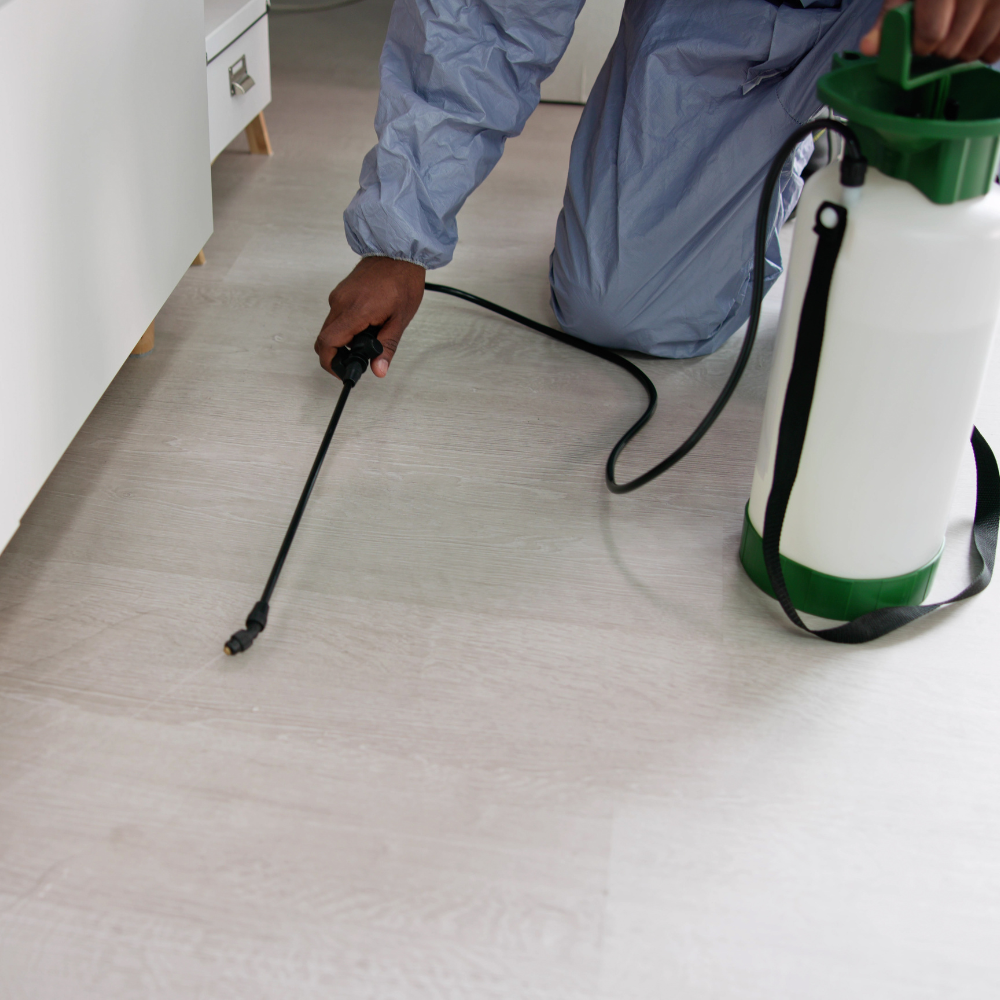
The involvement of professional exterminators brings an operational structure to the integrated treatment strategy that is grounded in systematic planning and scientific assessment. Professionals trained in bed bug management begin by conducting a thorough survey of the affected premises. This evaluation goes beyond mere visual inspection and often incorporates techniques such as the placement of adhesive interceptors and the use of heat-detection devices. Once the infestation parameters are established, an exterminator designs a treatment program that synchronizes the use of multiple modalities to address both active infestations and residual populations.
Operational protocols followed by experienced exterminators prescribe a series of steps that include preparatory activities, active treatment periods, and follow-up assessments. During the preparatory phase, occupants are typically advised to reduce clutter, launder bedding at high temperatures, and isolate areas that serve as harborage for bed bugs. This preparatory work aids in exposing bed bugs to treatment agents and diminishes available refuges where they might survive. Subsequent to this preliminary stage, treatment sessions commence with a detailed focus on applying chemical agents, typically using both residual sprays and liquid formulations designed to penetrate cracks and crevices in furniture and walls.
Exterminators routinely deploy specialized equipment, such as heat generators capable of elevating ambient temperatures to more than 50°C over prolonged periods, thereby ensuring that bed bugs in hidden areas are reached. Complementary measures include the use of vacuum devices with HEPA filters to remove insect parts and exuviae, which also help in reducing allergen levels. In some operational scenarios, exterminators have reported that scheduling two to three treatment cycles over a period of six to eight weeks allows for the successful targeting of successive bed bug generations. Research in certain urban settings has indicated that integrated treatment protocols, when applied with consistency, lead to reductions in bed bug numbers in the range of 85 to 95 percent after two complete cycles.
Professional exterminator protocols also address the safety of inhabitants and operators. Equipment used in treatment is selected after careful review of compatibility with the micro-environment, and the application techniques are refined to minimize unnecessary chemical exposure. Practitioners adhere to local regulatory guidelines regarding chemical use, personal protective gear, and proper ventilation during and after treatment sessions. Documentation procedures are standard, with detailed records maintained on the concentration of chemicals used, the areas covered, and subsequent follow-up findings. These records facilitate adjustments in treatment protocols if subsequent inspections reveal persistent activity.
The scheduling of follow-up visits is an important operational component. In many instances, exterminators confirm treatment outcomes by re-inspecting areas roughly two to four weeks after a treatment event. Such follow-up visits not only verify the reduction in bed bug activity but also provide an opportunity to reapply treatments as needed to subdue any residual infestations. In some professional reports, data collected shows that homes with follow-up inspections experience lower incidences of reinfestation compared to those where follow-up is sporadic or absent. By carefully documenting each phase of the treatment process, exterminators are able to fine-tune their operational protocols to the specific characteristics of each infestation scenario.
The adoption of integrated treatment strategies by professional exterminators represents a systematic effort to ensure that multiple treatment modalities are used in a complementary manner. Equipment calibration, adherence to exposure guidelines, and synchronized application of chemical and physical methods are components of an operational protocol that is both methodically organized and reflective of empirical findings. Field implementations in multi-unit dwellings and commercial spaces have evidenced that such structured approaches can lead to substantial, measurable declines in bed bug populations. Exterminators continuously refine their methodologies in consultation with industry research and evolving state guidelines to ensure that both treatment efficacy and occupant safety are maintained throughout the process.
Some case evaluations have documented that areas treated using a structured, multi-phase approach show fewer signs of re-infestation during long-term monitoring. The scheduling of subsequent visits and the collection of follow-up data are embedded in the operational standards recommended by industry institutions. Surveys of professional exterminators reveal that a treatment protocol with adherence to a structured schedule can reduce re-infestation levels by up to 90 percent when combined with occupant cooperation. The deployment of modern equipment to monitor temperature profiles during heat treatment sessions has further enhanced the reproducibility of outcomes. This operational discipline ensures that treatment interventions are not conducted in a haphazard manner but are instead part of a coordinated strategy that takes into account a range of factors from chemical resistance to spatial configuration.
Post-Treatment Verification, Monitoring, and Preventative Measures
Once a series of integrated treatments has been administered, the subsequent phase focuses on verification and ongoing monitoring to prevent the resurgence of bed bugs. In the period following treatment, a structured verification process is implemented to confirm that the infestation has been reduced to levels that fall below established thresholds. This phase distinguishes itself from initial inspection activities by emphasizing long-term monitoring and proactive prevention rather than immediate identification and eradication.
Post-treatment verification typically involves repeated inspections over a designated period, often extending for several months after the final treatment cycle. In many documented treatment programs, follow-up visits occur at intervals of approximately three to four weeks initially and then are spaced out to every three months as the risk of re-infestation declines. Quantitative data collected during these follow-up inspections can reveal trends that inform whether re-treatments might be necessary. Studies have shown that monitoring over a full 12-month period can reduce the likelihood of reinfestation by as much as 40 to 50 percent. Such a long-term monitoring schedule allows even low-level residual populations to be detected before they increase to levels that require more intensive intervention.
The monitoring process is typically supported by the use of trap devices, adhesive interceptors, and sometimes even digital sensors that provide data on bed bug movement in treated areas. These indicators are then correlated with records maintained by professional exterminators. In many integrated treatment strategies, a systematic record is kept of all follow-up observations, treatment adjustments, and homeowner-reported issues. This documentation not only contributes to treatment transparency but also enables the development of data-based refinements to operational protocols for future interventions.
Preventative measures form a complementary component of the post-treatment phase. Preventative actions often involve physical modifications to living spaces. Homeowners and property managers are advised to install encasements around mattresses and box springs—a measure that has been investigated and reported in recent literature to provide a significant barrier against bed bug re-invasion. Structural modifications such as sealing cracks, crevices, and other potential access points further contribute to preventing bed bugs from establishing new harborage sites. Residents are encouraged to regularly launder infested textiles in high-temperature cycles and reduce clutter that may serve as hiding spots for any surviving bed bugs.
Another component of preventative maintenance is the ongoing education and engagement of residents. Clear instructions on how to identify early signs of re-infestation are provided in many post-treatment protocols. Regularly scheduled inspections—in some cases organized as part of a building-wide prevention program—have led to measurable reductions in reappearance rates in multi-family dwellings. These educational efforts can include simple guidelines on what to look for, how to proceed if bed bug activity is suspected, and when to contact professional services. Field reports contribute data that suggest that such community-based monitoring initiatives can lower reinfestation incidences when residents are both knowledgeable and engaged in maintaining preventive practices.
Technological aids also play a part in post-treatment monitoring. Some practitioners have adopted the use of thermal sensors and smart monitoring devices that maintain a record of ambient room temperatures and microclimate changes. These devices can alert managers to potential breaches in treatment integrity that might indicate re-infestation. The integration of such tools with regular manual inspections offers a layered approach to post-treatment verification. In some instances, data from these sensor networks have informed adjustments in future treatment schedules, thereby reflecting a dynamic approach to pest management based on real-time information.
The overall strategy for post-treatment monitoring is designed to ensure that any resurgence of bed bugs is detected at an early stage so that subsequent treatment cycles can be initiated promptly. This layered framework—combining regular physical inspections, automated monitoring devices, and resident education—supports a long-term reduction in bed bug occurrence. Field studies indicate that properties employing such integrated post-treatment protocols tend to experience fewer and less severe reinfestations compared to those where such measures are absent.
In summary, the systematic verification and continuous monitoring that follow integrated treatment sessions provide a structured pathway for maintaining low bed bug populations. The scheduled follow-up inspections, combined with preventative modifications and community engagement, serve to extend the efficacy of the initial treatment. Data gathered over extended periods have shown that a sustained effort in monitoring can help preserve the outcomes achieved through integrated treatment strategies, thereby ensuring that bed bug management remains a manageable process over time. By incorporating practical post-treatment measures alongside ongoing monitoring, the overall approach moves from reactive treatment to proactive prevention, forming a comprehensive strategy to manage bed bugs in both residential and commercial environments.
Integrated Pest Management principles and Sustainable Pest Management Strategies reflect the coordinated efforts that underpin these approaches, providing guidance on how to balance treatment efficacy with environmental and human safety considerations.

Preventative Measures and Ongoing Monitoring
Preventative Strategies and Environmental Adaptations
A proactive approach to managing bed bugs in residential or commercial environments begins with modifying the surroundings to reduce the attractiveness and viability of potential harborage sites. Homeowners and facility managers can implement a range of environmental adaptations that discourage bed bug establishment. Structural adjustments such as sealing wall crevices, repairing baseboards, and applying physical barriers around pipe penetrations reduce the number of openings where bed bugs might hide. For individuals who wish to secure their sleeping environments, using specialized encasements on mattresses and box springs has been demonstrated to inhibit bed bug ingress and egress, thereby diminishing opportunities for population reinforcement.
In addition to these physical modifications, temperature and humidity control play a significant role in discouraging bed bug infestations. Research has indicated that altering ambient conditions—for example, using dehumidifiers or targeted heating in localized areas—can transform an environment into one that is less congenial for bed bugs. When integrated with routine laundering and steam cleaning of textiles and upholstery, these measures contribute to an environment where bed bugs are less likely to thrive. The implementation of such strategies is supported by integrated pest management principles outlined by the US EPA available here, which emphasize the benefit of modifying the environment to limit pest survival.
Building on structural and climate adaptations, the separation of infested items from non-infested zones can help minimize the spread. For instance, if a particular area in a residence shows signs of low-level infestation, isolating furniture or using physical barriers during cleaning processes prevents bed bugs from migrating into areas that might otherwise remain unaffected. Occasionally, the relocation or temporary removal of items to facilitate thorough cleaning may be necessary; these practices reduce the immediate food sources and shelter opportunities for bed bugs. Regularly scheduled maintenance, including laundering all bedding and curtains using high-temperature cycles, further supports a preventative framework by removing any residual organisms that might be clinging to fabrics.
Other physical adjustments also contribute to long-term prevention. Simple modifications—such as installing rodent-proof metal meshes on ventilation openings, a technique repurposed from rodent management practices—can be adapted to decrease the available hiding spots for bed bugs, particularly in older buildings where structural integrity may have declined over time. Homeowners who invest in a comprehensive plan to adapt their interior and exterior frameworks are often better positioned to concurrently manage infestation treatment and prevent re-establishment. Although various manuals and guidelines have recommended these approaches in isolation, combining them into a consistent and methodical prevention strategy supports the overall management objectives. This section’s focus on environmental adaptations is an extended perspective that complements previous discussions on documentation and post-treatment follow-up by delving into the environmental modifications that inherently limit bed bug proliferation.
Regular evaluation of these adaptations is incorporated into ongoing maintenance routines where property managers periodically assess how structural modifications and environmental controls perform over time. Ultimately, these prevention strategies are not static; they evolve based on observation and data collected during follow-up phases. By comparing initial assessments with subsequent environmental observations, managers can determine if adjustments need to be made, such as reinforcing barriers or updating equipment, in order to maintain an environment that does not favor bed bug survival. Over time, even small adjustments—like enhancing the sealing around window frames or improving airflow to reduce humidity—can contribute to a steady decline in bed bug numbers. This extended approach to prevention is designed to work in harmony with other treatment components and is continuously refined based on evolving experiences and insights from practical application.
Technology-Driven Ongoing Monitoring and Data Analysis
The integration of modern technology into pest monitoring practices has transformed the approach to bed bug management, supporting an ongoing surveillance system that extends well beyond the initial treatment phase. Advanced sensor systems, such as thermal detectors, humidity monitors, and motion analysis devices, are now employed to capture real-time data about environmental conditions that could favor bed bug re-establishment. Digital monitoring platforms are able to record temperature fluctuations, room humidity levels, and even subtle movement changes in seldom-used areas. This capability provides a dynamic dataset that can be calibrated against baseline conditions established during initial inspections.
With the aid of internet-connected devices and cloud computing, property managers can now collect data continuously and analyze trends over time. By using algorithms that detect deviations from these baseline measurements, the monitoring system offers early warning signals that may indicate the return of bed bug activity. For instance, if a sensor detects a persistent increase in ambient temperature in an otherwise stable environment, it may be necessary to investigate whether this anomaly is correlated with bed bug metabolic activity. The systematic use of these digital tools provides a data-driven supplement to periodic manual inspections, ensuring that even low-level infestations are noticed promptly and addressed decisively.
The evolution of predictive analytics in bed bug management has enabled the development of models that combine real-time sensor data with historical infestation records. These models help forecast potential bed bug hotspots based on seasonal trends, environmental conditions, and previous infestation patterns. The incorporation of such models means that rather than waiting for visual confirmation of bed bug presence, managers can use proactive data signals to administer targeted interventions before populations escalate. For example, if predictive analytics highlight a localized rise in room temperature and humidity concurrent with historical data linked to past outbreaks, remedial treatments can be scheduled in advance. This preemptive approach is supported by methodologies similar to those used in the broader field of digital pest management, as reviewed in several academic studies and governmental publications.
A concise table below illustrates some of the monitoring technologies deployed in contemporary bed bug management programs and their specific applications:
| Monitoring Tool | Data Collected | Application |
|---|---|---|
| Thermal Sensors | Temperature variations | Identify microclimate anomalies in hidden areas |
| Humidity Monitors | Moisture levels | Assess the environmental conditions for bed bugs |
| Motion Detectors | Movement patterns | Detect early activity in low-traffic zones |
| Predictive Analytics | Data trends and forecasts | Anticipate resurgence based on historical and current data |
The shift toward technology-driven monitoring represents an evolution from traditional visual inspections to a more holistic and data-centric approach. By integrating sensor networks with mobile applications and automated alert systems, managers receive real-time updates on environmental conditions that might indicate the onset of a new infestation. Although these systems require an upfront investment and regular calibration to maintain accurate readings, the continuous flow of actionable data allows for timely interventions that prevent bed bugs from establishing significant populations. Operators must observe operational safety when installing and maintaining these instruments to ensure they function without interfering with other building systems. Calibration routines, data security protocols, and environmental reviews form part of the ongoing maintenance of these digital monitoring systems.
Furthermore, data gathered from such technological systems are used to refine and adjust long-term pest management plans. For example, the data might indicate that certain areas of a building consistently experience microclimate conditions that favor bed bug survival, prompting targeted environmental modifications or focused treatment sessions. In addition, the integration of these digital tools with routine human inspections reinforces the overall monitoring framework. For individuals seeking further details on technology-enabled approaches, additional resources available on Bed Bug Pest Control provide practical guidance on implementing these systems within different types of properties.
The technology-driven approach provides a framework that supports both immediate response and long-term prevention. By leveraging advanced monitoring systems and thorough data analysis, operators gain a comprehensive view of their pest management environment. This methodology not only supports the early detection of bed bug activity but also informs ongoing decisions regarding environmental adaptations and treatment adjustments. The combination of automated data collection with periodic manual confirmation represents a modern evolution in bed bug management practices that enhances the overall monitoring process.
Community Engagement and Routine Practice Updates
Beyond physical and technological interventions, the human element of community engagement plays a significant role in the sustained management of bed bugs. Neighborhood workshops, informative campaigns, and routine training sessions offer a means for residents, building managers, and pest control professionals to share knowledge and update practices in response to emerging observations. Proactive communication among stakeholders creates a network in which updates on new treatment methodologies and monitoring technologies are disseminated rapidly. When community members feel confident in identifying early signs of bed bug presence, the collective monitoring effort is further enhanced by a shared sense of responsibility and mutual support.
This collaborative aspect is evident in structures where residents are encouraged to report unusual findings or irregularities observed during routine inspections. Some communities have implemented formal feedback channels via digital platforms or in-person meetings that result in regular updates to management protocols. Shared experiences and observations are translated into adjustments in routine practices, such as refining the schedules for manual inspections or recalibrating digital monitoring systems based on collective data trends. These collaborative endeavors provide an evolving perspective on the effectiveness of both preventative measures and ongoing monitoring efforts in real-world scenarios.
Local authorities and pest management organizations sometimes facilitate educational sessions that outline best practices for bed bug prevention. These sessions might include demonstrations of proper sealant application around cracks, instructional tours of remodeled infested areas, or even live discussions about integrating new sensor technology into everyday practices. By fostering an environment where updated methods can be shared and discussed, communities develop an adaptive management strategy that encapsulates both preventative measures and ongoing monitoring requirements. In some residential complexes, training modules have been developed that simplify the technical details of sensor calibration and data interpretation, thereby enabling even those without prior technical knowledge to participate effectively. This transparency and open communication contribute to a network of informed individuals who can collectively manage their shared environments.
Regular updates to standard operating procedures based on both community feedback and technological insights allow for constant improvement in bed bug management practices. For instance, a property manager who notices a recurring pattern from several sensor anomalies might convene a meeting with both residents and technicians to discuss possible causes and solutions. Incorporating these discussions into routine practice updates ensures that the management plan remains responsive and reflective of actual conditions as they change over time. In facilities where periodic review sessions are held, the experience and observations of multiple parties help to create a more comprehensive understanding of both the successes and shortcomings of the current prevention strategy.
In integrating human factors with technological frameworks and physical adaptations, property managers frequently make modifications to training materials and communication protocols. These updates might include alerts sent out via community digital platforms, printed guidelines distributed during regular meetings, or even interactive sessions where residents can ask questions about emerging trends observed from the monitoring data. When these updates are disseminated using clear, accessible language, they support a transparent process that builds trust among stakeholders. Such community engagement methods have been recognized in several municipal pest control programs as a complementary aspect to formal treatment protocols, reinforcing the preventive measures by involving every occupant in the process.
Coordination between local pest management professionals and the community has led to practices where routine inspections are scheduled not only by independent agencies but also in collaboration with resident associations. This public–private interplay reinforces accountability in maintaining sanitary conditions and properly responding to early warnings signaled by monitoring devices. For example, periodic check-ups might be organized on a building-wide basis, with trained personnel providing individualized feedback and adjusting environmental modifications based on collective observations. These joint sessions have been linked to a measurable reduction in reported infestations over extended periods, supporting the view that informed residents contribute significantly to the overall monitoring strategy.
Working together, the community, property managers, and pest control professionals enhance their shared capacity for early detection and response. Such collaboration is not static; it evolves as new technologies and methodologies become available. While earlier protocols focused on scheduled manual inspections and isolated reports of bed bug signs, the current collaborative approach integrates feedback loops that continuously update and refine the management process. By sharing information about weather-induced microclimate changes, updated sensor readings, or even routine visual observation data, participants cultivate a comprehensive dataset that informs future preventive measures and monitoring adjustments. The integration of this collective knowledge, along with insights provided by established institutions like the CDC available here, supports the continuous evolution of bed bug management practices.
This coordinated approach not only benefits individual properties but can also serve as a model for wider community-based pest management initiatives. The experience and data generated from local collaborative networks contribute to broader research efforts, which in turn can lead to further refinements in both preventative measures and digital monitoring systems. Through organized community engagement and the regular updating of protocols, stakeholders demonstrate a commitment to maintaining environments that consistently discourage bed bug proliferation. As a result, participants are better equipped to detect subtle changes, analyze data trends, and implement necessary changes that ensure the ongoing effectiveness of their overall management strategy.
Government Guidelines and Industry Best Practices in Pest Management
Regulatory Framework and Official Directives
Government agencies at various levels have established frameworks for pest management that delineate practice parameters, product evaluations, and operator responsibilities. These frameworks are designed to guide the selection and application of chemical and non-chemical interventions in managing pests, including bed bugs. Government directives require that pest control measures follow a systematic process of record keeping, risk assessment, and verification of outcomes. Over recent years, updates such as those highlighted in the Health Canada Sustainable Pesticide Management statement have outlined revised risk reduction targets and recommended integrated approaches that combine chemical, physical, and biological control measures. These guidelines reflect an approach that examines the short-term and long-term effects of pest control interventions on human health, non-target species, and the environment.
Government policy mandates that manufacturers and applicators document every stage of the pest management process, ensuring that accurate records are maintained. This documentation requirement extends from material procurement and application techniques to the post-treatment evaluations and any subsequent follow-up visits. In addition to record keeping, government guidelines delineate safe handling and storage practices, specific application methods, and protective measures for both applicators and occupants of treated structures. The structure of these guidelines allows both federal and provincial levels to address regional variations in pest pressures and environmental conditions while working within a broadly harmonized regulatory framework. For instance, Canadian guidelines reflect the responsibilities of local jurisdictions in overseeing and enforcing safe pesticide use, which often includes periodic updates to the regulatory standards. The updated regulatory directives have been informed by research studies that analyze trends in pesticide application and pest resistance, thereby providing benchmarks for performance measurement.
In many instances, the regulatory framework takes into account socioeconomic and environmental data to refine the permitted use of various treatment products. The emphasis is not solely on the elimination of pests but also on reducing exposure for both humans and non-target organisms. Such guidelines often require that applications using chemical agents be preceded by a comprehensive evaluation of alternative methods. These protocols prefer integrated pest management (IPM) programs that utilize a combination of measures, including physical barriers, heat treatments, and targeted chemical applications administered in carefully controlled dosages. Regulatory bodies underscore the importance of these measures by periodically reviewing and adjusting the acceptable levels of active ingredients in pesticides and by encouraging the rotation of chemical classes to delay resistance.
These government protocols are reflective of a broad policy landscape where the allocation of resources further supports safe application and monitoring practices. For example, funding allocated within national budgets supports the modernization of regulatory information technology systems and enhanced stakeholder engagement in policy development. Such measures contribute to a regulated environment where applications are not only conducted in accordance with defined legislative requirements but also with an awareness of emerging scientific insights. The establishment of these directives has led to more reliable methods for determining the appropriate treatment models for bed bugs, ensuring that interventions are conducted with an emphasis on operator safety and overall effectiveness. Property managers and pest management professionals are expected to consult detailed instructions from the regulatory bodies before proceeding with any treatment programs to guarantee that their methodologies comply with both national and regional norms.
Within this regulatory context, operators are advised to familiarize themselves with additional resources available through industry channels. For instance, practitioners seeking comprehensive information on pest management techniques can access guidance tailored to bed bug control through resources such as Bed Bug Pest Control. These resources provide practical insights into how the regulatory frameworks are implemented at the operational level and serve as a basis for designing in-house safety protocols and operational plans.
Adoption and Implementation of Best Practice Protocols
Industry best practices in pest management are founded on the systematic application of government regulations and the refinement of operational procedures informed by field research and practitioner feedback. In practice, pest control operators often adopt a multi-phase approach that integrates prescribed safety protocols with practical experience gained through repeated application. Operators typically adhere to documented protocols that involve preliminary risk assessments, methodical treatment applications, and post-intervention evaluations. The adoption of these protocols ensures balanced use of chemical agents alongside mechanical methods, such as heat treatments and physical removals, when treating bed bug infestations.
Operators are encouraged by regulatory updates that emphasize the use of integrated approaches in pest management. Recent updates to the National Road Map for Integrated Pest Management, as reported by the USDA updates IPM road map, have reinforced the need to combine multiple tactical approaches rather than relying on a single method of control. Such strategies help to limit overall chemical usage as operators rotate among various treatment modalities. Best practice protocols also promote the systematic documentation of treatments, including detailed records of product types, application rates, environmental conditions during treatment, and follow-up assessments. These records form a basis for evaluating treatment outcomes and serve as a reference for adjusting procedures in future infestations.
The industry’s alignment with government recommendations is evident in the development of standardized operational procedures that include prescribed intervals for inspection, treatment, and verification phases. Operators are expected to synchronize these intervals with established safety and regulatory benchmarks. Within a treatment scenario, a pest management company may implement a multi-step procedure that first employs non-chemical interventions such as heat treatments or vacuuming, followed by precise chemical applications only when alternative methods have not achieved the desired outcomes. This approach not only leads to a measured use of chemicals but also supports the longevity of treatment efficacy. Performance data collected through these standardized protocols aid in the continuous improvement of methodologies and are subject to internal audits as well as external regulatory reviews.
Industry parameters are often summarized in succinct comparative tables that outline differences between overarching government guidelines and their correspondent industry implementations. The table below presents a concise comparison that highlights several primary aspects of the approach as defined by policy initiatives versus the operational practices adopted on the ground.
| Aspect | Government Directive Description | Industry Implementation Approach |
|---|---|---|
| Chemical Usage Regulation | Defines acceptable active ingredient concentrations and mandates product rotation | Incorporates real-time monitoring of chemical dosages with periodic adjustments based on results |
| Documentation and Monitoring | Requires detailed record keeping from application to follow-up verification | Implements digital record systems combined with on-site performance reviews |
| Training and Procedural Safety | Outlines certified training requirements and safety protocols for handling pesticides | Conducts regular in-house training sessions and periodic field audits to ensure compliance |
By maintaining clear documentation and structured implementation protocols, operators support an ongoing process of improvement that aligns with revised regulatory guidance. Such harmonization of government policies and industry standards is indicative of a sustained effort to reduce the discrepancies between prescribed guidelines and practical execution. In turn, this performance-based approach encourages an environment where operators can refine their strategies based on empirical evidence, thereby optimizing the management of bed bug infestations.
Adoption of these protocols is also supported by industry forums, professional associations, and continuing education programs. Regular exchanges between regulatory bodies and service providers help to ensure that the operational guidelines remain current and are adapted to reflect new scientific findings and treatment technologies. This exchange is facilitated by data-driven decision-making and the incorporation of lessons learned from previous treatment cycles. The emphasis on structured documentation and performance reviews means that operators can rapidly adjust methodologies in response to observed outcomes, ensuring that treatment remains both consistent and responsive to specific field conditions.
Certification, Training, and Performance Monitoring Standards
A sustained commitment to quality in pest management is reflected in the emphasis placed on operator certification, structured training programs, and ongoing performance monitoring. Certification programs put in place by industry associations serve to provide operators with standardized assessments of competency and adherence to regulatory practices. These certification processes are often aligned with government guidelines and include modules on safe handling of pesticides, application techniques, and environmental monitoring. Operators who complete such certification programs gain a demonstrable record of their proficiency, which in turn bolsters stakeholder confidence in their treatment methodologies.
Ongoing training is an integral component of industry best practices. Pest control companies routinely engage their staff in refresher courses and advanced training sessions designed to update methods in line with the latest research findings and evolving regulatory standards. Structured training programs cover a range of topics including the scientific foundations of bed bug behavior, advances in detection technologies, and the application of alternative treatment modalities such as heat and physical removal methods. In many cases, training sessions also cover the integration of digital tools for record keeping and performance analysis. Such sessions not only reiterate the operational protocols defined in regulatory frameworks but also incorporate practical insights gathered from field observations over multiple treatment cycles.
The emphasis on performance monitoring extends to multiple facets of the pest management process. Operators are expected to maintain detailed logs of all treatment activities that are reviewed on a periodic basis either by internal quality assurance teams or by external regulatory inspectors. Monitoring performance involves the analysis of treatment data, including parameters such as chemical usage quantities, duration of treatment cycles, and incidences of re-infestation. The feedback garnered from this data informs necessary adjustments to techniques and provides a basis for regulatory reviews that help guide subsequent policy revisions. Data-driven performance monitoring is a cornerstone of both safe pesticide application and the effective management of pest populations in residential and commercial environments.
Performance standards are enforced through regular audits that assess both procedural compliance and treatment outcomes. Audits may be conducted internally by pest management companies or externally by governmental agencies, and often involve peer reviews and on-site demonstrations of competency. The results of these audits are used to update training curricula and to adjust operational protocols where discrepancies are identified. Continuous performance monitoring has led to improved outcomes such as reduced chemical use and enhanced application precision. These improvements, in turn, contribute to sustained confidence among property managers and residents in the services provided by pest management professionals.
In addition to internal performance reviews, many companies have adopted a system of periodic certification renewal, whereby certified pest control operators must demonstrate ongoing proficiency through recertification programs. This model of recurring evaluation ensures that operators remain current with both procedural best practices and recent regulatory amendments. The adoption of digital monitoring systems has enhanced the ease with which performance data is collected and analyzed, thereby allowing firms to make informed decisions regarding operator training and resource allocation. Certification and training standards serve to reinforce a transparent practice in which performance is continuously measured against established guidelines, creating an environment of accountability and continuous improvement within the pest management industry.
Government guidelines and industry initiatives collectively underscore the importance of structured training and monitoring. The frameworks developed by regulatory agencies provide a roadmap for safe and effective pest management, while industry-led certification programs and continuous training efforts facilitate on-the-ground implementation. Through systematic performance monitoring and periodic recertification, pest management professionals are able to sustain practices that are in line with evolving regulatory recommendations and technological advancements. This integrated approach fosters an operational culture where both regulatory and industry standards are met consistently, ensuring that procedures remain effective in managing bed bug infestations while safeguarding human health and environmental quality.
Conclusion
The research presents a comprehensive guide to managing bed bug infestations by outlining a multi-phase approach that ranges from detailed visual and instrumental detection to integrated treatment strategies combining chemical, physical, and biological modalities. Key findings emphasize the importance of systematic documentation and ongoing monitoring processes—not only for initial identification but also to verify treatment efficacy and to facilitate preventative measures. The study highlights that using an integrated approach, which includes professional exterminator engagement and adherence to government and industry best practices, can significantly reduce bed bug populations while safeguarding occupant safety and minimizing chemical exposure.
The implications of these findings suggest that maintaining a continuous, well-documented, and community-engaged pest management program is essential for long-term success. The combined use of advanced detection technologies, environmental adaptations, and proactive monitoring enables targeted interventions and rapid responses to emerging infestations. Prospective research and refinements in treatment methodologies are encouraged, fostering an environment where professional and homeowner collaboration leads to sustained improvements in bed bug management. For further insights into integrated bed bug management techniques, please visit https://integralxt.ca/en/identification/bed-bug-pest-control/. What additional strategies or questions might further enhance our understanding of this multifaceted issue?
FAQ
1. What are the primary indicators of a bed bug infestation?
Bed bugs leave clear signs such as reddish-brown fecal spots, molted exoskeletons, and small clusters of eggs and nymphs on mattresses, bed frames, and upholstered furniture. A thorough visual inspection, complemented by instrumental detection tools like high-intensity flashlights or thermal imaging cameras, can help ensure that even hidden infestations are detected.
2. How effective are integrated treatment strategies in eradicating bed bugs?
Integrated treatment strategies combine chemical applications, physical removal methods (such as heat treatments and vacuuming), and, in some cases, biological controls, producing reduction rates between 80% and 95%. This multifaceted approach minimizes resistance risks and addresses both visible and hidden bed bug populations, leading to more sustained control.
3. What safety precautions should be observed during treatment?
Safety begins with proper personal protective equipment (PPE), thorough training for chemical handling, and adherence to government guidelines. Areas must be evacuated during high-temperature treatments or chemical applications, and post-treatment documentation should include safety checks to ensure that chemical residues or heat exposures do not adversely affect occupants.
4. How frequently should post-treatment inspections occur to ensure the infestation is under control?
Post-treatment verification typically involves follow-up inspections every three to four weeks initially, transitioning to quarterly evaluations once the infestation is under control. This schedule allows for the detection of any resurgence early enough to address low-level activities before they develop into new infestations.
5. Can homeowners effectively conduct inspections and initial treatments on their own?
While homeowners can conduct preliminary visual inspections using checklists and simple tools, professional expertise is advised for accurate detection, especially in cases of suspected hidden infestations. Professionals not only possess specialized tools, such as canine detection units and thermal sensors, but also have the training necessary to implement integrated treatment strategies safely and effectively.
6. What preventative measures can help avoid a re-infestation of bed bugs after treatment?
Preventative methods include continuous monitoring with adhesive interceptor traps, regular laundering of bedding at high temperatures, sealing cracks and crevices, and using mattress encasements. Additionally, educating occupants about early signs of bed bug activity and maintaining routine communication with professional exterminators can significantly reduce the likelihood of re-infestation.