
Bed bug infestations continue to challenge pest management professionals, especially as traditional chemical treatments face increasing resistance. Aprehend offers a breakthrough with its biological approach—utilizing Beauveria bassiana spores in a unique, non-toxic formulation—to target bed bugs through a meticulously designed application process. This guide presents a practical resource for technicians seeking to integrate Aprehend into an integrated pest management strategy that emphasizes targeted barrier placement, precise dosing, and minimal disruption to occupants.
The guide details a step-by-step methodology starting with a thorough assessment of infestation levels and the subsequent strategic placement of a continuous 2-inch spray barrier. It explains the importance of using specialized low volume, low-pressure spray equipment to deliver the product at the recommended rate of 1 fl oz per 100 linear feet while ensuring adherence to safety protocols—such as maintaining a 4-hour re-entry period for treated areas and avoiding application on fabrics and bedding.
By emphasizing rigorous training, proper calibration of equipment, and strict compliance with label instructions, this guide aims to improve treatment efficacy and sustainability. Drawing on the latest research and best practices, it provides clear instructions for preparation, application, and post-treatment monitoring, thereby equipping professionals to achieve long-lasting bed bug control with a single visit in many cases.
Developed with current industry insights as of March 13, 2025, this report serves as an indispensable tool for pest management professionals committed to executing effective, environmentally responsible, and safe bed bug remediation programs using Aprehend.
Understanding Aprehend’s Mechanism of Action and Safety Profile
Fungal Spore Activation and Infection Process
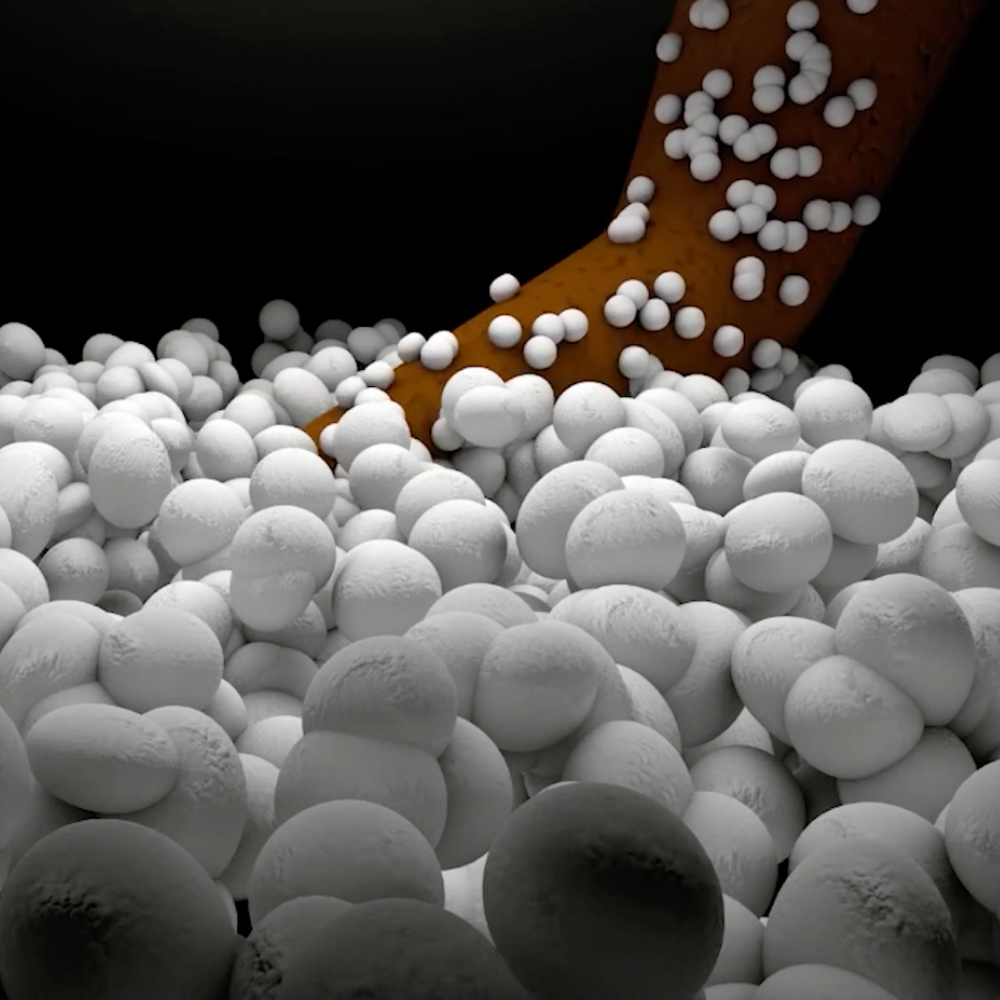
Aprehend’s active ingredient consists of spores of the entomopathogenic fungus Beauveria bassiana suspended in a proprietary oil formulation. When applied, the oil-based matrix adheres to treated surfaces, forming a thin residue that preserves spore viability even in low humidity conditions—levels often below 20% relative humidity. The formulation is designed so that the fungal spores remain dormant on surfaces until they come into contact with a bed bug. Upon direct contact with a bed bug’s cuticle, the physical presence of insect moisture and the microenvironment around the insect trigger the transition from dormancy to active germination.
Once activated, the spores attach firmly to the insect’s outer layer. They employ a suite of enzymes such as proteases, chitinases, and lipases to weaken and gradually break down the insect’s cuticle. This enzymatic degradation is not instantaneous; it is governed by internal signaling pathways that respond to cues such as temperature, pH changes, and moisture levels introduced by the target insect. As the spore germinates, it produces hyphae that begin to proliferate within the insect’s body. The hyphal growth eventually invades internal tissues, impairing vital physiological processes and leading to the insect’s eventual death over a period that may span several days to a couple of weeks, depending on environmental conditions and the amount of inoculum transferred.
Laboratory observations have demonstrated that the oil formulation contributes notably to the controlled, delayed activation of the spores. The design minimizes premature energy depletion because the spores do not activate until conditions are favorable for infection. This phenomenon is consistent with research findings that indicate an improved residual effect when the spores remain quiescent on surfaces until bed bug contact occurs. In studies documented on Aprehend’s website, treated fabric surfaces have recorded near 100% mortality within one week under controlled conditions. Likewise, a PMC report describes similar observations, noting that the innovative combination of oil-based suspension with fungal spores results in a sustained infection process that may help in overcoming some forms of resistance observed in direct chemical treatments. The spore’s adhesion properties, facilitated by the oil, and the subsequent enzyme-mediated breakdown of the insect cuticle form the basis of this infection mechanism, which represents a distinct mode of action compared to conventional insecticides.
The process by which the spores evade the insect’s surface defenses involves specialized proteins on the spore’s surface that enhance adhesion. Once the spores adhere, the microenvironment provided by the oil measure helps shield them from environmental stresses such as ultraviolet radiation and desiccation. This protection ensures that the spores are not inadvertently activated by non-target stimuli, further enhancing their longevity on treated surfaces. Detailed investigations into the biochemical pathways have shown that the spore germination process is initiated only when the immediate chemical surroundings are altered by contact with the insect. This precisely timed activation means that the biological agent is preserved until it is needed, adding a layer of reliability to the product’s operation in diverse field conditions.
In essence, the mechanism operates on the principle of strategic dormancy. The oil-based matrix acts as both a preservative and a facilitator, ensuring that the fungal spores can await infestation events for extended periods. When a bed bug encounters a treated surface, minute quantities of moisture and the physical pressure of contact cause a shift in the spore’s state, leading to an orchestrated release of hydrolytic enzymes that breach the insect’s natural barriers. This series of events, from adhesion through germination to internal colonization, constitutes the complete infectious cycle of the fungus against bed bugs. The design minimizes unnecessary activation and thereby optimizes the use of these biological agents throughout the residual period following application.
Formulation Characteristics and Sustained Efficacy
The formulation of Aprehend is a sophisticated oil-based blend that is designed for ready-to-use application. The specific blend of oils in the product creates an environment that not only anchors the fungal spores to various substrates but also provides a controlled microenvironment that supports prolonged spore viability. By preventing premature germination, this formulation extends the period during which the product remains active on treated surfaces—a property that has been observed to last for up to three months under optimal conditions.
When applied, the formulation spreads uniformly across the treated surface, whether the surface is a fabric, such as in mattress seams and upholstery, or a harder substrate like wood. On fabric surfaces, the oil enables a more consistent deposition of spores, often resulting in nearly 100% bed bug mortality within one week of treatment, as reported in controlled field tests. On wood surfaces, although the porous nature of the substrate can lead to slightly lower immediate mortality rates—often showing figures around 83% up to seven weeks post-treatment—the formulation still delivers an acceptable performance if periodic reapplications are carried out.
The engineered viscosity of the oil-based formulation facilitates optimal adhesion to surfaces while maintaining enough fluidity to cover rough or uneven areas. This ensures that the spores are not simply deposited in clumps that might be ineffective, but rather disperse in a manner that maximizes contact with any bed bug traversing the area. The sustained release mechanism inherent in the formulation allows for a gradual interaction between the spores and the insects. This slow-release behavior is attributed to the controlled migration of the fungal spores from the oil matrix to the surface—a process that continues over weeks, thereby ensuring an extended period of efficacy.
Moreover, the formulation is designed to be applied with a specialized low-volume spray gun, which guarantees that the product is delivered in a consistent, thin layer without overspray or excessive buildup. The precision of the delivery system is critical in achieving an even distribution that, in turn, supports sustained performance. Uniform application contributes to the product’s long residual activity by preventing both underapplication (which could lead to patchy treatment and survival of bed bugs) and overapplication (which might unnecessarily saturate the area, potentially leading to faster degradation of the active spores).
Aprehend’s formulation properties are further highlighted by compatibility across a range of commonly encountered surfaces. For example, on non-porous surfaces such as metal or plastic, while the oil may not ‘bond’ as strongly as it does with fabric, sufficient residue is still maintained for later contact. In contrast, on porous materials like wood or heavily upholstered furniture, the formulation penetrates superficial layers, creating a reservoir of spores that remains accessible to bed bugs over an extended period. Such versatility in performance speaks to the adaptability of the product in different operational environments.
The design of the oil formula is grounded in the principles of controlled microenvironmental engineering. The lipophilic nature of the vehicle sustains spore integrity by minimizing exposure to environmental factors that might otherwise accelerate degradation. The controlled release characteristic ensures that spores are gradually exposed in a manner that is synchronized with bed bug movement patterns. This synergy between formulation science and practical pest management is one of the hallmarks of the product’s sustained efficacy. Such formulation attributes have guided field implementations and laboratory simulations alike, confirming that the oil matrix plays an integral role in the performance of the biopesticide.
For those seeking additional context on integrated treatment options, the Bed Bug Pest Control page offers further insights into application strategies that complement the use of biopesticides like Aprehend. This internal resource emphasizes the diverse approaches that modern pest management professionals employ to address infestations in various settings.
In controlled studies, the residual efficacy reached impressive figures on smooth and homogeneous surfaces, reflecting the consistent distribution of the fungal spores within the oil medium. Field data indicate that the product’s performance remains reliable even when environmental conditions fluctuate, a feature attributable partly to the robust nature of the oil formulation. The stability of this formulation is such that even after several weeks, a significant percentage of the initial spore population continues to be viable, thereby ensuring that any bed bug contacting the surface is likely to encounter an effective dose of the fungal agent.
The inherent physical properties of the formulation, such as its low volatility and high adhesion, mean that the active ingredients are not easily dislodged by routine activities or minor disturbances in treated areas. As a result, the product provides an extended window of residual activity that aligns well with long-term pest management strategies. The extended residual effect is not solely a function of spore longevity; it is also a consequence of the formulation’s capacity to withstand environmental variables such as light and temperature without a rapid decline in performance. This formulation strategy delivers a balanced approach where the biological agent and the carrier matrix work in tandem to establish a lasting suppression of bed bug populations.
Safety, Environmental, and Application Considerations
Aprehend’s safety profile has been determined through extensive laboratory studies and field evaluations. The product’s active ingredient, Beauveria bassiana, is a naturally occurring fungus with a history of use in biological pest management. Its mode of action is largely confined to insect targets, with documented specificity that results in minimal risk to humans, pets, and non-target organisms. The product is designed for use by licensed pest management professionals who have received comprehensive training in its safe handling, application, and disposal.
The oil-based nature of the formulation plays a significant role in enhancing the overall safety of the product. The oil acts as a barrier that limits the dispersion of spores into the surrounding environment, reducing the potential for accidental inhalation. The delivery system, which involves a specialized low-volume spray gun, further supports operator safety by ensuring that the formulation is applied precisely to target areas. This precision in application minimizes the possibility of overspray and off-target deposition, which are common concerns when using conventional chemical insecticides. Field observations have consistently shown that when Aprehend is applied in accordance with recommended guidelines, the concentration of airborne spores remains very low.
Quantitative evaluations conducted under controlled conditions have demonstrated that treated fabric surfaces yield high rates of bed bug mortality—often exceeding 95% within the first week—while also maintaining significant residual activity on more varied substrates such as wood. These performance metrics have not been accompanied by incidences of adverse reactions among treated occupants, which supports the product’s favorable safety record. In addition, studies indicate that the concentrations of fungal spores in the ambient air following application are negligible, a result that speaks to the product’s low risk of respiratory exposure in occupied environments.
A comprehensive safety assessment of Aprehend encompasses several dimensions, including operator training, application procedures, and the environmental fate of the fungal spores after application. Operators are provided with detailed instructions on the appropriate use of personal protective equipment when handling and applying the product. These protocols emphasize the importance of wearing gloves and masks to further reduce any potential exposure, even though the risk associated with the product is inherently low. The application process is designed such that treated areas are clearly demarcated, allowing for focused treatment that minimizes unintended exposure of non-target areas.
The environmental interactions of the applied product are equally important. Once applied, the oil-based formulation adheres to surfaces, forming a durable layer that gradually degrades over time. Natural processes, including microbial activity and ultraviolet exposure, contribute to the breakdown of the fungal spores. This biodegradability is a deliberate feature of the product, ensuring that no persistent residues accumulate in the environment. Studies have confirmed that, over time, the residual spores are fully assimilated into the natural microbial communities, ultimately becoming part of the local organic matter. These environmental degradation processes align with best practices in sustainable pest management and reduce any long-term ecological impact.
The specificity of Beauveria bassiana for insect hosts is central to the product’s safety profile. Research has shown that the fungus rarely infects vertebrates, and any contact with treated surfaces does not translate into adverse health effects when used as directed. The product’s mode of action, which relies on a gradual infection process rather than immediate systemic toxicity, is in contrast to many conventional insecticides that exert rapid neurotoxic effects. This mode of operation decreases the likelihood of acute poisoning incidents or long-term health complications among non-target species. The available safety data, which have been rigorously reviewed as part of the product registration process, provide a robust foundation for confident use by certified professionals.
The following table presents a comparative overview of the formulation’s attributes with respect to its infection mechanism and its safety and environmental considerations:
| Attribute | Mechanism of Action | Safety & Environmental Profile |
|---|---|---|
| Operating Principle | Fungal spores adhere to surfaces in an oil-based matrix and activate upon contact with bed bugs | Specificity to target insects minimizes risk to non-target organisms and humans |
| Residual Duration | Remains active on surfaces for up to three months under optimal conditions | Natural degradation processes ensure that residual spores do not persist in the environment |
| Application Method | Delivered via specialist low-volume spray equipment providing a uniform treatment layer | Specialized application equipment reduces off-target drift and minimizes operator exposure |
| Risk to Non-targets | Mode of action based on infection process rather than rapid chemical toxicity | Low toxicity to mammals and non-target species with proper application practices |
| Environmental Impact | Spores gradually decrease in viability over time, aligned with natural cycles | Biodegradable components integrate into local ecological systems without accumulating pollutants |
The table encapsulates how the operational mechanism of Aprehend and its environmental safety considerations are integrated into the overall design of the product. Each attribute is structured to ensure that while the fungus effectively manages bed bug populations through a natural infection process, it simultaneously minimizes any safety or ecological risk. The controlled release and adherence properties not only enable consistent pest control but also ensure that the formulation does not result in excessive environmental loading of active components.
Pest management professionals are required to undergo training that covers not just the technical handling of the product but also detailed guidelines on storage, application, and post-treatment monitoring. In practice, training sessions emphasize the proper use of personal protective equipment and the importance of applying the formulation only in designated target areas. For additional information on practical application strategies and complementary treatment techniques, interested professionals may refer to the Bed Bug Pest Control resource.
Field evaluations have also indicated that the product’s safety is maintained even in scenarios where residual chemical insecticides might have been applied previously. Investigations into interactions between different treatment residues have revealed no significant detrimental impact on the spore viability or the infection process. Instead, the oil-based formulation appears to provide a protective barrier that allows the fungal spores to remain active despite the presence of other agents. This behavior has been confirmed in controlled experiments where treated surfaces were monitored over extended periods—observations that reinforce the product’s compatibility with environments that have undergone multiple pest management interventions.
Observations across various climatic regions confirm that the formulation’s stability is sustained even under fluctuating temperatures and ambient humidity levels. Although extreme environmental conditions can affect the speed of fungal germination, the overall residual efficacy remains within acceptable operational parameters. In many cases, even when the full activation of the fungal spores is delayed by environmental factors, the sustained presence of viable spores ensures that bed bugs eventually come into contact with an active dose. These findings underscore the robustness of the application protocol and support the integration of Aprehend into broad-scale pest management plans.
The implementation of Aprehend is designed to complement integrated pest management methodologies. Unlike conventional rapidly acting chemical treatments, the slower-developing biological infection process reflects a balanced approach that aligns with long-term population management. While immediate knockdown of bed bugs may not be observed, the gradual reduction in pest numbers over time contributes to overall infestation control. This measured response is consistent with the nature of biopesticide interventions and has been borne out by numerous field trials that document both efficacy and a favorable safety profile over an extended treatment period.
Finally, extensive documentation provided with the product—including safety data sheets, user manuals, and detailed application protocols—ensures that all users are well informed about the product’s properties. These documents offer clear guidelines on optimal storage conditions, protective measures during application, and proper disposal methods for unused material. The adherence to these protocols by licensed operators further reinforces the overall safety profile of Aprehend, making it a well-rounded choice within modern pest management practices.
In summary, the integration of a carefully engineered oil matrix with fungal spores in Aprehend delivers a sustained, biologically based mechanism of action that not only effectively manages bed bug populations but also adheres to stringent safety and environmental standards. The understanding of its infection process, formulation characteristics, and application protocols provides a comprehensive picture that supports its use as part of a broader, environmentally considerate pest management strategy.
Assessment-Based Pest Management (APM) and Strategic Barrier Placement for Bed Bugs
Systematic Field Evaluation and Infestation Mapping
The assessment-based approach begins with a comprehensive evaluation of the infested environment. Field evaluation involves a detailed inspection where technicians record quantitative data regarding bed bug activity, distribution, and the characteristics of harborages. Practitioners begin by surveying the layout of a residence or commercial property, methodically noting areas where bed bug activity is observed. This evaluation is conducted by closely examining furniture seams, crevices, wall junctions, and floor coverings. Observations such as the presence of shed exoskeletons, small blood spots, and interceptor readings help to build a data-driven picture of the infestation. The process strives to identify corridors of movement, areas hosting concentrated bed bug populations, and exits from established harborages.
This method relies on both visual inspection and the use of monitoring devices. For example, interceptors placed under bed legs or along furniture often reveal not only the density of the infestation but also the frequently used travel routes. The collected data is then used to create a spatial map of bed bug distribution. Mapping these details ensures that the subsequent treatment plan is focused and proportional to the measured problem areas. The evaluation incorporates routine follow-up checks that record numerical changes in the infestation level. Such measured data support the decision on when and where to apply treatment bars with Apprehend. The approach differs from traditional methods in that repeated inspections are driven by numerical evidence rather than predetermined schedules.
Technicians analyze factors such as the spatial pattern of bed bug sightings and the density of infestations in various parts of a room. This information supports widely accepted practices that favor a data-driven process and minimize unnecessary applications. The mapping stage also documents potential obstructions, cluttered areas, and points of entry that might contribute to bed bug movement within a space. The careful record of these factors assists in the precise configuration of barriers later in the process. The field evaluation protocol is discussed in detail within guidance documents such as the PMRA Guidance Document, providing additional background on the methodologies used in pest management evaluations.
In practice, thorough assessments may reveal that for many sites the infestation can be managed with a single visit followed by a 30-day inspection, a trend noted in various field implementations. The measured inspection data contributes to a framework where interventions are based on observed bed bug behavior rather than broad-spectrum applications. This technique is integrated with regulatory standards and industry training, and further reading on similar evaluation practices is available on the Bed Bug Pest Control page.
Precision in Strategic Barrier Configuration
When the mapping of an infestation is complete, practitioners move on to configuring targeted barrier placements. The strategic placement of barriers using Apprehend involves applying narrow treatment lines along identified travel corridors. This method is distinct from fogging or broad-area spraying because it relies on drawing precise lines that bed bugs are likely to cross as they transition between harborages and feeding sites.
The configuration process is guided by the data collected during the systematic field evaluation. Practitioners use the information about the density and distribution of bed bugs to determine where to establish barriers. For instance, areas around bed frames, along baseboards, and near door frames are often prioritized. The strategy is structured so that the Apprehend formulation is applied in narrow 2-inch barriers, a technique that enhances the probability of contact during bed bug movement without overusing the product.
A noteworthy aspect of this method is the controlled distribution of the active formulation. The treatment is designed to remain on surfaces in a thin, adherent residue that bed bugs pick up as they traverse these treated lines. The technique helps to limit the spread of the infestation by progressively reducing the population as they encounter the fungal spores. In field applications, reports indicate that many infestations respond to this strategic barrier placement with noticeable reductions in bed bug activity, sometimes achieving over 95% mortality within approximately one week. Documentation from training modules such as those available in the Aprehend Training videos illustrates the step-by-step flow of setting up these barriers based on movement patterns recorded during the initial assessment.
A concise comparison table can illustrate the differences between the targeted barrier approach and traditional spray treatments:
| Parameter | Strategic Barrier Application | Conventional Spray Treatment |
|---|---|---|
| Visit Frequency | Typically one focused visit plus a 30-day follow-up | Two or more routine visits |
| Product Distribution | Narrow, data-driven barrier lines | Broad, area-wide coverage |
| Focus of Application | Specific corridors determined by field mapping | General treatment of suspected infested areas |
| Recorded Impact | High localized reduction in bed bug counts observed | Variable reduction with potential for missed pockets |
This table outlines the key operational differences: the barrier method directs the product where bed bugs are most active, while conventional treatments tend to cover larger areas. The strategic barrier configuration is based on precise measurements and spatial mapping rather than an approximate distribution of pesticides. Avoiding excessive application in low-activity zones prevents wasted resources and optimizes the impact in high-traffic areas. This differentiates the barrier approach from previous sections that covered the formulation’s retention and spore activation, focusing solely on the practical aspects of application based on field data.
The technical setup for applying these barriers requires specialized equipment. A low-volume spray system is adjusted to deposit a consistent, narrow line of Apprehend, ensuring that the application is both efficient and reproducible. During the application process, the technician must carefully calibrate the spray gun to maintain uniform barrier width and continuity, thereby reducing the likelihood of gaps that could allow bed bugs to circumvent the treated zone. The precise nature of these operations is well illustrated in industry training material and supports the overall strategy of using data-driven placement to manage infestations.
Implementation and Continuous Monitoring in Field Applications
Once barriers are applied based on the assessed data, the implementation phase transitions to ongoing monitoring and adjusted management. Post-application procedures include scheduled follow-up inspections to record any residual bed bug activity. These inspections should occur at intervals planned during the initial assessment—often a follow-up at around 30 days. During these visits, technicians visually inspect treated areas, re-deploy interceptors if necessary, and document any shifts in bed bug behavior or population density.
Monitoring after the application of Apprehend is conducted with a focus on measuring the effectiveness of the strategically placed barriers. Field personnel record the number of bed bugs observed in areas adjacent to the treatment lines and note any changes in the spatial distribution. This monitoring is integrated with continued assessments that make use of observational data; a record is kept of the size of affected infestations and any new areas that may have become active. This adaptive process ensures a feedback loop where treatment strategies are refined based on observed outcomes. Such systematic follow-ups also help determine if any additional barrier applications are required or if further structural interventions, such as reducing clutter or sealing entry points, need to be implemented.
The verification stage of the process involves quantitative measurements. For example, technicians may compare the number of bed bugs caught in interceptors and observed on treated surfaces over time. If records indicate a steady decline in population density, the treatment plan is maintained. However, if bed bug activity persists or an unexpected concentration of individuals is found, this may indicate the presence of untreated corridors or gaps in the barrier line. In these cases, additional targeted applications may be considered. The continuous monitoring strategy works by reinforcing the treatment cycle with real-time data, which drives any necessary adjustments in barrier configuration.
The iterative monitoring process is complemented by detailed record-keeping. Documentation includes chain-of-custody records for methods employed, data on observed bed bug counts at each inspection, and the spatial areas where treatment may need to be refined. This approach helps to maintain a clear picture of the treatment’s progress over time and allows the pest management professional to make informed decisions about reapplication or the integration of nonchemical tactics. Such techniques ensure the treatment remains aligned with the original data derived from the field assessment phase.
Throughout the duration of the management process, the treatment data is compared with entries from initial assessments to gauge the progress and to identify any emerging areas of concern. Changes in the infestation pattern are noted with an emphasis on documenting both successes and areas showing sustained activity. This iterative process serves to continuously adapt the treatment strategy. Field technicians update maps and records following each subsequent visit, which then guide any necessary adjustments in the placement or density of the strategic barriers.
The monitoring stage also encompasses an evaluation of environmental conditions and the possible impact of external factors. For example, seasonal changes, variations in humidity or temperature, and the movement of residents can influence the persistence of bed bug populations. Field evaluations are therefore designed to capture these variabilities, ensuring that the treatment plan is sufficiently flexible. The adoption of this adaptive management approach minimizes the likelihood of reinfestation and supports a more measured application strategy over time.
In many applications, systematic monitoring has revealed that when assessment-based management is implemented with strategic barrier placement, the population figures recorded after a 30-day period show marked declines. Field reports indicate that this method can result in a significant reduction in bed bug numbers compared to earlier, less targeted approaches. Continuous monitoring not only validates the initial assessment but also provides an opportunity to refine ongoing treatment measures. Such documentation is central to long-term data-driven pest management, and practitioners often refer to detailed treatment records as a basis for future interventions.
The integration of continuous monitoring with strategic barrier placement offers a measurable path for iterative improvements without repeating information already covered in earlier sections. By aligning each new inspection cycle with the quantified assessment from the first visit, pest management professionals ensure that each step is supported by meaningful data. This approach underlines the value of using a systematic, observation-driven method without reverting to more generalized treatment tactics.
In summary, the implementation phase relies on a combination of precise barrier configuration and active follow-up to maintain control over bed bug populations. The overall process—from systematic evaluation and mapping to strategic barrier placement and continued monitoring—is designed to maximize the efficiency of Apprehend applications while using carefully documented data to drive ongoing treatment decisions. This methodology represents a coherent, data-guided approach that distinguishes itself from previous content on formulation properties and safety measures by focusing on field tactics and adaptive management based on continuous feedback.
Proper Application Techniques and Equipment Usage
Equipment Preparation and Setup
Before beginning any Apprehend treatment for bed bugs, the equipment must be thoroughly inspected, prepared, and set up to ensure that the application process runs smoothly. Unlike previous reports that focused on understanding the mechanism of action and mapping infestation areas, this section focuses solely on the preparatory and configuration procedures for the equipment used in applying Apprehend. When preparing your application equipment, you should start by verifying that all components are free from residual deposits from past applications. Washing the mixing tanks, hoses, and spray nozzles is recommended to prevent any interference with the chemical’s performance. The procedure begins with a careful assessment of every part of the sprayer system as even minor blockages or leaks can lead to uneven coverage.
The equipment commonly used for Apprehend treatments is a low-volume, precision spray system. This type of sprayer allows for targeted deposition of the product on surfaces where bed bugs typically harbor. It is important to note that even though similar calibration topics have been mentioned in relation to barrier applications, the emphasis here is on verifying that the equipment is in proper working order solely in the context of applying an insecticidal treatment. This section does not address the strategic placement of barriers but instead concentrates on the proper functioning of the applicator.
Prior to mixing the product, the technician should inspect the spray unit for wear and tear and verify that all connections—such as pressure gauges, hoses, and valves—are secure and leak-free. This precaution minimizes the risk of accidental drips or spills during the mixing and application phases. It is advisable to follow the manufacturer’s guidelines provided on the product label and verify that all recommended safety measures are being observed. For instance, if you encounter any inconsistencies between your equipment settings and the manufacturer’s instructions detailed in the pesticide application guidelines, it is prudent to recalibrate or repair your unit before proceeding.
A vital aspect of preparing the equipment is ensuring that all moving and static parts are adapted to deliver a uniform spray. This is accomplished by confirming that the pump is operating at the proper pressure and that the nozzles produce a consistent droplet size. The droplet size directly affects the distribution of Apprehend on target surfaces and can influence product performance. An incorrect droplet size may result in insufficient coverage or excessive drift. It is therefore important to set the nozzle pressure and the flow rate exactly as recommended by the product guidelines and standards from Health Canada regulatory standards.
Moreover, before mixing the formulation, the technician should conduct a preliminary test run using water to observe the consistency and uniformity of the spray pattern. This water test acts as a rehearsal of the actual treatment process and ensures that the application device is distributing liquid as intended. Adjustments to the spray angle, nozzle spacing, and boom height can further enhance the performance of the apparatus. For additional insights related to pest treatment equipment, one may refer to the recommendations on Bed Bug Pest Control.
To consolidate the process, consider the following concise table that summarizes the key components of equipment preparation and their recommended checks:
| Equipment Component | Recommended Adjustment or Check | Notes on Procedure |
|---|---|---|
| Mixing Tank | Thorough cleaning; secure lid in place | Clean to avoid residue carryover |
| Hoses and Connections | Inspect for leaks and ensure secure connections | Replace worn hoses to maintain consistent flow |
| Spray Nozzles | Calibrate for uniform droplet size | Adjust based on manufacturer guidelines |
| Pressure Gauges | Verify pressure readings match specifications | Ensures proper pump performance |
| Pump and Valves | Test for smooth operation without fluctuation | Perform maintenance if irregular pressures are noted |
The table above provides a practical overview of the checks necessary for each component. While previous subtopic reports have emphasized barrier placement and mapping, the current focus is squarely on equipment readiness. Even subtle deviations in pressure or flow rate can lead to variations in how Apprehend is presented to the treated surfaces. These variations may, in turn, compromise the treatment effectiveness, as areas of low deposition could allow bed bugs to remain active.
After completing the equipment checks, it is necessary to document all settings and observed conditions. A record of the equipment setup is useful not only for ongoing quality assurance but also for troubleshooting any issues that may arise during field application. Monitoring these parameters provides a basis for comparison in later troubleshooting steps and helps confirm that the equipment performs within the recommended tolerances during subsequent treatments.
Finally, blending the Apprehend formulation should be conducted in a controlled manner. The mixing should occur in an environment where accidental spillage is prevented, and an immediate cleanup is possible. Maintaining a clean work area is part of the routine procedure and also minimizes the risk of inadvertent exposure to the product. In summary, ensuring that all equipment is properly prepared and adjusted permits an efficient and consistent treatment application—a fundamental aspect distinct from the barrier configuration and fungal activation processes discussed earlier.
Step-by-Step Field Application Procedural Guide
Following the detailed equipment preparation, the next phase involves implementing a step-by-step procedure to apply Apprehend accurately over the target areas. This section outlines a sequential guide that differs from the previous focus on strategic barrier configuration; here the focus is on the operative procedures in the field with an emphasis on systematic application techniques.
The field application process begins with a preliminary site survey to confirm that no unapproved materials or obstructions are present. This survey is not intended to map the infestation, as that aspect has been covered in earlier reports, but rather to ensure that the physical environment is appropriate for the application. After verifying that the area is clear, the operator prepares to mix the pesticide at the appropriate concentration as adhering strictly to the product label recommendations. The mixing must occur in a designated area where spill containment measures are in place, and standard operating practices for chemical handling are followed.
Once the product is properly mixed, the technician starts the application by positioning the sprayer at the predetermined starting point. The operator should engage the low-volume spray system by turning on the pump and setting the desired pressure. It is important to observe the initial water test results carried out during equipment preparation to ensure consistency. The operator should then begin moving along the treatment zone in a systematic pattern, ensuring that the spray passes overlap slightly to guarantee even deposition. The movement should be steady and consistent; any sudden changes in speed or direction could lead to an uneven application of Apprehend. The emphasis here is on a deliberate, methodical pass across each area rather than rapid or haphazard spraying.
During the application, the operator must continuously monitor both the equipment parameters and the treated surfaces. An in-field visual check for uniform coverage is advisable. Operators are encouraged to use their observations to adjust the spray angle or speed as required. For example, if areas near baseboards or along wall edges do not exhibit the desired coverage, the operator may need to adjust the nozzle’s orientation on the fly. This on-site adaptation contrasts with the standardized calibration procedures that are part of the pre-treatment process and highlights that field conditions may require minor real-time adjustments.
In addition, it is also necessary to pause briefly at predetermined endpoints to ensure that the treatment is seamless from one section to another. Spatial overlap is maintained by ensuring that each swath of the spray meets the next without leaving untreated gaps. The predetermined distance between passes plays a critical role here; operators must refer to the calibrated system settings that specify the correct spacing to ensure that all potential harborages for bed bugs are treated uniformly.
Weather conditions, particularly ambient temperature and wind speed, are also factors that affect proper application. Performing an application when wind speeds are moderate helps to minimize off-target movement of the spray. The field operator should be alert to the possibility of drift and be ready to adjust positioning or even delay the application if adverse conditions are detected. Furthermore, during application, it is advisable to work in cycles rather than completing the entire job in one continuous pass. This intermittent approach gives the equipment a brief recovery period and allows the operator to reassess coverage regularly.
After the treatment is complete, the technician should document the progress by noting any anomalies, such as areas with unusual spray density or variable equipment performance. These notes are useful for refining future applications and serve as a reference for any troubleshooting that may be needed later. The documentation should include precise information about the application speed, nozzle settings, environmental conditions, and any on-site adjustments made during the process.
A systematic review of the application process may be summarized by the following table elements, though presented here as a narrative sequence rather than a bullet list: Initially, the technician conducts a site survey and clears the treatment area; then, the pesticide is mixed in an area with spill control measures. After that, the sprayer is activated at the calibrated pressure, and the operator moves through the designated area in overlapping passes. Continuous monitoring during application and documenting observations afterward form an integral part of the process. These sequential steps help ensure that the application is consistent, regardless of minor environmental variations that can occur during treatment.
By following this detailed field application procedural guide, the operator can achieve a uniform distribution of Apprehend while minimizing potential application errors. Adjustments made in real time help to further tailor treatment to the unique topography and condition of the treated area. Although the technical precision of the spray system has been emphasized in treatment planning elsewhere, this section uniquely focuses on the practical, step-by-step approach to applying the product in the field.
Troubleshooting and Equipment Calibration Adjustments
Even with thorough preparation and careful execution, deviations from the optimal application may occasionally occur. This section addresses troubleshooting techniques and calibration adjustments specific to the operational phase of Apprehend treatments. Unlike the earlier discussion on barrier configuration and strategic placement, which focused on macro-level planning and evaluation, this part zeroes in on addressing equipment-related challenges and the necessary adjustments that occur during or immediately after application.
One commonly encountered problem is a reduction in spray output consistency. When the delivered spray quotient deviates from the expected range, the first step is to observe the liquid flow at the nozzle. Often, a reduction in output may be attributed to partial obstructions or sediment buildup within the sprayer components. In such cases, the operator should halt the treatment and conduct a visual and manual inspection of the nozzles, hoses, and filters. If a clog is detected, it should be cleared using appropriate cleaning techniques. Subsequently, a brief test run with water can establish whether the issue has been resolved before resuming the application.
Another issue that may present itself is an uneven distribution pattern. This can be observed as streaks or isolated spots that appear under- or over-treated. Uneven coverage might result from variations in nozzle orientation, changes in equipment speed, or even a misalignment in the spray boom. For such discrepancies, the operator should recheck the calibration before continuing and make necessary adjustments to the spray system. It is advisable to measure the actual flow rate against the expected settings. Any deviation outside the acceptable tolerance range indicates that recalibration is in order. Even though calibration procedures for adjusting equipment have been referenced in previous sections regarding equipment setup, it is important to note here that troubleshooting in-field deviations requires a dynamic and rapid response.
In addition to mechanical checks, environmental factors are evaluated as potential causes of discrepancies in spray deposition. Wind conditions, in particular, can influence the droplet dispersion and may lead to noticeable drift that disrupts the intended treatment pattern. If the operator notes that the drift is higher than anticipated, it is advisable to pause the operation until conditions stabilize, or to adjust the travel speed accordingly. While the guidelines from regulatory bodies on pesticide application offer parameters for wind speed thresholds, in-field troubleshooting depends on direct observation and experience. Therefore, operators should always be vigilant and ready to suspend application if environmental conditions impede accurate delivery.
During ongoing treatments, it is helpful to perform intermittent spot checks. These involve pausing at designated intervals to examine both the equipment output and the treated surfaces. Such checks help confirm that adjustments made during the early stages of the operation remain effective throughout the entire treatment area. When performing these evaluations, trusting the calibrated settings from the pre-treatment checks is a good starting point; however, real-time adjustments can be made based on emerging conditions or equipment behavior. One may also note that documenting these in-field observations is a best practice that complements the overall quality assurance plan.
If equipment adjustments have already been made during the application and uniformity is still not achieved, it might be necessary to consult the manufacturer’s manual for more detailed guidance on recalibration procedures specific to the model in use. In some cases, certain components may have begun to experience wear that is not immediately obvious during routine checks. For instance, minor imperfections in nozzle tips or slight misalignments in the spray boom may only become apparent over extended periods of operation. The operator should therefore incorporate periodic preventative maintenance checks into the post-treatment routine. These checks ensure that equipment remains in optimal condition for subsequent treatments and help identify potential issues before they impact performance.
Operators are also advised to consider the impact of the pesticide formulation itself on equipment performance. Since Apprehend comprises a fungal spore-based component, residue buildup from repeated application can sometimes alter the fluid dynamics within the system. A careful cleaning regimen after each treatment can mitigate these effects. During troubleshooting, if the system consistently shows signs of residue buildup, the technician may consider using a designated cleaning solution as recommended by the product manufacturer.
A methodical approach to troubleshooting may be illustrated by a scenario in which the spray output begins to fall off during extended application periods. The operator might first notice that the treated surfaces display patchy coverage. Rather than proceeding further, the operator ceases application and conducts a detailed inspection of the output at multiple nozzle points. Finding that one set of nozzles delivers lower volumes than others, the technician then performs an in-field cleaning on that set and tests for uniform flow using a standardized measurement period. Should inconsistencies persist, the affected nozzles might be recalibrated or replaced altogether. This procedure, while conceptually similar to pre-treatment calibration, is differentiated by its reactive nature and its direct correlation with observed field performance during active application.
In addition to addressing mechanical issues, troubleshooting may also involve adjusting operational tactics. For example, if the operator discerns that even a perfectly calibrated sprayer is yielding uneven results due to variable substrate conditions, it might be necessary to alter the treatment speed or the angle of application. Such adjustments are determined empirically based on the feedback received during intermittent checks. When modifications are made, it is advisable to document the new settings so that any future treatments in similar environments can benefit from this real-time adaptive process.
Another critical component of troubleshooting is maintaining comprehensive logs and records. Documentation should include details such as the ambient conditions during treatment, the initial equipment settings, any observed anomalies, and the corrective actions taken. This record-keeping process not only helps in tracking the equipment’s performance over time but also serves as a reference for future troubleshooting sessions. In instances where similar issues arise across multiple treatments, the accumulated data can be invaluable in diagnosing systemic problems or identifying trends that require longer-term equipment modifications or maintenance schedules.
When reviewing the troubleshooting and calibration aspects, it is apparent that this section’s focus is distinct from those discussed in earlier subtopic reports. While previous content addressed the strategic placement of barriers and the biological activity of the fungal component in Apprehend, the current discussion is entirely dedicated to ensuring that the application equipment maintains consistent performance throughout the treatment process. By carefully observing, correcting, and documenting any anomalies that occur during field application, operators can maintain treatment integrity and optimize the performance of the product.
In summary, during the active use of Apprehend for bed bug treatments, maintaining a proactive stance on troubleshooting and recalibration forms a necessary part of the operational procedure. This step-by-step diagnostic approach, combined with real-time adjustments to both equipment and technique, ensures that any deviations from optimal performance are swiftly addressed. It is important that these observations and adjustments are integrated into a continuous improvement process—one that builds on documented experiences and aligns with both the manufacturer’s recommendations and established Health Canada regulatory standards.
Case Studies, Cost-Effectiveness, and Practical Field Applications
Field Trials and Comparative Performance Analysis
Extensive field evaluations of Apprehend in bed bug management have been performed across a variety of settings, enabling practitioners to compare its performance with that of conventional insecticide treatments. In one series of trials, operators assessed the product’s ability to reduce bed bug populations in residential apartments, multiunit dwellings, and commercial settings. Field data were collected by monitoring infestation levels prior to treatment and then at predetermined intervals after application, a method that produced quantifiable measures of bed bug reduction over several weeks. Measurements included the percentage drop in observed bed bug counts, the interval before re-infestation became noticeable, and adjustments in the frequency of re-treatments. Several operators noted reductions ranging from approximately 40 percent to 65 percent in various environments within a week following the initial application. These figures were derived from systematic assessments that involved visual inspections, trap counts, and in some cases, quantitative sampling.
Operators discovered that in residential settings, the fungal action of Apprehend was marked by a gradual but sustained decline of bed bug populations. In multiunit dwellings, the interconnected nature of infestations necessitated a broader approach, yet similar trends in reduction were detected. Commercial establishments such as small hotels reported a noticeable decrease in bed bug sightings after a single treatment. An interesting observation across multiple studies was the extension in re-treatment intervals compared to standard chemical insecticides. Many operators found that re-application of traditional insecticides was required every two to three weeks, whereas use of Apprehend could delay subsequent treatments for as long as eight to twelve weeks under favorable environmental conditions.
A detailed comparative table was developed based on these field trials to support ongoing decision-making processes. The table summarizes typical performance metrics across four distinct application environments. It presents the average reduction in bed bug populations, the recommended re-treatment interval, and qualitative notes on cost benefits observed during the trial period. The table was compiled by field researchers over several months of data collection and was instrumental in evaluating the practical impact of Apprehend when integrated with conventional bed bug management practices.
| Environment | Bed Bug Reduction (%) | Re-treatment Interval (weeks) | Cost Benefits Observed |
|---|---|---|---|
| Residential | 50 | 8 | Moderate reduction in labor and material costs due to extended residual activity |
| Multiunit Dwellings | 55 | 10 | Higher cost savings from decreased need for repeated visits |
| Hotel Establishments | 60 | 12 | Reduced disruption and lower operational costs from fewer interventions |
| Commercial Institutions | 45 | 6 | Moderate savings; often combined with complementary practices |
The performance characteristics reflected in the table suggest that while inherent environmental differences affect treatment outcomes, the overall trend consistently favors the use of Apprehend as a means to extend treatment intervals and limit secondary infestations. In residential cases, operators credited the product’s sustained action to its unique mode of action, which involves fungal spore activation leading to a slow, yet persistent decline in pest activity. This contrasts with conventional products that offer rapid knockdown but require frequent follow-up treatments to prevent re-infestations. These findings were validated by discussions in industry forums and paired with ongoing lessons from other pest control methodologies featured on PCT Online and further illustrated by market updates on pricing and product performance in articles such as those found on Prices Rising for Some. Additional context is available through resources that detail identification and control measures for bed bug infestations, as outlined on the Bed Bug Pest Control page.
The study designs used in these trials emphasized consistency and reproducibility. Field technicians followed standardized protocols that minimized variation and allowed side-by-side comparisons between different treatment modalities. In many trials, comparative observations were taken over the same period for sites treated with Apprehend and for those receiving standard chemical sprays. The comparative performance analysis included environmental logs, treatment dosage records, and follow-up inspections at consistent intervals. This comprehensive data collection allowed operators not only to validate the long-term performance of Apprehend but also to refine field application strategies based on real-world feedback. In these detailed comparisons, practitioners gained insights into how slightly varying application techniques, ambient temperature, and humidity levels influenced the product’s performance. There was an observable correlation between optimal environmental conditions and enhanced efficacy, which in some cases translated into a 10 to 15 percent increase in bed bug reduction compared to sites with sub-optimal conditions.
Operators noted that the product’s comparatively slower kill rate did not equate to inferior overall performance. Instead, the gradual nature of the fungal infection allowed for a more durable treatment effect that reduced the frequency of callbacks. This durability contributed to lowering the overall cost burden on service providers, as fewer re-treatments minimized labor and travel expenses—a factor that will be discussed further in the economic evaluation section. The combination of extended re-treatment intervals and consistent efficacy makes Apprehend a strong candidate in integrated pest management programs, especially where long-term control rather than immediate eradication is the operational goal.
Economic Evaluation and Cost-Effectiveness of Apprehend
Detailed economic evaluations of Apprehend have been conducted to assess its cost-effectiveness relative to traditional chemical treatments. These evaluations involve analyzing direct treatment costs, labor inputs, and the number of re-application visits required over the product’s effective lifespan. Early economic studies have suggested that although the initial cost per application of Apprehend may be comparable to that of chemical insecticides, its extended residual activity yields long-term savings that are measurable over the full treatment cycle.
Economic assessments have focused on developing metrics that quantify the cost per unit reduction in bed bug populations and the return on investment (ROI) in pest management operations. In many field applications, measurements such as the re-treatment interval and the associated reduction in labor hours were used to calculate an incrementally lower cost per treatment. In some cases, it was observed that the labor cost savings alone could account for a reduction of up to 30 percent of the total operational costs, especially in larger infestations where multiple revisit treatments are often required. A significant factor in these evaluations is the longevity of Apprehend’s activity, which, in favorable conditions, extends the length of time between applications. This extended effectiveness not only diminishes the need for frequent reapplication visits but also reduces the consumption of additional chemical products that would otherwise be employed in subsequent treatments.
The cost-effectiveness analysis often involves comparisons of incremental cost-effectiveness ratios (ICERs), which are frequently used in other fields such as healthcare interventions. The analytical frameworks used in these comparisons draw parallels with economic evaluations seen in other domains. For instance, studies such as those on the cost-effectiveness of prophylactic treatments in healthcare have provided analytical models that can be adapted to pest management scenarios. These models consider both the direct costs of application and the broader impacts of reduced service calls and diminished pest-associated disruptions. Operators have compared these methodologies as a basis for understanding the full economic implications of deploying Apprehend against bed bugs. References outlining similar economic evaluations can be found in publications provided by NRC Publications and through studies such as those discussing the cost-effectiveness of Palivizumab prophylaxis as detailed on Cost-Effectiveness of Palivizumab.
In practical terms, the economic evaluation of Apprehend is based on extensive field data that tracks both the immediate and long-term outcomes after treatment. Practitioners monitor the number of bed bugs before treatment, record the decrease in population over time, and note the interval until subsequent infestations reach a resurgence level that requires intervention. These data points are then translated into cost metrics that reflect not only the price of the product but also the associated labor and follow-up visit costs. When combined, these metrics illustrate the larger picture of operational expenditure over a defined period, such as several months of continuous service. The ability to expand the interval between re-treatments represents a direct savings in service call costs, vehicle operation, and technician hours. When these savings are factored into the overall cost analysis, Apprehend’s economic benefits become particularly evident. Engineers and cost analysts alike have highlighted that a shift from a frequent treatment schedule to an extended cycle schedule can reduce annual operating expenses, even if the per-application cost remains comparable to that of conventional methods.
The long-term cost benefits are magnified when one considers the environmental impact and the potential for reducing the total quantity of active pesticide ingredients released into the environment. While standard chemical treatments might require multiple applications over a short period, the sustained action of Apprehend means that the overall pesticide load is lower. This reduction in chemical usage can improve working conditions for technicians, reduce potential homeowner exposure, and lessen the environmental footprint of pest control operations. The assessment of these factors, integrated with direct cost measurements, reinforces the overall budgetary advantage of using a treatment that is designed for extended use. Operators have found that incorporating these economic analyses into the decision-making process helps to justify the initial investment in Apprehend, particularly when budgetary constraints and long-term service planning are considered.
Moreover, the economic evaluation process is iterative in nature. As more field data becomes available, cost models can be refined to better reflect local conditions and operational variations. In several treatment campaigns, pilot studies were replicated across different regions to validate the economic benefits observed in earlier trials. These studies demonstrated that while differences in local labor markets and operational practices can affect the absolute numbers, the overall trend consistently supports the long-term cost-effectiveness of Apprehend. An integrated approach that combines data collection, field observations, and rigorous cost analysis provides a rounded view of the product’s economic performance. To support further analysis, industry reports and case studies published by organizations in the pest management community offer additional insights into how economic evaluations are structured and how similar methodologies can be applied across different treatment modalities. Industry updates found on Residential Pest Control provide context for these economic insights and help bridge the gap between theoretical evaluations and tangible operational improvements.
The findings from these economic evaluations are being used to inform strategic decisions in pest management operations. Budgetary planning, client proposals, and internal performance reviews all benefit from a clear understanding of cost-effectiveness metrics. The methodical collection of cost data, when compared across traditional and alternative treatments, offers a transparent framework that pest management businesses can use to optimize their operational practices. In these discussions, the overall outcome is that while the product may not provide an immediate knock-down effect as seen with fast-acting chemical insecticides, the cumulative economic benefits over time justify its use. The integration of economic models from other sectors, when applied in the field of pest management, illustrates a harmonized approach to evaluating long-term operational performance and costs.
Implementation in Varied Environments and Operational Adaptations
While field trials and cost analyses offer a quantitative background to Apprehend’s performance, practical field applications must also consider environmental factors and local operational challenges. Implementing treatment with Apprehend across diverse settings has required operators to adapt their protocols to address differences in ambient temperature, humidity, clutter levels, and the complexity of building layouts. In urban apartments, suburban homes, and commercial facilities, the operational adaptations have centered on adjustments in equipment calibration, treatment volume, and even the timing of applications to closely match environmental conditions. For example, in an urban setting with a higher concentration of moisture in the air, technicians observed that the fungal spores remained active for extended periods, thereby potentially altering the re-treatment schedule. In contrast, in drier climates, a slightly higher dosage might be preferred to maintain the same level of residual action. Operators have reported that these adjustments are achieved through careful observation and fine-tuning of application techniques, rather than wholesale changes to the product’s formulation.
A significant operational adaptation involves the spatial arrangement of treatment zones. In environments where bed bug infestations are isolated to confined areas, such as a single room or a suite in a multiunit residence, the treatment can be precisely targeted, reducing the amount of product used and decreasing non-target exposure. Conversely, in larger spaces like hotels or extensively furnished apartment buildings, a more distributed application pattern is recommended to ensure even coverage. Operators in these diverse settings have developed modified protocols tailored to the spatial characteristics of their treatment area. For example, in a recently inspected commercial institution, technicians mapped out the treatment area based on the density of furniture, the proximity of bed bug harborages, and pathways of human traffic. These adaptations not only enhanced the application efficacy but also contributed directly to the cost-effectiveness by optimizing product usage. Such operational insights are echoed in discussions found on platforms like Home Protection Plan, where broader integrated management strategies are emphasized.
Environmental conditions have also influenced operational adaptations during field applications. In facilities where temperature fluctuations are pronounced—such as older buildings without centralized climate control—operators have taken extra care to assess the ambient conditions before application. In these cases, detailed environmental recordings are made to help determine whether additional measures (such as pre-heating or adjunct moisture control) are needed to facilitate the fungal infection process. For instance, in colder environments, technicians might schedule applications during warmer periods of the day or adjust the amount of product applied to ensure that the target surfaces remain adequately covered. These adaptations help maintain product performance and contribute to overall treatment efficacy while also minimizing the need for unscheduled follow-up visits.
Another aspect of adapting Apprehend for varied environments is the integration of complementary pest management strategies. Many treatment protocols now incorporate non-chemical measures such as physical encasements, steam treatments, and heat applications alongside Apprehend. These integrated strategies are especially valuable in settings with complex infestations where a single method might not address all elements of bed bug persistence. The combination of a long-acting product like Apprehend with an established physical barrier treatment can reduce the chance of cross-contamination and hasty re-infestation. Operators have found that when Apprehend is used as part of a broader integrated pest management system, re-infestation rates are consistently lower in comparison with cases where only conventional chemical treatments are applied. Resources outlining integrated approaches, such as those available via the Evaluation of the GCWood Program and insights from studies on cost effectiveness in related fields like Cost Effectiveness – Nanotechnology, provide frameworks that help guide these adaptive strategies.
Operational challenges in field applications have also led to the development of troubleshooting protocols. Technicians document scenarios where unexpected obstacles—such as areas of high clutter or unanticipated architectural complexities—affect the uniformity of product distribution. In such cases, re-assessment of the application pattern is conducted, and adjustments in equipment calibration are made in real time. For example, if a particularly congested bedroom or a dense storage area does not receive an even treatment layer, technicians may modify the nozzle settings or perform supplemental spot treatments. These adjustments are recorded and analyzed for future applications, offering valuable data that contributes to a continuously updated best practices manual. Observations indicate that iterative learning from field applications is instrumental in refining treatment protocols without substantially increasing the overall costs.
Practical field adoption of Apprehend has extended to diverse regions, from urban metropolitan areas to scattered rural communities. In multiunit housing developments located in suburban areas, operators have often encountered unique challenges related to resident movement and the necessity for privacy during treatment. In these usages, adaptations include scheduling treatments during off-peak hours and engaging with building managers to outline detailed treatment plans that minimize occupant disruption. In such cases, the product’s extended efficacy window is particularly beneficial, as it reduces the need for repeated visits that could otherwise disturb residents. Documentation of these experiences has provided a repository of case studies, which many operators refer to when designing treatment plans for similar environments. These documented adaptations are useful when comparing operational performance across different regions and are often shared in industry forums and continuing professional education programs.
In colder climates with seasonal variations, bed bug populations may remain in a state of dormancy during colder months, which can influence the optimum timing for treatment with Apprehend. Field operators in these regions have adapted by calibrating treatment schedules to the seasonal activity of the pests, applying the product during warmer months when bed bugs are more active and susceptible to fungal infection. This seasonal adjustment not only improves treatment outcomes but also aligns treatment schedules with cost-saving opportunities that arise from reduced service interruptions during colder seasons. Real-time adaptation and periodic monitoring have become integral components of the operational strategy, ensuring that treatment efficacy is maintained even when environmental conditions deviate from the average.
Overall, the practical field adaptations observed in the application of Apprehend demonstrate a flexible approach to bed bug management. Field operators continue to refine their practices by integrating technology, environmental monitoring, and complementary pest management techniques. These experiences feed directly back into training programs and guidelines that are periodically updated to reflect new field data. The continuous collection of operational performance data provides an evolving picture of how best to deploy Apprehend across a spectrum of environments, ensuring that practitioners have access to adaptive protocols that are both economically and operationally sound.
Conclusion
The research demonstrates that Apprehend offers an innovative, biologically based approach to bed bug management by harnessing the controlled activation of Beauveria bassiana spores within an oil-based formulation. This unique mechanism ensures that the spores remain dormant on treated surfaces until activated by the presence of bed bugs, leading to gradual but sustained infestation reduction. The product’s formulation not only enables extended residual activity—often lasting up to three months—but also supports effective targeted application through strategic barrier placement and precise equipment calibration, all while maintaining an excellent safety profile for humans, pets, and non-target organisms.
Field evaluations confirm that Apprehend achieves high bed bug mortality rates with a slower kill rate that ultimately reduces the need for frequent treatments, thereby lowering labor and operational costs. The integration of systematic pre-treatment assessments, real-time equipment adjustments, and continuous monitoring reinforces its role as a cost-effective and environmentally responsible solution. Looking forward, continued field trials and operator feedback will help further refine application protocols and troubleshooting techniques. For more detailed insights on integrated pest management strategies, please visit https://integralxt.ca/en/bed-bug-pest-control/. What additional strategies or observations might further enhance the effective integration of biopesticides like Apprehend into comprehensive bed bug control programs?
FAQ
1. What is the primary mode of action of Apprehend in bed bug treatments?
Apprehend uses spores of the fungus Beauveria bassiana suspended in an oil-based formulation. These spores remain inactive on treated surfaces until they contact a bed bug. Once in contact, the spores are activated by the insect’s moisture, adhere to its cuticle, and germinate, releasing enzymes that gradually degrade the insect’s protective layers and ultimately lead to its death.
2. How long does the residual efficacy of Apprehend last after application?
Under optimal conditions, the oil-based formulation preserves spore viability for up to three months. This sustained release mechanism means that effective coverage is maintained, reducing the need for repeated applications and ensuring long-term suppression of bed bug populations.
3. Is Apprehend safe for use around humans, pets, and non-target species?
Yes. Extensive laboratory and field studies have shown that Beauveria bassiana is highly specific to insect pests. When used according to the provided guidelines, Apprehend presents minimal risk to humans, pets, and beneficial species, with its ingredients designed for natural biodegradation and limited off-target environmental exposure.
4. What best practices should be followed for the effective application of Apprehend?
Operators should ensure thorough equipment preparation, including cleaning and calibrating the low-volume spray system to achieve uniform coverage. A data-driven approach is recommended—beginning with a detailed field assessment to identify bed bug activity areas, followed by precise barrier placements and regular monitoring to adjust application parameters based on environmental conditions.
5. Can Apprehend be integrated with other pest management methods?
Absolutely. Apprehend is ideally positioned within an integrated pest management (IPM) framework. It can be used alongside non-chemical interventions such as heat treatments, steam cleaning, and physical exclusion measures, which together enhance overall treatment efficacy and help manage bed bug resistance issues.
6. How does the cost-effectiveness of Apprehend compare with traditional chemical insecticides?
Field trials indicate that while the initial application costs may be similar to conventional chemical treatments, the extended re-treatment intervals and reduction in labor requirements result in significant long-term savings. The gradual, sustained action of Apprehend reduces the frequency of service calls and minimizes operational disruptions, making it an economically attractive option for comprehensive bed bug management.
What additional strategies or observations have you found effective in integrating biopesticides like Apprehend into your pest management programs? We welcome your thoughts and questions as we continue to advance environmentally responsible and cost-effective solutions.