
In Quebec, most of the bugs found in the house are unpleasant but harmless. A few, however, can transmit diseases or affect health. Here is which ones, in what circumstances, and what really protects you, without the drama.
Ticks: the main risk
The blacklegged tick transmits Lyme disease, which is spreading in southern Quebec, as well as rarer infections such as anaplasmosis and babesiosis. The risk rises the longer a tick stays attached: it is very low if it is removed within 24 hours.
Protection: repellent, long clothing, a body check when you get home, and Info-Santé 811 after a bite. See tick season in Quebec and what to do if you find a tick “nest”.
Mosquitoes: West Nile virus
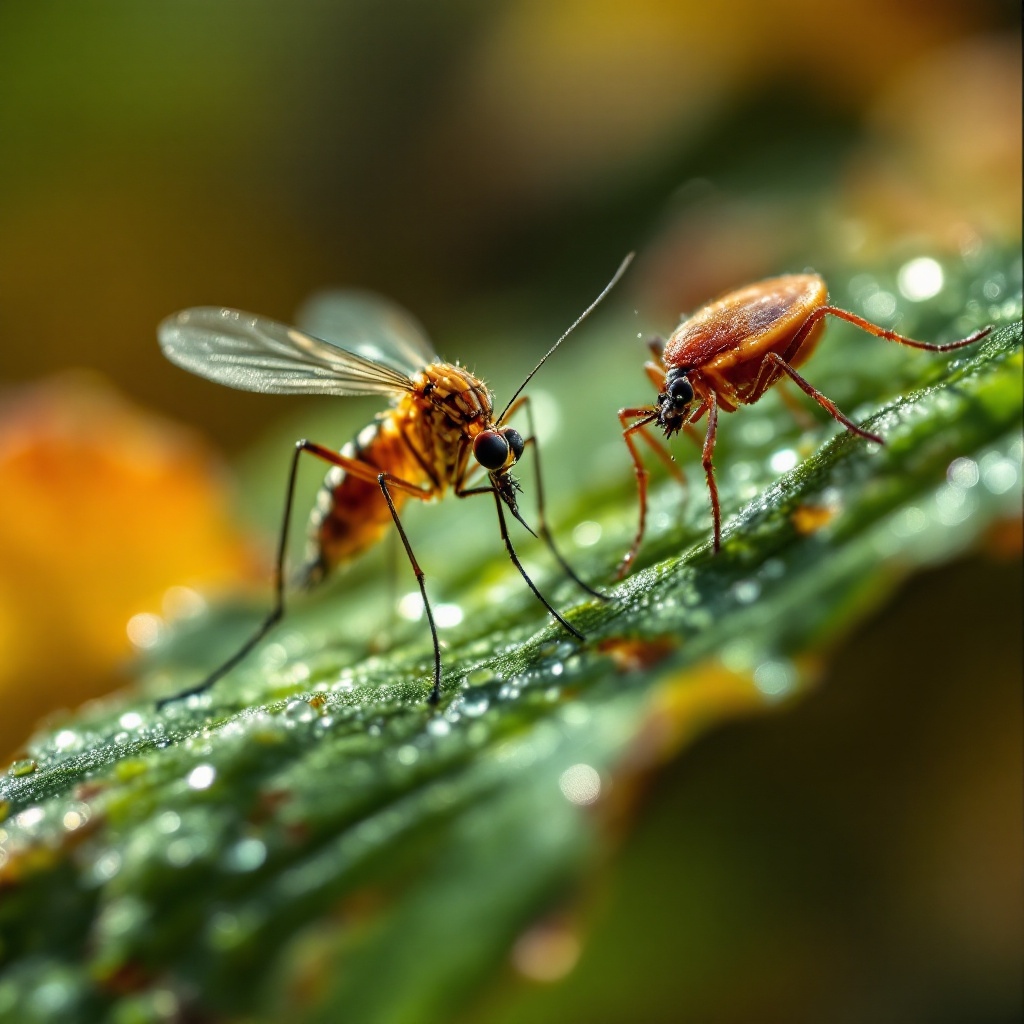
Some mosquitoes can transmit West Nile virus. Most infected people have no symptoms, but a small share develop a severe form, especially older adults. In Quebec, cases occur from summer until the first frosts, and most reported cases are in the south of the province, notably Montérégie, Montreal and Laval, according to Québec.ca surveillance data (in French).
Protection: repellent at dusk, screens in good repair, and emptying standing water around the house (saucers, tires, clogged gutters, toys), where mosquitoes lay eggs. See our mosquito profile.
Rodents: mice and rats
- The deer mouse can carry hantavirus, rare in Quebec but serious. The risk comes from the dust of dried droppings and urine in cottages, sheds and attics.
- Mice and rats can contaminate food (salmonellosis, among others) with their droppings and urine.
Protection: never sweep or vacuum dry droppings; dampen them with disinfectant before picking them up. See how to clean up mouse droppings safely.

Cockroaches and flies: contamination
Cockroaches don’t bite, but they travel from drains and garbage to countertops and carry bacteria onto food. Their droppings and shed skins also contain allergens that can worsen asthma, especially in children.
House flies play the same role, carrying bacteria between waste and food.
Protection: deal with a cockroach infestation quickly (see our cockroach profile), keep food sealed and garbage clean.
The ones that don’t transmit diseases
- Bed bugs: they bite, but don’t transmit diseases. The real impact is on sleep, skin (itching, infections from scratching) and anxiety. See how to recognize a bed bug bite.
- Spiders: no species causing serious envenomation is established in Quebec.
- Lady beetles, fall stink bugs, silverfish, earwigs, sowbugs: nuisances, no health risk.
A special case: wasps and allergies
Wasps and hornets don’t transmit diseases, but their sting can trigger a severe allergic reaction in people who are allergic. A nest near a door, a deck or a schoolyard is worth removing. See our wasp profile.
Frequently asked questions
Is climate change increasing the risk?
Milder winters and longer seasons favour the northward spread of the blacklegged tick and the seasonal circulation of some mosquito-borne viruses. Quebec’s public health authorities monitor both.
Do fleas transmit diseases in Quebec?
The risk is low. Cat and dog fleas mostly cause itching and can pass a tapeworm to pets. See our article on fleas.
When should I call a professional?
As soon as there are signs of rodents, cockroaches or bed bugs in the house, or a wasp nest near busy areas. For an assessment, call 514-638-8705, 24 hours a day. For a bite or symptoms, contact Info-Santé 811.