
Indoor plants are a popular addition to homes and offices, offering aesthetic appeal, improved air quality, and psychological benefits. However, they can also inadvertently invite unwanted guests—namely, insects. While not all houseplants attract pests, the warm, humid, and nutrient-rich conditions that support plant growth can also create an ideal environment for various insects to thrive.
Insects are primarily drawn to indoor plants for three main reasons: food, shelter, and moisture. Many pests feed on plant sap, roots, or decaying organic matter in the soil. Others are attracted to the high humidity levels and stagnant air often found in indoor environments. Common culprits include aphids, spider mites, mealybugs, fungus gnats, whiteflies, scale insects, and thrips. These pests can cause visible damage such as leaf discoloration, wilting, stunted growth, and the presence of sticky honeydew or webbing.
The risk of infestation increases when plants are overwatered, poorly ventilated, or brought indoors from outdoor environments without proper inspection. Additionally, new plants purchased from nurseries may carry pests in the soil or on foliage, making early detection and quarantine essential.
Understanding the factors that attract insects to indoor plants is the first step in effective pest management. With proper care, regular monitoring, and the use of natural or biological control methods, plant owners can maintain a healthy indoor garden while minimizing the risk of pest infestations. This report explores the science behind insect attraction to houseplants, identifies the most common indoor plant pests, and provides evidence-based strategies for prevention and control.
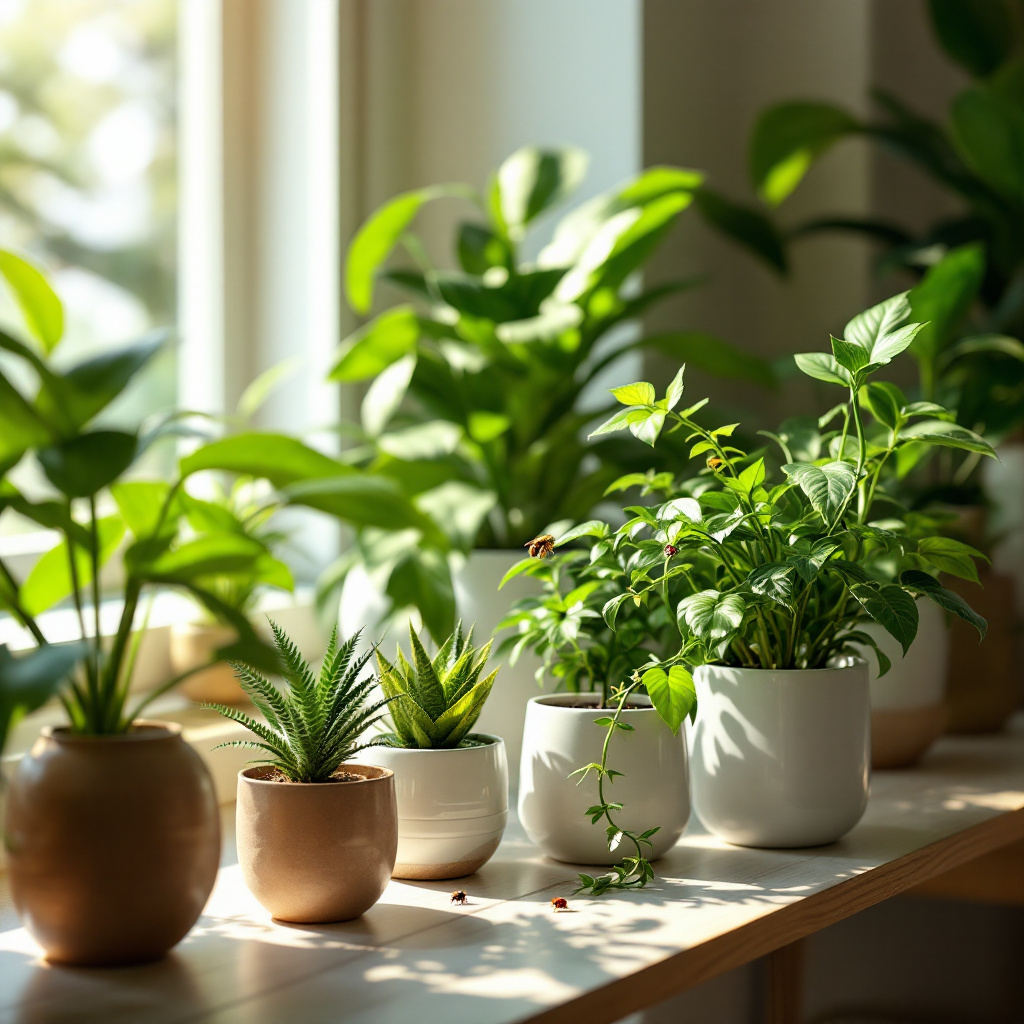
Why Indoor Plants Attract Insects
It’s Not the Plant, It’s the Party: What Bugs Are Really After
Let’s be real for a second—plants aren’t out here sending invitations to bugs like, “Hey, come ruin my leaves.” But somehow, the bugs show up anyway. Why?
It’s not the plant itself that’s the problem. It’s the environment we create around it.
Indoor plants live in a cozy, climate-controlled bubble. Warm air, steady humidity, and a buffet of organic matter? That’s basically a five-star resort for insects.
Many bugs don’t even care about the plant. They’re after the moist soil, the decaying leaf bits, or even the fungus that grows when you overwater.
Take fungus gnats, for example. These tiny black flies love damp soil. Not because they’re thirsty, but because it’s the perfect place for their larvae to grow. And if you’ve ever watered your plant and then seen a cloud of gnats rise like a bad magic trick, you know exactly what I mean.
Then there’s the issue of stagnant air. Unlike outdoor plants, which get a nice breeze to keep things moving, indoor plants often sit in still air. That makes it easier for bugs to settle in and harder for you to notice them until it’s too late.
And let’s not forget the lack of predators. Outside, ladybugs, birds, and other natural hunters keep pest populations in check. Indoors? It’s just you and your spray bottle.
So no, your plant isn’t the villain here. It’s the whole setup—the warmth, the moisture, the stillness—that makes your living room feel like a spa day for bugs.
Moisture: The Insect Magnet You Didn’t Know You Had
Here’s the thing about bugs: they’re thirsty. Not in the “scrolling through Instagram at 2 a.m.” kind of way, but literally. They need moisture to survive, and your indoor plant setup is basically a hydration station.
When you water your plants, especially if you overdo it, the soil holds onto that moisture. And if your pot doesn’t have good drainage, that water just sits there. That’s when the bugs move in.
Fungus gnats are probably the most common offenders. They’re tiny, annoying, and love wet soil. Their larvae feed on organic matter in the dirt, and if the conditions are right, they multiply fast. Like, horror movie fast.
Then there are springtails. These guys are so small you might mistake them for specks of dust—until they jump. They thrive in moist environments and often show up when your soil is too wet for too long.
And let’s not forget about mosquitoes. Yes, mosquitoes. If you’ve got standing water in a plant saucer or a decorative pot without drainage, you might be giving them a place to breed. Not ideal.
The science backs this up too. Insects are highly sensitive to humidity changes. According to research on insect hygrosensation, bugs like mosquitoes and fruit flies use moisture cues to find suitable environments for laying eggs.
So if your plants are sitting in soggy soil, you’re not just growing greenery—you’re growing a bug nursery.
And if you’re wondering how to deal with gnats specifically, you might want to check out this list of effective fruit fly traps that can help you cut down their numbers without harsh chemicals.
Organic Matter: A Buffet for the Uninvited
Let’s talk about what’s really going on in your plant pots.
Every time a leaf falls and starts to decay, or you use a rich organic fertilizer, you’re basically laying out a welcome mat for bugs. It’s like leaving a pizza box open on the counter overnight—something’s gonna show up.
Soil is full of life. That’s great for your plants, but it’s also great for pests. Especially the ones that feed on decomposing material.
Mealybugs, for instance, are drawn to the sugary sap in plant stems and leaves. But they also love the mold and fungus that grows in overly rich, damp soil. They look like little bits of cotton stuck to your plant, but don’t let their fluffiness fool you—they’re destructive.
Then there’s scale. These guys are sneaky. They latch onto stems and leaves, sucking out nutrients like tiny vampires. They’re often drawn to plants that are already stressed or growing in nutrient-heavy soil that hasn’t been properly aerated.
And aphids? They’re the worst. They feed on plant sap and excrete a sticky substance called honeydew, which can lead to mold growth. That mold attracts even more insects, creating a whole ecosystem of chaos right on your windowsill.
Now, if your soil is packed with organic matter—like compost or peat—it might be too rich for indoor use. That’s not just a waste of nutrients; it’s an open invitation for bugs.
Experts even recommend avoiding potting mixes with too much organic content unless you’re growing something that really needs it. Otherwise, you’re just feeding the pests.
And if you’re seeing bugs crawling around your soil and aren’t sure what they are, check out this guide to soil-borne pests and their impact. It breaks down what’s living in your dirt and what to do about it.
Shelter and Safety: Why Bugs Love Your Living Room
Imagine you’re a bug. Outside, life is rough—wind, rain, predators, temperature swings. But inside? Oh man, it’s paradise. Your indoor plants offer bugs a safe, stable environment. No predators. No storms. Just peace, quiet, and plenty to eat. The leaves provide cover. The soil offers a place to lay eggs. And the whole setup is protected from the chaos of the outdoors.
This is especially true for pests like spider mites. These guys are tiny—like, almost invisible. But they can do serious damage. They spin fine webs under leaves and suck the life out of your plants, one cell at a time. They thrive in warm, dry environments, which is exactly what most indoor spaces are. And because they’re so small, you often don’t notice them until your plant starts looking sad and dusty.
Whiteflies are another common pest that love the indoor life. They’re weak fliers, but indoors, they don’t need to be strong. There’s no wind to knock them down, and no birds to eat them. They just float from leaf to leaf, laying eggs and sipping sap.
And ants? They’re not after your plants directly. But if you’ve got aphids or mealybugs, ants will show up to farm them like livestock. They protect these pests in exchange for the sweet honeydew they produce. It’s weirdly symbiotic—and totally gross.
If you’re dealing with ants around your plants, it might be time to eliminate them from your home before they turn your ficus into a bug ranch.
Let’s not forget about the lighting. Many bugs are drawn to light, especially at night. If your plant is near a bright window or under a grow light, it might attract flying insects like moths or fruit flies. They’re not in love with the plant—they’re chasing the glow.
And while we’re on the topic of shelter, let’s talk about pots. Decorative pots without drainage holes can trap water and create the perfect breeding ground for pests. Even worse, the lack of airflow in the root zone can stress the plant, making it more vulnerable to attack. So yeah, your house might feel like a safe haven for you—but it’s also a bug’s dream home.
Quick Look: What Attracts Which Bug?
Here’s a quick table to break down the main attractors and the bugs they bring in.
| Attractor | Common Insects | Why They Love It |
|---|---|---|
| Moist Soil | Fungus gnats, springtails, mosquitoes | Ideal for egg-laying and larval growth |
| Decaying Organic Matter | Mealybugs, aphids, thrips | Food source and fungal growth |
| Stagnant Air | Spider mites, whiteflies | No breeze to disturb or remove them |
| Lack of Predators | All of the above | No natural enemies indoors |
| Bright Light | Fruit flies, moths | Attracted to light, not the plant |
| Over-fertilized Soil | Aphids, scale | Weakens plants, attracts sap-suckers |
| No Drainage in Pots | Fungus gnats, mosquitoes | Standing water = breeding ground |
Each of these conditions alone might not cause a problem.
But combine two or three? That’s when your monstera becomes a mini jungle of pests.
And if you’re already seeing signs of infestation, like sticky leaves or webbing, it might be time to bring in residential pest control before things get out of hand.
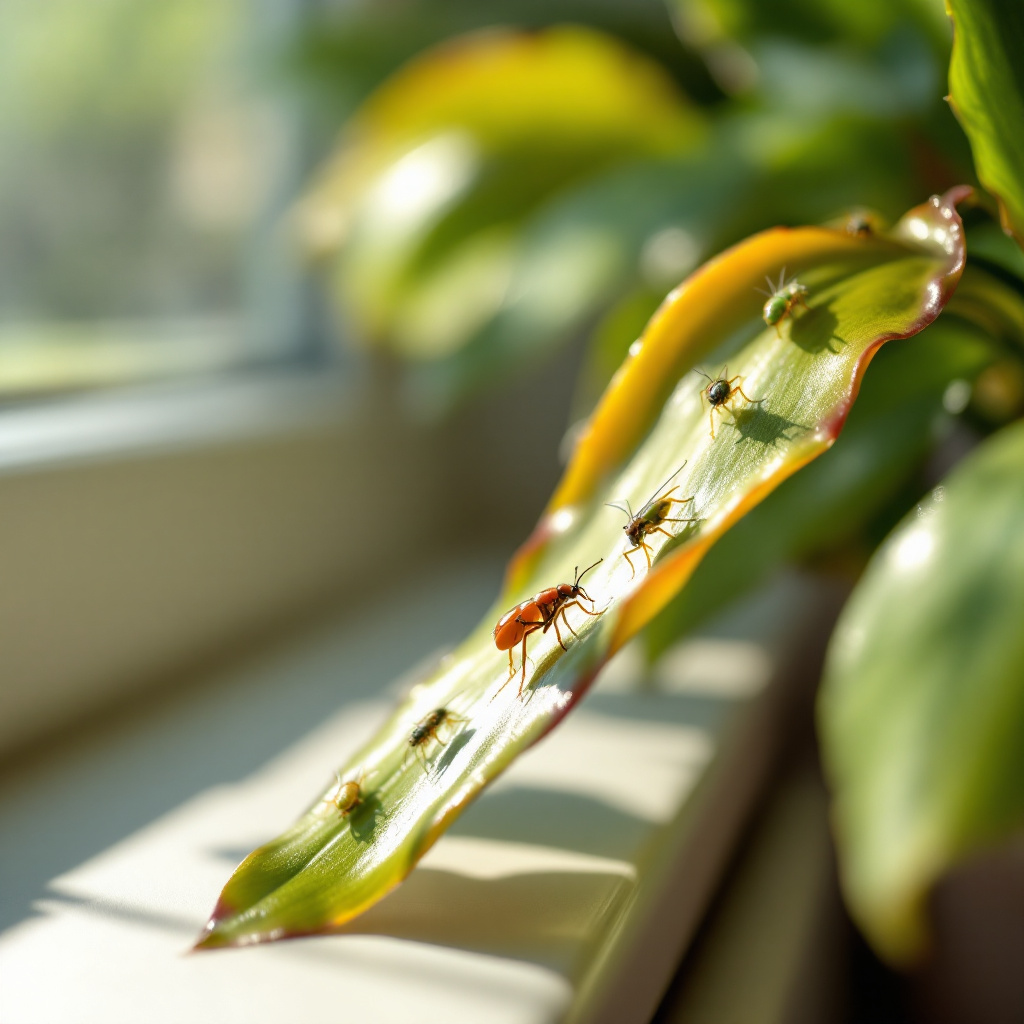
Common Insects Found on Indoor Plants
Fungus Gnats: The Uninvited Guests That Never Leave
You know that moment when you water your plant and a tiny black fly zips past your face like it’s late for a meeting? Yeah, that’s probably a fungus gnat.
These little guys are the poster children for indoor plant pests. They look like fruit flies but hang out in your soil instead of your fruit bowl. And they’re not just annoying—they’re persistent. Fungus gnats thrive in moist, organic-rich soil, which, let’s be honest, is exactly what most of us use to pamper our plants. Their larvae live in the top inch or two of the soil, feeding on decaying matter and sometimes nibbling on tender roots.
If your plant’s growth suddenly stalls or its leaves start yellowing for no good reason, you might be dealing with a gnat nursery underground. They’re drawn to overwatered soil like moths to a flame. And once they’re in, they don’t just hang out—they multiply. One female can lay up to 200 eggs in her short life. So if you see one, chances are there are a few hundred more on the way.
The best way to deal with them? Let the soil dry out between waterings. You can also top the soil with a layer of sand or use sticky traps to catch the adults mid-flight. And if things get really bad, biological controls like Bacillus thuringiensis israelensis (BTI) can help wipe them out at the larval stage.
Mealybugs: The Cotton Ball Con Artists
Ever looked at your plant and thought, “Why is there lint growing on the stem?” That’s not lint. That’s a mealybug.
These pests are sneaky. They look like tiny cotton balls but act like vampires, sucking the sap out of your plant’s stems and leaves. And they don’t come alone. They bring their whole extended family.
Mealybugs are slow-moving, but they reproduce fast. And they hide in the nooks and crannies of your plant—leaf joints, undersides, even inside new growth. You might not even notice them until your plant starts looking tired and sticky.
That stickiness? It’s called honeydew. It’s basically bug poop, and it creates a perfect environment for black sooty mold. So now you’ve got bugs and fungus. Double trouble.
To get rid of them, you can dab them with a Q-tip dipped in isopropyl alcohol. It sounds tedious—and it is—but it works. For larger infestations, insecticidal soap or neem oil can help. Just be careful not to overdo it, or you’ll end up burning your plant’s leaves. And if you’ve got ants hanging around too, they might be farming the mealybugs for their honeydew.
Spider Mites: The Silent Saboteurs
If your plant’s leaves are looking a little dusty, take a closer look. Like, really close. You might need a magnifying glass. Because that “dust” could be spider mites.
These tiny arachnids are nearly invisible, but their damage is very visible. They suck the chlorophyll out of your plant cells, leaving behind tiny yellow or brown speckles. Over time, the leaves start to look faded, then crispy, then dead. And if you flip the leaf over, you might see fine webbing—like your plant’s been visited by a very tiny, very lazy spider.
Spider mites love dry air. So if your home is low on humidity (hello, winter heating), they’ll move in and throw a party. They reproduce fast, too. Like, scary fast. One female can lay hundreds of eggs, and the whole lifecycle from egg to adult takes less than a week. That’s why infestations can go from “huh, weird leaf” to “oh no, it’s dying” in what feels like a blink.
To fight back, increase humidity. Misting your plants can help, but a humidifier is better. You can also rinse the leaves with water to knock them off or use insecticidal soap. And if you’re into biological warfare, predatory mites like Phytoseiulus persimilis can help keep them in check. But prevention is key. Keep your plants clean, inspect new ones before bringing them home, and don’t let things get too dry.
Aphids: The Sap-Sucking Freeloaders
Aphids are like the mosquitoes of the plant world. They’re small, annoying, and they suck—literally. These pear-shaped pests come in green, black, brown, and even pink. They cluster on new growth, flower buds, and the undersides of leaves, feeding on sap and weakening your plant. And like mealybugs, they excrete honeydew. Which means mold. Which means more bugs. Which means a headache.
Aphids reproduce without mating, which is as weird as it is efficient. One adult female can give birth to live young—no eggs required. So if you see a few today, expect a swarm tomorrow.
They’re also hitchhikers. You might bring them in on a new plant or even on your clothes if you’ve been outside. To get rid of them, start with a strong blast of water. It sounds silly, but it works. You can also use neem oil or insecticidal soap. And if you’re into natural predators, ladybugs love aphids. Just maybe don’t release them indoors unless you want to explain to your roommate why there’s a beetle in the cereal box. If you’ve got an ant problem too, it’s probably linked. Ants protect aphids in exchange for honeydew.
Whiteflies: The Tiny Tornadoes of Trouble
Whiteflies are like the glitter of the pest world. Once they show up, they’re everywhere—and impossible to get rid of. They’re tiny, moth-like insects with white wings and a love for warm, humid environments. They hang out on the undersides of leaves and fly up in a cloud when you disturb the plant. It’s like shaking a snow globe, but instead of snow, it’s bugs.
They feed on plant sap, weakening the plant and causing leaves to yellow, wilt, or drop. And yes, they produce honeydew too. So now you’ve got whiteflies, mold, and probably ants. It’s a whole ecosystem you didn’t ask for.
Whiteflies are tough to control because they’re fast and they fly. Sticky traps can help catch the adults, but you’ll need to treat the plant to kill the eggs and larvae. Neem oil, insecticidal soap, and even vacuuming the leaves can help. But be consistent. Miss a few, and they’ll be back with reinforcements.
Scale Insects: The Bumps That Bite
Scale insects don’t look like bugs. They look like little brown or white bumps on your plant’s stems or leaves. But they’re alive. And they’re feeding.
These pests attach themselves to the plant and suck out sap, weakening the plant over time. They don’t move much—once they latch on, they stay put. Which makes them easy to miss. You might think your plant just has some weird growths. But if you scrape one off and it leaves a sticky residue, congrats—you’ve got scale. Like other sap-suckers, they produce honeydew. So again, mold and ants.
It’s like a greatest hits album of indoor plant problems. To remove them, you can scrape them off with your fingernail or a soft toothbrush. For larger infestations, neem oil or horticultural oil works well. Just make sure to coat the plant thoroughly, especially the undersides of leaves and stems. And keep checking back. They’re sneaky.
Thrips: The Leaf Shredders
Thrips are tiny, slender insects that look like little black slivers. They’re hard to see, but their damage is easy to spot. They scrape the surface of leaves and suck out the contents, leaving behind silvery streaks and black specks (which, yes, is their poop). They love new growth and flowers, which makes them especially annoying if you’re growing anything ornamental. They’re also fast and jumpy. Try to catch one, and it’ll disappear like a magician’s trick. Thrips are often brought in on new plants or cut flowers. And once they’re in, they’re hard to evict.
They hide in buds, crevices, and even the soil. To control them, remove and destroy heavily infested leaves. Use blue sticky traps to catch the adults. And treat the plant with neem oil or insecticidal soap. Repeat every few days, because thrips have multiple life stages and love to hide. If you’re seeing distorted leaves and your flowers are looking ragged, you might be dealing with thrips.
Table: Quick Bug Breakdown
| Pest Name | Looks Like | Where They Hide | What They Do | Signs You’ll See |
|---|---|---|---|---|
| Fungus Gnats | Tiny black flies | Topsoil | Lay eggs, larvae eat roots | Flies when watering, stunted growth |
| Mealybugs | White cottony blobs | Leaf joints, stems | Suck sap, produce honeydew | Sticky leaves, mold, slow growth |
| Spider Mites | Tiny red/brown dots | Undersides of leaves | Suck chlorophyll, spin webs | Yellow speckles, webbing |
| Aphids | Small green/black insects | New growth, leaf undersides | Suck sap, spread fast | Curled leaves, sticky residue |
| Whiteflies | Tiny white moths | Undersides of leaves | Suck sap, fly when disturbed | Yellowing leaves, flying cloud |
| Scale | Brown/white bumps | Stems, leaf veins | Suck sap, don’t move | Hard bumps, sticky residue |
| Thrips | Slender black slivers | New growth, flowers | Scrape leaves, suck sap | Silvery streaks, black specks |
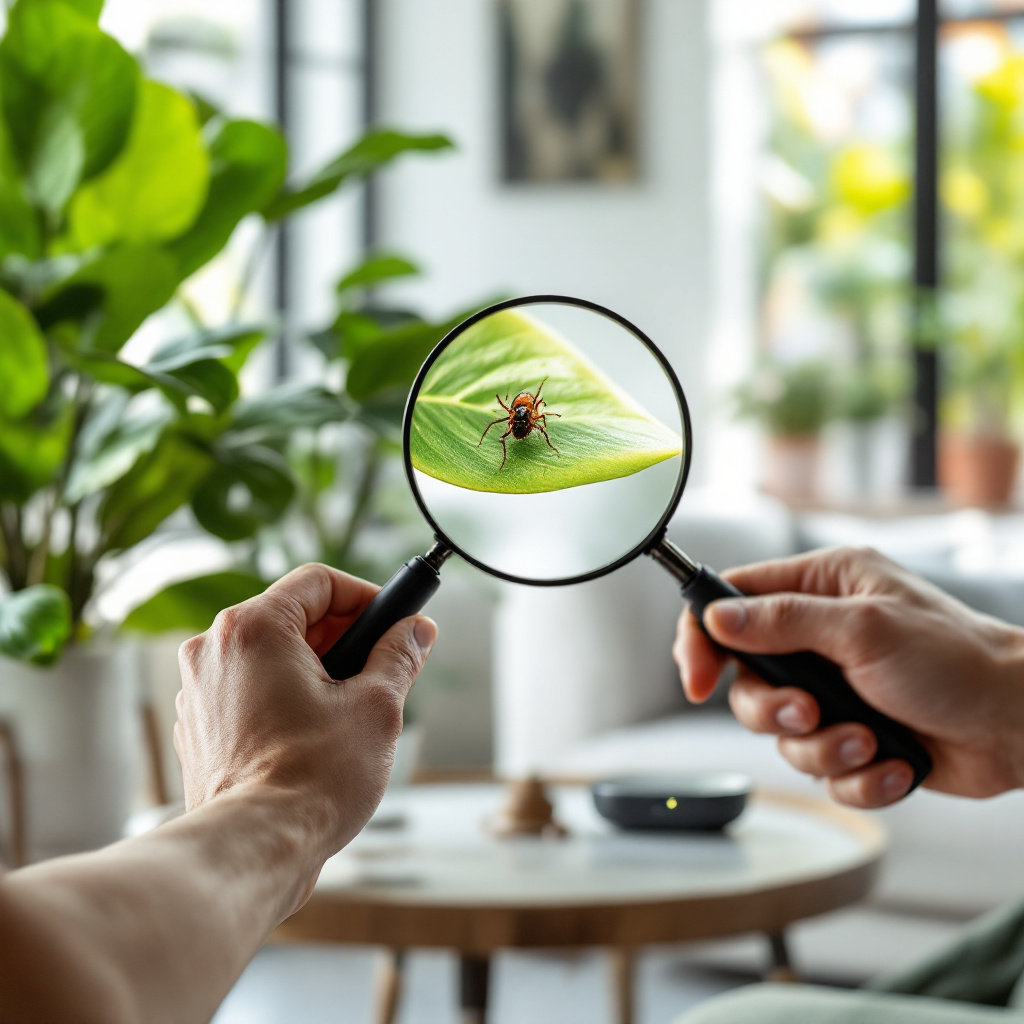
Prevention and Early Detection of Indoor Plant Pests
So, can you actually stop bugs from crashing your plant party?
You know that feeling when you walk past your monstera and something tiny flutters up from the soil? Or worse, you lean in to admire your new calathea and spot a suspicious white fuzz nestled in the leaf folds? Yeah. That’s the moment you realize: this isn’t just a plant. It’s a buffet.
But here’s the thing—most of these infestations don’t start with a full-blown bug parade. They sneak in. Quietly. One or two at first. And then, boom—your windowsill jungle turns into a pest motel.
So, let’s talk about how to stop that from happening. Or at least catch it before it gets out of hand.
Start with the plants themselves: check before you bring them home
Think of garden centers like airports for bugs. High traffic. Lots of layovers. Everyone’s carrying something.
Before you even think about buying a plant, give it a good look. Flip the leaves. Check the undersides. Look at the soil. Is there webbing? Sticky stuff? Tiny moving dots? If yes, walk away. Or at least quarantine it when you get home.
Quarantine sounds dramatic, but it’s just plant-speak for “keep it in a separate room.” Give it a week or two. Watch it. If nothing crawls out or starts flying around, you’re probably good.
This step alone can save you from a lot of heartache. And from having to Google “how to get rid of mealybugs at 2 a.m.”
Your soil could be a pest playground
Here’s something most people don’t think about: bugs love moist, organic-rich soil. Especially fungus gnats. They lay eggs in the top inch of damp soil, and their larvae munch on roots like it’s an all-you-can-eat buffet.
If you’re using compost-heavy or peat-based mixes, you’re basically rolling out the red carpet for them.
One trick? Let the top layer of soil dry out between waterings. Not bone dry—just not soggy. You can also top your soil with a thin layer of sand or fine gravel. It dries faster and makes it harder for bugs to lay eggs.
And if you’re already seeing tiny flies hovering around your plants, you might want to look into effective fruit fly traps. They work for fungus gnats too, and they’re a lifesaver when you’re trying to break the breeding cycle.
Clean leaves = fewer pests
Dusty leaves aren’t just ugly. They’re pest magnets.
Spider mites, for example, love dry, dusty environments. They’re basically the desert rats of the plant world. And once they settle in, they’re hard to evict.
Wipe your leaves down every couple of weeks. Just a damp cloth will do. Or give your plant a gentle shower in the sink or tub. It’s like a spa day, but with bug-prevention perks.
And while you’re at it, check for signs of trouble—webbing, sticky residue, tiny bite marks. Catching these early can mean the difference between a quick rinse and a full-on pest control mission.
Sticky traps are your secret weapon
You know those bright yellow sticky cards that look like tiny billboards? They’re not just for greenhouses.
Stick a few near your plants—especially if you’ve had issues before. They’ll catch flying pests like whiteflies, fungus gnats, and thrips before you even realize they’re there.
It’s not glamorous. And yes, they’re kind of ugly. But they work.
Think of them like smoke detectors for bugs. You might not see the fire, but the trap tells you something’s smoldering.
Humidity and airflow matter more than you think
Most indoor pests love dry, stagnant air. It’s cozy. Safe. No wind to blow them away. No predators to eat them.
So if your space is dry—especially in winter—consider adding a humidifier. Not just for your plants, but for your own skin too. Win-win.
And don’t crowd your plants. Give them space to breathe. Airflow helps prevent mold, mildew, and pests. A small fan nearby can make a big difference.
It’s like opening a window in a stuffy room. Everything just feels better.
Know your enemy: early signs are sneaky
Here’s where things get tricky. Most pests don’t announce themselves with a neon sign. They whisper.
A few yellowing leaves. A sticky patch. A weird fuzz. Maybe a few specks that you thought were dirt… until they move.
You’ve got to train your eyes. Make it a habit to inspect your plants when you water them. Look under the leaves. Check the stems. Glance at the soil.
And if you’re not sure what you’re seeing, take a picture and search it. Or ask in a plant group. Or better yet, bookmark a guide like this one on identifying and controlling common houseplant pests.
It’s like learning to read a new language. Once you know what to look for, you’ll spot the signs faster.
The importance of a regular routine
Pest control isn’t a one-and-done thing. It’s a routine.
Set a reminder. Every two weeks, do a quick check. Wipe leaves. Look for bugs. Refresh sticky traps. Maybe spray a little neem oil if you’re feeling fancy.
Think of it like brushing your teeth. You don’t wait until you have a cavity. You do it to prevent one.
And if you’ve got a bigger collection, you might want to rotate treatments—like neem one week, insecticidal soap the next. That way, you’re not giving pests a chance to adapt.
What about natural predators?
Okay, this one’s a little out there, but hear me out.
Some people bring in beneficial bugs—like ladybugs or predatory mites—to control pests naturally. It’s more common in greenhouses, but you can do it indoors too.
Just… maybe not in your bedroom.
If you’ve got a sunroom or enclosed patio, it can work. Otherwise, stick to sprays and traps.
Still, it’s kind of cool to know that there are bugs that eat other bugs. Nature’s own pest control.
Quick table: what to look for and what it might mean
| Symptom | Possible Pest | What to Do First |
|---|---|---|
| Sticky leaves | Aphids, scale | Rinse, wipe, try neem oil |
| Webbing under leaves | Spider mites | Increase humidity, rinse, use miticide |
| Tiny flies in soil | Fungus gnats | Let soil dry, use sticky traps |
| White fuzz on stems | Mealybugs | Dab with alcohol, isolate plant |
| Yellowing new growth | Thrips, aphids | Inspect closely, try insecticidal soap |
The stuff nobody tells you
Here’s the part that doesn’t get said enough: prevention isn’t perfect.
You can do everything right—quarantine, clean, inspect—and still end up with bugs. It happens.
Plants are living things. So are pests. Sometimes they meet.
But catching them early? That’s the real win. It means you can act fast. Avoid damage. Keep your plant fam healthy.
And maybe, just maybe, avoid that late-night panic scroll through pest forums.
Natural and Chemical Treatment Options for Indoor Plant Bugs
So, you found bugs on your plant. Now what?
Let’s be real. You didn’t sign up for an indoor jungle full of creepy crawlers when you bought that cute pothos at the garden center. But here you are—watering your plant, minding your own business, and suddenly, something tiny and winged flies out of the soil like it’s auditioning for a horror movie.
So now you’re wondering: do you go full chemical warfare, or can you handle this naturally?
The answer is—it depends. On the bug. On the plant. On your tolerance for weird smells and sticky leaves. Let’s break it down like we’re sitting on your couch, sipping tea, and staring at that one suspiciously curling leaf.
Neem oil: The MVP of natural remedies
If indoor plant bug treatments had a prom king, neem oil would be it.
It’s a natural pesticide made from the seeds of the neem tree, and it smells… well, let’s just say it’s not winning any fragrance awards. Think garlicky peanut butter left in the sun. But it works.
Neem oil messes with bugs’ hormones, making it harder for them to grow, eat, or reproduce. It’s especially good for soft-bodied pests like aphids, spider mites, and whiteflies. You mix a teaspoon of neem oil with a liter of water and a few drops of mild soap (like Castile), shake it like a cocktail, and spray it all over your plant—top, bottom, stem, soil. The whole thing.
Do it in the evening or early morning. If you spray it in the sun, your plant’s leaves might get scorched. And don’t go overboard—once a week is usually enough unless you’re dealing with a full-blown infestation.
People love neem oil because it’s safe for pets and humans (unless you drink it, which… don’t). It doesn’t kill bugs instantly, but it disrupts their life cycle, which is even better long-term.
And if you’re wondering whether it’s strong enough to replace chemical sprays? For many pests, yes. But not all.
Soap sprays: Cheap, easy, and surprisingly effective
You’ve probably heard someone say, “Just use soapy water!” And they’re not wrong—but they’re not totally right either.
Not all soaps are created equal. Dishwashing liquids like Dawn or Palmolive have degreasers and fragrances that can burn your plant’s leaves. What you want is a pure, mild soap—something like Castile soap or Ivory.
Mix one teaspoon of soap with a liter of water. Spray it directly on the bugs. It works by suffocating them, basically clogging up their breathing holes. Gross, but effective.
The catch? It only works on contact. If you miss a few bugs, they’ll keep partying. So you’ll need to repeat the treatment every few days until you stop seeing signs of life.
Soap sprays are great for aphids, mealybugs, spider mites, and whiteflies. But they’re not ideal for scale insects or fungus gnats hiding in the soil. Those guys need a different approach.
Also, test it on one leaf first. Some plants (like ferns or African violets) are drama queens and don’t tolerate soap well.
Diatomaceous earth: The bug shredder
This one sounds fancy, but it’s basically fossil dust.
Diatomaceous earth (DE) is made from the crushed remains of ancient aquatic organisms. Under a microscope, it looks like tiny shards of glass. To bugs, it’s like crawling through a blender.
You sprinkle it on the soil surface or anywhere bugs are crawling. When they walk through it, the particles slice through their waxy exoskeletons and dehydrate them to death. It’s brutal. But effective.
Make sure you get food-grade DE—not the stuff used in pool filters. And wear a mask when applying it. It’s not toxic, but breathing in fine dust isn’t great for your lungs.
DE works well for fungus gnats, ants, and even roaches. But it only works when dry. If you water your plant and the DE gets wet, it turns into a paste and loses its edge. So you’ll need to reapply after watering.
If you’re dealing with ants farming aphids on your plants (yes, that’s a thing), DE can help break up their little bug economy.
Garlic and chili sprays: Smelly but effective
This one’s for the DIY crowd.
You blend a few garlic cloves and a chili pepper with water, strain it, and spray it on your plants. Bugs hate the smell and taste, so they stay away. It’s more of a repellent than a killer, but it can help prevent infestations from getting worse.
Just be careful not to use it on sensitive plants—or your eyes. Seriously, wear gloves. And maybe open a window.
This spray is especially good for keeping spider mites and aphids off your plants. But it won’t do much for bugs already living in the soil.
Also, your house will smell like a spicy Italian restaurant for a few hours. So maybe don’t do this right before guests come over.
Hydrogen peroxide: The fungus gnat assassin
If you’ve got tiny flies hovering around your plants every time you water, congratulations—you’ve got fungus gnats.
They lay their eggs in damp soil, and the larvae feed on roots and organic matter. They’re not super harmful, but they’re annoying. And if you’ve got a lot of them, your plant might start to suffer.
A diluted hydrogen peroxide solution can help. Mix one part 3% hydrogen peroxide with four parts water. Pour it into the soil like you’re watering the plant. You’ll hear a fizzing sound—that’s the peroxide reacting with the organic matter and killing larvae.
It’s oddly satisfying.
Do this once a week until the gnats are gone. And let the soil dry out between waterings. Fungus gnats love moisture, so drying them out is half the battle.
If you want to double down, add a layer of sand or gravel on top of the soil. It makes it harder for adult gnats to lay eggs. Or use sticky traps to catch the adults mid-flight.
Insecticidal soap: When you need a little more muscle
If your DIY soap spray isn’t cutting it, insecticidal soap might be your next step.
It’s basically a commercial version of the homemade stuff, but with a more precise formula. It’s designed to kill bugs without harming plants. And it’s approved for organic gardening, which is nice if you’re trying to keep things natural.
You can find it at most garden centers or online. Just follow the directions on the bottle. Spray the whole plant—top, bottom, stems, and undersides of leaves. That’s where bugs like to hide.
Insecticidal soap works best on soft-bodied pests like aphids, mealybugs, and spider mites. It won’t do much for scale insects or anything with a hard shell.
And like homemade sprays, it only works on contact. So you’ll need to reapply every few days until the bugs are gone.
Horticultural oil: The silent smotherer
Think of this as neem oil’s cousin.
Horticultural oil is a refined mineral oil that coats bugs and suffocates them. It’s especially good for scale insects, which are notoriously hard to kill. Once they latch onto a plant, they stay put and suck sap until the plant starts to yellow and drop leaves.
You spray the oil directly on the bugs. It clogs their breathing pores and kills them slowly. It also helps remove sooty mold caused by honeydew (bug poop), which is a bonus.
Use it sparingly and avoid spraying in direct sunlight. Like neem oil, it can cause leaf burn if used incorrectly.
And don’t mix it with sulfur-based products. That combo can damage your plant.
Systemic insecticides: The nuclear option
If you’ve tried everything and the bugs are still winning, you might be tempted to go full chemical.
Systemic insecticides are absorbed by the plant and make its tissues toxic to bugs. When pests suck sap or chew leaves, they get a dose of poison and die. It’s effective. Very effective.
But it comes with risks.
Many systemic insecticides contain imidacloprid or acetamiprid—chemicals that can linger in the plant for weeks or months. They’re not ideal if you have pets or small kids who might touch or chew on the leaves. And they can harm beneficial insects if used outdoors.
Still, if you’re dealing with a serious infestation—like a full-scale mealybug takeover—this might be your best bet.
Just read the label carefully. Follow the instructions. And maybe wear gloves.
Comparison table: Natural vs. chemical treatments
| Treatment Type | Best For | How It Works | Cautions |
|---|---|---|---|
| Neem Oil | Aphids, mites, whiteflies | Disrupts hormones, repels | Strong smell, leaf burn possible |
| Soap Spray | Aphids, mealybugs, mites | Suffocates on contact | Test first, repeat often |
| Diatomaceous Earth | Fungus gnats, ants | Dehydrates bugs via sharp particles | Needs to stay dry |
| Garlic/Chili Spray | Repelling pests | Strong odor deters bugs | Irritating to skin/eyes |
| Hydrogen Peroxide | Fungus gnat larvae | Kills larvae in soil | Dilute properly |
| Insecticidal Soap | Soft-bodied pests | Contact killer | Reapply often |
| Horticultural Oil | Scale, mites | Smothers bugs | Avoid sun after spraying |
| Systemic Insecticide | Severe infestations | Poison absorbed by plant | Toxic to pets, long-lasting |
Conclusion
Indoor plants do not inherently attract insects, but the conditions commonly associated with indoor plant care—such as moist soil, organic-rich potting mixes, stagnant air, and lack of natural predators—create an ideal environment for pests to thrive. The research reveals that it is not the plants themselves that draw bugs indoors, but rather the microhabitat we unintentionally create around them. Key attractants include overwatering, poor drainage, decaying organic matter, and limited airflow, all of which support the life cycles of common pests like fungus gnats, spider mites, aphids, mealybugs, and whiteflies.
The most important takeaway is that pest infestations are preventable and manageable with proper plant care and environmental control. Early detection, routine maintenance, and preventive strategies—such as inspecting new plants, using well-draining soil, maintaining appropriate humidity, and employing natural or chemical treatments when necessary—can significantly reduce the risk of indoor plant pests. For plant owners, the implication is clear: maintaining a healthy indoor environment is just as important as caring for the plants themselves. Moving forward, integrating pest management into regular plant care routines will help ensure that indoor greenery remains a source of joy rather than frustration.
FAQ:
1. Why do indoor plants attract bugs if they’re inside my home?
Indoor plants create a warm, humid, and sheltered environment that mimics the natural habitats many insects prefer. Moist soil, decaying organic material, and a lack of predators make your home an ideal breeding ground for pests like fungus gnats, spider mites, and aphids. It’s not the plant itself that attracts bugs, but the conditions surrounding it.
2. What are the most common bugs found in indoor plants?
The most common indoor plant pests include fungus gnats, spider mites, aphids, mealybugs, whiteflies, thrips, and scale insects. Each pest has specific preferences—for example, fungus gnats thrive in wet soil, while spider mites prefer dry, dusty environments. Recognizing the signs of each pest (e.g., webbing, sticky residue, or flying insects) is key to early detection and control.
3. How can I prevent bugs from infesting my indoor plants?
Prevention starts with good plant hygiene and environmental control. Always inspect new plants before bringing them home, avoid overwatering, use well-draining soil, and clean leaves regularly. Adding sticky traps, increasing airflow, and maintaining proper humidity levels can also deter pests. Quarantining new or infested plants is another effective strategy to prevent spread.
4. What’s the best way to get rid of bugs on indoor plants naturally?
Natural remedies include neem oil, insecticidal soap, diatomaceous earth, and hydrogen peroxide. Neem oil disrupts insect life cycles, while soap sprays suffocate soft-bodied pests. Diatomaceous earth dehydrates crawling insects, and hydrogen peroxide kills fungus gnat larvae in the soil. These methods are generally safe for plants and pets when used correctly.
5. Are certain types of indoor plants more prone to pests?
Yes, some plants are more susceptible due to their structure or care needs. For example, ferns and calatheas prefer high humidity, which can attract spider mites if the air becomes too dry. Succulents, which require less water, are less prone to fungus gnats but can still attract mealybugs or scale. Plants with dense foliage or soft stems often provide more hiding spots for pests.
6. When should I consider professional pest control for indoor plant bugs?
If you’ve tried multiple treatments and pests keep returning, or if the infestation spreads rapidly to multiple plants, it may be time to consult a pest control professional. They can identify the root cause, apply targeted treatments, and help you develop a long-term prevention plan. This is especially important if pests begin affecting your home beyond the plants, such as ants or mosquitoes breeding in standing water.