
Ticks are small, discreet, and stubborn parasites. In Quebec, their activity ramps up in spring and summer and can extend into fall depending on weather conditions. If you spot a tick “nest” near your home—that is, a localized cluster of eggs, larvae, or nymphs—it’s essential to take the right steps to protect your family and pets. This guide explains how to identify these hotspots, the risks they pose, and the immediate safety measures you should take.
Introduction
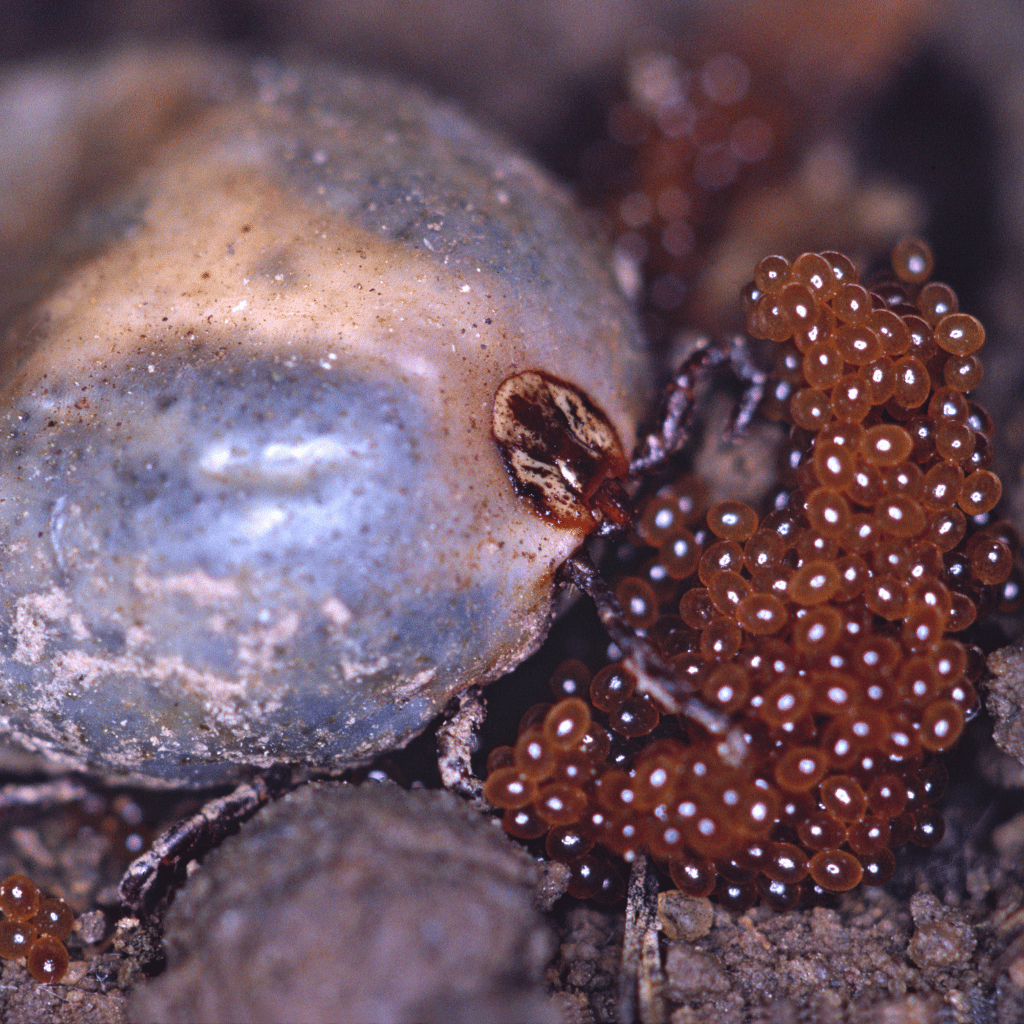
People often talk about a “tick nest” as if it were like a hive or ant nest. Technically, ticks don’t build true nests; however, female ticks can lay thousands of eggs in a sheltered spot (leaf litter, along wooden borders, under decks). After hatching, larvae and nymphs may remain concentrated in a small area, which can look like a “nest.” Regardless of the term, caution is warranted—one active area can be enough to expose people and pets to tick-borne diseases.
Understanding Ticks and Their Habitats
Where ticks thrive in Quebec
Ticks prefer humid, shaded environments: forest edges, tall grass, shrubs, leaf piles, compost, and stacked wood. The blacklegged tick (Ixodes scapularis) is particularly common in Montérégie, Estrie, the Greater Montreal area, Lanaudière, the Laurentians, and Mauricie. Their activity increases when temperatures rise above about 4 °C, which helps explain longer risk periods.
Why they sometimes cluster
After laying up to 3,000 eggs, immature stages (larvae, nymphs) often remain localized before seeking a host (rodents, birds, deer, pets). Sheltered micro-habitats—piles of leaves, thick mulch, fence lines—retain moisture and encourage clustering. That’s why yard maintenance is a cornerstone of prevention.
How to Recognize a Tick “Nest”
Appearance and visible signs
A tick hotspot may look like a small dark, granular, or shiny patch on the ground—sometimes slightly mobile when viewed closely. To the naked eye, very light larvae can be mistaken for dust or grains; darker nymphs and adults appear as tiny brown/black dots.
- Many tiny dark specks in a damp corner (deck edge, base of shrubs).
- A sudden increase in ticks found on clothing after a brief time in the yard.
- Pets returning from outside with ticks repeatedly (ears, neck, between toes).
How ticks differ from other pests
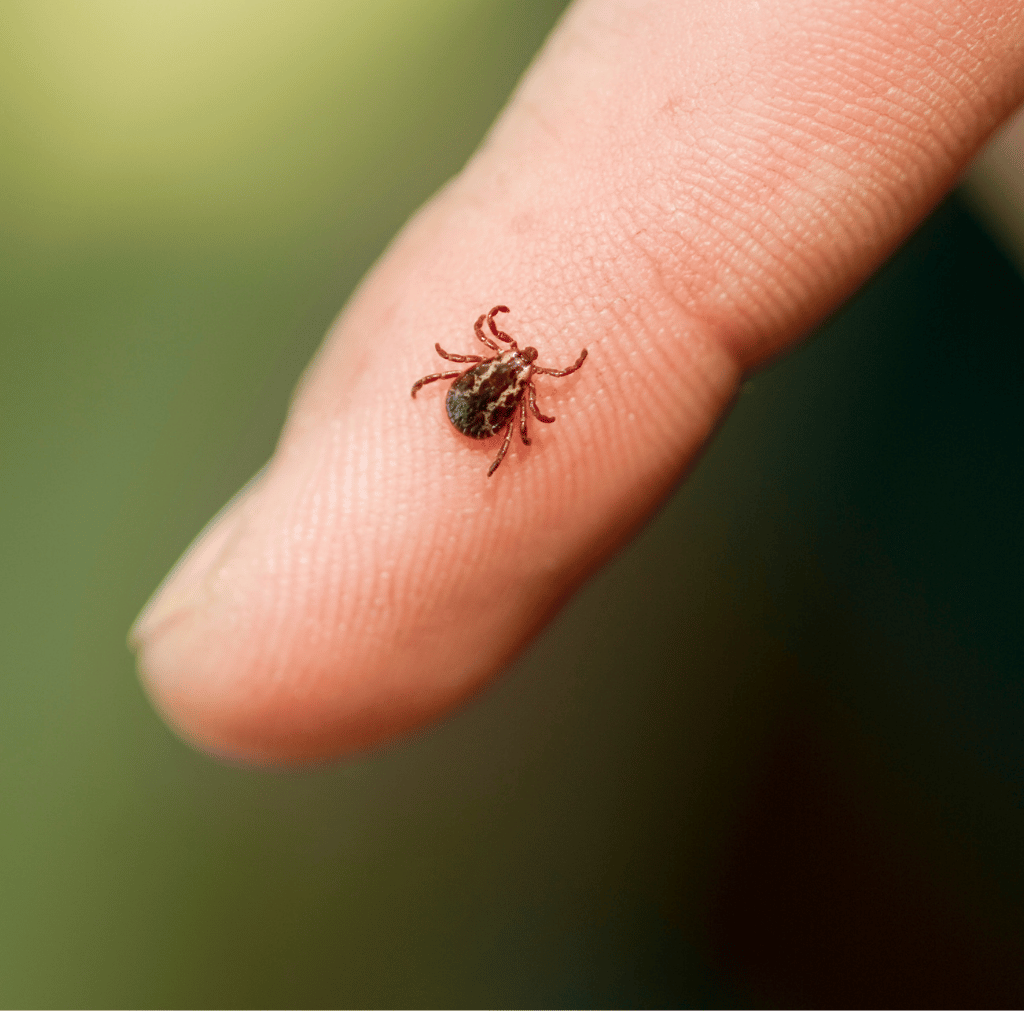
Ticks have no wings or obvious antennae and they do not jump like fleas. They crawl slowly and climb vegetation to latch onto a passing host (a behaviour called “questing”). If you see insects jumping or flying, you’re likely looking at other species (fleas, winged ants, gnats).
Health Risks Linked to Ticks
Diseases transmissible to humans
The most well-known is Lyme disease, caused by the bacterium Borrelia burgdorferi. Symptoms may include a circular rash (erythema migrans), fatigue, muscle and joint pain, and fever. Other infections—such as anaplasmosis and babesiosis—are possible, though less common. Infection risk increases the longer a tick remains attached, making prompt skin checks after outdoor activities essential.
Risks for pets
Dogs—because of their outdoor habits—are frequent hosts and can contract Lyme disease and other infections. Common signs include intermittent lameness, lethargy, fever, and loss of appetite. Veterinary guidance and routine preventives are strongly recommended, especially during high-risk seasons.
For broader context on insect vectors in Quebec and seasonal risk, see our article: Which insects can transmit diseases in Quebec?
What to Do if You Find a Tick Nest
What to absolutely avoid
- Do not handle ticks with bare hands (risk of skin exposure).
- Do not burn the area or pour corrosive liquids (dangerous, ineffective, can scatter ticks).
- Avoid unapproved or misused pesticides (health and environmental risks).
Immediate steps to take
- Secure the area: keep children and pets away; mark the spot (stake/flag) so you can find it without searching around.
- Protective clothing: long pants tucked into socks, long sleeves, light-coloured clothing to spot ticks more easily, thin gloves.
- Document: take a few photos (without kneeling right on top) to share the location and appearance with a professional.
- Call a specialist: contact a licensed pest management service for assessment and targeted treatment.
A qualified professional will combine tools (localized treatment, physical barriers, maintenance recommendations) to break the life cycle (eggs, larvae, nymphs, adults) and limit re-introduction.
How to remove an attached tick
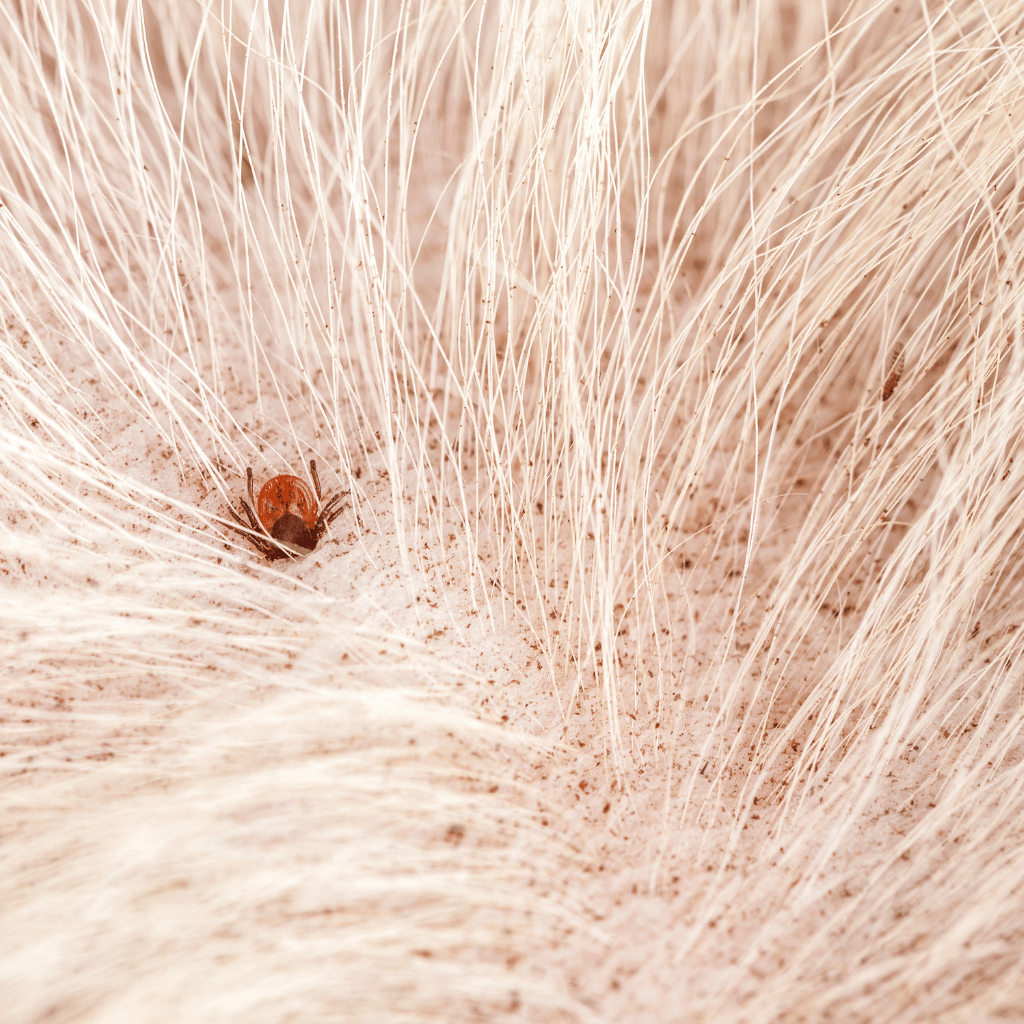
Use fine-tipped tweezers or a tick-removal tool. Grasp the tick as close to the skin as possible and pull upward steadily—without twisting and without squeezing the abdomen. Disinfect the area, note the date, and watch for symptoms. Avoid “tricks” (oil, alcohol, flame) that can increase regurgitation risk.
For official step-by-step instructions, see the Government of Quebec – How to remove a tick.
Preventing Ticks Around Your Home
Yard maintenance
- Mow regularly and collect fallen leaves; thin out brush and tall grass.
- Create a mineral border (gravel, dry wood chips) between lawn and wooded areas.
- Reduce rodent shelters (wood piles on the ground, unprotected compost) that host immature ticks.
- Avoid attracting deer: use barriers, less palatable plants, and manage entry points.
To plan ahead for the season and adapt your measures to risk periods, read our practical guide: Are you ready for tick season?
Personal and pet precautions
- Wear light-coloured, covering clothing; use an approved repellent if needed.
- Shower/skin check within 2 hours of outdoor activities; wash clothing in hot water.
- For pets: check coat (ears, neck, armpits, between toes), use veterinary preventives, and wash bedding regularly.
For national guidance (preventing bites, reducing ticks around the home, safe removal), visit the Public Health Agency of Canada – Preventing tick bites.
Conclusion
Finding a tick hotspot near your home is never trivial. The key is a methodical approach: secure the perimeter, avoid risky actions, document the situation, and seek expert help when a hotspot is confirmed. At the same time, consistent yard maintenance and preventive habits (appropriate clothing, routine inspections, pet care) greatly reduce exposure to tick-borne diseases. With simple, steady, well-targeted actions, you can protect your family throughout the warm season.
Frequently Asked Questions (FAQ)
Do ticks survive Quebec winters?
Yes. Several species overwinter as nymphs or adults in leaf litter and become active again as temperatures rise—sometimes during mid-winter thaws.
How can I protect my children and pets in the yard?
Maintain clear play areas, remove brush and tall grass, install dry borders, and always perform thorough skin/clothing/pet checks after outdoor activities.
What should I do after a tick bite?
Remove the tick properly (fine tweezers), disinfect, record the date, and monitor for symptoms (circular rash, fever, unusual fatigue). If in doubt, contact a healthcare professional promptly.