
Pavement ants, or Tetramorium caespitum, are among the most common pests in Quebec. Although they may seem harmless, they can cause significant damage by digging under pavers, sidewalks, or building foundations, and sometimes invading the interior of homes. This article explores prevention, identification, and control methods to eliminate these invaders effectively.
1. Why are pavement ants a problem?
Pavement ants are known for their ability to dig tunnels under hard surfaces, which can result in:
- Sinkholes and cracks in pavers and sidewalks: The displacement of soil under structures weakens them, creating unstable areas.
- Indoor infestations: When searching for food or shelter, they can invade kitchens and other spaces.
- Rapid reproduction: A colony can contain several thousand ants, making them difficult to eliminate if not treated promptly.
2. Identifying pavement ants
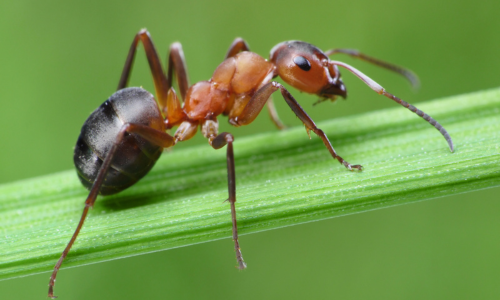
Before taking action, it is important to confirm that you are indeed dealing with pavement ants. Here are some key characteristics:
- Appearance:
- Size: 2.5 to 3 mm.
- Color: Dark brown to black.
- Body: Striated on the head and thorax.
- Habitat:
- Nests located under pavers, sidewalks, slabs, or foundations.
- Mounds of sand or soil near cracks in concrete or stones.
- Behavior:
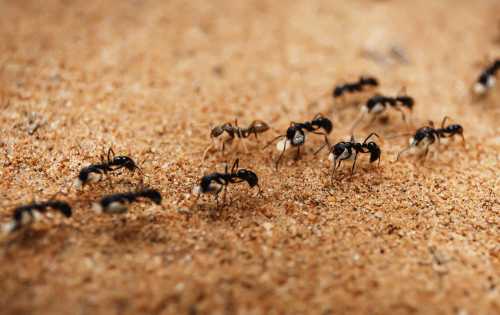
- Move in long trails towards food sources such as food scraps or crumbs.
3. Difference between pavement ants and black ants
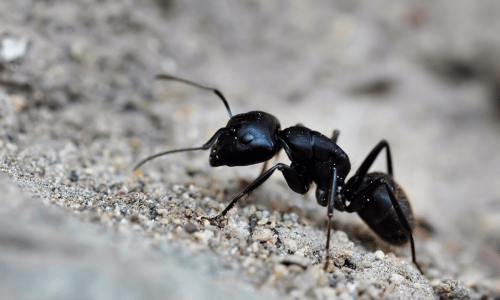
Pavement ants are often confused with black ants (Lasius niger). Here are their main differences:
- Black ants: Larger (3 to 5 mm), they primarily nest in soil and cause minimal structural damage.
- Pavement ants: Smaller (2.5 to 3 mm), they dig under hard surfaces, causing sinkholes and cracks.
It is also common to confuse black ants with carpenter ants, which pose an even greater threat to wooden structures.
4. Preventing pavement ant infestations
Prevention is the best defense against pavement ants. Follow these tips to keep them from settling in:
- Seal cracks: Use caulking to close entry points in foundations, walls, and sidewalks.
- Reduce moisture: Fix leaks and use dehumidifiers, as ants are attracted to damp areas.
- Clean regularly: Remove crumbs, food leftovers, and organic waste that might attract them.
- Avoid accumulations of dirt or sand: These materials can serve as nesting sites for ants.
5. Natural methods to eliminate pavement ants
If an infestation is already in place, start with natural solutions:
- Boiling water: Pour boiling water directly into the mounds to destroy the tunnels and kill the ants.
- White vinegar: Mix equal parts vinegar and water, and spray this mixture on nests and ant trails to disrupt their navigation.
- Diatomaceous earth: Sprinkle this natural powder around nests and cracks. It dehydrates ants and effectively eliminates them.
6. Specialized products and traps for pavement ants
For faster results or in case of a major infestation, use specific products:
- Ant baits: These poisoned baits contain a mix of sugar or proteins that ants carry back to the nest, eliminating the entire colony. Place them near mounds or areas where ant trails are observed.
- Spray or powdered insecticides: Apply them directly to the mounds or cracks. Opt for environmentally friendly products that meet local regulations.
- Sticky traps: Install them at entry points to capture ants trying to enter your home. These traps are also effective for other insects, like flies, and provide a convenient solution to reduce their presence.
7. Calling professionals
If home solutions are not enough or if the infestation is too severe, it is recommended to call a pest management professional.
Why contact Integral XT?
- Precise identification of the species involved.
- Customized and environmentally friendly treatments.
- Long-lasting elimination of pavement ant colonies.
Conclusion
Pavement ants can quickly become a major issue if not treated effectively. By following these prevention and control tips, you can minimize their impact and prevent future infestations.
For severe infestations or tailored solutions, contact Integral XT today for a free evaluation. Our certified experts will help protect your home from these pests.