
Bed bugs are small insects that can cause significant disruption once they settle into a home. Knowing how to recognize a bed bug bite — and what to do about it right away — goes a long way toward managing the situation quickly and effectively. These insects feed exclusively on human blood and bite at night. They are reddish-brown in colour and measure between one and seven millimetres. Bed bugs can survive for several months without feeding, and while they do not transmit disease, their bites can cause intense itching and allergic reactions in some people.
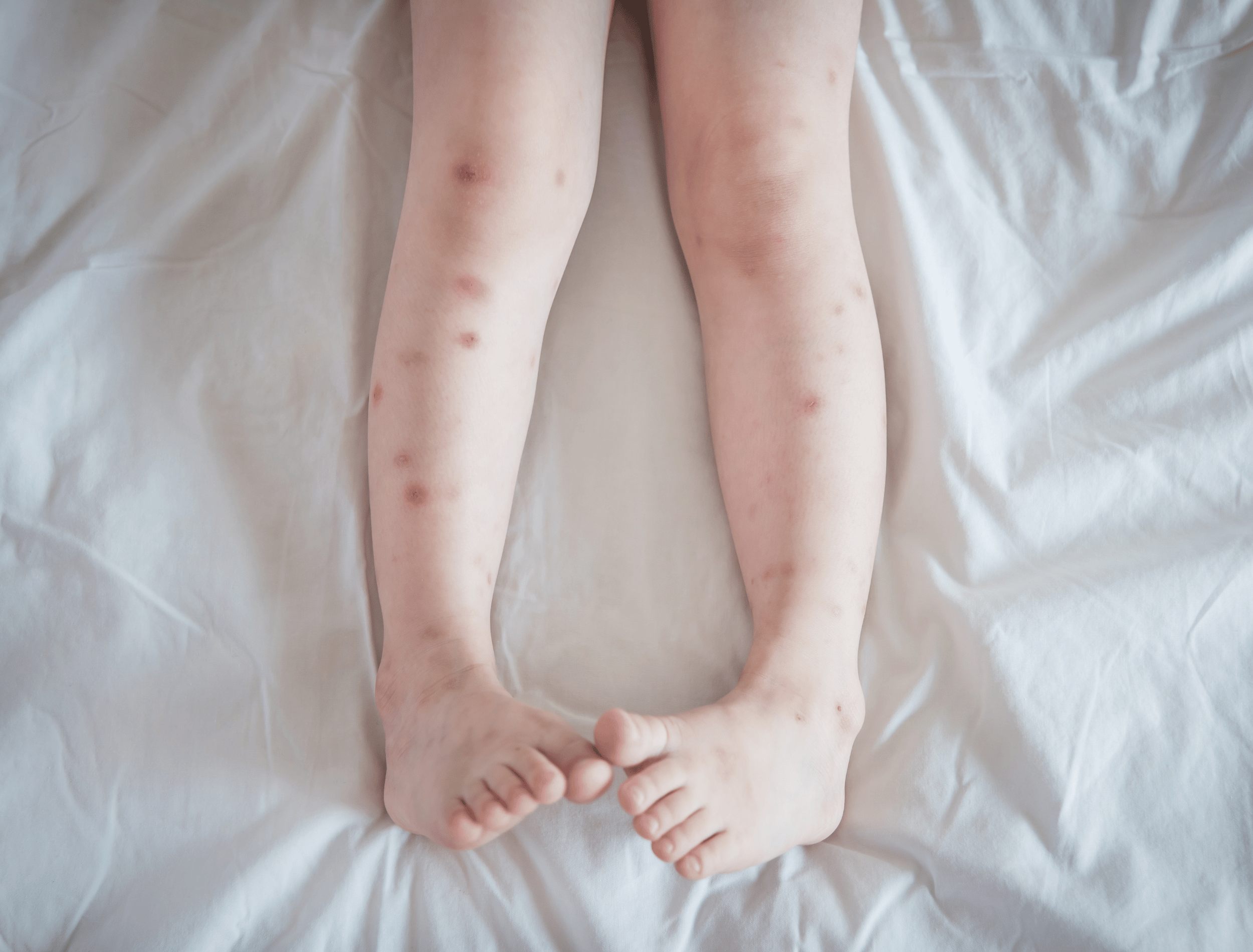
How to Recognize a Bed Bug Bite
Bed bug bites can be mistaken for those of other insects, but they have a few distinctive features worth knowing:
- Redness and itching: bites are typically red and cause intense itching that can last several days.
- Swelling: small, round welts often form around the bite site.
- Pattern: bites tend to appear in straight lines or clusters, particularly on areas exposed during sleep — arms, legs and neck being the most common.
Reactions vary considerably from one person to the next. Some people show no visible symptoms at all, while others develop more pronounced allergic responses.

Common Reactions and Immediate Steps
How people react to bed bug bites varies widely. Some experience nothing at all, while others develop noticeable allergic responses. Here are the steps to take right away:
- Clean the affected area: according to the Government of Quebec, bites should be washed with cool water and unscented soap to prevent infection.
- Relieve the itching: antihistamine creams or soothing lotions can help reduce discomfort.
- Reduce inflammation: a cold compress applied to the bite site can help bring down swelling.
How Is It Different from Other Insect Bites?
Telling a bed bug bite apart from the bite of another insect — a spider, tick, mosquito or flea — can be tricky. Here are some useful distinctions:
Spider Bites
- Spider bites are usually isolated and rarely appear in a line or cluster.
- They tend to cause a more localized reaction, with redness, pain and, in the case of certain species, potential tissue damage.
Tick Bites
- A tick remains attached to the skin, making it easy to identify on sight.
- Tick bites can produce a circular red rash around the bite site, and carry a risk of disease transmission including Lyme disease.
Mosquito Bites
- Mosquito bites tend to be scattered and random rather than grouped.
- They cause moderate itching and typically resolve on their own within a few days without any specific treatment.
Flea Bites
- Flea bites are usually found on the legs or ankles and form small red bumps with a darker centre.
- They cause intense itching and can appear in large numbers within a small area.
Bed bug bites stand out from the rest because of their characteristic linear or clustered pattern on skin that was exposed during sleep.
What to Do After Identifying Bed Bug Bites
If you suspect bed bugs are present in your home, acting quickly is essential to contain the problem. Here are the key steps to follow:
1. Inspect Your Home
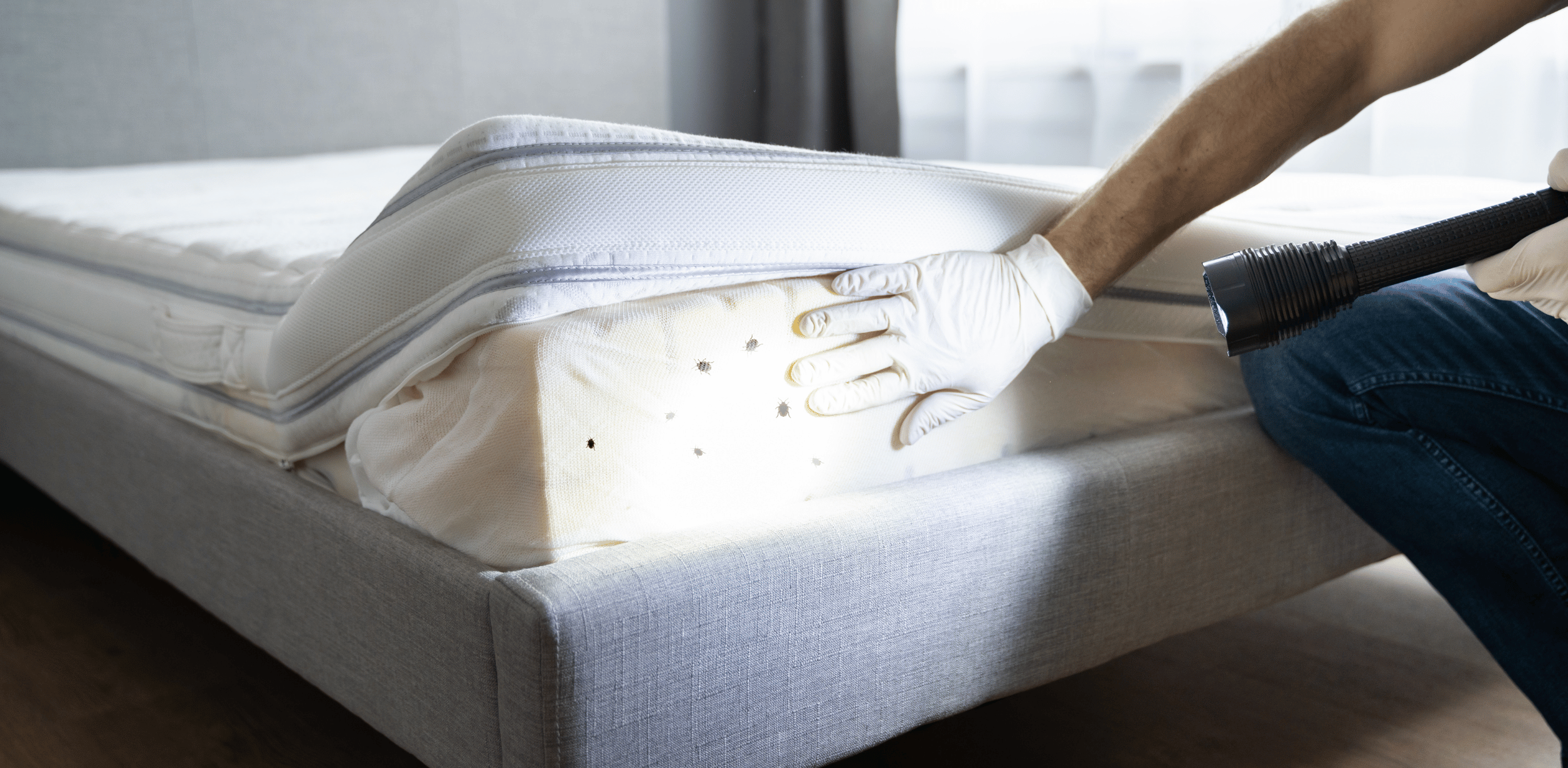
- Look for visible signs on mattresses, box springs, furniture cracks and behind baseboards.
- Check for dark stains (droppings), eggs or live insects.
2. Contain the Spread
- Seal infested clothing and bedding in plastic bags immediately.
- Wash everything at high temperature (at least 60°C) and dry on a high-heat setting.
3. Treat the Infested Area
- Vacuum mattresses, rugs and furniture cracks thoroughly.
- Seal the vacuum bag and dispose of it outside right away to prevent re-infestation.
4. Call in a Professional
- Contact specialists in bed bug extermination for a full assessment and tailored treatment plan.
- Professionals have the tools and expertise needed to fully eliminate bed bugs from your home.
Prevention and Ongoing Vigilance
Once an infestation has been treated, putting a few habits in place can help prevent it from happening again:
- Monitor high-risk areas: inspect your bedding and furniture regularly.
- Protect your mattress: use a bed bug encasement on your mattress and box spring.
- Be careful when travelling: inspect hotel rooms carefully and keep luggage off the bed and floor.
- Wash clothes after returning home: seal items in bags before washing them at high temperature.
Conclusion
Recognizing bed bug bites and acting quickly are the two most important steps in managing an infestation effectively. Taking immediate measures and building in some basic preventive habits can go a long way toward protecting your home and your family.
It is also worth keeping in mind that bed bug infestations can take a psychological toll — anxiety and disrupted sleep are common side effects. Getting on top of the problem early helps resolve not just the physical issue, but also restores peace of mind for everyone in the household.
If you need help or have questions, contact Integral XT. Our pest management team is available to provide tailored solutions and preventive recommendations to help you maintain a safe and comfortable home.
Frequently Asked Questions (FAQ)
Where Do Bed Bugs Most Commonly Bite?
Bed bugs target skin that is exposed during sleep: arms, shoulders, neck, face and legs are the most common areas. They do not bite through clothing or bedding. The clustered or linear pattern of bites on these exposed areas is one of the most reliable identifying signs.
How Long Do Bed Bug Bites Last?
This depends on the individual. For most people, bites clear up within one to two weeks without any specific treatment. Those who are more sensitive may experience prolonged itching and redness. If the reaction is severe or a secondary infection develops from scratching, it is worth consulting a doctor.
Do Bed Bugs Only Bite at Night?
Bed bugs are primarily nocturnal and take advantage of their host’s sleep to feed. That said, a hungry bed bug will bite during the day if the opportunity arises. Their activity is driven more by the presence of a still host than by darkness specifically.