
Bed bugs have become a common problem in many households, causing discomfort and concerns for residents. These nocturnal parasites feed on human blood and often hide in mattresses, box springs, and other areas near sleeping quarters. For more information on identifying bed bug bites, check out this article on our website. Bed bug encasements are a practical and effective solution to protect your bedding and prevent infestations.Attracted by body heat and the carbon dioxide emitted by humans, bed bugs easily proliferate in high-traffic environments like hotels and rental properties. They often hitchhike in luggage or second-hand furniture, facilitating their spread to new locations. This excerpt is based on information provided by Orkin Canada. For more details, consult their full article.
What are bed bug encasements?
Bed bug encasements are specially designed covers for mattresses, box springs, and pillows that prevent bed bugs from entering or escaping. Made with tear and puncture-resistant materials, they form a physical barrier against these pests. The design traps existing bed bugs inside the encasement, where they eventually die from lack of food, while preventing new infestations in the bedding.
The benefits of using bed bug encasements
– Protection against infestations
Bed bug encasements provide an impenetrable barrier for insects, preventing bed bugs from settling in mattresses and box springs. They are especially useful in areas where these pests are common, offering continuous protection and reducing the risk of new infestations.
– Ease of inspection and cleaning
The use of encasements facilitates the visual inspection for signs of infestation, such as droppings or the bugs themselves. The surface of the encasements is generally smooth and easy to clean, allowing for quick removal of any traces of bed bugs and maintaining a clean environment.
– Prolongation of mattress life
By protecting the mattress from stains, debris, and wear, encasements extend the life of your bedding. They also offer protection against dust mites and allergens, contributing to healthier sleep.
– Comfort and safety
Many encasements are made with hypoallergenic materials, providing additional protection against allergies. They are also breathable, ensuring optimal comfort while preventing moisture buildup.
How to choose the right encasement
To choose an effective bed bug encasement, it is important to consider several criteria:
Material and durability
The most commonly used materials for bed bug encasements include:
- Polyester: Durable and resistant, polyester is often paired with a polyurethane membrane for waterproof protection. It is the most common material for bed bug encasements due to its strength and ability to block liquids and allergens.
- Cotton: Sometimes used for its softness and comfort, cotton is generally combined with a waterproof layer to prevent bed bugs from penetrating.
- Tencel®: A natural and breathable material, soft to the touch, often used for premium encasements. Tencel® is known for being eco-friendly and providing a cool sensation.
- Reinforced Microfibers: Used for their resistance to tears and punctures, these fibers are ideal for those seeking robust protection.
Certifications and standards
To ensure the effectiveness of bed bug encasements, look for the following certifications:
- Health and safety certifications: Such as OEKO-TEX® Standard 100, which guarantees that textile products are free from harmful substances.
- Allergen protection certifications: Like the certification from the Asthma and Allergy Foundation of America (AAFA), which validates the effectiveness of products against allergens.
- Waterproof certifications: Ensure that the encasement is certified for its ability to block liquids, often indicated by waterproof testing standards.
Size and fit
The size of the encasement is a key factor for effective protection. It is essential to choose an encasement that perfectly fits your mattress or box spring. Common sizes include:
- Twin (90 x 190 cm)
- Full/Double (140 x 190 cm)
- Queen (160 x 200 cm)
- King (180 x 200 cm)
- California King (180 x 210 cm)
For fit, it is also important to check the height of the mattress. Encasements are often designed for specific heights, such as:
- 9 inches (22 cm): For standard mattresses
- 12 inches (30 cm): For thicker mattresses
Be sure to measure the height of your mattress to choose an encasement that fits well and provides complete protection.
By considering these criteria, you can choose a bed bug encasement that not only effectively protects but also ensures comfort and durability.
Top 5 best bed bug encasements
To effectively protect your bedding from bed bugs, it’s crucial to choose high-quality encasements made from specific materials. Here are our top five bed bug encasements, along with details on their materials:
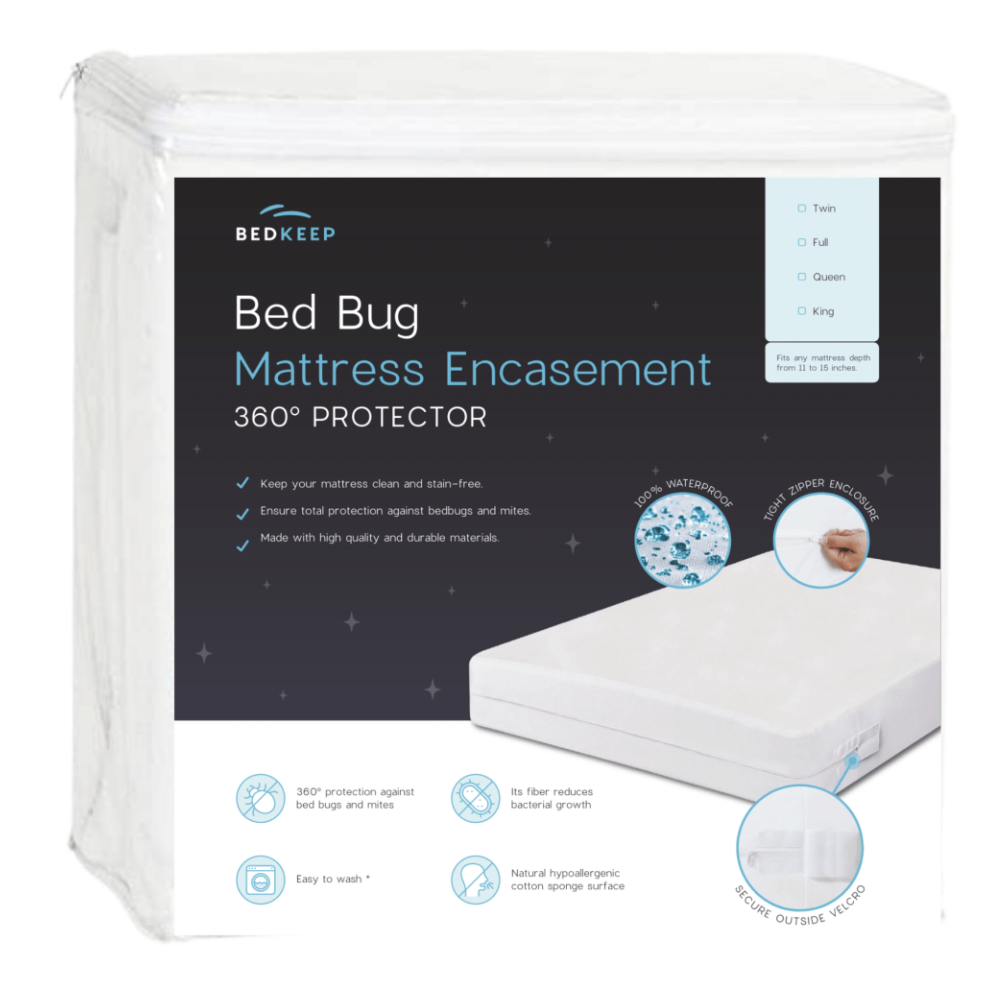
1. BedKeep
BedKeep encasements are made from reinforced microfiber fabric and polyester. They are designed to be tear-resistant and waterproof, offering durable protection against bed bugs. Visit BedKeep
2. CleanRest
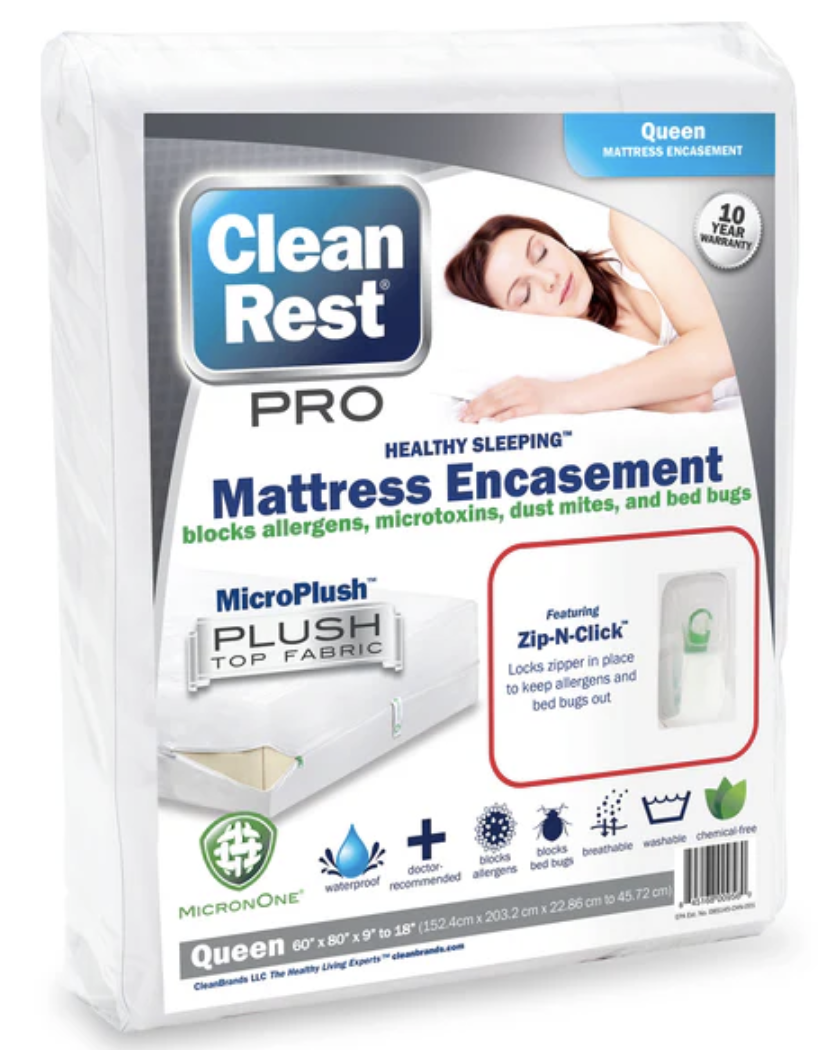
CleanRest uses a patented material called “MicronOne®,” which is waterproof and hypoallergenic. This unique fabric prevents allergens and bed bugs from penetrating the mattress while offering a soft and comfortable sleeping surface. Shop at CleanRest
3. Protect-A-Bed
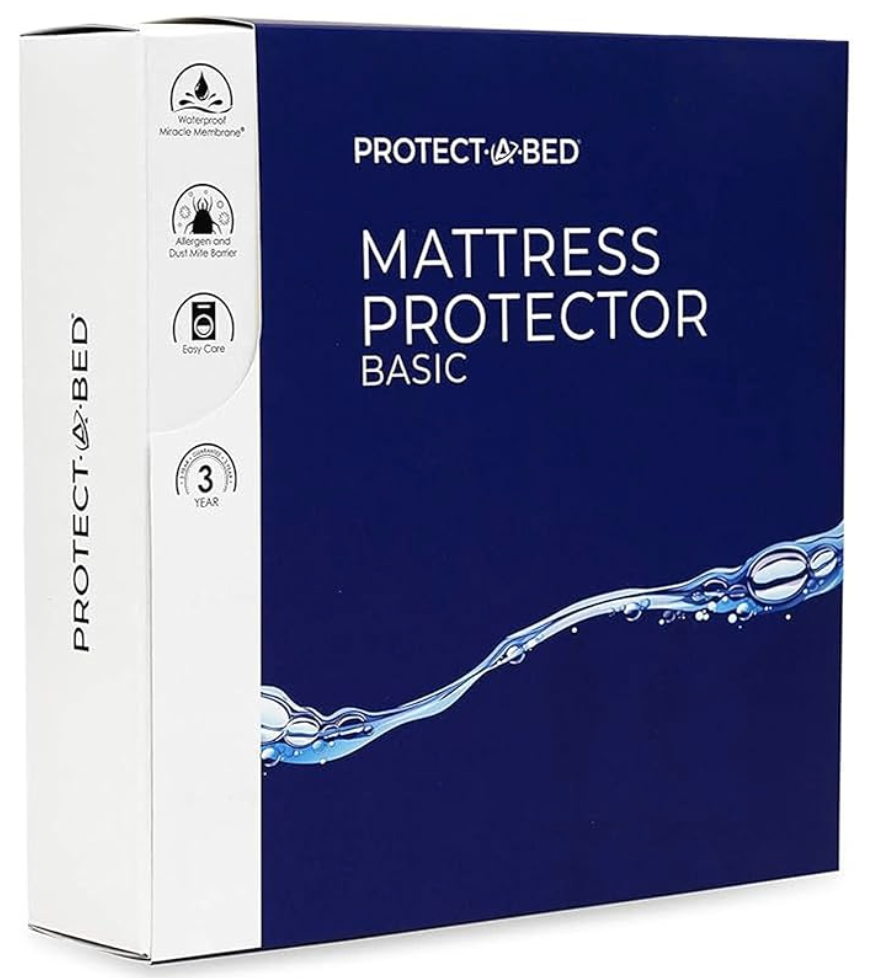
Protect-A-Bed encasements are made from durable polyester and feature a waterproof polyurethane membrane. This combination blocks liquids, bed bugs, and allergens while allowing air to circulate, ensuring a comfortable and hygienic sleeping environment. The secure zipper provides complete protection, preventing any pests from escaping. For more information, visit Protect-A-Bed on Amazon.
4. Protech Allergies
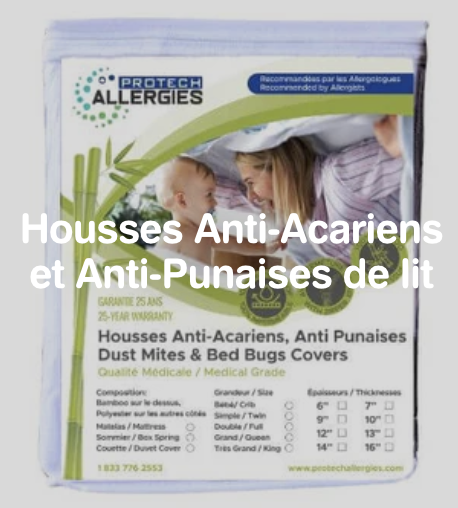
Protech Allergies offers encasements made with high-density microfiber fabric and a polyurethane layer. This material is effective at blocking dust mites, bed bugs, and allergens while being breathable and comfortable. Discover Protech Allergies
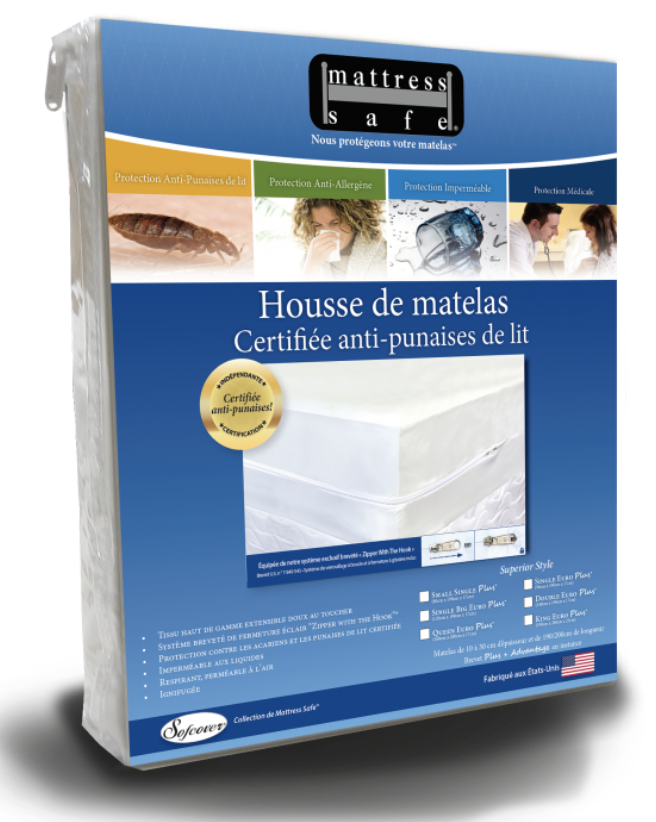
5. Mattress Safe
Mattress Safe encasements use high-quality knitted polyester fabric combined with a polyurethane membrane that is waterproof and bed bug resistant. They are also designed to be durable and easy to clean. Visit Mattress Safe
Proper installation and maintenance
Installation
When installing a bed bug encasement, it’s crucial to follow the manufacturer’s instructions. Proper installation includes fully sealing the encasement with a secure zipper to prevent any escape.
Maintenance
Maintain the encasements by regularly cleaning them according to the manufacturer’s recommendations, usually at a low temperature. This helps preserve their effectiveness and maintain a healthy environment.
Conclusion
Bed bug encasements are a practical and effective solution for protecting your bedding from bed bug infestations. By investing in these encasements, you can safeguard your home and ensure a healthy and comfortable sleeping environment. To identify bed bugs and get more advice on their extermination, check out this article on our website.