
You just found a cockroach in your home. This is not the time to panic, but it is not the time to ignore it either. Here is exactly what to do, in what order, to limit the risks and determine whether the situation calls for professional intervention.
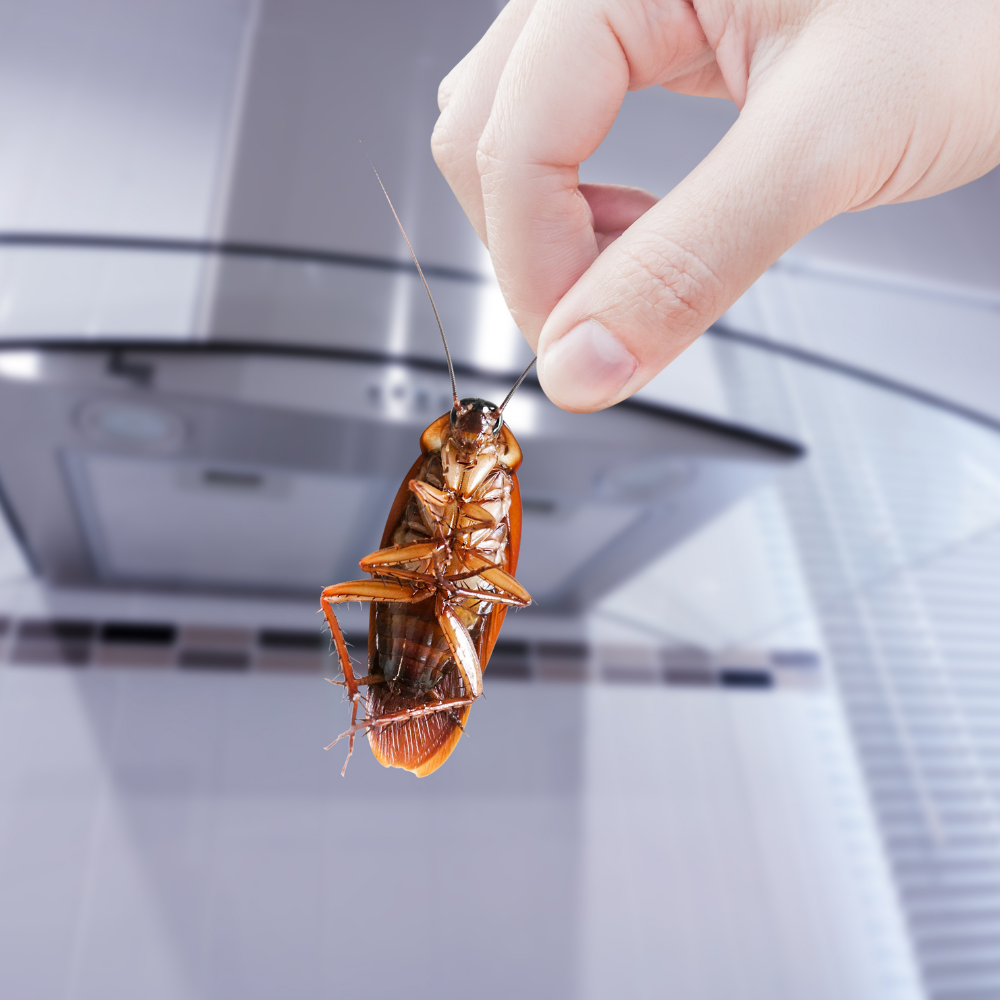
Is It Serious to Have Found Just One Cockroach?
Not necessarily. In Montreal apartment buildings, it is not uncommon for a lone cockroach to move from one unit to another without others being present. A cockroach spotted at night, in an otherwise clean home with no other signs, may be an isolated case.
That said, a cockroach spotted during the day warrants immediate attention. These insects are nocturnal by nature: seeing one in daylight typically means the population in the surrounding area is already significant. The same applies if you find droppings (small black specks), egg cases (dark brown capsules) or detect an unusual oily smell. In those situations, act without delay.
How Do Cockroaches Get Into a Home?
Understanding how they enter helps you target the right actions.
Through Ducts and Cracks
In the duplexes, triplexes and multi-unit apartment buildings typical of Montreal, cockroaches move freely between units through shared plumbing lines, foundation cracks, spaces around pipes and common wall passageways. They do not need to go outdoors to travel from one apartment to the next.
Sewers and drainage systems are also frequent entry points, particularly for the American cockroach, which favours these dark, humid environments.
Through Objects Brought Into the Home
Cockroaches, and especially their egg cases, can hide in cardboard boxes, grocery bags, second-hand furniture or used appliances. In Quebec, the moving season around July 1st is a particularly high-risk period for this type of spread.
Clothing can also be a carrier, especially if items were stored in an infested location or transported from an infested home. A quick inspection of belongings brought in from an unknown source is always a worthwhile precaution.
The 6 Steps to Take Immediately
1. Stay Calm and Identify the Insect
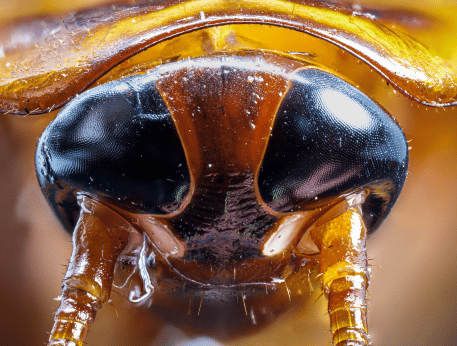
First, make sure you are actually dealing with a cockroach. These insects are recognizable by their flat, oval body, long antennae, spiny legs and colouring ranging from pale brown to dark brown depending on the species. Our cockroach identification guide can help you confirm the species.
There are three common species in Montreal: the German cockroach (small, pale brown, found in kitchens and bathrooms), the American cockroach (large, reddish-brown, found in basements and sewers) and the Oriental cockroach (dark brown to black, found in cool cellars and basements). Identifying the species will help you know where to look for further signs.
2. Clean the Area Immediately
Thoroughly clean the area where you spotted the cockroach using warm soapy water. This removes pheromone traces that cockroaches use to communicate and attract others. Pay particular attention to kitchen surfaces, cabinet corners and the area under the sink.
3. Seal Entry Points
Inspect the areas around pipes, window and door frames, electrical outlets and any cracks in walls or floors. Use caulk or silicone to seal any openings through which a cockroach could pass. Their extremely flat bodies allow them to squeeze through gaps of just a few millimetres.
4. Set Sticky Traps
Sticky traps serve two purposes: they catch cockroaches and allow you to monitor the extent of the problem. Place them in strategic locations: under the sink, behind the refrigerator, under the stove, in cabinet corners and in dark areas of the basement. Check them after 48 to 72 hours to assess activity levels.
If several cockroaches are caught quickly, this is a strong indicator that an infestation is already underway. For more information on approved pest control products, consult Health Canada’s guidance on the safe use of pesticides.
5. Eliminate Food and Water Sources
Cockroaches need food and water to survive and reproduce. Store all food in airtight containers, including pet food. Repair leaks under the sink or around pipes, do not leave standing water in sinks or pet bowls, and regularly clean up crumbs under appliances.
6. Inspect High-Risk Areas
Once the immediate steps are in place, carry out a methodical inspection of areas most likely to harbour cockroaches: under kitchen and bathroom sinks, behind and beneath appliances, in rarely used cupboards, behind baseboards, in basement storage areas and around heating ducts. Look for droppings, egg cases or shed skins (empty casings left by growing nymphs).
Long-Term Prevention
Immediate steps address a single discovery. To prevent the situation from recurring, a few regular habits make a significant difference.
Vacuum regularly under and behind appliances, clean up food residue after every meal and use lidded garbage bins that you empty frequently. These simple actions substantially reduce the resources available to cockroaches.
Also make a habit of inspecting high-risk areas in your home once a month, especially after a neighbour moves in or new items are brought into your apartment. Early detection allows you to act well before an infestation takes hold.
When to Call a Professional
Some situations go beyond what can be managed on your own. It is time to contact a professional exterminator if you observe any of the following:
- You spot multiple cockroaches, especially during the day.
- You find egg cases in several different locations.
- Sticky traps catch a significant number of cockroaches in a short period.
- You detect a persistent oily or musty odour.
- The steps you have taken have had no effect after one week.
An important note for tenants: in Quebec, it is the landlord’s legal responsibility to treat a cockroach infestation in a rental property. If you are a tenant, notify your landlord in writing as soon as possible. It is important not to treat the unit yourself with products available at hardware stores, as this can complicate professional treatment and, in some cases, scatter insects into other units. The Montreal Regional Public Health Department outlines the recourse available if your landlord does not respond.
To better understand which species you are dealing with, read our article on cockroach species found in Montreal.
Conclusion
Finding a cockroach at home is unpleasant, but it is a situation that can be managed effectively when you act quickly and methodically. The six steps outlined in this article help you reduce the risks within the first few hours. If signs of infestation persist or multiply, professional intervention remains the safest and most lasting solution. The Integral XT team is available to assess the situation and respond promptly.
Frequently Asked Questions (FAQ)
Can Cockroaches Live in Clothing?
Cockroaches do not permanently settle in clothing. However, they can hide there temporarily, especially if items were stored in an infested location or left on the floor for an extended period. Their egg cases can also cling to fabric. If you are returning from a move or have stored belongings in an unknown location, inspect your clothing before putting it away.
What Does a Baby Cockroach Look Like?
Nymphs look like adults but are smaller and wingless. Depending on the species, they measure between 3 and 6 mm in their earliest stages. They are often darker than adults and move quickly. Their presence is a significant warning sign: if you see nymphs, reproduction is already underway in your home.
Can a Cockroach Enter Through the Plumbing?
Yes, this is a frequent entry route, particularly for the American cockroach. These insects can climb up through the traps of rarely used drains and spaces around poorly sealed pipes. Pouring water regularly into rarely used drains and checking the seal around pipes are two simple and effective preventive measures.
How Long Does It Take for an Infestation to Develop?
It depends on the species. The German cockroach, the most common in residential settings, can go from a handful of individuals to a significant infestation within a few weeks, as its nymphs reach maturity in approximately 60 days. This is why it is better to act at the first sign rather than waiting to see whether the problem worsens.