
Table of Contents
- Why Are Ant Infestations Such a Persistent Issue in Montreal?
- Ranking of 5 Ant Extermination Methods by Cost and Effectiveness
- Choosing the Right Ant Control Solution: Recommendations and Best Practices
- Conclusion
- What is the most effective ant extermination method for Montreal homes?
- How do I know which ant species is invading my property?
- Are DIY ant control solutions effective in Montreal?
- What are the risks of using over-the-counter ant sprays?
- How can I prevent ants from returning after extermination?
- When should I call a professional for ant extermination in Montreal?

Why Are Ant Infestations Such a Persistent Issue in Montreal?
Ant infestations in Montreal persist due to climate, building structures, and diverse ant species, leading to property damage, food contamination, and recurring invasions if not addressed holistically.
Montreal’s urban landscape and climate create ideal conditions for ant colonies to thrive. The city’s mix of older and newer buildings often means cracks, gaps, and utility penetrations—prime entry points for ants seeking food or shelter. Spring’s thaw and summer humidity drive ants indoors, especially species like carpenter ants and pavement ants, which are highly adaptive to both residential and commercial environments.
Carpenter ants, for example, can cause significant structural damage by tunneling through wood, often going undetected until repairs become costly. Meanwhile, pavement ants and odorous house ants are notorious for contaminating food supplies and quickly establishing satellite colonies. In multi-unit dwellings, such as apartments and condos, shared walls and utilities allow infestations to spread rapidly between units, making control more complex.
DIY treatments, especially over-the-counter sprays, often worsen the problem. Repellent sprays can cause colonies to “bud,” splitting into multiple nests and making eradication even harder. Effective ant control requires precise identification and targeted strategies, as highlighted in Carpenter Ant Vs Black Ant, since misidentification can lead to ineffective or even counterproductive treatments.
Montreal’s regulations and best practices also emphasize minimizing pesticide use indoors, favoring integrated pest management (IPM) approaches that combine exclusion, sanitation, and targeted baiting. Residents must remain vigilant, as ant activity often recurs annually if nests are not fully eliminated. The table below summarizes the main risks and challenges unique to Montreal’s context:
| Challenge/Factor | Impact on Infestation | Montreal-Specific Note |
|---|---|---|
| Humid summers | Boosts ant breeding/activity | Peaks in late spring through summer |
| Building age/structure | Provides entry and nesting sites | Common in Plateau, Villeray, NDG |
| Multi-unit dwellings | Rapid spread between units | High-density boroughs at higher risk |
| DIY spray misuse | Colony budding, resistance | Frequent in self-managed properties |
| Species diversity | Varied control requirements | Carpenter, pavement, Pharaoh ants |
| Regulatory environment | Pesticide use restrictions | IPM and prevention prioritized |
Understanding these factors is crucial for homeowners and property managers aiming to prevent and resolve ant problems efficiently and sustainably.
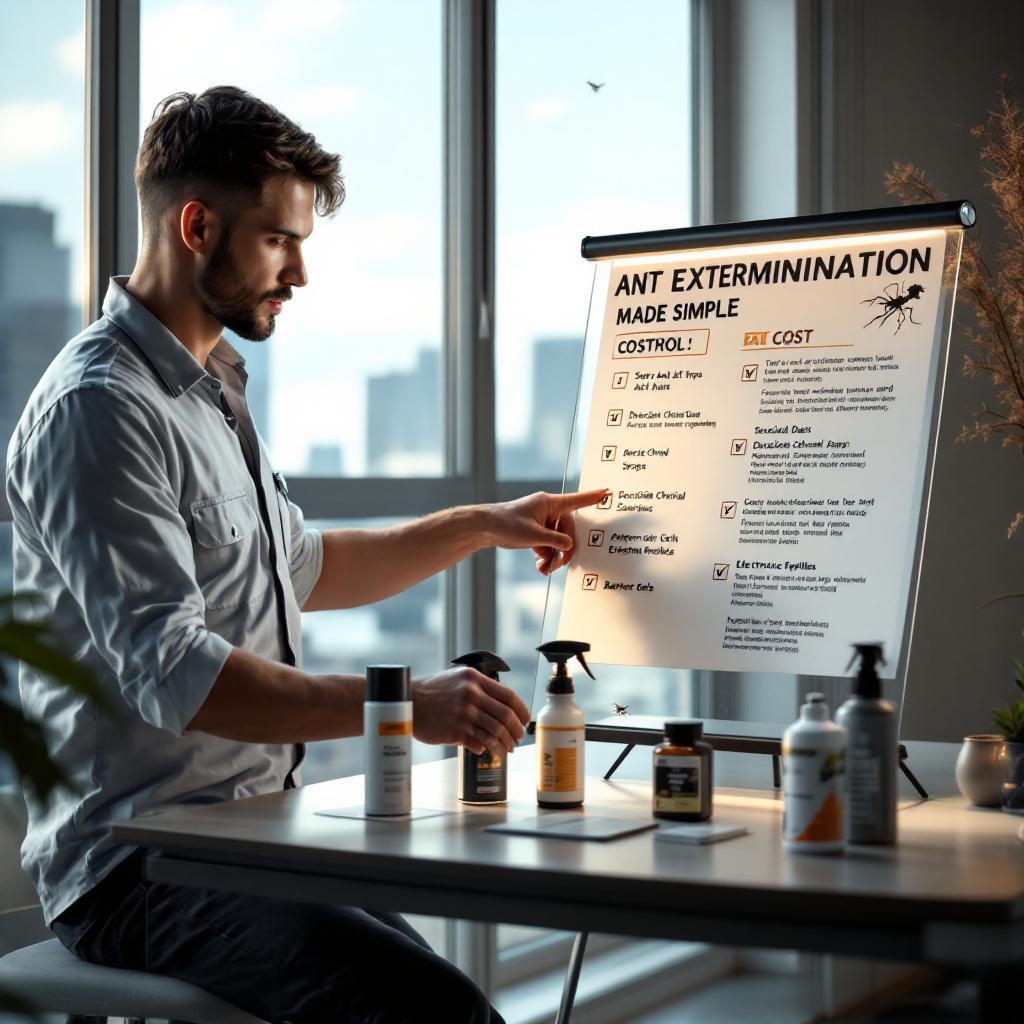
Ranking of 5 Ant Extermination Methods by Cost and Effectiveness
Which Ant Extermination Methods Offer the Best Value for Montreal Homes and Businesses?
For most Montreal properties, non-repellent perimeter sprays rank highest for effectiveness and value, followed by gel baits, granular baits, dusts, and DIY solutions.
When evaluating ant extermination options, both cost and real-world effectiveness matter. In Montreal, the urban landscape, mixed housing, and seasonal climate shape which methods work best. Here’s a breakdown of the five most common approaches, ranked for local relevance:
- Non-Repellent Perimeter Sprays
These professional-grade sprays (e.g., indoxacarb, fipronil) create an invisible barrier around your home or business. Ants cross the treated zone, pick up the active ingredient, and transfer it to the colony. Studies consistently show perimeter sprays deliver the fastest and most complete elimination—often within 24-48 hours—making them the top choice for heavy or recurring infestations. While the upfront cost is moderate to high, the need for fewer repeat treatments means better long-term value. Sprays are also less affected by sanitation issues or competing food sources, which is crucial in dense Montreal neighborhoods. For more on species-specific approaches, see Carpenter Ant Pest Control. - Gel Baits
Gel baits exploit ants’ food-sharing habits. They’re discreet, easy to apply indoors, and highly targeted. However, their effectiveness depends on proper placement, ant species, and minimal competing food. Gel baits are slower than sprays—expect a gradual decline over 7-14 days. They’re cost-effective for smaller infestations or sensitive areas where sprays aren’t ideal. - Granular Baits
Granular baits are scattered outdoors, targeting foraging ants. They’re useful for large yards or when nests are hard to locate. Effectiveness varies: they work best when ants are actively foraging and there’s little competition from other food. Granular baits are affordable, but results are slower (up to several weeks). - Dusts
Insecticidal dusts are applied to wall voids, electrical outlets, or cracks. They’re especially useful for hidden nests, such as those of carpenter ants. Dusts can be potent but require careful application to avoid colony budding or dispersal. Costs are moderate, and effectiveness is high when nests are accessible. - DIY Natural or Over-the-Counter Solutions
These include borax mixtures, vinegar sprays, or retail bait stations. While inexpensive, they rarely eliminate colonies—especially for persistent species like odorous house ants or Pharaoh ants common in Montreal. DIY methods may reduce visible activity but often lead to recurring problems.
| Method | Upfront Cost | Speed of Results | Effectiveness | Best Use Case |
|---|---|---|---|---|
| Non-Repellent Perimeter Spray | $$$ | 1-2 days | ★★★★★ | Severe/recurring infestations |
| Gel Baits | $$ | 7-14 days | ★★★★☆ | Indoors, sensitive environments |
| Granular Baits | $ | 2-4 weeks | ★★★☆☆ | Large outdoor areas |
| Dusts | $$ | 3-7 days | ★★★★☆ | Wall voids, hidden nests |
| DIY/OTC Solutions | $ | Varies | ★★☆☆☆ | Minor, early-stage problems |
Choosing the right method depends on ant species, infestation size, and property type. For persistent or complex infestations, professional assessment ensures the most cost-effective and lasting result. If you’re unsure which approach fits your situation, How To Eliminate Ants In Home offers practical guidance tailored to Montreal conditions.
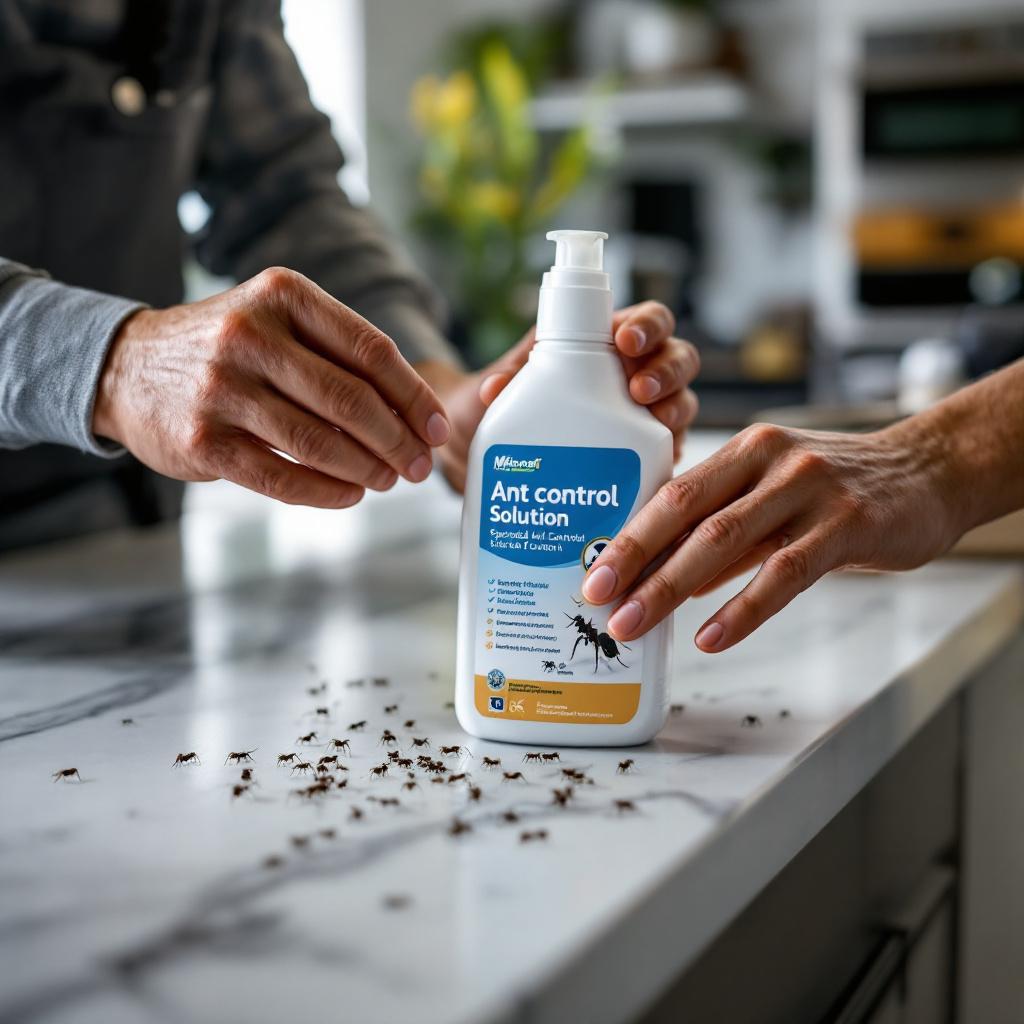
Choosing the Right Ant Control Solution: Recommendations and Best Practices
How do you match ant control methods to your property and infestation type?
Select ant control based on ant species, infestation size, property layout, and local regulations for best results.
Choosing the right ant control approach in Montreal starts with accurate identification. Different ant species—such as carpenter ants, pavement ants, or Pharaoh ants—require tailored solutions. For example, carpenter ants often nest in damp wood and may demand targeted dust or foam treatments in wall voids, while pavement ants respond well to perimeter sprays or granular baits outdoors. If you’re uncertain about the species, Carpenter Ant Vs Black Ant offers a practical guide to distinguishing common local ants.
The size and location of the infestation also shape your strategy. Small, isolated problems may be managed with gel baits or DIY solutions, but large or recurring infestations—especially in multi-unit buildings—typically call for professional-grade non-repellent sprays or a combination of methods. Montreal’s building types, from historic triplexes to modern condos, often feature hidden voids and shared walls that allow ants to spread quickly. In these cases, perimeter treatments and exclusion (sealing entry points) are crucial.
Local regulations and best practices, as outlined by the Gouvernement du Québec, emphasize minimizing indoor pesticide use and prioritizing prevention and natural methods. This means integrating thorough cleaning, moisture control, and sealing with rodent-proof materials before resorting to chemical options. Always read product labels and follow Health Canada’s safety guidelines if using pesticides.
A common concern is whether to attempt DIY control or call a professional. If you’ve tried multiple products with limited success, or if you’re dealing with wood-destroying ants, a professional assessment ensures the most effective and safe outcome. For persistent issues, consider a home protection plan that combines regular monitoring, exclusion, and targeted treatments.
| Factor to Consider | Best Practice/Method | Notes for Montreal Properties |
|---|---|---|
| Ant species | Identify before treating | Use visual guides; species affect method choice |
| Infestation size | Match method to severity | Large/recurring = pro-grade sprays/baits |
| Property type | Adapt to building layout | Multi-unit = focus on perimeter/exclusion |
| Regulations/safety | Minimize indoor pesticides | Follow Québec pest management guidelines |
| Prevention/exclusion | Seal entry points, clean | Use rodent-proof mesh, fix leaks, declutter |
Conclusion
Ant infestations are a persistent challenge in Montreal due to the city’s unique combination of climate, building structures, and diverse ant species. Factors like humid summers, aging buildings with structural gaps, and the prevalence of multi-unit dwellings create ideal conditions for ants to invade and spread. DIY treatments often fall short or even worsen the problem, making it essential to approach ant control with targeted, informed strategies that align with local regulations and best practices.
Among the five most common ant extermination methods, non-repellent perimeter sprays consistently deliver the best balance of cost and effectiveness for Montreal homes and businesses, especially in severe or recurring cases. Gel baits and dusts offer strong results for specific scenarios, while granular baits and DIY solutions are best suited for minor or early-stage infestations. The key to successful ant control lies in accurate species identification, matching the method to the infestation’s size and location, and integrating prevention through exclusion and sanitation. Montreal’s regulatory environment further underscores the importance of minimizing indoor pesticide use and prioritizing integrated pest management (IPM) approaches.
For property owners and managers, the implications are clear: proactive, informed action is crucial. Start by identifying the ant species and assessing the severity of the problem. Combine exclusion techniques, moisture control, and cleanliness with the most suitable extermination method for your situation. If you face persistent or complex infestations—especially those involving carpenter ants or multi-unit properties—consulting a local pest control expert ensures safe, effective, and lasting results. Ongoing vigilance and regular maintenance are your best defenses against Montreal’s recurring ant challenges.
Frequently Asked Questions (FAQ)
What is the most effective ant extermination method for Montreal homes?
The most effective method for most Montreal properties is a professional-grade non-repellent perimeter spray. These treatments create an invisible barrier that ants unknowingly cross, carrying the active ingredient back to the colony and eliminating it at the source. This approach is especially effective for severe or recurring infestations and is less impacted by sanitation issues or competing food sources, which are common in dense urban environments.
How do I know which ant species is invading my property?
Accurate identification is crucial because different ant species require different control strategies. In Montreal, common species include carpenter ants, pavement ants, and Pharaoh ants. Carpenter ants are large and often found near damp wood, while pavement ants are smaller and typically nest in cracks in pavement or foundations. Using visual guides or consulting a pest control professional can help you distinguish between species and choose the most effective treatment (Carpenter Ant Vs Black Ant).
Are DIY ant control solutions effective in Montreal?
DIY solutions, such as borax mixtures, vinegar sprays, or retail bait stations, are inexpensive and may reduce visible ant activity in minor or early-stage infestations. However, they rarely eliminate entire colonies, especially for persistent species like odorous house ants or Pharaoh ants. In many cases, DIY treatments can cause colonies to split and spread, making professional intervention necessary for lasting results.
What are the risks of using over-the-counter ant sprays?
Over-the-counter repellent sprays can actually worsen ant infestations by causing a phenomenon known as “budding,” where the colony splits into multiple nests. This makes eradication more difficult and can lead to recurring problems. Additionally, improper use of sprays may not comply with Montreal’s regulations, which prioritize minimizing indoor pesticide use and favor integrated pest management (IPM) approaches.
How can I prevent ants from returning after extermination?
Prevention is key to long-term ant control. Seal all entry points, such as cracks and gaps around windows, doors, and utility lines. Maintain a clean environment by promptly cleaning up food spills, storing food in airtight containers, and managing moisture issues like leaks or damp wood. Regularly inspect your property for signs of ant activity, especially in spring and summer when infestations peak.
When should I call a professional for ant extermination in Montreal?
You should seek professional help if you have a large, persistent, or recurring infestation, if you’re dealing with wood-destroying ants like carpenter ants, or if DIY methods have failed to resolve the problem. Multi-unit buildings and properties with complex layouts often require expert assessment and treatment to ensure all nests are eliminated and to prevent the infestation from spreading to neighboring units. A professional can also ensure compliance with local regulations and recommend a comprehensive prevention plan.