
Table of Contents
- Cockroach Identification and Risk Assessment
- Visual and Behavioral Characteristics
- Infestation Scale Evaluation
- Environmental Risk Mapping and Mitigation Considerations
- Treatment Planning and Application Methods
- Strategic Treatment Design
- Application Techniques for Mixed Control
- Monitoring and Adaptive Strategies
- DIY vs. Professional Extermination Strategies
- Cost and Resource Analysis
- Method Efficacy and Safety Protocols
- Integration of Long-term Management Approaches
- Integrated Pest Management and Follow-Up
- Post-Treatment Evaluation Protocols
- Data-Driven Adjustments and Continuous Follow-Up
- Sustainable Follow-Up Strategies in an Integrated Framework
- Conclusion
Cockroaches are among the most resilient pests, posing significant health and sanitation risks within homes. Their rapid reproduction and adaptive behaviors require a comprehensive approach that combines immediate, targeted interventions with long-term preventive actions. This report outlines an integrated pest management (IPM) strategy that utilizes both chemical and non-chemical methods to swiftly reduce active infestations while safeguarding the environment and human health.
Immediate response tactics include the precise application of safe, professional-grade insecticides—applied to cracks, crevices, and other typical harborage sites—coupled with strategically placed traps to monitor and capture survivors. Equally important are non-chemical practices such as enhanced sanitation, exclusion measures that seal entry points, and environmental modifications that eliminate food and water sources. These steps not only provide a rapid knockdown of cockroach populations but also disrupt their lifecycle to prevent re-infestation.
Safety protocols form the cornerstone of this approach. Proper protective gear, adherence to label directions, and careful handling of all chemical agents ensure minimal risk to inhabitants and pets. Meanwhile, ongoing monitoring and routine inspections help to preserve the long-term success of the extermination efforts.
Drawing on the latest research and expert practices as of March 11, 2025, this guide delivers a streamlined, research-based roadmap for achieving fast and effective cockroach control in any residential setting.
Cockroach Identification and Risk Assessment
Visual and Behavioral Characteristics
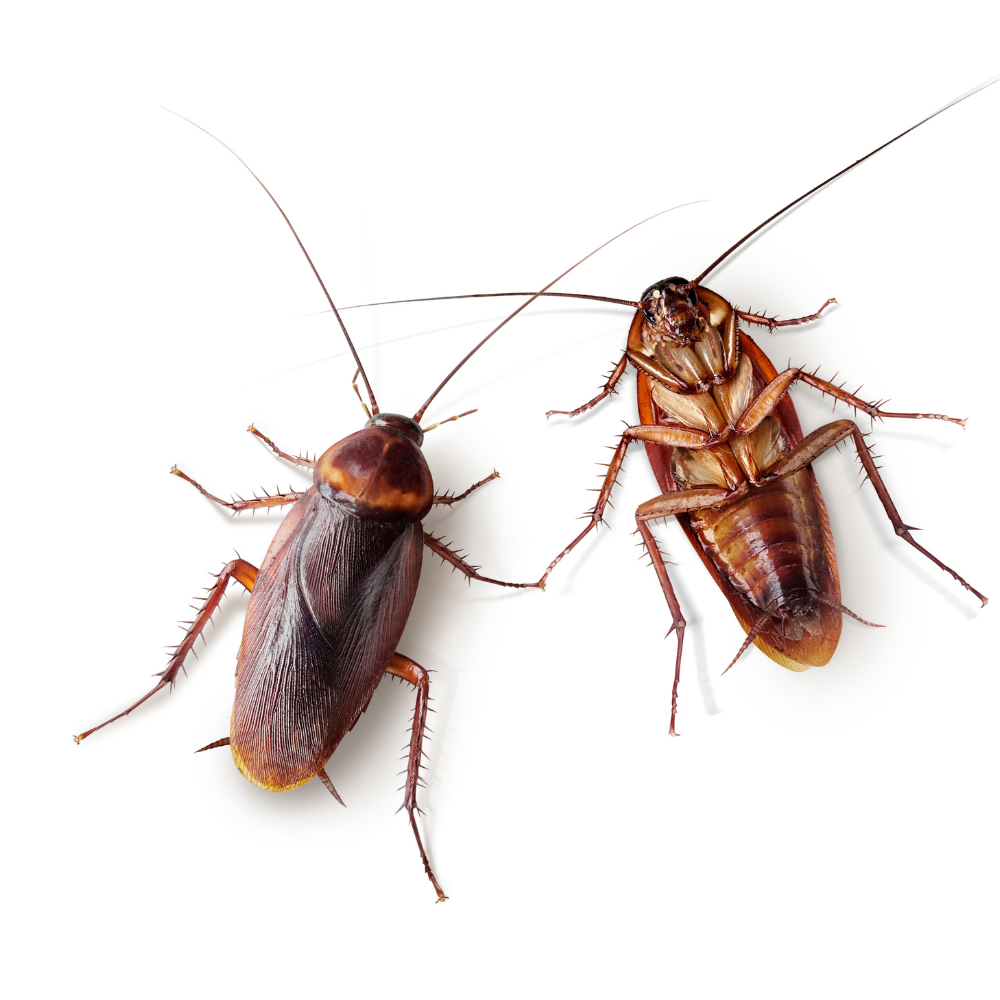
Cockroach identification begins with careful observation of physical attributes and behavior. Multiple species exist, each displaying unique external features. For example, some species are small and light in color with distinct stripes, while others are larger with a reddish hue and prominent markings. These differences in size, coloration, and habitat preferences help in determining which species are present. Detailed observation of body shape, leg structure, and antenna length contributes to a reliable species identification and can inform subsequent risk assessments. Features such as rapid movement, nocturnal activity, and sheltering behind appliances are indicative of various cockroach species. Information integrated from detailed reviews of urban infestations suggests that a firm understanding of these characteristics forms the foundation for risk evaluation. For additional insights on managing these pests and recognizing their traits, refer to Cockroach Pest Control which provides further expert analysis of species differences. Immediate response strategies become more targeted when the pest has been accurately identified; sometimes prompt measures must be taken as soon as sightings are confirmed through immediate action when discovering a cockroach protocols and community trends can be observed in urban settings such as those detailed by cockroaches in Montreal.
A concise table enhances clarity by comparing key species traits:
| Species | Size (inches) | Color & Markings | Typical Habitat |
|---|---|---|---|
| German Cockroach | 0.5 – 0.75 | Light brown with dark transverse stripes | Kitchens, bathrooms, and other indoor areas |
| American Cockroach | 1.25 – 2.0 | Reddish-brown with subtle yellow markings | Basements, sewers, both indoor and outdoor spaces |
| Oriental Cockroach | 1.0 – 1.25 | Dark, ranging from reddish-brown to near black | Damp and humid areas like crawl spaces or poorly ventilated basements |
Observations of each species’ behavior—in combination with physical features—permit a preliminary classification. This classification is a critical input into estimating the level of infestation and informs the risk assessment process. The variation in reproductive speed, environmental adaptability, and tendency to contaminate food all contribute to the differing risks associated with each species.
Infestation Scale Evaluation
Assessing infestation levels requires a systematic approach that involves both qualitative observation and quantitative monitoring. After species identification, key factors are noted to evaluate the severity of the problem. In monitoring efforts, counts of individual cockroaches, frequency of sightings, and activity levels are used to indirectly measure the reproduction rate and overall density of the infestation. Effective evaluation may involve using sticky traps strategically placed in suspected areas; the number of captures over a fixed period can serve as a proxy for the population size. In some settings, a count of fewer than five individuals observed in a designated area might indicate a low-level presence, whereas counts exceeding twenty within a short period could signal a more extensive infestation requiring targeted intervention.
Environmental factors also serve as quantitative markers for risk. Areas with persistent moisture issues or those where food residues are common tend to promote higher cockroach activity, indicating a correlation between building maintenance and infestation risk. By correlating these factors with systematic visual counts, an overall risk level for a given space can be determined. For example, urban dwellings that exhibit typical issues such as leaking pipes, unsealed entry points, or accumulated waste often display higher incidences of cockroach sightings. These factors are typically recorded over an observation period to generate a reliable footprint of infestation levels.
The evaluation process is not confined solely to direct counts. Indirect indicators—such as the presence of shed skins, droppings, and odor—complement numerical counts and contribute to a more holistic assessment. Quantitative evaluation methods may include scoring systems based on frequency of sightings during daily or weekly inspections. A moderate infestation might be characterized by intermittent sightings and a corresponding number of traps capturing a consistent but low number of individuals. A severe infestation, on the other hand, is indicated by consistent and high pick-up counts in traps as well as widespread visual confirmation across multiple monitoring sites within a building. These measurement methods provide a data-driven foundation for subsequent extermination planning.
In urban environments where apartment units share structural elements, it is impossible to view the risk as isolated. Data gathered from localized studies in densely populated cities have shown a clear correlation between inadequate sanitation levels and high cockroach counts; these correlations further underscore the need for systematic evaluation. Measurements taken in one area can be compared to thresholds established for safe living conditions, thereby supporting decisions on when to escalate a treatment response horizontally across a whole building. Consistent collection and analysis of these data directly contribute to the refinement of intervention strategies.
Environmental Risk Mapping and Mitigation Considerations
Mapping infestation risk involves overlaying environmental data with the observed behavior and population density of cockroaches to generate a risk profile for specific areas. Environmental risk mapping considers structural features of a building that may facilitate pest migration, such as cracks, gaps, and moisture-prone areas. Evaluators document physical conditions around food storage areas, behind appliances, and in common corridors to locate hotspots of activity. The spatial distribution of cockroach presence is then used to create risk maps that serve as guides for targeted intervention measures. Such mapping is informed by measured data from visual counts and trap captures, and it highlights potential points of entry as well as traditional harborage zones.
A comprehensive assessment integrates the physical characteristics, infestation metrics, and building conditions within a single framework. Risk mapping is typically performed by overlaying architectural plans with strategic monitoring data. For example, areas where water leaks are frequent or where structural deficiencies like unsealed openings exist consistently correspond to higher cockroach presence. A mapping exercise may involve assigning a numerical value to different areas based on these risk factors and then visualizing the results using color-coded areas that indicate low, medium, or high risk. This visualization supports focused control measures and informs pest control technicians where to prioritize their interventions.
In addition to physical mapping, the risk assessment process takes into account microenvironmental variations. Rooms or sections within a building that are rarely cleaned, have high humidity, or are subject to continuous food waste are likely to sustain higher populations. Environmental monitoring tools—such as continuous temperature and moisture recording devices—can be coupled with pest monitoring to enhance reliability. These devices help in predicting changes in infestation levels when remedial measures, like improved sanitation and sealing of entry points, are implemented. The use of such data-driven mapping supports strategies that aim to reduce overall allergen loads, as cockroach allergens can persist even after insects have been removed if dead specimens and droppings remain.
Risk mapping also affects the choice of treatment methods. In areas where significant infestation is confirmed, integrated approaches that combine both chemical treatments and non-chemical interventions such as sanitation improvements and physical barriers are deployed. The assessment of risk maps also informs the scheduling of follow-up inspections and adjustments in treatment intensity over time. By systematically documenting risk factors and integrating them with pest count data, property managers can more easily track improvement and adapt strategies as needed. This mapping strategy ensures that interventions are neither overextended in low-risk areas nor underutilized in zones with persistent pest challenges.
Collectively, the interplay between visual identification, measured infestation levels, and environmental mapping lays a comprehensive foundation for a focused extermination campaign. The systematic collection of data not only informs treatment decisions but helps prevent further spread by addressing the underlying conditions that support cockroach habitation. In this way, understanding the visual and behavioral characteristics of cockroaches, accurately evaluating infestation scale, and mapping environmental risk together provide the necessary framework for effective pest control and long-term management within urban and commercial settings.
Treatment Planning and Application Methods
Strategic Treatment Design
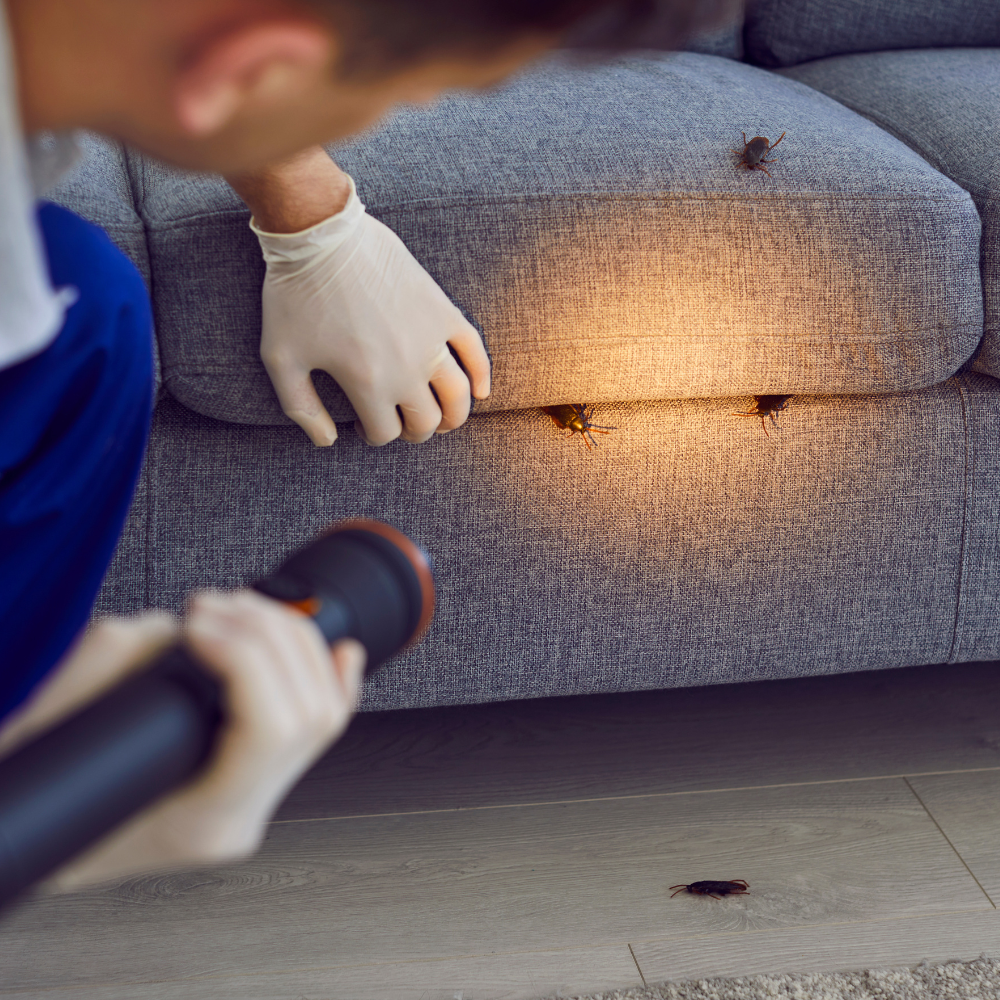
This section outlines the process of developing a detailed protocol for cockroach extermination that goes beyond the initial inspection phase. The treatment planning phase begins with gathering baseline data by conducting thorough surveys and using trapping methods to quantify cockroach activity. Mapping high-activity areas on a grid permits defined zones to be recorded with numerical estimates of infestation density. For instance, treatment schedules may be designed to address areas with observed roach counts that could double within a six‐month period if left untreated. Such planning protocols include setting treatment intervals—often every 7 to 14 days during the initial phase, followed by monthly evaluations—as well as recording precise parameters regarding cockroach movement and congregation.
The planning process described here is distinct from the earlier identification and risk assessment procedures, as it centers on formulating a tactical approach intended solely for treatment. This approach integrates data on cockroach behavior with the practical aspects of applying diverse control measures. Information obtained during the initial survey is used to delineate treatment zones and prioritize application efforts. Treatment objectives are formulated with quantifiable targets, meaning that a reduction of, for example, 60–70% in cockroach activity can be tracked over subsequent treatments. Steps are then laid out clearly in predetermined intervals to allow for adjustments when data from follow-up monitoring indicates that specific zones require reapplication or supplementary actions.
Additional practical insights on managing pest activity are available on the Cockroach Pest Control page. The planning phase incorporates advanced techniques by combining sanitation measures, exclusion procedures, and targeted chemical interventions into a coordinated program. A systematic written plan facilitates the adaptation of treatment practices so that if any area shows only partial reduction, the protocol can be modified accordingly. External guidance on structured approaches is available through resources outlining integrated pest management practices, which complement the tactical framework described here.
Application Techniques for Mixed Control
Treatment applications utilize an integrated suite of chemical and non-chemical approaches that work synergistically for effective cockroach control. The chemical component typically involves the careful placement of bait stations, liquid residual sprays, and fine dust formulations. These products are applied using a grid-based methodology that ensures balanced distribution—operators may deploy baits at intervals of 3 to 4 meters, a spacing determined by the spatial extent of the previously mapped infestation. Residual sprays are usually applied on surfaces where cockroaches traverse, such as along baseboards and wall junctions, while dust formulations are directed into voids and tight crevices that serve as harborage areas.
Non-chemical methods complement these approaches by addressing structural vulnerabilities and enhancing environmental management. Commonly employed techniques include installing physical barriers to block cockroach access and deploying sticky traps at likely ingress points. In practice, traps are set along suspected travel corridors, and their capture rates inform the ongoing treatment schedule. Operators assess trap counts to determine whether chemical applications should be intensified in specific zones or if additional measures—like sealing cracks and crevices—are warranted.
A concise table summarizes the treatment methodologies:
| Method | Description | Application Schedule |
|---|---|---|
| Chemical Baiting | Placement of slow-acting bait in high-activity zones | Every 7–14 days initially, then monthly |
| Residual Sprays | Application of long-acting insecticides on surfaces | Biweekly during peak activity |
| Dust Formulations | Targeted use in concealed areas, such as wall voids and cracks | Single application with periodic checks |
| Physical Traps & Barriers | Deployment of sticky traps and sealing measures to block cockroach entry | Continuous with trap replacement every 2–3 weeks |
This integrated application strategy ensures that both immediate and sustained control measures are in place. The use of mixed techniques reduces the overall reliance on any single method, thereby minimizing the potential for treatment resistance. For further exploration of evolving control methods and the latest advancements in treatment applications, refer to innovative pest control technology.
Monitoring and Adaptive Strategies
After treatment has been administered, monitoring and adaptive management procedures are implemented to assess treatment performance and guide any necessary adjustments. Regular monitoring is conducted using follow-up visual inspections and trap count data to measure residual cockroach activity. Data collection occurs on a scheduled basis—often weekly at first—to establish whether the treatment is achieving desired reductions. Adjustments to the treatment protocol are made according to observed differences from the expected performance; for example, if trap counts remain elevated in certain zones, reapplication of products or additional non-chemical measures may be initiated.
These adaptive strategies are based on continually comparing new data with the baseline metrics established during the treatment planning phase. A systematic feedback loop is established so that the efficacy of the treatments is quantified over successive rounds. Such procedures typically measure a decline in cockroach activity by 60–80% over a three-month period when treatment protocols are rigorously followed and adjusted based on periodic re-assessments. Operators may then modify chemical concentrations, re-establish bait placements, or intensify physical exclusion measures where data indicates residual pest activity.
Adaptive management is supported by a combination of manual data logging and, in some instances, digital monitoring systems that record treatment results in real time. This data-driven approach enables operators to schedule unscheduled inspections if trends indicate a resurgence in activity. The process is iterative, with each cycle of treatment followed by careful evaluation to refine subsequent treatment applications. The monitoring phase ensures that initial planning translates efficiently into measurable population control while allowing ongoing adjustments that are sensitive to environmental factors such as seasonal temperature shifts and humidity changes, which affect cockroach behavior.
This comprehensive approach to monitoring and adaptation sustains control over cockroach populations over extended periods without merely replicating earlier identification or risk assessment measures. Instead, it builds on the targeted treatment plan by ensuring that every intervention is evaluated for effectiveness and adjusted as needed, thereby optimizing the overall management strategy.
DIY vs. Professional Extermination Strategies
Cost and Resource Analysis
A comparative evaluation of resource allocation between do-it-yourself (DIY) and professional extermination methods reveals differences in upfront expenditures, the time required to execute treatments, and the overall performance outcomes. DIY solutions typically involve lower short‐term costs when purchasing over‐the‐counter pesticides, baits, and traps. However, repeated applications, adjustments in techniques, and the need to replenish supplies over time may cause the cumulative investment to exceed that of professional services. In contrast, professional extermination comes with a higher initial fee; yet, these services tend to require fewer follow‐up visits and provide a systematic approach that limits additional costs arising from recurring infestations. This comparison is distinct from the treatment planning and application methods examined in other segments, where the focus has been on selecting and applying control products rather than on analyzing resource distribution.
For additional context on cockroach control strategies, please visit Cockroach Pest Control.
A detailed pricing and resource allocation review, as seen in a comprehensive pricing comparison, highlights that homeowners opting for DIY methods may save on initial costs while shouldering a substantial time investment. Under many circumstances, the cost-benefit balance shifts when the expenses and labor of repeat treatments are factored in. The table below shows a concise comparison:
| Approach | Upfront Cost | Time Investment | Long-term Outcome | Comments |
|---|---|---|---|---|
| DIY | Low | High | Variable | Requires periodic reapplication; success depends on user expertise. |
| Professional | Higher | Low to Moderate | Consistent | Structured intervention reduces the need for repeated treatments. |
Although the table summarizes key differences, the overall economic decision often depends on the severity of the infestation and the homeowner’s capacity for ongoing monitoring and maintenance. In instances where infestations are extensive, professional services not only streamline the process but also help prevent additional structural damages and related expenses. This structured resource analysis presents new distinctions that address cost and time factors, diverging from previously detailed techniques that concentrated solely on the physical application of treatments.
Method Efficacy and Safety Protocols
Evaluating the comparative efficacy and safety of extermination methodologies highlights differences in pesticide potency, application accuracy, and overall risk management. DIY approaches usually rely on commercially available chemical formulations that, while accessible, may have limited penetration and duration of activity. The effectiveness of these products is largely contingent on the operator’s understanding of cockroach behavior and the precise points of application. Mistakes in the mixing or localized application of chemicals can result in suboptimal outcomes and may even expose residents and non-target animals to unnecessary hazards.
On the other hand, professional exterminators have access to higher-grade formulations and specialized equipment that enable them to address infestations in concealed areas. Their methods include techniques for achieving thorough penetration in wall voids, under appliances, or in crevices where cockroaches commonly reside. Professionals follow structured safety protocols and adhere to standardized practices that minimize chemical exposure and potential health risks. This focus on safety and efficacy distinguishes the current analysis from earlier discussions on treatment planning by concentrating on the operational differences and risk assessments between DIY and professional methods.
A detailed efficacy evaluation demonstrates that professional control methods provide a more consistent knockdown of cockroach populations compared with DIY tactics, particularly in cases of heavy infestation. The design of professional treatments also incorporates ongoing monitoring and immediate adjustments, which reduce the potential for pest resistance and ensure that treatment protocols are adapted to the specific dynamics of the infestation.
Safety protocols differ markedly between the two approaches. DIY treatment generally requires homeowners to follow instructions on labels without the benefit of on-site hazard evaluation, increasing the risk of misapplication and inadvertent exposure. Users may lack sufficient protective equipment or training to handle more aggressive formulations safely. Professional teams, in contrast, deploy personal protective gear and follow structured guidelines that limit chemical exposure for residents. These teams are also trained to recognize early signs of adverse chemical interactions and can adjust application techniques to minimize hazards. Although both approaches aim to reduce cockroach populations effectively, the consistent adherence to safety procedures in professional practices offers an added layer of protection, particularly in households where vulnerable individuals or pets are present.
Integration of Long-term Management Approaches
Long-term management strategies for cockroach extermination often benefit from integrating both DIY and professional methods in a complementary manner. A hybrid approach enables a homeowner to implement routine monitoring and minor preventive measures while reserving professional interventions for instances where infestations reach a severity that surpasses the limits of DIY treatment. This integration is distinct from earlier discussions on treatment planning, which primarily addressed the execution of immediate killing methods and the physical applications of products. The current approach emphasizes sustained management and prevention over time.
In practice, a homeowner may use DIY measures such as regular placement and maintenance of sticky traps, routine cleaning to eliminate attractants, and sealing of minor entry points. These tactics reduce pest ingress and maintain a lower baseline cockroach population. Periodic professional inspections can then be scheduled to identify hidden infestation sites or to perform treatments in areas where DIY methods may not suffice. The periodic professional service also provides an opportunity to recalibrate the integrated pest management strategy with fresh insights based on current infestation levels.
Homeowners who balance these approaches gain a flexible solution that adjusts to varying infestation pressures without relying exclusively on one method. This balance can positively affect long-term outcomes by reducing the likelihood of recurrence. The alignment between immediate DIY actions and strategic professional treatments facilitates timely identification of emerging risks, ensuring prompt intervention to disrupt incipient breeding cycles. By dedicating resources to routine cleaning, structural adjustments, and occasional professional deep treatments, the integrated management approach helps maintain a continuously low cockroach population.
The hybrid strategy also considers factors such as the frequency of chemical application, periodic re-assessment of infestation zones, and the attention to behavioral patterns of cockroach movement within a property. For example, the installation of physical barriers, such as sealing cracks or using metal mesh at probable entry points, often complements chemical treatments and minimizes environmental access. The integration of these methods is reflective of a broader management philosophy that values adaptive strategies over one-time treatments. Whereas DIY methods primarily represent reactive measures against immediate sightings, professional treatments offer a proactive pathway that reorients the overall pest management plan after evaluating real-time operational outcomes.
In terms of long-term effectiveness, the integrated approach leverages the strengths of each strategy. DIY practices allow for frequent reinforcement of preventive measures, whereas professional treatments address more entrenched infestations with higher operational precision. Through this synergy, overall treatment frequencies can be reduced over time, and the escalation of pest resistance may be mitigated. The hybrid model highlights that effective long-term cockroach management is not a binary choice between DIY and professional extermination; rather, it is a continuum that emphasizes ongoing evaluation and adjustment according to current infestation dynamics.
The discussion presented here provides an analysis that focuses on strategic integration, setting it apart from previous reports that instead concentrated on identification and immediate treatment deployment techniques. This new content demonstrates that the optimal path to sustained cockroach control lies in a balanced methodology, where initial economic considerations, treatment efficacy, and safety are all aligned with a long-term monitoring and prevention plan. Homeowners inclined toward DIY measures are encouraged to remain observant of infestation indicators and to consult professional services periodically to verify that their methods remain effective over extended periods. By combining routine maintenance with periodic high-impact interventions, a stable and manageable environment is maintained with fewer disruptions and less cumulative stress on household resources.
Integrated Pest Management and Follow-Up
Post-Treatment Evaluation Protocols
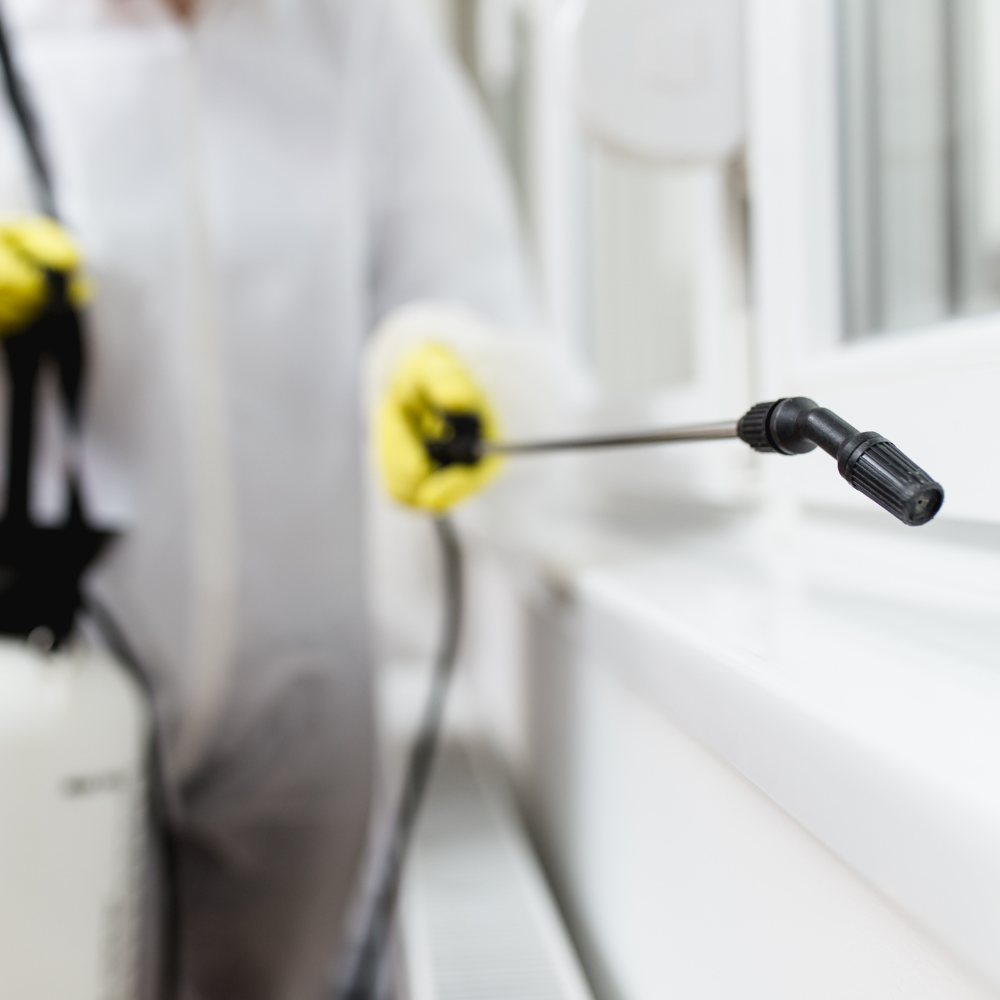
In the follow-up phase of cockroach extermination using integrated pest management, systematic evaluation of treatment results is conducted to verify performance and guide subsequent actions. This phase involves scheduled inspections, objective data collection, and thorough analysis of indicators that reflect cockroach activity levels and environmental conditions. Examiners utilize visual counts, trap captures, and environmental observations to compile performance metrics that inform the decision-making process. Scheduled assessments occur on a weekly basis during the initial weeks following treatment and later transition to a monthly review as the data demonstrates a steady decline in population activity. This process is managed using a consistent set of evaluation protocols to ensure that every inspection and data point contributes to an overall view of the treatment’s performance.
Integrated follow-up efforts depend on accurately recording information during each evaluation. For instance, a recorded decline of approximately 60–80% in trap counts within a three-month period has been observed in cases where strategic control measures were maintained over time. The follow-up evaluation also captures changes in behavioral patterns of cockroaches; for example, altered sheltering behavior or shifts in foraging routes may influence treatment adjustments. By collating and reviewing these metrics, field operators can determine whether improvements in sanitation practices, sealing of entry points, or modifications in bait placement have contributed to lowering persistent populations.
This stage differs from initial treatment monitoring by focusing on longer-term analysis rather than imminent threat reduction. The repeated evaluation cycle allows operators to plan measured interventions when target thresholds are not met. A structured record-keeping system is maintained, with data entries noting inspection dates, environmental observations, and quantitative counts. This ongoing documentation is consistent with practices used by comprehensive systems available in integrated pest management projects available from integrated pest management projects that advocate for data-driven decisions. In settings where multiple treatment cycles are required, the evaluation protocols also factor in seasonal variations and changes in environmental humidity or temperature that can influence cockroach behavior.
Integrating information from routine evaluations with follow-up re-assessments helps in determining when additional interventions become appropriate. The implementation of objective criteria minimizes subjectivity in the decision-making process and supports consistent application of follow-up measures. Field operators also reference active internal management programs such as the detailed guidelines presented on the cockroach pest control page, thereby leveraging structured insights to fine-tune their post-treatment protocols.
Data-Driven Adjustments and Continuous Follow-Up
The follow-up phase extends beyond passive data collection into the active refinement of treatment approaches based on emerging trends. Data-driven adjustments follow a clear process: a comparison of the current activity levels against established baseline values used during the initial evaluation phase leads to modifications in follow-up strategies. When data indicates that cockroach populations have not declined as expected—for example, when trap counts remain at or above predetermined thresholds—an increase in non-chemical interventions may be instigated. Likewise, deviations in environmental assessments may prompt adjustments in bait placements or the reapplication of low-to-moderate risk chemical measures.
A systematic table is used to consolidate follow-up schedules and associated actions to support continuous improvement. The table below summarizes different phases and the corresponding evaluation and intervention actions:
| Follow-Up Stage | Inspection Frequency | Indicators Monitored | Adjustments Made |
|---|---|---|---|
| Immediate Post-Treatment | Daily for the first 3 days | Initial trap counts; visual traces | Confirm effective bait placements; adjust exclusion measures if needed |
| Short-Term Follow-Up | Weekly for 4–6 weeks | Trap count trends; activity level observations | Reposition baits; intensify sanitation protocols |
| Mid-Term Follow-Up | Monthly | Residual activity; establishment of low population thresholds | Schedule reapplications or targeted physical interventions |
| Long-Term Assessment | Quarterly | Sustained population levels; seasonal behavior variations | Optimize integrated strategies; update internal records |
In this methodical approach, the identification of statistical trends rather than isolated data points is emphasized. Operators use tools to enter collected data into spreadsheets, enabling visual charting of population decreases over time. Such visualization aids in identifying whether control measures continue to be effective or if further treatment is warranted. The feedback loop established between data collection and follow-up actions eliminates uncertainty and contributes to adjustments that are both timely and proportionate to field observations.
This data-driven methodology sets itself apart from earlier strategies that focused primarily on immediate treatment outcomes. Here, the emphasis is on long-term monitoring and the systematic review of output data using established thresholds. The process incorporates advanced monitoring techniques, as described in sources on advanced monitoring techniques, to refine follow-up routines and to determine if additional measures should be deployed. The integration of quantitative analysis into treatment decisions provides a transparent framework for iterative improvements, ensuring that each cycle of evaluation contributes to a better understanding of environmental variability and cockroach behavior over time.
Data from each inspection cycle is compared with previous records to detect gradual trends that may not be immediately apparent from week-to-week observations. This analytical phase ensures that the integrated pest management program evolves based on measurable outcomes. In settings where treatment efficacy fluctuates due to external factors such as weather or changes in building occupancy, the feedback obtained from continuous follow-up allows for dynamic recalibration. Operators are then able to contextualize the results, correlate them with environmental factors, and implement adjustments that sustain the initial gains achieved during treatment.
Sustainable Follow-Up Strategies in an Integrated Framework
Sustainable follow-up in pest management is characterized by ongoing integration of monitoring data, environmental adjustments, and periodic reassessment of preventative measures. This long-term approach is incorporated into a broader integrated framework where follow-up strategies are embedded within routine management practices. It is not limited to a single cycle of treatment and evaluation, but extends over multiple seasons and environmental conditions. The framework considers both chemical solutions and non-chemical measures, with an emphasis on persistent habitat modifications and sanitation practices that reduce conducive conditions for cockroach proliferation.
Operators design follow-up strategies to adjust to evolving scenarios within a treated environment. A system of periodic reviews is implemented that assesses the efficacy of both physical barriers and residual chemical treatments. For example, if after several months the monitored data suggests a slight resurgence of activity, even after previous adjustments yielded significant reductions, the framework permits recalibration of control parameters. Such recalibration might involve re-application of low-dose chemical measures, enhancement of exclusion techniques, or a more robust cleaning regimen. The integration of these varied approaches establishes a system where every element of the control strategy is subject to continuous evaluation.
In this integrated framework, data collected during follow-up is not analyzed in isolation; rather, it is combined with environmental assessments such as humidity levels, building maintenance schedules, and the state of structural integrity. Such comprehensive data collection allows for a more informed review of control strategies. The approach also includes resident observations and feedback to provide additional context for the quantitative results. Building on previous monitoring records, the framework supports periodic updates on treatment strategies and environmental modifications that aim to sustain low cockroach populations.
It is important to note that while earlier sections have addressed immediate treatment adaptations and general monitoring practices, this section focuses on the synthesis of long-term management data into sustainable control practices. Operators consolidate multiple data sources to create a feedback mechanism that informs future actions periodically. This approach not only supports an iterative refinement of the immediate treatment strategy but also reinforces structural modifications and ongoing sanitation measures that are maintained over time.
Within this sustainable follow-up framework, integrated pest management is viewed as an evolving process where each cycle of treatment, evaluation, and adjustment builds upon previous results. Long-term record-keeping coupled with periodic re-assessment ensures that any emerging trends—such as small fluctuations in population numbers—are addressed before they result in significant reinfestation. The framework provides a structured yet flexible methodology for accommodating environmental changes while keeping pest populations at minimal levels.
The adoption of sustainable follow-up strategies solidifies the long-term management of cockroaches by ensuring that interventions remain sensitive to both quantitative data and environmental variables. This dynamic system supports the continued refinement of treatment protocols without relying solely on chemical applications. In environments where integrated measures are consistently applied, sustained low populations are typically observed, reinforcing the overall effectiveness of the integrated pest management approach. Operators remain agile in adjusting tactics based on periodic data reviews while maintaining a comprehensive framework that supports both chemical and non-chemical control measures.
By viewing integrated pest management as an ongoing, iterative process rather than a one-time intervention, practitioners ensure that cockroach populations remain under control over extended periods. This approach allows for the collection of long-term data that can be used to fine-tune strategies, thereby improving the overall outcome of the extermination program. The combination of systematic evaluations, quantitative data analysis, and adaptive follow-up measures forms a cohesive and sustainable control program that maintains a balance between immediate treatment responses and long-term environmental management.
Conclusion
The research underscores that effective cockroach extermination begins with precise species identification and risk assessment. By carefully analyzing visual and behavioral characteristics, pest control experts can tailor intervention strategies using an integrated approach that blends chemical treatments—such as baits, residual sprays, and dust formulations—with non-chemical techniques like physical barriers and improved sanitation. Moreover, the detailed evaluation of infestation scale through both quantitative and qualitative methods, combined with environmental risk mapping, establishes a robust groundwork for designing targeted treatments and ongoing monitoring. The comparative analysis between DIY and professional methods further reveals that although initial costs vary, a data-driven, integrated pest management strategy ultimately delivers more sustainable and less reoccurring results.
Long-term success in cockroach control relies on continuous post-treatment monitoring and adaptive management. Regular follow-ups allow for timely adjustments based on population data, environmental changes, and evolving behaviors, ensuring that any resurgence is promptly addressed. These insights not only facilitate immediate responses but also have significant implications for future pest prevention and building maintenance practices. To further explore these integrated strategies, please visit https://integralxt.ca/en/identification/cockroach-pest-control/. We invite additional thoughts and questions to refine these methods and adapt them to varying circumstances.
FAQ
1. What are the key steps to accurately identify cockroach species for extermination?
Accurate identification begins with a careful observation of physical traits such as size, color patterns, and markings, as well as behavioral characteristics like nocturnal activity and sheltering habits. This initial step forms the basis for risk assessment, enabling practitioners to determine the severity of the infestation and select the most appropriate treatment protocols.
2. How do environmental factors and building conditions contribute to cockroach infestations?
Environmental factors like persistent moisture, poor sanitation, and unsealed entry points create ideal conditions for cockroach proliferation. Building design features such as cracks, crevices, and unventilated spaces often serve as harborage areas. Addressing these underlying conditions through structural repairs and proper sanitation is crucial in both reducing and preventing future infestations.
3. What role do chemical and non-chemical methods play in cockroach extermination?
Chemical methods, including bait stations, residual sprays, and dust formulations, provide immediate action against active infestations by targeting cockroaches directly. In contrast, non-chemical methods—including physical barriers, exclusion techniques, and regular cleaning—help mitigate long-term risk by preventing re-infestation and addressing environmental vulnerabilities. The integration of both methods ensures a comprehensive and sustainable control strategy.
4. How does data-driven monitoring improve long-term cockroach control?
Ongoing monitoring, through techniques such as trap counts and regular inspections, provides quantifiable data that reflect treatment effectiveness. By comparing this data to baseline measurements, pest management professionals can identify trends, adjust chemical dosages, modify bait placements, and implement additional exclusion measures. This adaptive approach not only optimizes immediate treatment efficacy but also supports long-term control by preemptively addressing any resurgence.
5. What are the cost implications of using DIY methods compared to professional extermination services?
DIY methods generally involve lower upfront costs with the purchase of over-the-counter treatments; however, they may require frequent reapplications and adjustments, leading to increased cumulative expenses and variable outcomes. Professional services, while incurring higher initial costs, typically benefit from advanced formulations, efficient application techniques, and systematic follow-ups—thus often resulting in more consistent long-term control with fewer overall interventions.
6. How can integrated pest management (IPM) strategies reduce the risk of cockroach reinfestation?
Integrated pest management combines immediate chemical treatments with ongoing preventive tactics such as exclusion techniques, environmental modifications, and routine monitoring. By continuously evaluating treatment success and adapting interventions based on real-time data, IPM reduces the likelihood of survivors repopulating treated areas. This comprehensive approach creates a sustainable system that not only addresses current infestations but also minimizes future risks, inviting further discussion on how to tailor these practices to specific environments.