
Table of Contents
- Overlooked Household Habits That Attract Pests (Without You Even Realizing)
- Structural and Environmental Factors Encouraging Infestations (Without You Even Realizing)
- Common DIY Pest Control Mistakes to Avoid (That Might Be Making Things Worse)
- Importance of Early Detection and Professional Intervention (Before Pests Turn Your Home Into Theirs)
- Conclusion
Pest infestations are often perceived as sudden and inexplicable, but in reality, they are frequently the result of common, preventable mistakes made by homeowners. While pests such as ants, cockroaches, rodents, and spiders may seem to appear out of nowhere, they are typically responding to environmental cues and attractants that we unknowingly provide. From poor sanitation practices to structural vulnerabilities, these oversights create ideal conditions for pests to thrive.
Many of these attractants are subtle—crumbs under appliances, leaky pipes, cluttered storage areas, or even overwatered garden beds. These seemingly minor issues offer pests the essentials they seek: food, water, and shelter. Compounding the problem is the widespread reliance on ineffective DIY solutions or natural deterrents that fail to address the root causes of infestations. Misidentifying pests, ignoring early warning signs, and delaying professional intervention can allow a small issue to escalate into a costly and disruptive problem.
This report explores the most common mistakes that invite pests into homes and gardens, often without the homeowner’s awareness. By understanding these errors and learning how to correct them, individuals can take proactive steps to prevent infestations and maintain a healthier, pest-free living environment.

Overlooked Household Habits That Attract Pests (Without You Even Realizing)
Letting Dishes Sit Overnight (Yes, Even That One Spoon)
You know that moment after dinner when you think, “I’ll just do the dishes in the morning”? Yeah, pests love that moment too.
Leaving dirty dishes in the sink overnight is like sending out engraved invitations to cockroaches, ants, and flies. Even if it’s just a single spoon with a smear of peanut butter, it’s enough to catch the attention of a hungry pest. These creatures have an incredible sense of smell—cockroaches, for example, can detect food from several meters away. And once they find a food source, they leave behind scent trails to guide their friends right to it.
The worst part? You might not even see them at first. Roaches are nocturnal. So while you’re sleeping, they’re throwing a rave in your sink. And ants? They’ll form a single-file line straight to that crusty plate like it’s a buffet.
Even if you rinse your dishes, residue can linger. That faint smell of tomato sauce or sweet cereal milk? It’s a beacon. And if you’ve got a dishwasher but don’t run it right away, make sure it’s sealed tight. Some pests can sneak in and treat it like a cozy diner.
If you’re dealing with a recurring cockroach issue, especially in urban areas like Montreal, it might be time to look into immediate action when discovering a cockroach. The sooner you act, the better your chances of avoiding a full-blown infestation.
Ignoring Damp Spots and Forgotten Moisture
Let’s talk about that soggy towel you tossed on the bathroom floor. Or the sponge you left in the sink. Or the mop still wet from yesterday’s cleaning spree. These damp items might seem harmless, but to pests, they’re like a five-star spa retreat.
Moisture is one of the holy grails for pests. Cockroaches, silverfish, drain flies, and even rodents are drawn to damp environments. And they don’t need a puddle. A single leaky pipe under your sink or a wet rag in the laundry room can be enough.
Ever noticed a musty smell in your basement or under the kitchen sink? That’s not just “old house smell.” It could be mold growing in hidden corners, and where there’s mold, there’s moisture. And where there’s moisture, pests aren’t far behind.
Roaches, in particular, thrive in humid environments. They need water more than food, and they’ll travel far to find it. If you’ve got a dripping faucet or a sweating pipe, you’re basically running a hydration station for them.
One of the most overlooked culprits? Wet mops. If you store them upright in a dark closet without letting them dry completely, they become breeding grounds for bacteria—and a magnet for pests. Same goes for sponges. Always wring them out and let them dry in a well-ventilated area.
Leaving Pet Food Out (Even If It’s Just a Few Kibbles)
Pets are family. But their food? That’s a free-for-all for pests.
Leaving pet food out all day—or worse, overnight—is a common mistake that many pet owners don’t think twice about. But ants, roaches, and even mice see it as an open buffet. And they’re not picky. Dry kibble, wet food, even crumbs around the bowl—it’s all fair game.
The smell of pet food is strong. You might not notice it anymore, but pests do. And once they find it, they’ll keep coming back. Ants are especially persistent. They’ll send out scouts, and once they locate the food, the whole colony follows. You’ll wake up to a trail of them marching across your floor like they own the place.
Mice are another issue. They’re not just after your cheese. They’ll gnaw through pet food bags, sneak into storage bins, and even hoard food in hidden corners of your home. And once they’re in, they multiply fast.
If you’ve ever wondered how mice are getting in, it might be time to look into sealing with rodent proof metal mesh. It’s one of the most effective ways to block their entry points.
And don’t forget about water bowls. Standing water is another attractant, especially for roaches and mosquitoes. If you leave water out overnight, make sure it’s in a clean, elevated bowl that’s emptied and refilled daily.
Cluttered Corners and Forgotten Storage Spaces
You know that pile of boxes in the garage you’ve been meaning to sort through since last spring? Or the stack of old magazines in the corner of your guest room? That’s prime real estate for pests.
Clutter gives pests two things they love: shelter and darkness. Roaches, spiders, silverfish, and even rodents thrive in undisturbed areas. The more clutter you have, the more hiding spots they get. And they’re not just hiding—they’re nesting, breeding, and spreading.
Cardboard boxes are especially bad. Roaches love the glue used in cardboard, and mice will shred it to make nests. If you’ve got cardboard stacked in your basement or attic, you might be unknowingly hosting a pest Airbnb.
And it’s not just storage spaces. Even clutter in your living areas can be a problem. A pile of laundry on the floor? A stack of newspapers by the couch? These small messes can turn into pest havens if left too long.
The Warmth Trap: Electronics as Pest Hotels
Here’s something you probably never thought about: your game console might be hosting roaches.
It sounds wild, but it’s true. Electronics like routers, gaming consoles, surge protectors, and even cable boxes generate heat. And pests—especially cockroaches—love warmth. They’ll crawl inside these devices and set up shop. Some even lay eggs in there.
Why? Because it’s warm, dark, and often undisturbed. Plus, if you snack while gaming or watching TV, tiny crumbs can fall into the crevices. That’s a double win for pests: food and shelter.
And once they’re in, it’s hard to get them out. You might not even notice until your device starts acting weird or you see something scurry out when you move it. If you’ve ever had roaches near your electronics, you’re not alone. It’s more common than you think.
Scented Candles, Air Fresheners, and Other Sweet-Smelling Traps
We all love a good-smelling home. But pests? They love it for a different reason.
Floral and fruity scents—think peach candles, lavender sprays, or citrus plug-ins—can mimic the smell of nectar to pests like ants, flies, and even rodents. They don’t know it’s synthetic. They just smell sugar and assume there’s food nearby.
It’s especially tricky because these scents are often strongest in bathrooms, kitchens, and entryways—places pests are already likely to explore. So while you’re trying to make your space feel fresh, you might be unintentionally guiding pests right to it.
And it’s not just artificial scents. Real fruit left on the counter, especially bananas or apples, can attract fruit flies in a matter of hours. Overripe fruit is like a neon sign for them.
If you’re battling fruit flies, you might want to check out this list of effective fruit fly traps. They’re simple, cheap, and can make a big difference fast.
Table: Common Habits and the Pests They Attract
| Habit | Common Pests Attracted | Why It Happens |
|---|---|---|
| Leaving dishes overnight | Cockroaches, ants, flies | Food residue and scent trails |
| Damp towels/sponges | Roaches, drain flies, silverfish | Moisture and bacteria growth |
| Pet food left out | Ants, mice, roaches | Strong smell and easy access |
| Cluttered storage | Rodents, spiders, roaches | Shelter and nesting material |
| Warm electronics | Cockroaches, bed bugs | Heat and hidden crevices |
| Scented candles/air fresheners | Ants, flies, rodents | Mimics food or nectar |
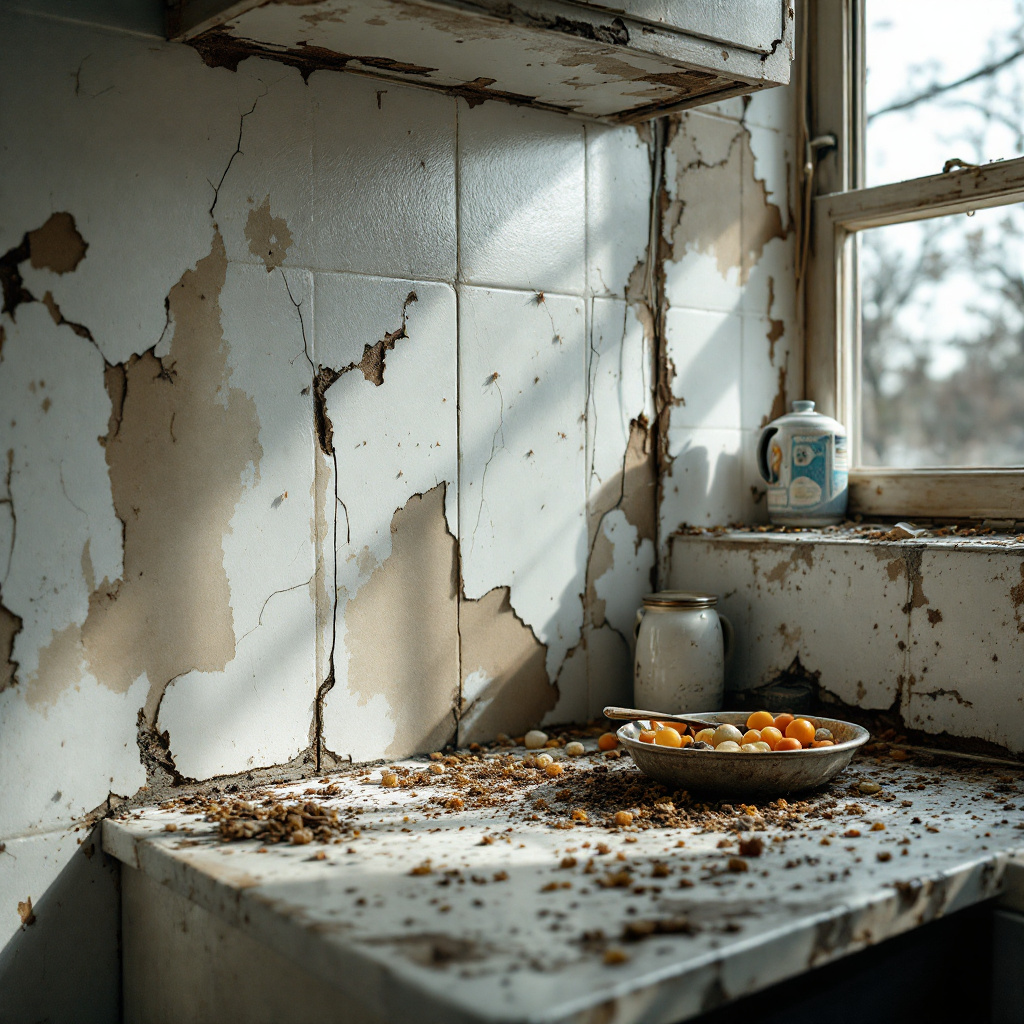
Structural and Environmental Factors Encouraging Infestations (Without You Even Realizing)
Tiny Gaps, Big Problems: How Pests Sneak In
You know that little draft you feel by the front door in winter? Or that tiny crack near the baseboard you keep meaning to seal? Yeah, pests love those.
Most of us don’t think twice about small gaps in our homes. But for a mouse, that’s a wide-open front door. Rodents can squeeze through holes the size of a dime. A dime. That’s all it takes for them to move in, set up shop, and start chewing through your cereal boxes like they own the place.
And it’s not just mice. Ants, cockroaches, spiders—they’re all opportunists. They don’t need an invitation. Just a gap in your window screen or a poorly sealed pipe under the sink. Once they’re in, they’re not leaving without a fight.
The worst part? These entry points are often invisible unless you’re actively looking. That tiny space where the dryer vent meets the wall? Perfect for a rat. The crack between your garage door and the floor? A silverfish’s dream.
And don’t forget about the attic and basement—two places we often ignore. If there’s a way in, pests will find it. They’re persistent like that.
Landscaping That Lures: What’s Growing Around Your Home?
Let’s talk about your yard for a second.
You know that lush, overgrown hedge you love because it makes your house look like a cozy cottage? It might also be the reason you’ve got ants in your kitchen.
Pests don’t just appear out of nowhere. They migrate. And your landscaping might be giving them a direct path to your front door.
Bushes that touch the siding? That’s a bridge for spiders and ants. Mulch beds right up against the foundation? Perfect nesting ground for termites. Overhanging tree branches? Rats and squirrels use them like highways straight to your attic.
Even the type of mulch matters. Organic mulches like wood chips retain moisture, which attracts bugs. Some people switch to gravel or rubber mulch to cut down on that, but it’s not always practical. The key is keeping a buffer zone—at least a foot—between your plants and your house.
And then there’s standing water. Birdbaths, clogged drains, flower pots with poor drainage—all of them are mosquito breeding factories. If you’ve ever wondered why your backyard BBQ turns into a blood buffet, that’s probably why.
The goal isn’t to nuke your garden. It’s to make it less inviting. Trim back plants, keep the lawn tidy, and don’t let anything touch the house. Think of it like setting boundaries with nature.
The Temperature Trap: Why Your Cozy Home Is a Pest Magnet
You know how you love curling up under a blanket when it’s cold outside?
So do pests.
When the temperature drops, rodents and insects start looking for warmth. And your home? It’s basically a heated Airbnb with free snacks.
This is especially true in places with harsh winters. Mice and rats don’t want to freeze any more than you do. So they squeeze into crawl spaces, sneak through dryer vents, and burrow under foundations to get inside.
Once they’re in, they’ll stay as long as it’s warm. And they’re not just chilling in the walls. They’re nesting in insulation, chewing through wires, and leaving droppings behind like they’re paying rent.
Even electronics can attract pests. Cockroaches, in particular, love the warmth behind your fridge or inside your gaming console. It’s dark, it’s warm, and it’s safe. What more could they want?
If you’ve ever found a roach crawling out of your microwave, you know exactly what I’m talking about.
That’s why sealing heat leaks isn’t just about energy efficiency. It’s pest prevention. Insulate your attic. Seal around vents and pipes. And if you’ve got a fireplace, make sure the damper is closed when not in use.
It’s not about making your home cold. It’s about not letting pests treat it like their winter getaway.
Table: Structural & Environmental Mistakes That Attract Pests
| Mistake | Common Pests Attracted | Why It Happens |
|---|---|---|
| Gaps in walls, doors, or vents | Mice, ants, roaches | Easy entry points |
| Leaky pipes or damp areas | Silverfish, termites, roaches | Moisture attracts and sustains pests |
| Overgrown landscaping touching home | Ants, spiders, rodents | Provides shelter and access |
| Warm, unsealed crawl spaces or attics | Rodents, cockroaches | Ideal nesting and hiding spots |
| Standing water in yard or gutters | Mosquitoes, flies | Breeding ground for insects |
Your Home’s Bones Matter More Than You Think
Let’s talk structure.
The way your home is built—its bones—can either keep pests out or roll out the red carpet.
Older homes are especially vulnerable. Settling foundations cause cracks. Wooden siding rots. Window frames warp. All of this creates perfect entry points.
But even newer homes aren’t immune. If the builder cut corners on sealing or flashing, pests will find their way in. And once they do, they’re not just annoying—they’re destructive.
Termites alone cause over $5 billion in damage every year in the U.S., according to the National Pest Management Association. That’s not a typo. Billion with a B.
And it’s not just termites. Carpenter ants, powderpost beetles, and even rodents can do serious structural damage. They chew, burrow, and nest in places you can’t see until it’s too late.
That’s why regular inspections matter. Look for soft wood, bubbling paint, or mud tubes. If you see something weird, don’t ignore it. Get it checked out.
And if you’re building or renovating, ask about pest-resistant materials. Concrete foundations, treated wood, and metal flashing can make a huge difference.
It’s not sexy stuff. But it’s the kind of thing that saves you thousands down the line.
The Basement Blues: Why Below-Ground Spaces Are Pest Heaven
Basements are weird. They’re cold, dark, and often forgotten. Which is exactly why pests love them. Think about it. You’ve got concrete walls that might have tiny cracks. Pipes that sweat or leak. Cardboard boxes stacked in corners. Maybe even a sump pump that occasionally backs up. That’s a silverfish’s dream. Or a centipede’s. Or a mouse’s. And because basements are out of sight, they’re usually out of mind. You don’t notice the spider webs in the corner or the trail of droppings behind the water heater until the problem’s already big. If your basement smells musty, that’s a red flag. It means moisture. And where there’s moisture, there are pests. Use a dehumidifier. Store things in plastic bins instead of cardboard. And check for cracks in the foundation. Even hairline ones can let in ants or beetles. If your basement’s unfinished, consider sealing the floor and walls. It’s not just about looks—it keeps out bugs and keeps in heat. And if you’re seeing signs of rodents, don’t wait. Call a mouse exterminator before they turn your basement into a breeding ground.
Your Roof Might Be Inviting Trouble Too
Roofs are like the unsung heroes of pest prevention. But when they fail, they fail hard. Missing shingles, clogged gutters, and damaged flashing can all lead to leaks. And leaks mean moisture. And moisture means pests. Birds, squirrels, raccoons—they all love nesting in attics. Especially if there’s easy access through a broken soffit or a loose vent cover. Once they’re in, they bring fleas, mites, and ticks with them. It’s not just a noise problem. It’s a health problem. And if you’ve got a chimney, make sure there’s a cap on it. Otherwise, you might wake up to a bat flying around your living room. True story. Happened to my cousin. She still flinches at ceiling fans. Roofs are hard to inspect unless you’re comfortable on a ladder. So if you’re not, hire someone who is. A quick check once a year can save you a ton of grief. And don’t forget the attic. If it smells weird or feels humid, something’s off. Check for droppings, nests, or chewed insulation.

Common DIY Pest Control Mistakes to Avoid (That Might Be Making Things Worse)
Spraying First, Asking Questions Never
You know that moment when you spot a cockroach scuttling across the kitchen floor and your brain just screams, “KILL IT”? Yeah, we’ve all been there. So you grab the nearest can of whatever bug spray you’ve got under the sink and go full Rambo on the poor thing. The problem? That knee-jerk reaction might be doing more harm than good.
Most people don’t realize that spraying without knowing what pest you’re actually dealing with is like trying to fix a leaky pipe with duct tape. It might hold for a second, but the real problem’s still gushing underneath. Different pests need different treatments. A spray that works on ants might do nothing to roaches. And if you’re dealing with something like bed bugs? Forget it. You’ll just scatter them deeper into your mattress or walls, making them harder to kill later.
Misidentifying pests is one of the most common mistakes in DIY pest control. People often confuse beetles with cockroaches or mistake harmless bugs for infestations. And when you treat the wrong pest, you’re not just wasting money—you’re giving the real pests time to multiply.
If you’re not sure what you’re dealing with, take a breath. Observe. Look for droppings, nesting materials, or damage. Snap a photo. Use a magnifying glass if you have to. Or better yet, check out this guide on how to identify a bed bug bite if you’re waking up itchy and suspicious. Knowing your enemy is half the battle.
Using Way Too Much of the Wrong Stuff
Let’s talk about the “more is better” mindset. It works for guac on tacos, but not for pesticides. Seriously.
A lot of DIYers go heavy-handed with sprays, powders, and foggers thinking they’ll nuke the problem into oblivion. But overusing pesticides can backfire fast. You might end up poisoning your indoor air, harming pets, or even creating superbugs—pests that become resistant to the chemicals you’re using.
And don’t even get me started on bug bombs. Those things are like lighting a scented candle and hoping it’ll fix a gas leak. They rarely reach where the pests are hiding—behind walls, under appliances, inside baseboards. Instead, they just scatter the bugs, making them harder to track and kill. Plus, they leave behind a greasy film that’s a pain to clean.
Even worse? Some folks mix different products together, thinking they’re creating a mega-potion of death. Nope. That’s a chemistry experiment waiting to go sideways. Mixing pesticides can cause toxic reactions, and you don’t want to be breathing that in. Always read the label. Always. And if you’re unsure, stop. There are safer, smarter ways to deal with pests.
Treating the Symptoms, Not the Source
Picture this: you see a line of ants marching across your countertop. You wipe them up, maybe spray a little cleaner, and feel like a hero. But the next day? They’re back. And now they’ve brought friends.
That’s because you’re treating the symptom, not the cause.
Pests don’t just show up for fun. They’re after food, water, and shelter. If you don’t cut off their supply, they’ll keep coming. Ants, for example, leave behind pheromone trails that tell others where the good stuff is. So unless you’re cleaning that trail and sealing off their entry points, they’ll just keep returning.
Same goes for mice. You can set all the traps you want, but if you’ve got open cereal boxes in the pantry or crumbs under the stove, you’re basically running a rodent Airbnb. And don’t even think about sealing up holes before you’ve dealt with the ones already inside. That’s how you end up with a dead mouse stinking up your walls.
Instead of just reacting to what you see, take a step back. Where are they coming from? What are they after? Are there cracks around windows? Leaky pipes? Forgotten pet food bowls?
DIY Traps Without a Plan
Let’s talk traps. Glue traps, snap traps, bait stations—you name it, someone’s got a version of it in their garage. But here’s the thing: just tossing traps around your house like confetti doesn’t work.
Pests are creatures of habit. Mice, for example, tend to run along walls, not through the middle of the room. If you’re placing traps in random spots, you’re missing the action. Same with roaches—they love dark, tight spaces. So putting a trap in the middle of a brightly lit kitchen? Useless.
And then there’s the issue of bait. Some people use peanut butter, others swear by cheese. But if the trap smells like a buffet and you’re not catching anything, you’ve probably got placement wrong—or the pest isn’t interested in that bait.
Also, don’t reuse traps without cleaning them. Pests are smart. If one of their buddies got caught, they’ll avoid that trap like the plague. Clean traps with gloves and avoid leaving human scent behind.
If you’re dealing with cockroaches, you’ll want to be extra strategic. These guys are survivors. Check out this list of traps for cockroaches that actually work, and learn where to place them for the best results.
Table: DIY Pest Control Mistakes vs. What Actually Works
| Mistake | What Happens | Better Option |
|---|---|---|
| Spraying without ID | Wrong treatment, pests scatter | Identify pest first |
| Overusing pesticides | Health risks, resistance | Follow label, use sparingly |
| Bug bombs | Pests hide deeper | Targeted treatments |
| Sealing too soon | Traps pests inside | Remove pests first, then seal |
| Random trap placement | No catches | Place traps along travel paths |
| Treating visible pests only | Infestation continues | Find and treat nests/entry points |
| Using food baits carelessly | Attracts more pests | Use targeted lures or traps |
| Ignoring sanitation | Reinfestation | Clean, store food properly |
Sealing Before You Solve
This one’s sneaky. You read somewhere that sealing cracks and holes keeps pests out. So you grab the caulk gun and go to town. But here’s the problem: if you haven’t dealt with the pests already inside, you’ve just locked them in.
Now they’re trapped, stressed, and desperate. That’s when they start chewing through wires, walls, and anything else they can find. It’s like boarding up your house with a raccoon in the attic. Not smart.
Before you seal, inspect. Look for signs of activity—droppings, gnaw marks, nests. Use traps to confirm whether anything’s still inside. Only when you’re sure it’s clear should you seal up those gaps.
And don’t forget the less obvious spots. Utility lines, dryer vents, gaps under doors—these are all highways for pests.
Thinking You Can Handle It All Alone
Look, I get it. Pest control services can feel expensive. And when you’re staring down a roach in your bathroom at 2 a.m., calling a pro isn’t the first thing on your mind. But sometimes, DIY just doesn’t cut it.
Some infestations are too big, too hidden, or too dangerous to handle on your own. Bed bugs, for example, are notoriously hard to kill without professional heat treatments. Termites can cause thousands in damage before you even know they’re there. And rodents? They multiply fast and carry diseases. It’s not worth the risk.
If you’ve tried traps, sprays, and all the tricks you found online and the problem’s still around, it’s time to call in backup. You can still be involved—ask questions, learn what they’re doing—but let the pros do their thing.
And if you’re not sure who to trust, this guide on how to choose an exterminator in Montreal breaks it down in plain terms.
Homemade Remedies That Backfire
Ah yes, the internet’s favorite pest control solution: vinegar, baking soda, and essential oils. Don’t get me wrong—some natural remedies can help. But a lot of them are just… wishful thinking.
Spraying peppermint oil might smell nice, but it won’t stop a determined mouse. And pouring vinegar down your drain won’t kill a roach nest behind the fridge. Worse, some DIY concoctions can be dangerous. Mixing bleach and ammonia? That’s a chemical weapon, not a cleaning solution.
If you’re going the natural route, do your homework. Some essential oils can be toxic to pets. And just because something is “natural” doesn’t mean it’s safe or effective.
Instead of guessing, look for proven methods. For ants, for example, borax can be effective—but only if used correctly. Too little and it won’t work. Too much and you risk harming pets or kids.
Importance of Early Detection and Professional Intervention (Before Pests Turn Your Home Into Theirs)
You Don’t See Them, But They’re Already There
You ever get that weird feeling someone’s watching you? Like, you’re just chilling on the couch, popcorn in hand, and suddenly—goosebumps. Well, that’s not paranoia. That might be pests.
Most infestations don’t start with a dramatic entrance. No marching line of ants. No rat doing parkour across your kitchen counter. It starts quiet. A faint scratching behind the wall. A few droppings you mistake for dirt. Maybe a fruit fly or two hovering over the bananas.
By the time you see pests, they’ve already been around for a while. And they’ve probably invited friends.
That’s why early detection isn’t just helpful—it’s everything.
The earlier you catch a pest problem, the easier (and cheaper) it is to fix. Miss that window, and you’re looking at chewed wires, contaminated food, and a whole lot of regret.
The Hidden Cost of “It’s Probably Nothing”
Let’s talk about what happens when you ignore those tiny signs.
You see one cockroach and think, “Eh, just one.” But cockroaches don’t roll solo. If you see one, there are likely dozens (or hundreds) hiding out. And they reproduce fast. Like, horror movie fast.
Same goes for mice. One mouse can squeeze through a hole the size of a dime. If it’s pregnant (and they often are), you could have a full-blown infestation in weeks.
Rodents chew through insulation, wires, and drywall. That scratching in the attic? Could be a nest. And if they hit your electrical wiring, you’re not just dealing with pests—you’re flirting with fire hazards.
And don’t even get me started on bed bugs. These little vampires can go unnoticed for weeks. By the time you realize what’s biting you, they’ve already spread to your couch, your clothes, and maybe your neighbor’s place.
This is why early pest detection is so important. It’s not about being paranoid. It’s about not waiting until your home smells like mouse pee and your walls sound like they’re alive.
What Early Signs Actually Look Like (And Why We Miss Them)
Here’s the thing: pests are sneaky. Their signs are subtle. And we’re busy. We’re not trained to notice the faint grease marks along the baseboards or the tiny holes in pantry boxes.
You might think that weird smell in the basement is just “old house smell.” But it could be rodent urine.
That pile of sawdust near the window? Might not be from your last DIY project. It could be frass—aka insect poop—from carpenter ants or termites.
And those little black specs on your mattress seams? Yeah, that’s bed bug poop. Sorry.
We miss these signs because they don’t scream “infestation.” They whisper it.
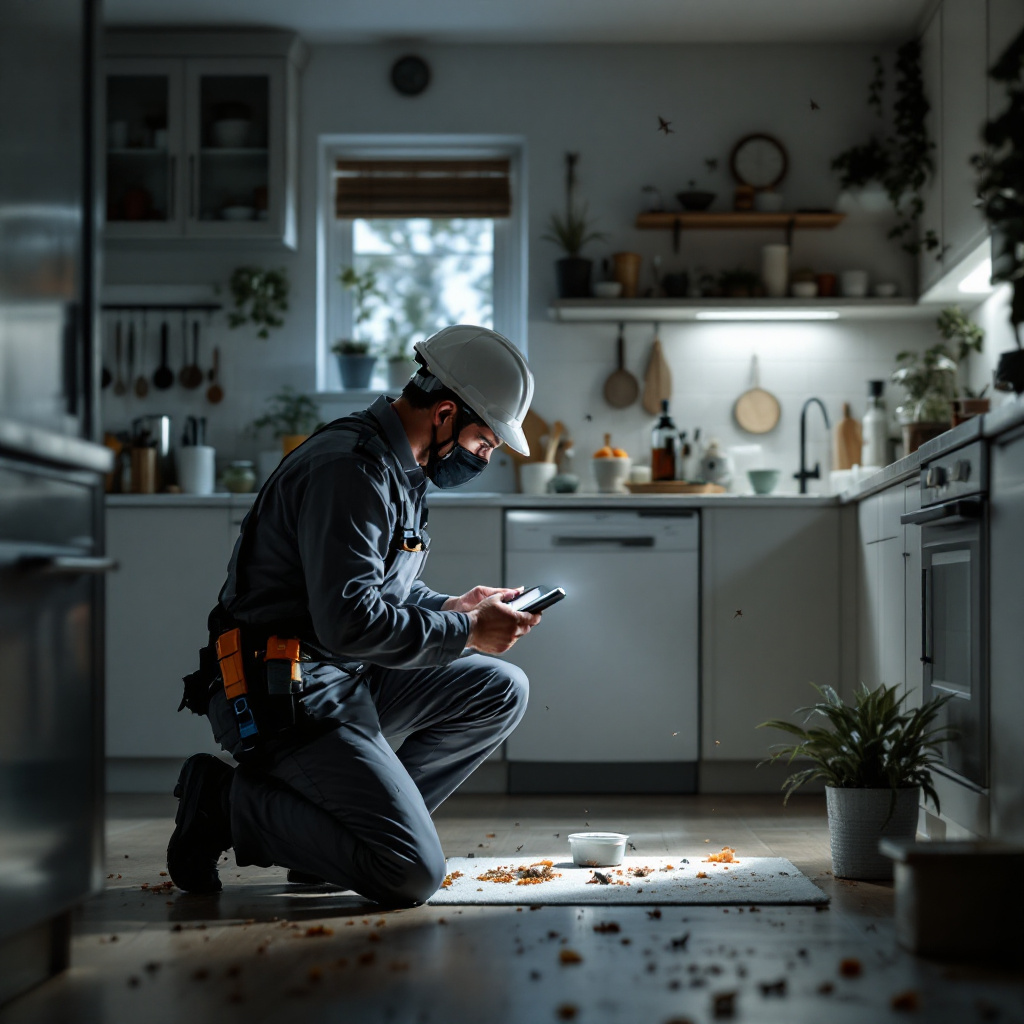
That’s why regular inspections matter. Professionals know what to look for. They see what we don’t. They check behind the fridge, under the sink, inside the attic insulation. All the places pests love that we never think to look.
What a Professional Inspection Actually Looks Like
If you’ve never had a pest inspection, you might be wondering what it involves.
It’s not just someone walking around with a flashlight.
A good inspector checks your foundation, attic, roofline, plumbing, and electrical access points. They look for droppings, gnaw marks, nesting materials, and moisture issues.
They might use thermal imaging to detect heat signatures from nests. Or UV lights to spot urine trails.
They’ll also ask questions. Have you noticed scratching sounds? Odd smells? Any bites?
It’s a full-on investigation. And it’s worth every penny.
Especially if you’re in a commercial space. For businesses, commercial preventive services can protect your reputation and keep you compliant with health regulations.
Table: Early Signs vs. Late-Stage Infestation
| Pest Type | Early Signs | Late-Stage Infestation Symptoms |
|---|---|---|
| Cockroaches | Droppings, musty smell, egg cases | Visible bugs during the day, widespread odor |
| Mice/Rats | Gnaw marks, droppings, scratching sounds | Nesting materials, chewed wires, foul smell |
| Bed Bugs | Small bites, blood spots on sheets | Bugs in furniture, strong odor, multiple bites |
| Ants | A few scouts near food | Large trails, nests in walls or under floors |
| Termites | Discarded wings, hollow-sounding wood | Sagging floors, visible damage, mud tubes |
Conclusion
This research reveals that many common, seemingly harmless household habits can unknowingly attract pests, leading to infestations that are both costly and difficult to control. Key behaviors such as leaving dirty dishes overnight, ignoring damp areas, storing clutter, and leaving pet food out create ideal conditions for pests like cockroaches, ants, rodents, and flies. Structural and environmental factors—like unsealed gaps, poor landscaping, and warm, undisturbed electronics—further compound the problem by offering pests easy access and comfortable nesting grounds. Additionally, well-intentioned but misguided DIY pest control efforts often worsen infestations by misidentifying pests, overusing chemicals, or sealing entry points before eliminating the intruders.
The most important takeaway is that pest prevention starts with awareness and proactive habits. Early detection and professional intervention are critical to stopping infestations before they escalate. Homeowners should prioritize cleanliness, moisture control, structural maintenance, and regular inspections. When signs of pests appear, it’s essential to act quickly and strategically—ideally with the help of trained professionals who can identify root causes and implement targeted solutions. By understanding and correcting these overlooked mistakes, households can significantly reduce the risk of pest problems and maintain a healthier, more comfortable living environment.
FAQ
What are the most common everyday habits that attract pests without realizing it?
Leaving dirty dishes overnight, storing damp towels or sponges, leaving pet food out, and allowing clutter to accumulate are among the top habits that attract pests. These behaviors provide food, water, and shelter—three essentials pests need to survive. Even small oversights, like a single spoon with food residue or a wet mop in a closet, can signal an open invitation to pests.
How do structural issues in a home contribute to pest infestations?
Tiny cracks, gaps around pipes or vents, and poorly sealed doors and windows serve as entry points for pests. Rodents can squeeze through holes as small as a dime, while insects like ants and roaches exploit even smaller openings. Moisture from leaks or poor ventilation further attracts pests, especially in basements, attics, and crawl spaces. Regular inspections and sealing these vulnerabilities with materials like rodent-proof metal mesh can significantly reduce infestation risks.
Can scented products like candles and air fresheners really attract pests?
Yes. Many pests are drawn to sweet or floral scents, which mimic the smell of food or nectar. Products like peach candles, citrus sprays, and lavender plug-ins can inadvertently attract ants, flies, and even rodents. While these scents make your home smell pleasant to humans, they can signal a food source to pests. It’s best to use neutral or pest-repellent scents and avoid overuse in kitchens and entryways.
Why is early detection so important in pest control?
By the time you visibly notice pests, the infestation is often already well-established. Early signs—like droppings, musty smells, or minor damage—are easy to overlook but critical to catch. Early detection allows for targeted, less invasive treatments and prevents costly structural damage or health risks. Regular professional inspections can help identify issues before they escalate.
What are the biggest mistakes people make with DIY pest control?
Common errors include using the wrong treatment for the pest, overusing pesticides, sealing entry points before eliminating pests inside, and placing traps in ineffective locations. These mistakes can scatter pests, make them resistant to treatments, or trap them inside walls where they cause more damage. Effective pest control requires correct identification, strategic placement of traps, and addressing the root causes—not just the symptoms.
When should I call a professional instead of handling pests myself?
If you’ve tried DIY methods and the problem persists, or if you’re dealing with high-risk pests like bed bugs, termites, or rodents, it’s time to call a professional. Signs like recurring droppings, chewed wires, or pests in multiple rooms indicate a larger issue. Professionals have access to advanced tools and treatments, and they can identify entry points and nesting areas that are easy to miss. Early professional intervention often saves time, money, and stress in the long run.